Sample No. 0052
Seven Cat Breeds Often Known for Quiet, Gentle Company
These seven breeds are often described as soft-spoken, but every cat has an individual voice and needs. Learn what to expect and when a change merits a vet visit.
A cat’s quiet reputation can help you picture life together, but it can’t promise a silent home. These seven breeds are often described as reserved or soft-spoken, with some preferring a chirp or subtle gesture to a loud meow. Individual cats vary, and even a quiet companion still needs attention, play, and a home that suits their temperament.
For prospective adopters, the useful question isn’t just which breed makes the least noise. It’s how a cat communicates, how much company it seeks, and whether its energy fits the household. Breed descriptions offer a starting point; meeting the individual cat gives you a better sense of the match.
Seven breeds often described as soft-spoken
Scottish Fold
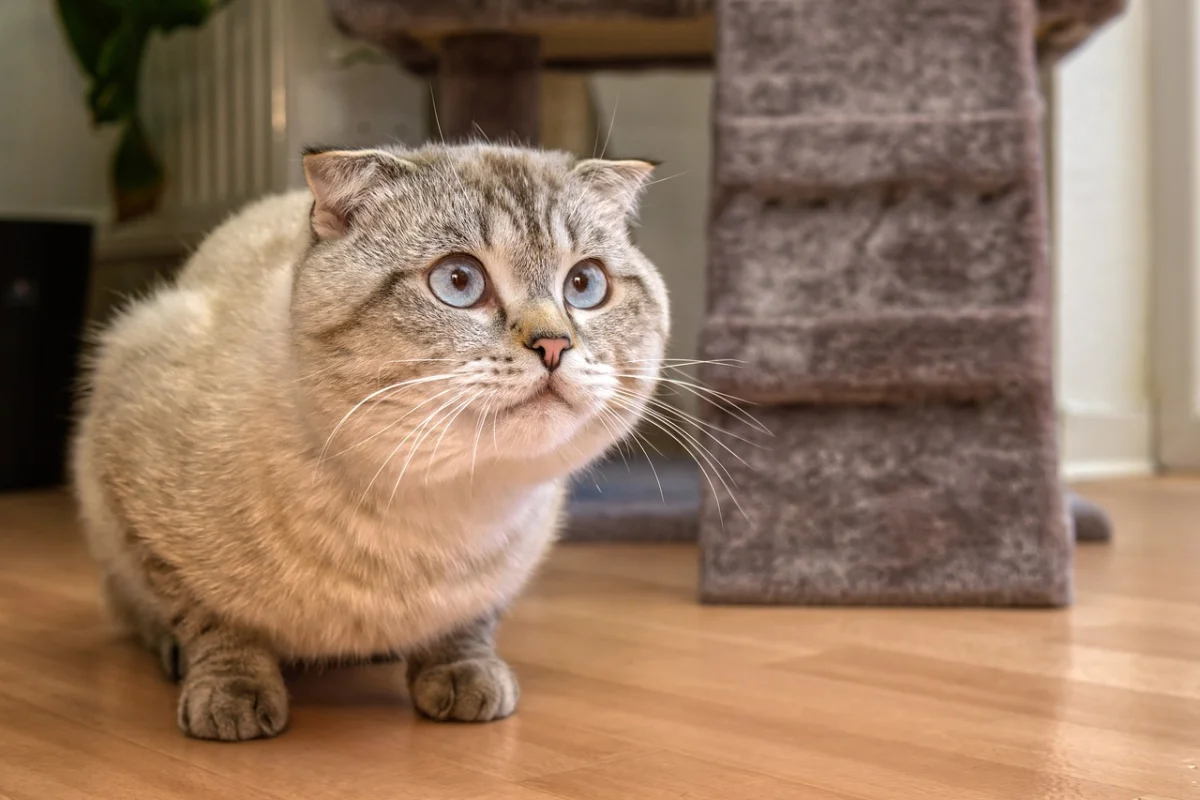
Scottish Folds are associated with folded ears and a calm manner. The Cat Fanciers’ Association breed profile describes them as soft-spoken, and they may be content simply sharing a room with their people. That low-key presence can suit someone who enjoys having a cat nearby without constant vocal demands. Quiet doesn’t mean uninterested, though: watch for the cat’s preferred ways of asking for company, such as approaching or settling close by.
Russian Blue
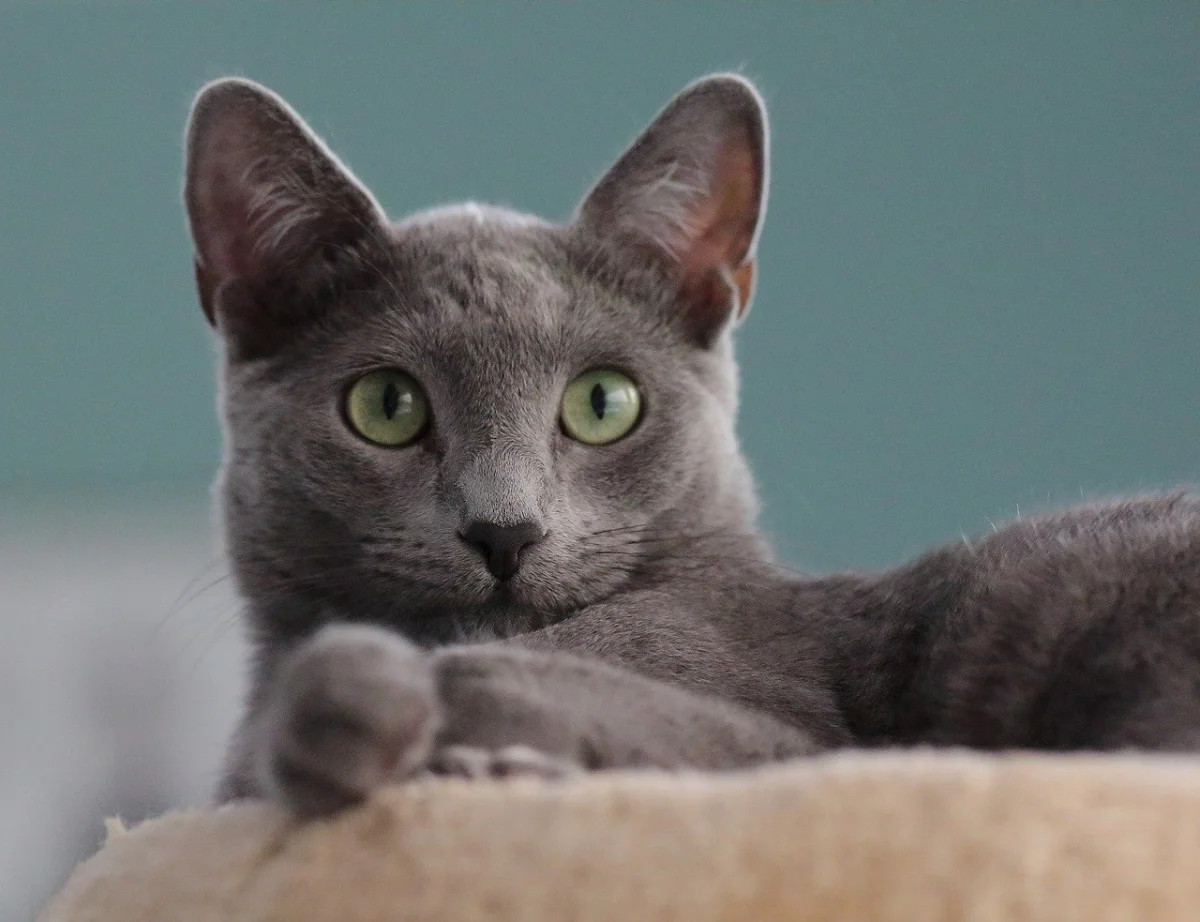
Russian Blues are often characterized as reserved and less vocal than many cats. Their shy reputation may make a calm home appealing, but a quieter cat can need time and patience to feel comfortable with new people or surroundings. Let the cat set the pace for interaction, and offer predictable routines and places to retreat. The Cat Fanciers’ Association breed profile describes this breed’s reserved nature.
British Shorthair
British Shorthairs are known for a composed, easygoing temperament and typically make little noise. They may be happy to lounge near household activity rather than seek constant interaction. That can work well for people who value a peaceful companion, as long as the cat still has opportunities for play and engagement. A calm manner shouldn’t be mistaken for a lack of needs. The breed profile offers more detail on their typical temperament.
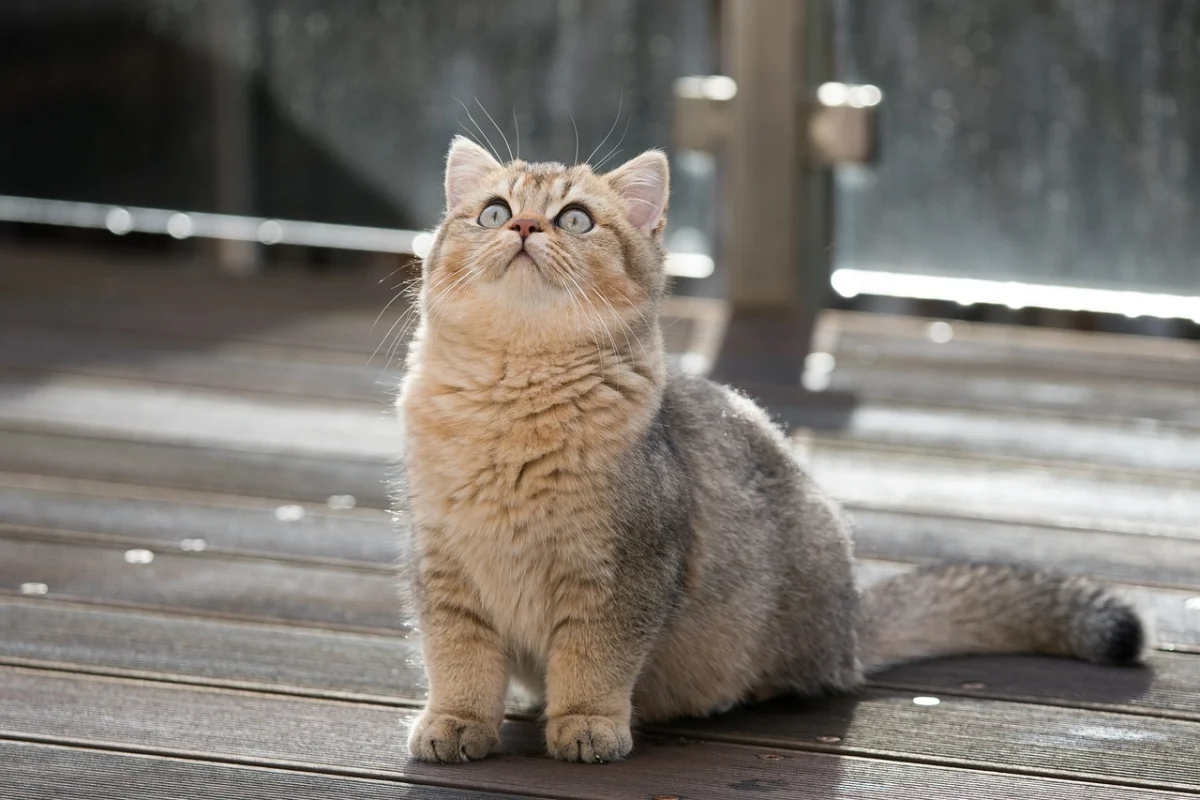
Persian
Persians are often described as quiet cats that communicate through their eyes and body language as much as through sound. A peaceful setting may suit their reported preference for calm surroundings. Owners can learn to notice small cues, including where a cat chooses to rest or whether it approaches for attention. These signals matter even when there’s little meowing. The Cat Fanciers’ Association breed profile describes the Persian’s gentle, quiet character.
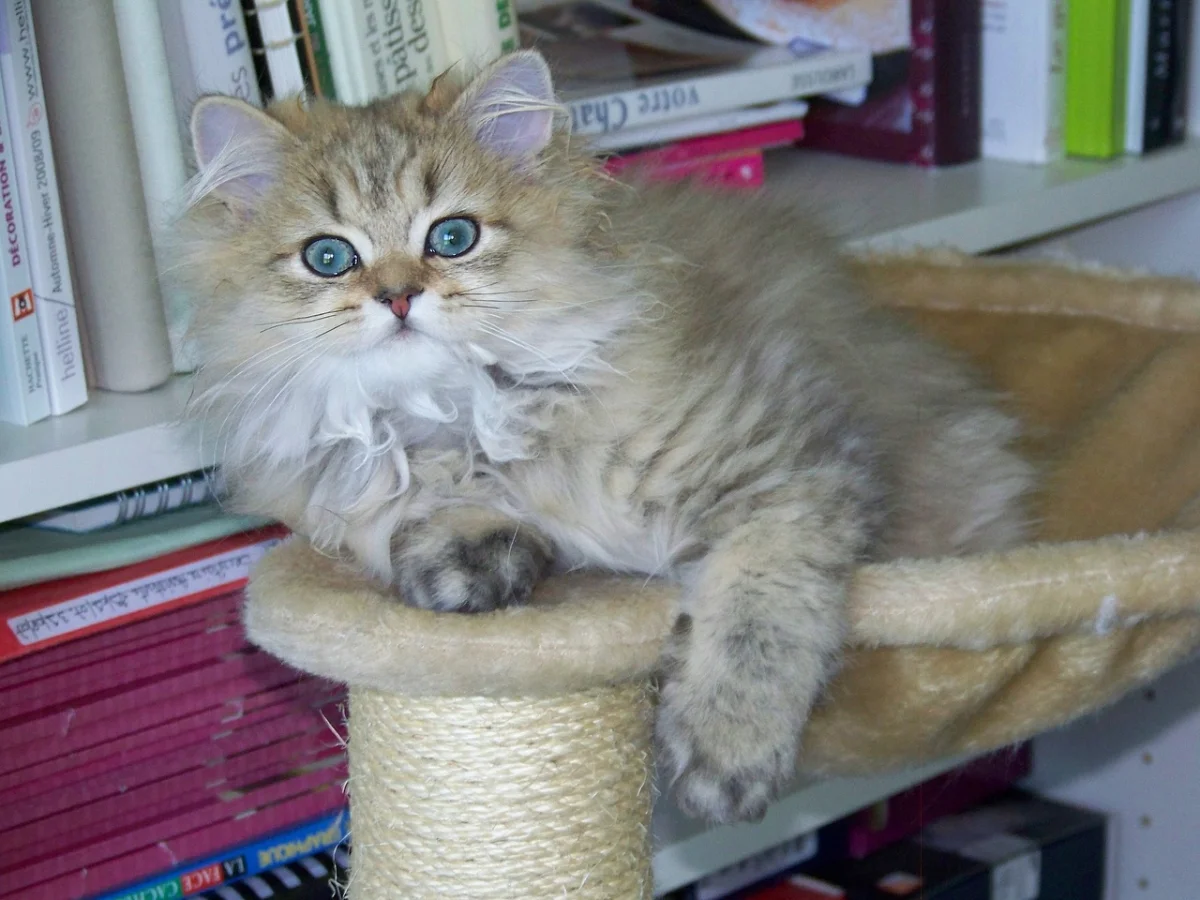
Norwegian Forest Cat
Norwegian Forest Cats may be large, but their voices are often described as gentle. Rather than frequent loud meows, they may use soft chirps and trills, a pattern also discussed by VCA Hospitals. Their quiet reputation and gentle temperament may appeal to households looking for a larger, calm companion. As with any breed, consider the individual cat’s comfort with household activity and its need for daily interaction.
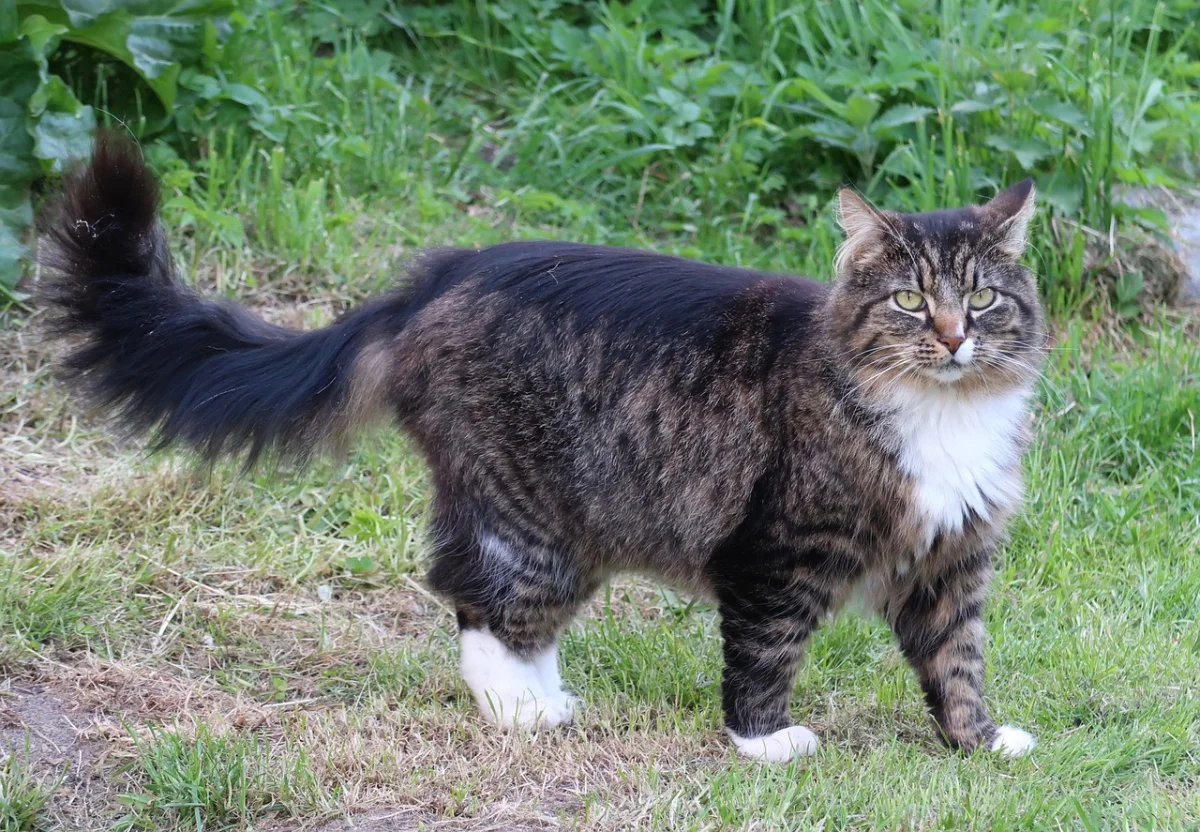
Maine Coon
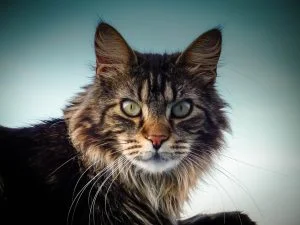
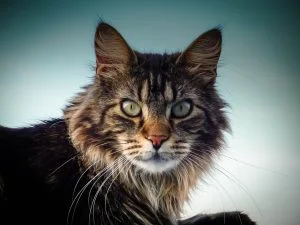
Maine Coons are among the largest domestic cat breeds and are often described as friendly without being especially loud. They may chirp or trill when interacting with people they know. The Cat Fanciers’ Association breed profile notes these sounds alongside the breed’s friendly nature. For a household considering a big, mellow cat, it’s helpful to remember that a quiet voice says little about how much room, play, and companionship that particular cat may want.
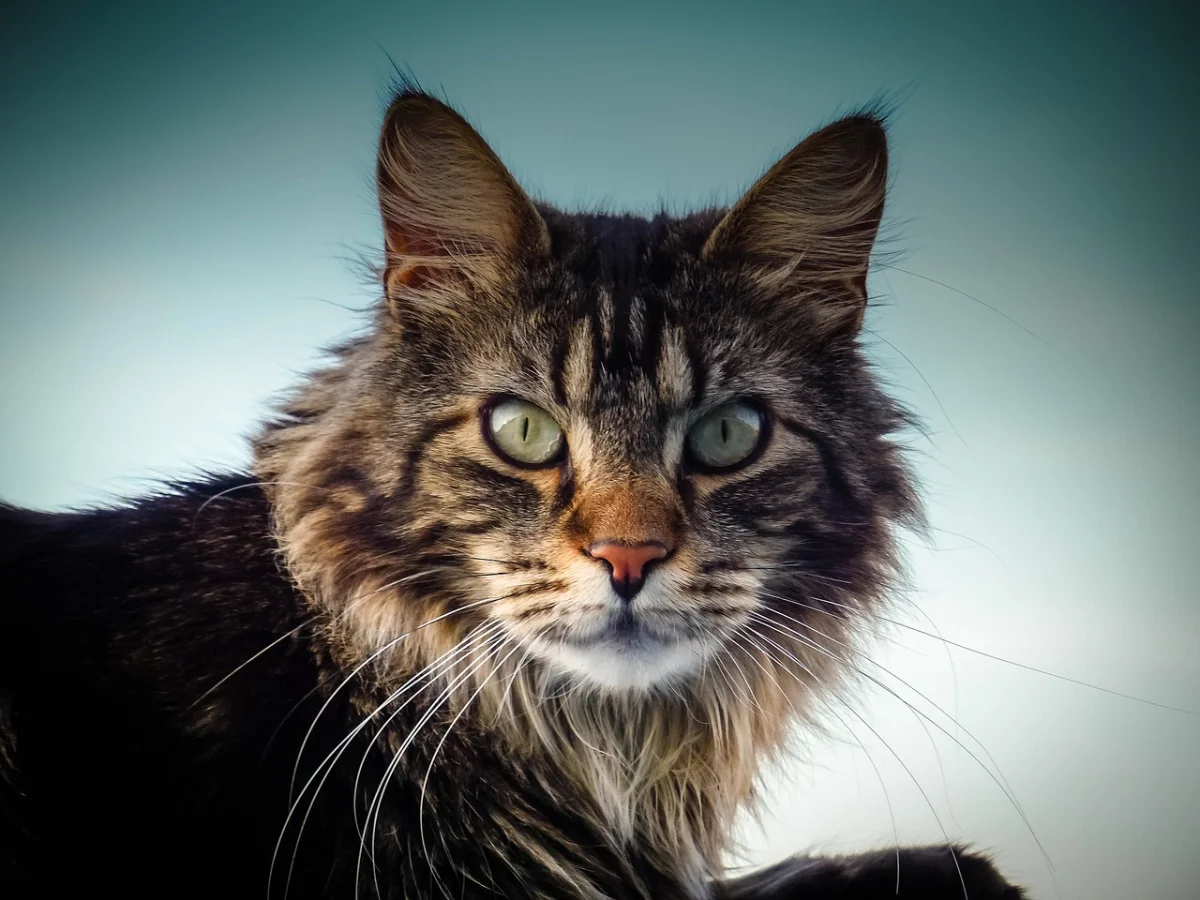
Birman
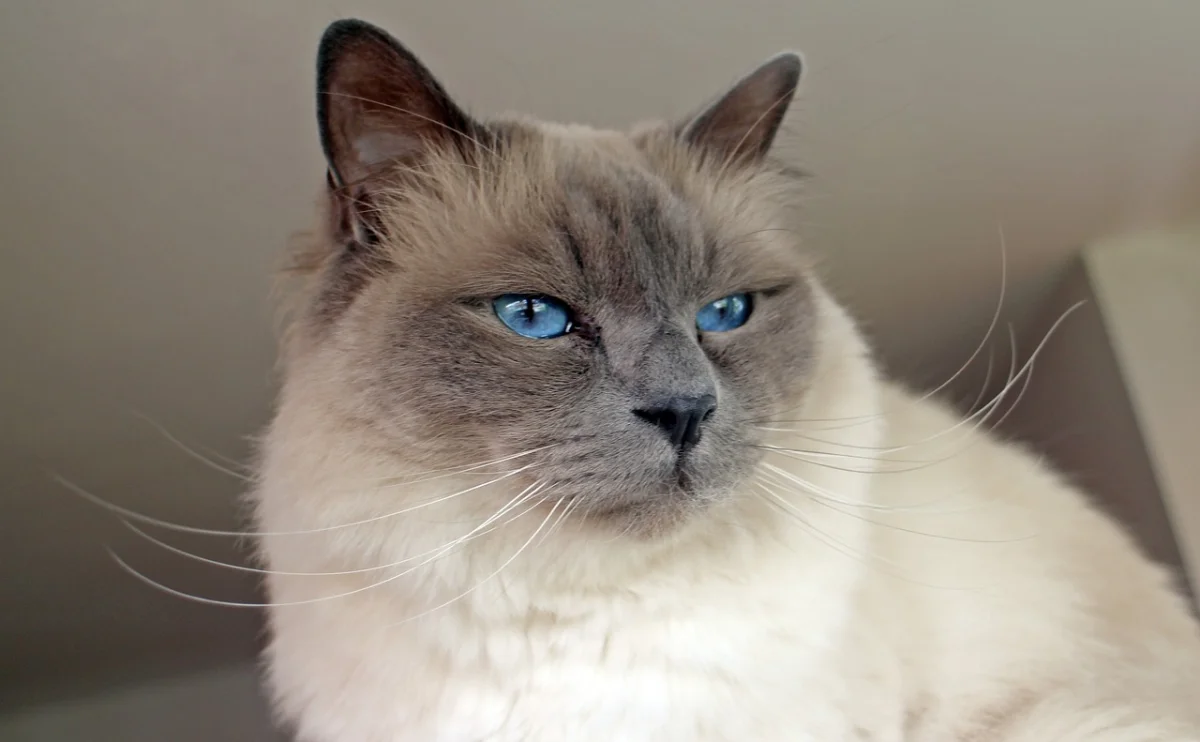
Birmans are known for a gentle, soft-spoken character. Some may show affection by following their owners or communicating through body language rather than calling out. This can make them appealing to people seeking a calm, affectionate companion, though cats differ in how much contact they enjoy. Give a Birman the chance to approach and spend time nearby on its own terms. The breed profile describes the breed’s gentle nature.
Quiet is a tendency, not a guarantee
Breed descriptions can help set expectations, but they don’t determine an individual cat’s personality. A cat’s sounds may also vary with the situation: chirping during an interaction is different from repeatedly calling for attention. Listen for the cat’s usual patterns, and consider how it communicates through movement, proximity, and other signals. A quiet cat still benefits from a responsive caregiver who notices those cues.
These breeds are often suggested for apartments or homes where people prefer a calmer presence. The living space alone, however, doesn’t tell you whether a cat will thrive there. Consider the cat’s needs for play, company, and places to rest, and plan a routine that suits both the animal and the household. For more on the apartment question, see this guide to whether a cat can be happy in an apartment.
Questions owners often ask
What makes a breed “quiet”?
In breed descriptions, “quiet” generally means a cat is less likely to meow loudly or frequently. Some cats may use soft chirps, trills, purrs, or body language instead. Persian, Russian Blue, British Shorthair, Scottish Fold, Norwegian Forest Cat, Maine Coon, and Birman are commonly characterized this way. None is guaranteed to be silent.
Which breeds are often considered the quietest?
Scottish Folds, Russian Blues, and British Shorthairs are often placed among the quietest, based on descriptions from the Cat Fanciers’ Association. Persians, Norwegian Forest Cats, Maine Coons, and Birmans are also frequently described as soft-spoken. These are broad tendencies, not a reliable prediction of an individual cat’s behavior.
Can a cat communicate without meowing?
Yes. A cat may rely on body language, proximity, purring, chirps, or trills. Maine Coons and Norwegian Forest Cats, for example, are often described as using soft chirps and trills. VCA Hospitals discusses cat vocalizations; this guide also covers some reasons cats meow.
What if a quiet cat suddenly becomes much louder?
A clear change in a cat’s usual vocal habits deserves attention. A normally quiet cat that starts meowing much more, or a vocal cat that becomes unusually silent, may be experiencing pain, illness, or stress. Contact a veterinarian to discuss the change, especially if you notice other changes in behavior. Don’t assume a change is simply part of the cat’s breed or personality.
Are some cats especially talkative?
Siamese and Oriental Shorthair cats are often recognized as more vocal breeds. If you’re curious about cats with distinctive voices, read this overview of breeds with distinctive vocal patterns. As with quieter breeds, an individual’s behavior may differ from the broad description.
The best fit is the cat whose communication style and everyday needs work with your household. Learn its normal patterns, respond to its signals, and speak with a veterinarian when its voice changes unexpectedly.


