Sample No. 0051
10 Regal Cat Breeds: Distinctive Looks, Temperaments and Care Needs
From the Persian’s flowing coat to the Sphynx’s sculptural look, these breeds show feline elegance in different ways. Rescues can be just as regal.
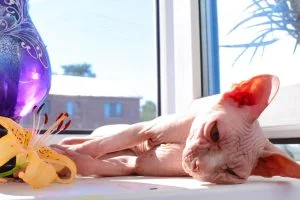
“Regal” describes a cat’s presence, not its worth. Some breeds draw attention through a plush coat, striking eyes or a composed manner; others bring energy and affection that make them memorable companions. The familiar image of feline royalty can be fun, but choosing a cat should also mean considering its temperament and everyday needs. And pedigree isn’t a requirement: mixed-breed cats and rescues can be every bit as dignified and captivating.
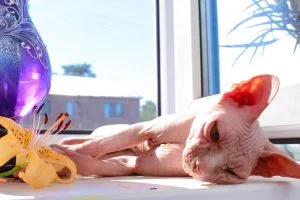
The ten breeds below offer distinct versions of that elegant impression. A few have documented or traditional ties to royalty, while others are admired chiefly for their appearance and bearing. Those differences matter: a striking look is a reason to learn more about a breed, not a guarantee of a particular personality.
Coats and bearing that command attention
Persian
With a long, luxurious coat, expressive eyes and a calm manner, the Persian is often seen as the classic lap cat. The breed has long been associated with luxury and elite companionship in art and literature; the CFA’s Persian breed history traces that association. Its coat calls for regular grooming, so prospective owners should be ready to make brushing part of the routine. Persians are often described as gentle and placid, but individual cats still vary.
Maine Coon
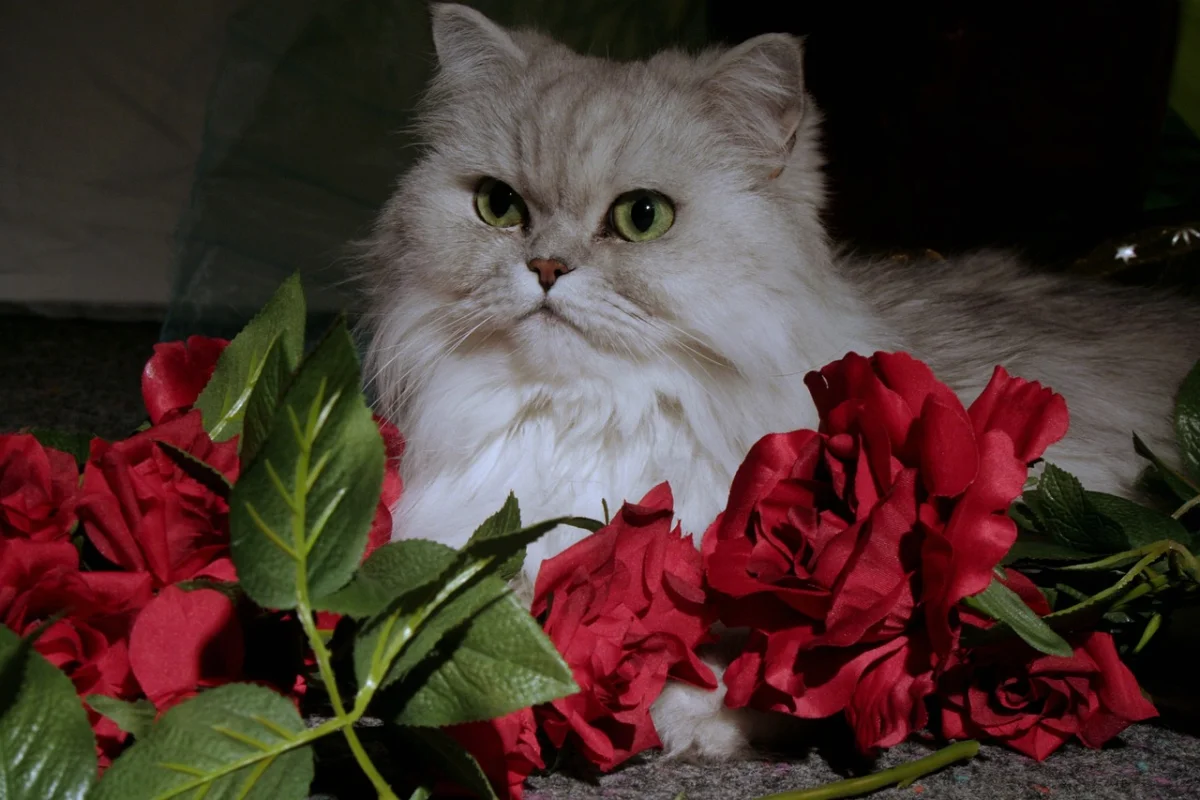
The Maine Coon pairs a large frame and flowing coat with a reputation for being friendly and easygoing. Tufted ears and an impressive mane add to its commanding appearance, while its playful, intelligent nature brings a less formal side to the picture. Despite their size, Maine Coons are described as graceful movers. Their look may be imposing, but their appeal often comes from the balance of strength and sociability.
British Shorthair
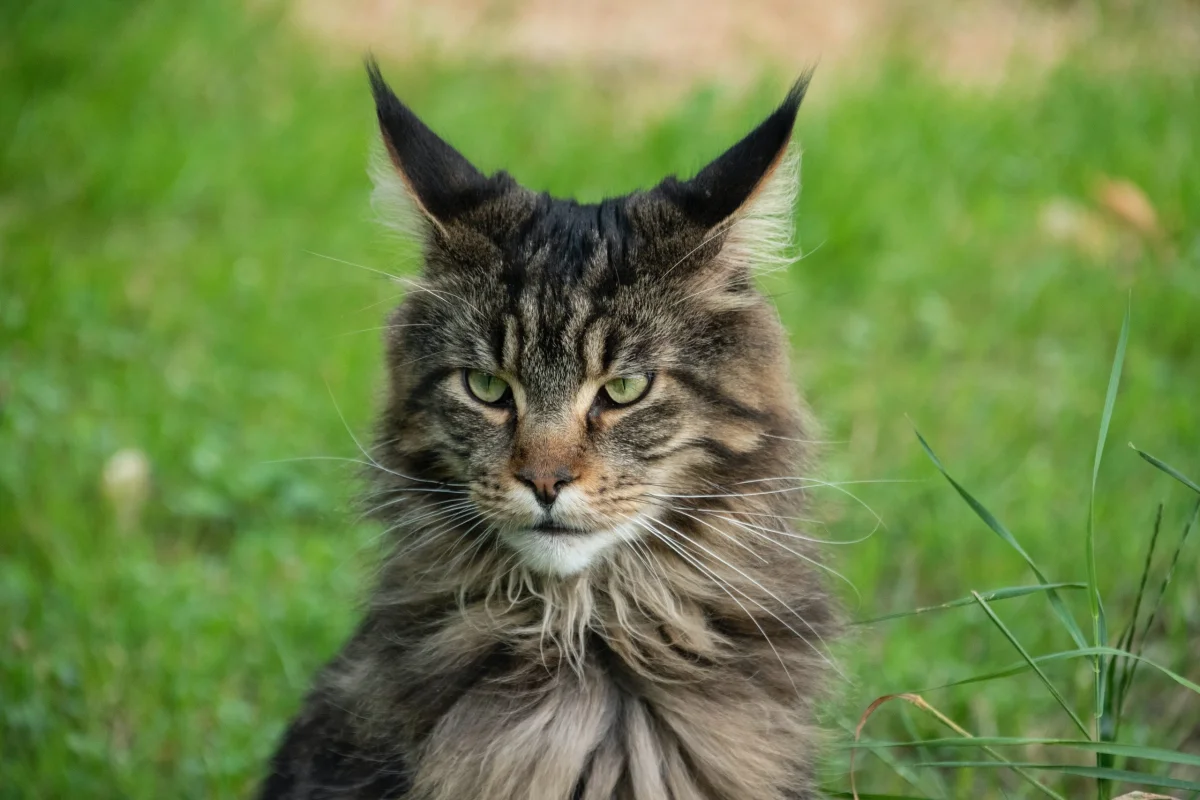
Round eyes, full cheeks and a dense coat give the British Shorthair a dignified, softly rounded appearance. The breed’s calm, loyal nature is often part of its appeal, and its elegance is more understated than showy. Its association with British literature and folklore adds cultural color, while its sturdy build and composed bearing make it easy to recognize.
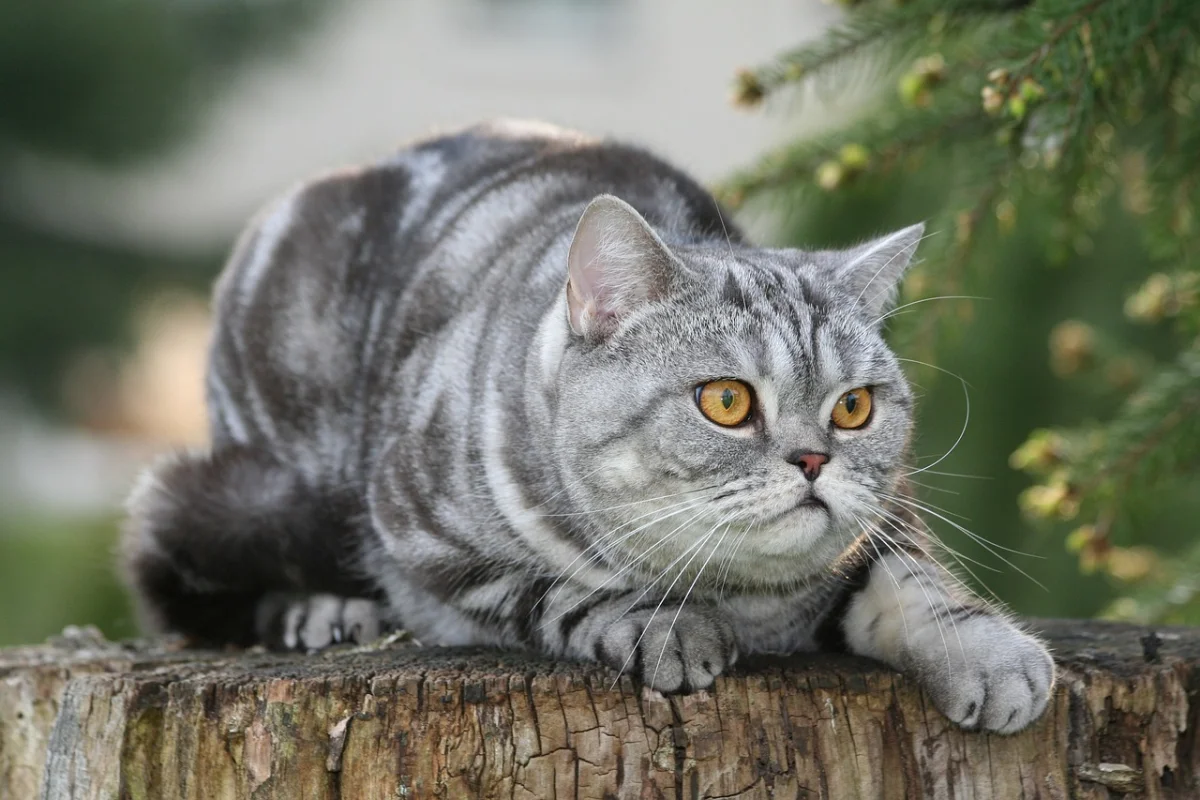
Russian Blue
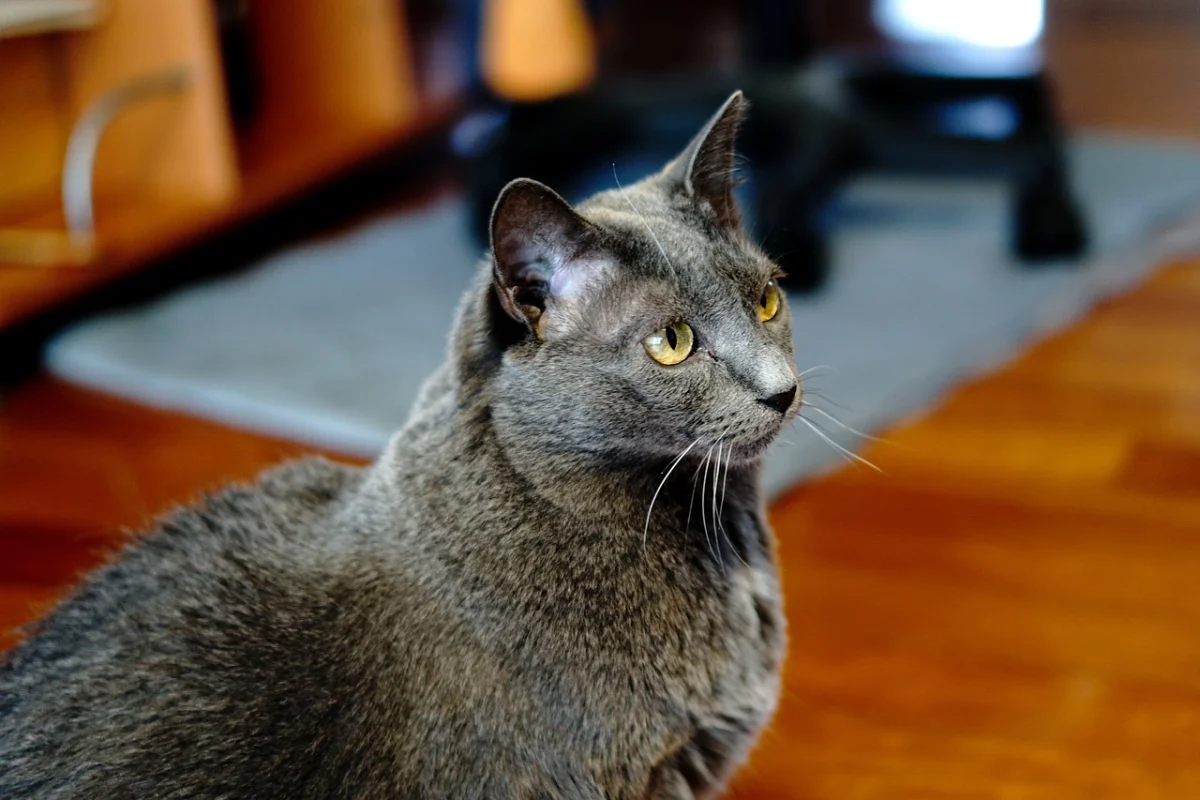
A silver-blue coat and vivid green eyes distinguish the Russian Blue. The breed is often described as reserved and gentle, with a quiet, graceful way of moving. Stories link Russian Blues with the pets of Russian czars, a tradition reflected in TICA’s Russian Blue breed profile. Their appeal rests as much on a restrained, observant presence as on their striking coloring.
Unusual markings and a lively presence
Siamese
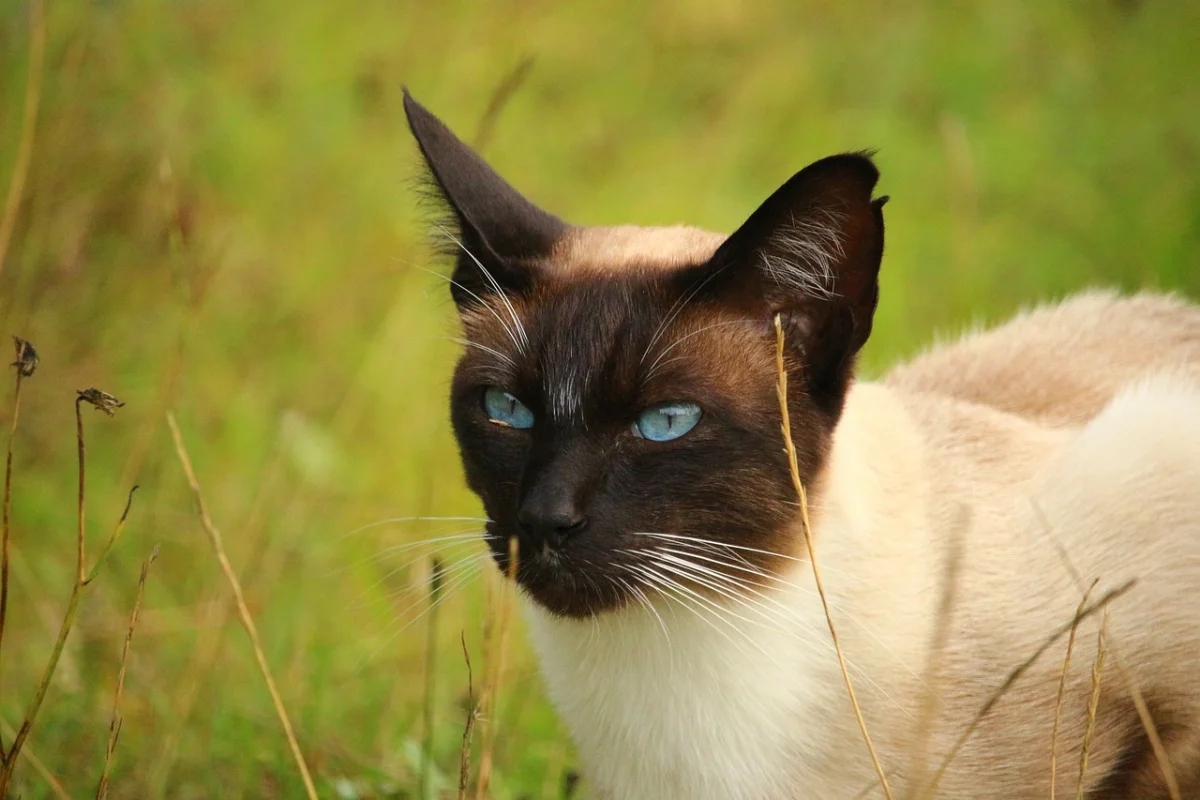
The Siamese stands out for its sleek body, blue almond-shaped eyes and contrasting points: darker coloring on the face, ears, paws and tail. Its vocal, affectionate personality can make it a very interactive companion, one that often seeks attention from its people. Siamese cats have a documented association with royal families in Thailand, including accounts of gifts to foreign dignitaries noted by the Royal Thai Embassy. Their elegant outline comes with a social character that may suit households looking for an engaged companion.
Bengal
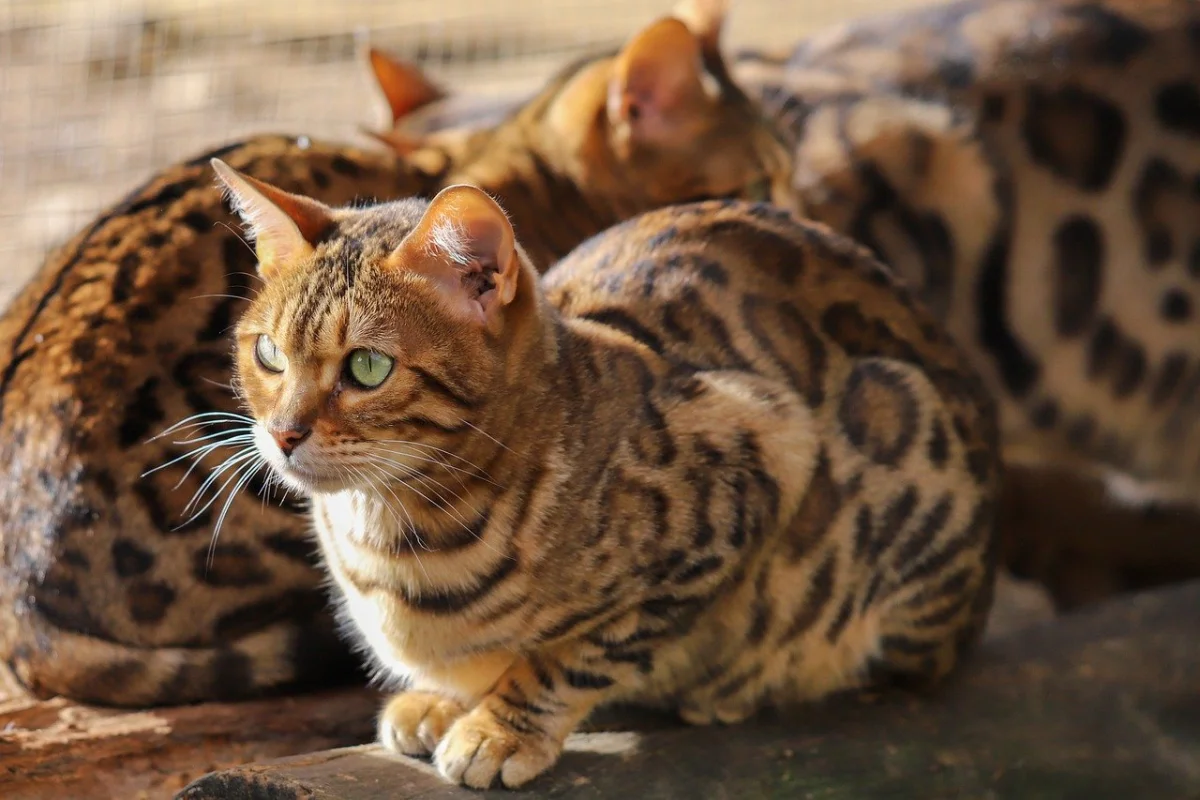
Spots and rosettes lend the Bengal a wild-cat appearance, while its muscular build strengthens that impression. The breed’s ancestry is linked to the Asian leopard cat, but its domestic appeal also depends on its active, intelligent nature. Bengals need engagement and interaction; their striking coat alone doesn’t describe what daily life with one is like. People drawn to their dramatic markings should consider whether they can offer an active, stimulating home.
Abyssinian
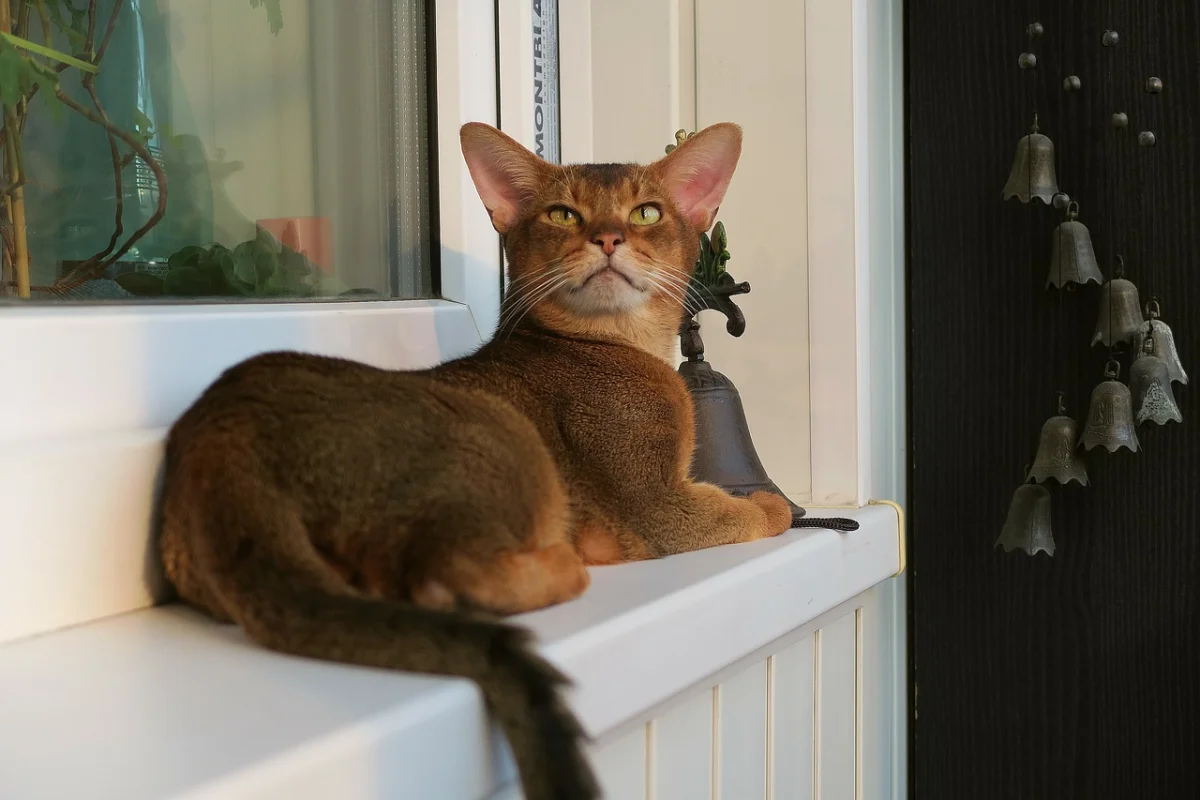
The Abyssinian’s lithe shape and finely ticked coat give it a polished, almost ancient appearance. In temperament, it’s often lively, curious and intelligent, pairing quick movement with an engaging playfulness. The breed is sometimes linked to cats depicted in ancient Egypt, but that connection isn’t conclusively documented, as TICA’s Abyssinian breed profile notes. Its historical aura is better treated as popular association than established ancestry.
Sphynx
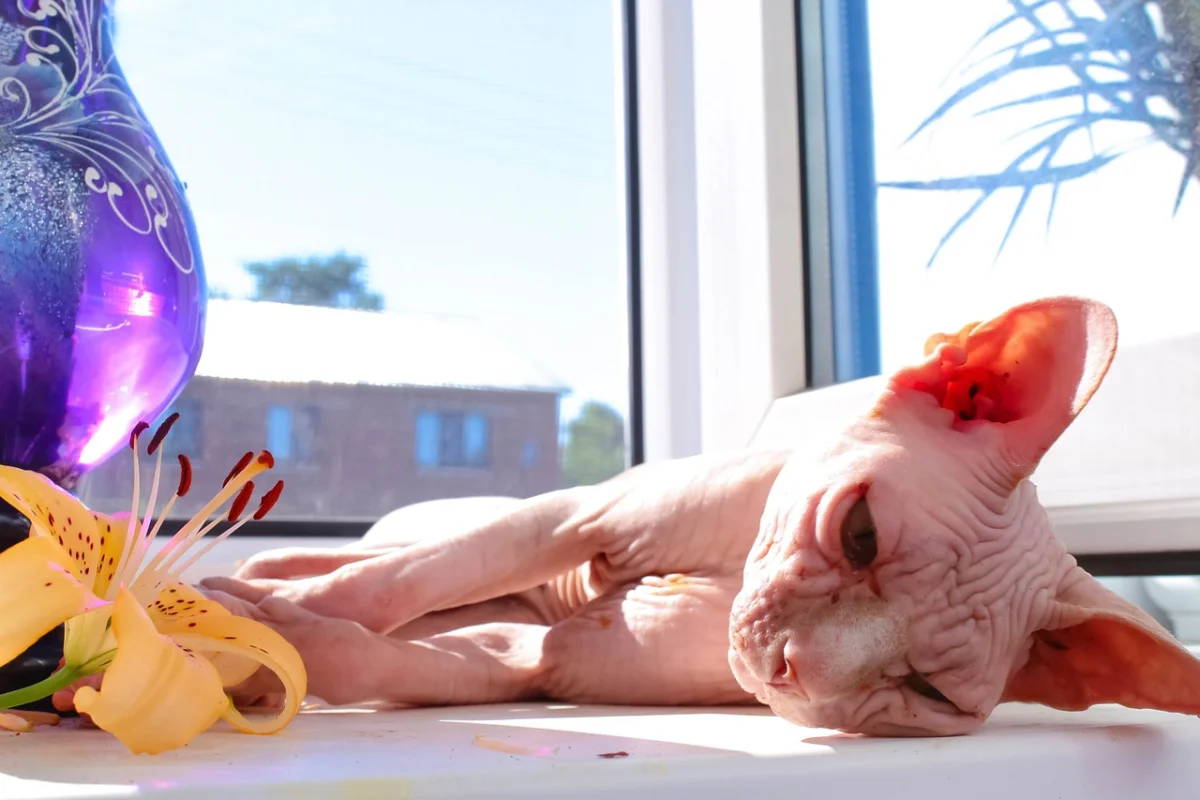
The Sphynx makes an impression through contrast: a hairless appearance reveals a muscular, sculptural frame, while its social nature is often described as extroverted and affectionate. These cats commonly seek warmth and close contact with people. Their distinctive look may be unconventional, but their confident presence is precisely what makes them memorable. As with any breed, prospective owners should learn about its day-to-day care needs rather than choosing on appearance alone.
Birman
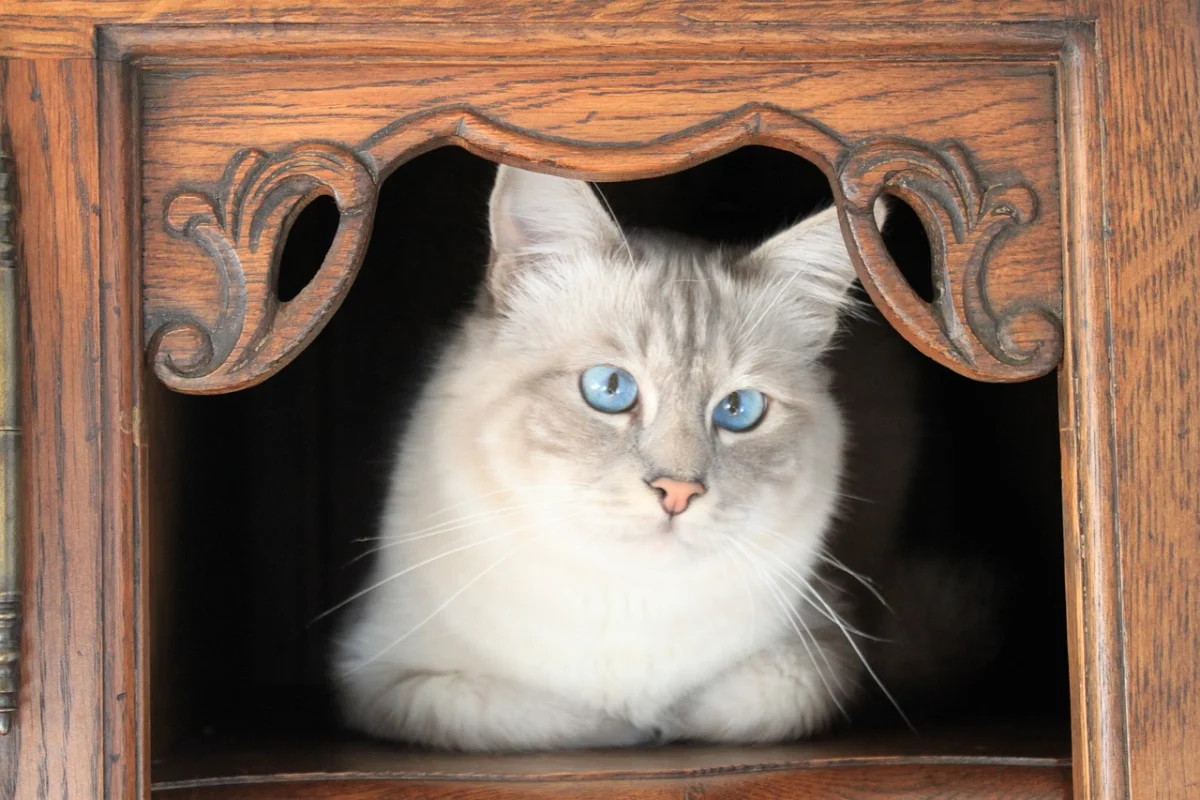
Blue eyes, a silky coat and white paws that look like gloves give the Birman a soft, refined appearance. Birmans are known for being friendly and affectionate, and they often form close bonds with family members. A temple legend from Burma contributes to the breed’s mystique; the GCCF’s Birman breed history records that tradition. The story is part of the breed’s cultural appeal, while its gentle companionship is an everyday trait owners may notice.
Norwegian Forest Cat
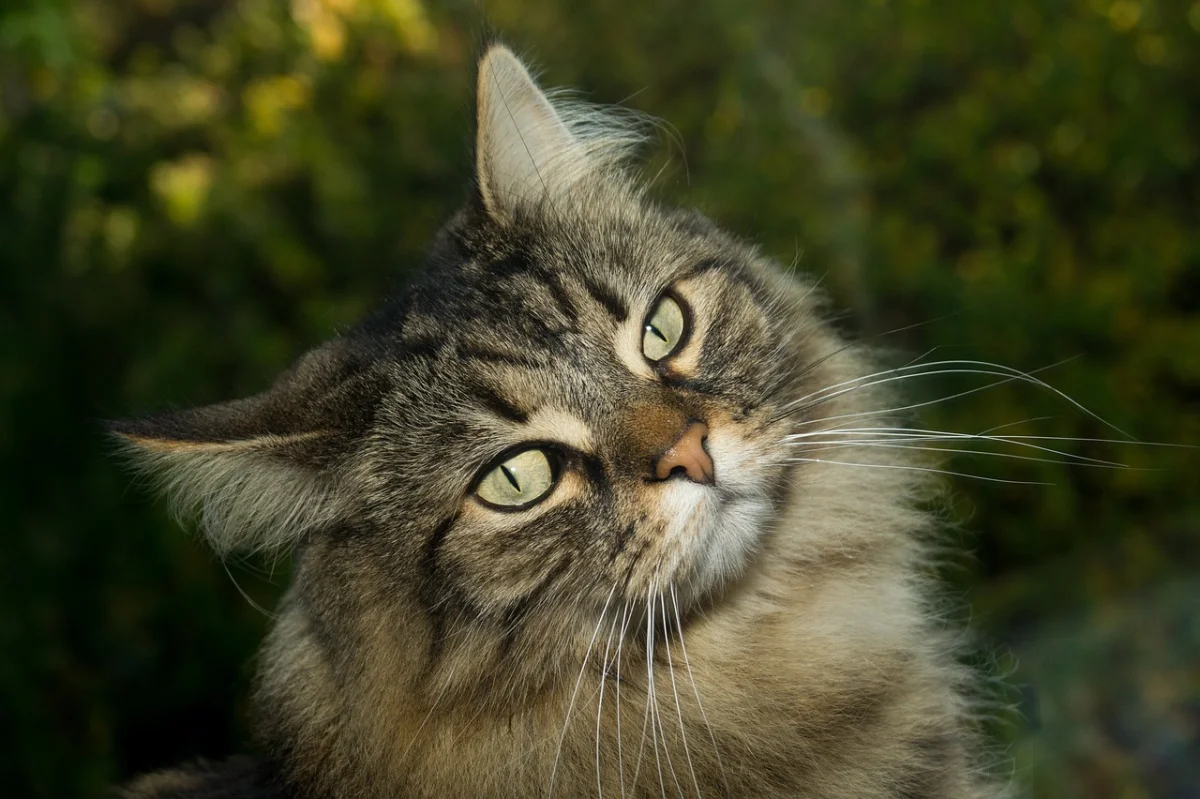
A thick double coat, tufted ears and large eyes give the Norwegian Forest Cat a look drawn from legend. Its sturdy frame and mane suggest power, yet the breed is also described as graceful and able to move quietly. Norwegian Forest Cats are often friendly and adventurous, combining an outdoorsy impression with an elegant presence.
Royal histories—and reputation
Not every breed on this list has the same kind of royal connection. Persians, Siamese and Russian Blues have associations with historical elites or royal households. The Birman’s standing draws partly on temple legend. For breeds such as the Bengal, Maine Coon, British Shorthair, Sphynx, Abyssinian and Norwegian Forest Cat, “regal” is chiefly a description of appearance or bearing rather than a documented royal history.
| Breed | Basis for the royal association | Place or period cited | Signature trait |
|---|---|---|---|
| Persian | Historical association | Persia and European nobility in the 19th century | Long coat and serene bearing |
| Siamese | Historical association | Kingdom of Siam (Thailand), 1800s | Blue eyes and vocal, affectionate nature |
| Russian Blue | Historical association | Imperial Russia, 19th century | Silver-blue coat and reserved manner |
| Birman | Temple legend | Burma (Myanmar) | White-gloved paws and serene gaze |
| Abyssinian | Appearance; Egyptian link is contested | No documented royal period cited | Ticked coat |
| Bengal | Appearance | No documented royal period cited | Leopard-like markings |
| Maine Coon | Appearance | No documented royal period cited | Large build and tufted features |
| British Shorthair | Appearance | No documented royal period cited | Round face and dense coat |
| Sphynx | Appearance | No documented royal period cited | Hairless, sculptural frame |
| Norwegian Forest Cat | Appearance | No documented royal period cited | Double coat and tufted ears |
Every cat can have a regal presence
Breed descriptions can help set expectations, but they don’t define an individual cat’s character. Mixed-breed cats and rescues bring their own combinations of looks and temperament, and adopting one gives an animal a home without asking it to fit a pedigree ideal. A cat’s dignity may show in a quiet perch, a bold greeting or an affectionate habit shared with its family. The most useful measure of feline elegance is the care and trust built between cat and owner.


