Sample No. 0050
Choosing a Cat for a Travel-Heavy Household: Temperament, Care and Health
Breed can offer clues, but an individual cat’s temperament and care needs matter most when planning time away.
For people who travel often, a cat’s ability to cope with a predictable care routine matters more than its breed. Some breeds are commonly described as independent, but individual temperament, health, age and past experience all shape how a cat handles time apart. A pet sitter or boarding plan is still essential for trips that last beyond a short absence.
The Cat Fanciers’ Association (CFA) breed information is one source for comparing expected traits, though breed descriptions can’t guarantee how a particular cat will behave. Mixed-breed and shelter cats may suit a travelling household just as well. The practical question is whether a cat is comfortable with a caregiver, changes to its routine and the amount of interaction it receives.
| Breed or type | Independence | Grooming | Attention and care notes |
|---|---|---|---|
| British Shorthair | High | Weekly brushing | Generally calm; monitor weight |
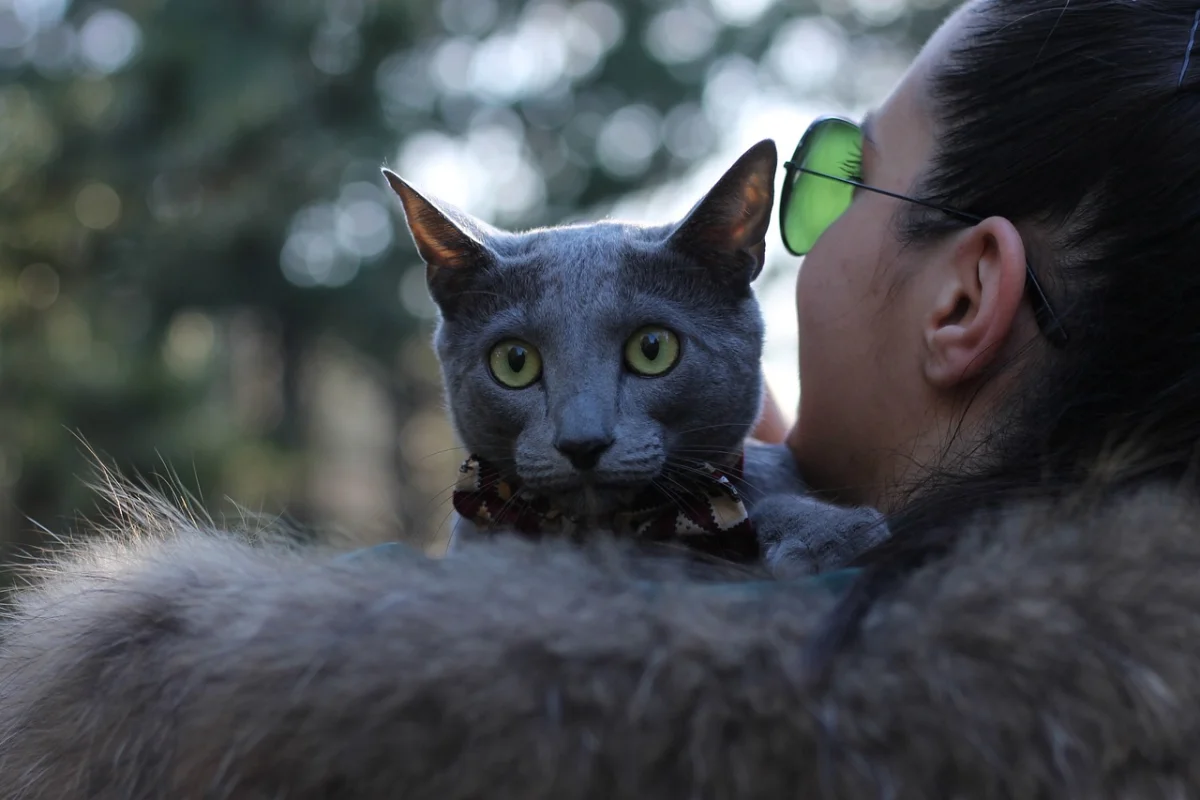
| Russian Blue | High | Weekly brushing | Often reserved; described as generally healthy |
| Scottish Fold | Medium | Weekly brushing | Joint and cartilage concerns linked to folded ears |
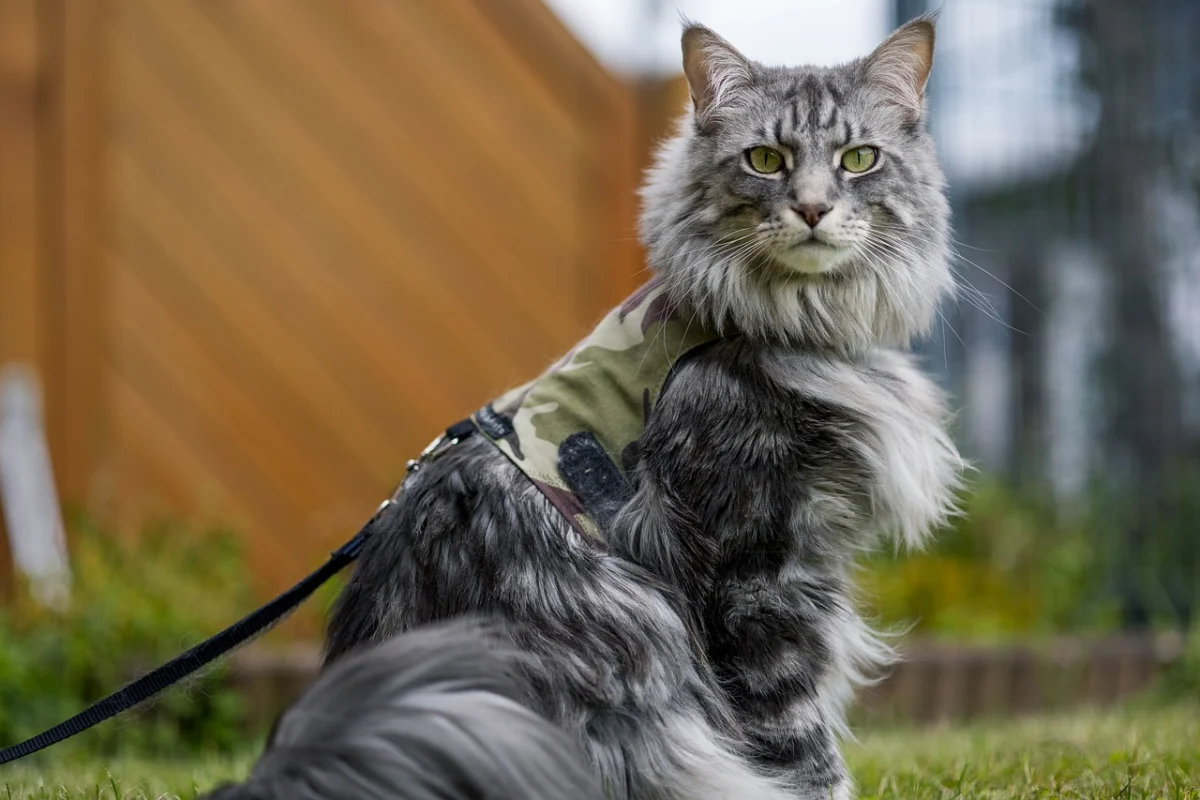
| Maine Coon | Medium to high | Weekly, with more brushing during shedding | Heart health is a consideration |
| American Shorthair | High | Weekly brushing | Monitor weight |
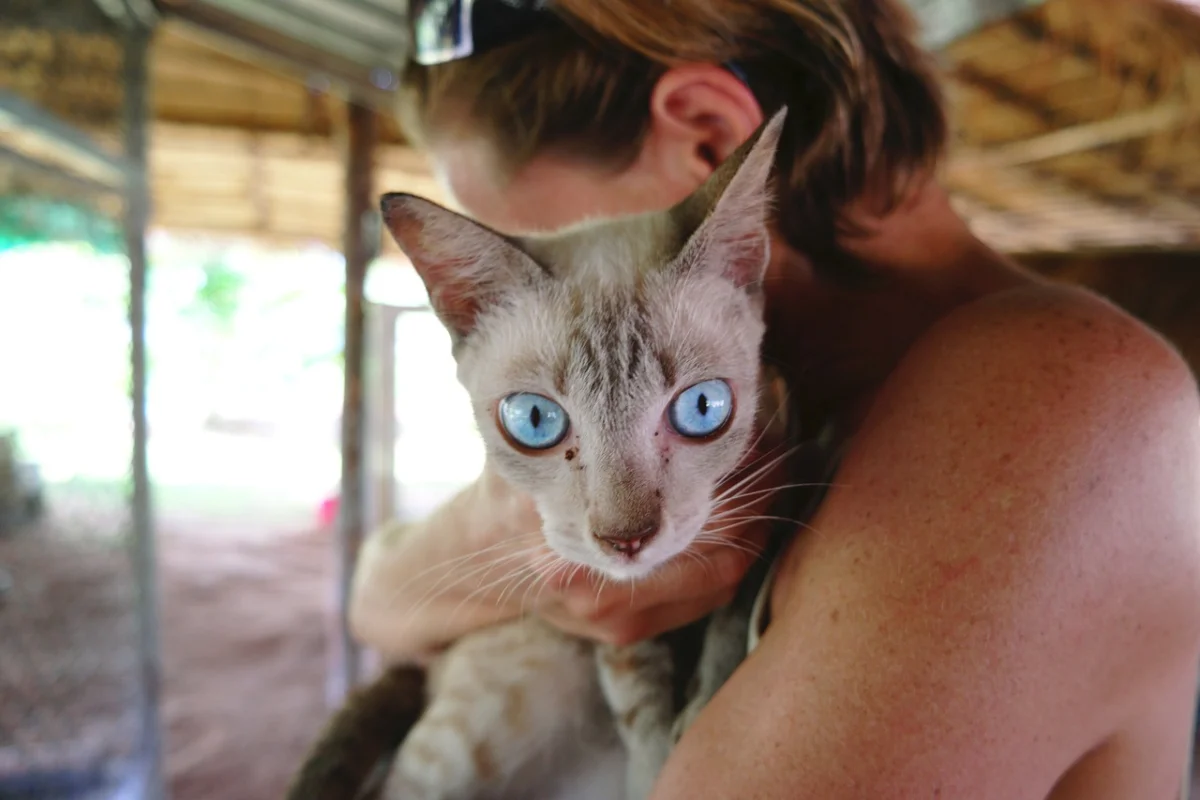
| Siamese | Low to medium | Weekly brushing | Often vocal and interaction-seeking |
| Exotic Shorthair | High | Daily face and coat care | Flat face can bring airway and tear-duct issues |
| Mixed-breed or rescue cat | Varies | Depends on coat | Assess the individual cat’s temperament and health |
Independent breeds still need a care plan
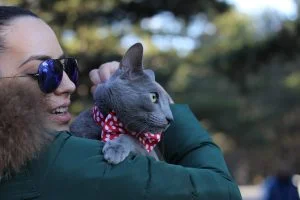
British Shorthairs and Russian Blues are among the source’s strongest candidates for owners who are away regularly. Both are described as relatively self-sufficient and not especially demanding of attention. Their grooming needs are generally modest, with weekly brushing listed for each. The CFA’s British Shorthair breed profile and Russian Blue breed information offer further background on their typical traits.
Those descriptions are useful starting points, not a substitute for observing the cat in front of you. A cat that is calm when its owner is home may still find a change in caregiver or routine difficult. Before relying on a sitter or boarding arrangement, introduce the cat to the caregiver and the care routine in advance where possible. Share feeding instructions, familiar play activities and any known signs of stress.
American Shorthairs also appear in the source’s group of travel-suitable breeds. They’re described as adaptable and independent, with an affectionate side when their owners are home. Weekly brushing is listed as a manageable grooming routine. Weight gain is a health consideration noted for both American and British Shorthairs, so keep feeding consistent when someone else is caring for the cat. The source also discusses American Shorthairs and busy schedules.
Social cats may need more interaction
Maine Coons are described as sociable, intelligent and adaptable. They may learn familiar routines and enjoy interaction, while also showing some independence. Their grooming needs can increase during shedding season, and the source flags hypertrophic cardiomyopathy (HCM) as a health concern. Discuss appropriate heart-health monitoring with a veterinarian, especially if you’re considering a Maine Coon. The CFA’s Maine Coon profile provides more breed information.
Siamese cats call for more planning because they’re often vocal and strongly attached to their people. The source suggests interactive toys or puzzles and regular contact with a pet sitter; another cat may provide company in some homes, but compatibility should be assessed carefully rather than assumed. A sitter’s visits should provide attention as well as basic care. Dental disease and respiratory sensitivity are listed as health considerations. See the source’s discussion of vocal cat breeds.
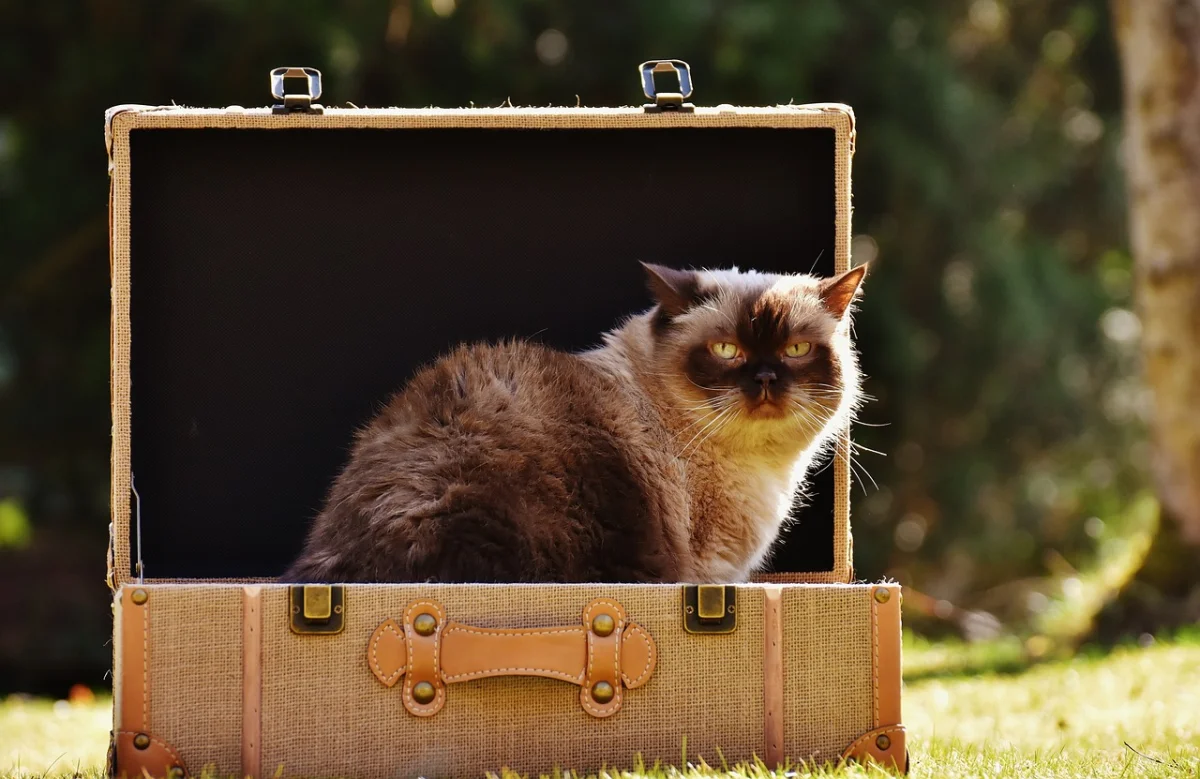
Exotic Shorthairs are characterized as calm and independent, but their daily care needs are not especially low. The source lists daily face and coat care, and notes that their flat faces can be associated with airway and tear-duct issues. Ask a veterinarian what routine care an individual cat needs and make sure a sitter can carry it out. A cat’s easygoing temperament doesn’t remove the need for dependable, informed care.


Consider health alongside temperament
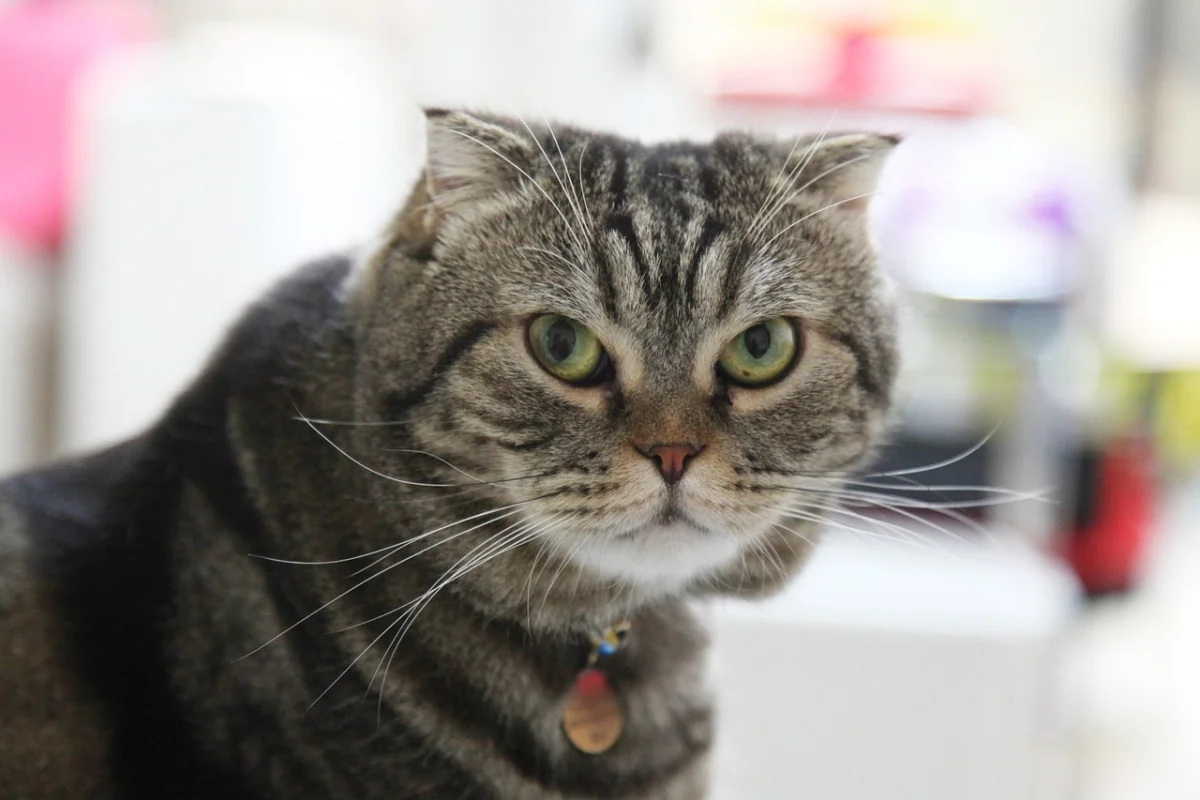
Scottish Folds may be sociable and adaptable, but their folded-ear trait is linked to a cartilage mutation associated with osteochondrodysplasia. This condition can affect joints and mobility and may cause pain. International Cat Care’s Scottish Fold guide discusses the breed’s health concerns. Prospective adopters should ask about screening and have a veterinarian assess the cat’s health, including joint comfort. The source’s table rates this breed’s independence as moderate, so it may also need closer attention to how it copes with care changes.
For any cat with an ongoing health concern, ask the veterinarian what care and observation will be needed during your absence. Seek veterinary advice if you notice changes in mobility, breathing, appetite or behavior. A sitter should know whom to contact if the cat seems unwell.
Make the individual cat the deciding factor
Mixed-breed and rescue cats vary widely in coat, sociability and independence. A shelter may be able to describe how a cat responds to handling, people and changes in routine. The ASPCA’s adoption guidance emphasizes temperament when matching a cat to a home. Ask about the specific cat’s history and needs, then consider whether your travel schedule can accommodate them.
The source says most healthy adult cats can manage a day or two with food, fresh water and a clean litter box, while longer absences call for a sitter or boarding. Its guidance cites VCA Animal Hospitals’ information on separation anxiety in cats. Cats differ, and an automatic feeder can’t provide companionship or notice a problem. Arrange human care that fits the cat’s age, health and temperament.
Breed can help narrow the search, but it shouldn’t decide it. Look for a cat whose needs fit your household, then make the care arrangement dependable before travel. For references on cats described as suited to active households, see this breed overview.
The post Best Cat Breeds for Travelers in 2026: Top 7 Picks for Frequent Flyers appeared first on iHeartCats.com.


