Sample No. 0049
Choosing a Calm Cat for a Busy Workday: Five Breeds and Rescue Cats to Consider
British Shorthairs, Russian Blues and other calm cats may suit busy homes, but an individual cat’s needs matter more than its breed label.
For people working from home or spending much of the day away, a cat’s ability to settle independently can matter more than its appearance. The source names five breeds often described as calm and relatively easy to groom: British Shorthair, Russian Blue, American Shorthair, Scottish Fold and Exotic Shorthair. It also makes a case for considering mixed-breed and rescue cats, whose temperaments and care needs vary from one animal to another.
The source’s comparison table assigns each of the five breeds six to eight hours of alone-time tolerance, weekly brushing, low activity and low vocalization, and marks them as suitable for apartments and home offices. Those figures are best treated as broad descriptions, not guarantees for an individual cat. Age, health, past experience and personality all affect how a cat handles solitude and a household’s routine. Even a self-sufficient cat needs daily attention, food, water, a clean litter area, play and companionship.
Quiet company, with room for individual needs
A calm cat can make a pleasant companion during a workday: it may rest nearby while its person focuses, then seek attention or play during breaks. But a breed profile can only suggest possible tendencies. Before adopting, ask about the individual animal’s behavior when alone, response to people and other pets, grooming needs and preferred level of activity. A shelter or rescue may be able to describe what staff have observed, while a veterinarian can advise on care needs.
For any cat, plan regular interaction around the work schedule. Short play sessions and attention before or after work can help make the day predictable. Provide comfortable resting places and access to basic resources. If a cat’s behavior changes noticeably, or it seems distressed when left alone, discuss the change with a veterinarian. A breed’s reputation for independence shouldn’t be used to dismiss signs that an animal needs help.
Five breeds described as lower-maintenance
British Shorthair
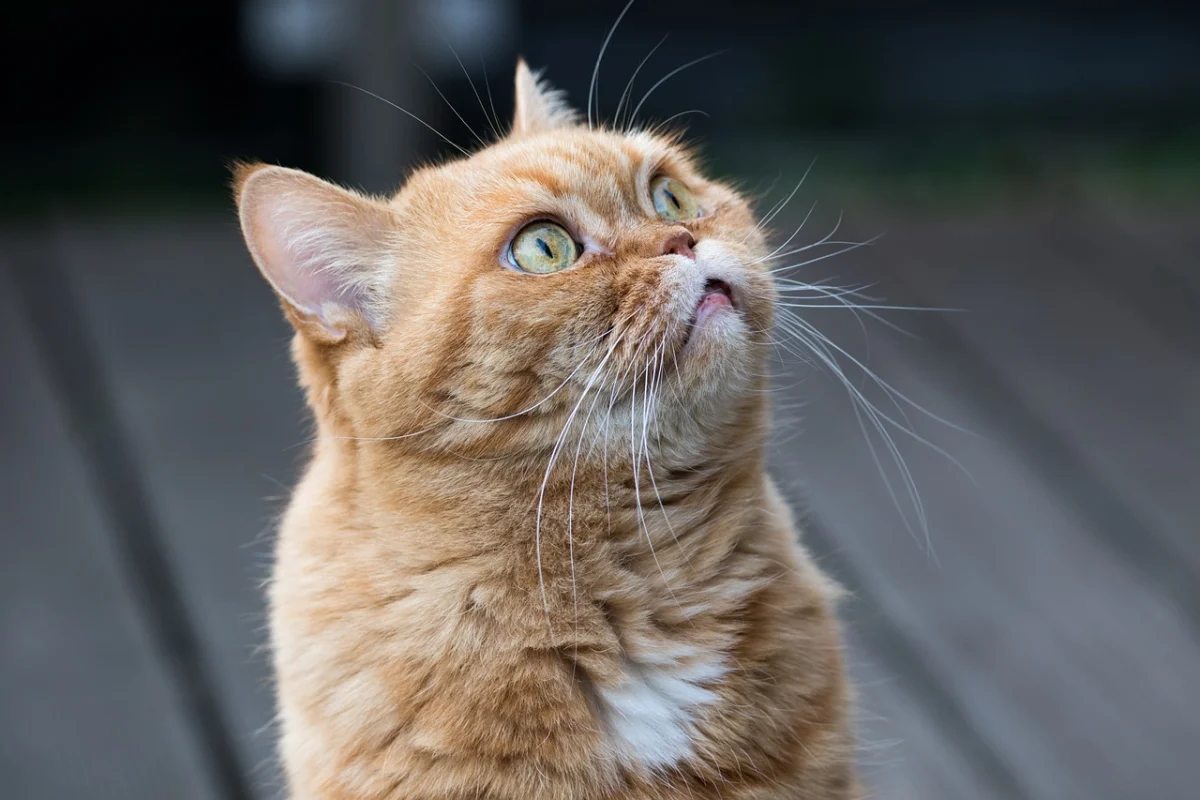
The source describes British Shorthairs as easygoing cats that may be content to lounge while their owners work. They’re said to enjoy time with family without constantly seeking attention. Their dense coat needs occasional brushing, according to the CFA British Shorthair breed profile. That grooming description is also linked to the cats discussed in this guide to cat breeds with the softest fur.
For a prospective owner, the practical question is whether a particular cat’s activity and social needs fit the household. The source portrays this breed as a good match for someone who wants a relaxed companion and can give it quality time outside work hours.
Russian Blue
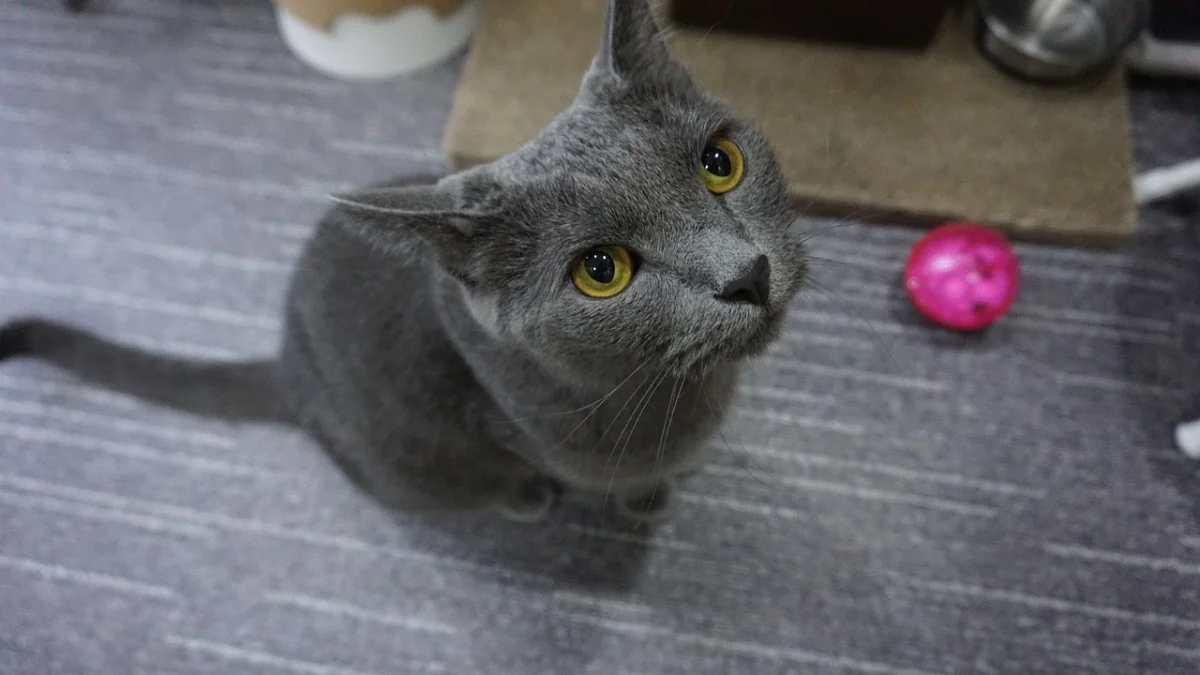
Russian Blues are presented as reserved and able to entertain themselves when their owner is occupied. The source links that description to Texas A&M School of Veterinary Medicine’s Pet Talk program. They may form close bonds with family while tolerating a person’s focused work time. Their short, dense coat needs little grooming, according to the CFA Russian Blue breed profile.
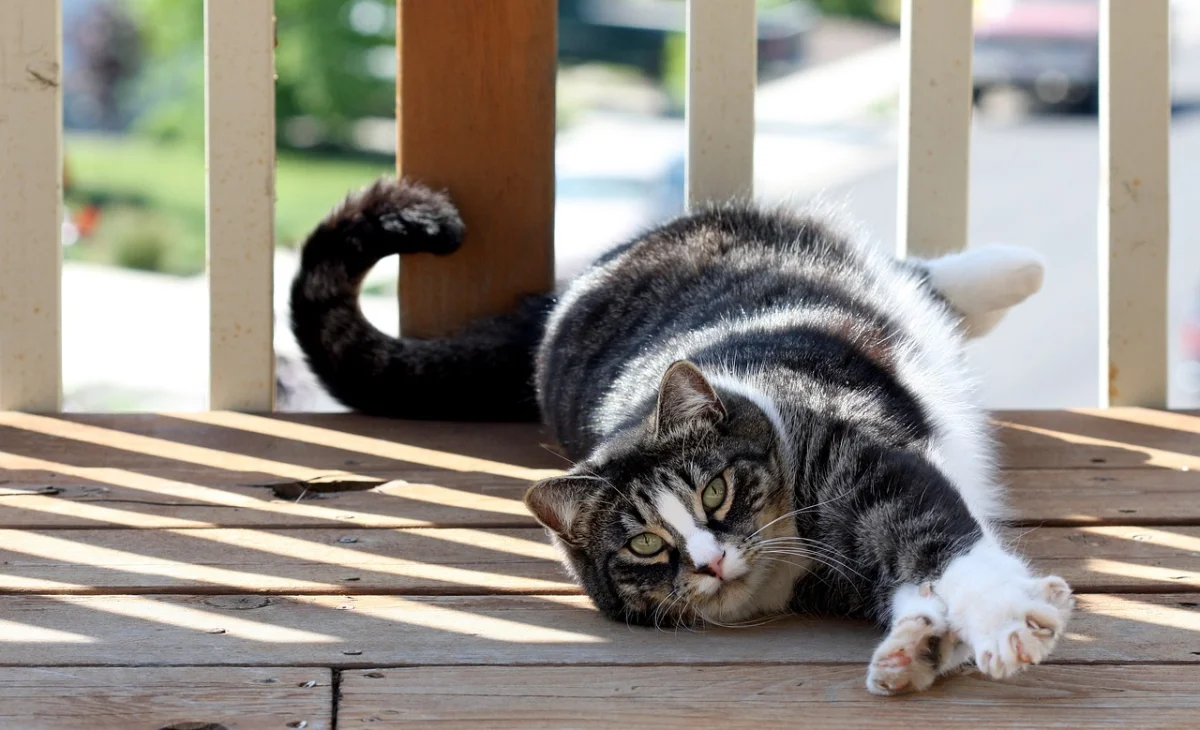
The source also describes Russian Blues as intelligent and responsive to routines. A steady pattern of meals, play and rest may help a cat adjust to a home office schedule, though each cat will have its own preferences.
American Shorthair
The American Shorthair is described as adaptable, sociable and independent enough to spend time alone. Its short coat is relatively easy to care for, and its playful but relaxed manner may suit an owner who can provide activity without constant interaction. The CFA American Shorthair breed profile is cited for the breed’s independent nature, which the source also compares with cats in this guide to cat breeds for people who travel frequently.
Scottish Fold
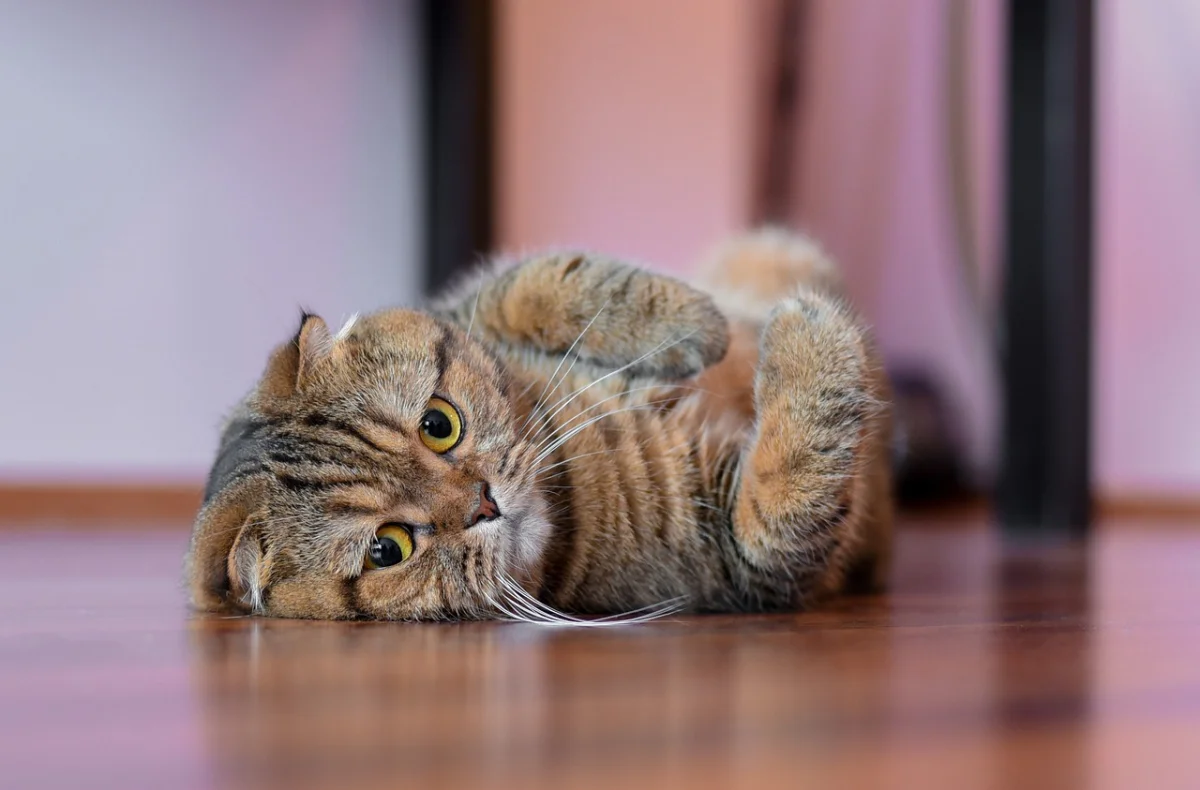
Scottish Folds are described as affectionate and serene, often happy to watch from a comfortable spot or join in a short play session. The source points to the AAFP Feline Behavior Guidelines for its description of low-demand cats, and to the CFA Scottish Fold breed profile for coat and care information. Coat length can vary, so grooming needs should be confirmed for the individual cat.
The breed’s folded ears are a distinctive feature. Appearance alone shouldn’t guide a decision: ask about the cat’s health and care needs, and talk with a veterinarian if you have concerns.
Exotic Shorthair
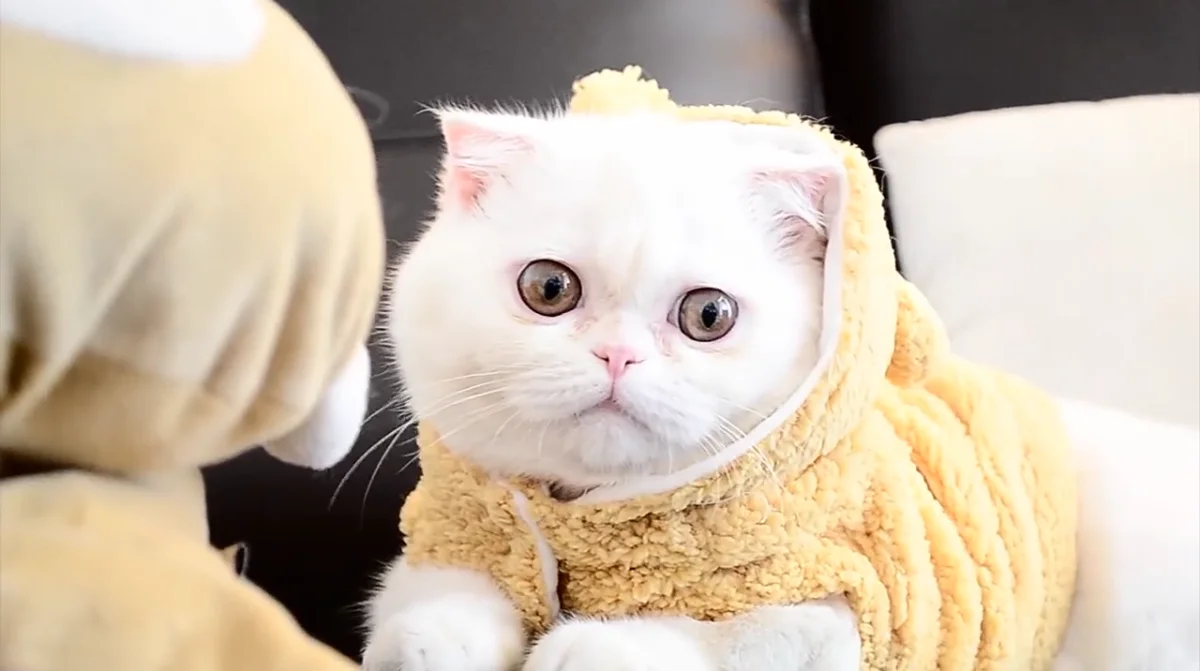
Exotic Shorthairs may appeal to people who like the Persian’s look but prefer a shorter coat. The source describes them as sweet, calm and playful, with less grooming required than a Persian; see the CFA Exotic Shorthair breed profile. It also notes that they can be good companions for families with children or other pets. Introductions should still be managed with each animal’s comfort in mind.
Rescue cats can be a strong match
A pedigree doesn’t guarantee a particular temperament. Mixed-breed and rescue cats may also be independent, quiet or content in a home office, but their activity, coat and vocalization can vary. The source recommends judging a cat as an individual, a point reflected in ASPCA adoption guidance. It also points readers to cats profiled in this guide to cat breeds that would prefer you leave them alone.
When considering adoption, ask what the cat is like during quiet periods, how much interaction it seeks and what care its coat requires. For any cat, make a plan for daily care and companionship before bringing it home. A good workday companion is the individual animal whose needs your household can reliably meet.


