Sample No. 0048
Cat Breeds With Short Tails: Bobtails, Manx Cats and More
Manx, bobtail breeds and several other cats may have shorter tails. Learn what shapes vary and which breed-specific health concerns deserve attention.
A short tail can be a defining breed trait, but not every cat with a shorter-looking tail is a bobtail. Some cats have a naturally shortened, curled or kinked tail; others have tails that are simply shorter in proportion to their bodies. That distinction matters when comparing breeds—and when considering health concerns tied to a particular genetic trait.
A typical feline tail is about 9 to 11 inches long. Some short-tailed cats have only a few inches, while Manx cats may have no visible tail. The Manx trait is associated with a dominant mutation in the T-box T gene. Japanese Bobtails, American Bobtails, Pixie-bobs and Kurilian Bobtails are associated with bobtail traits described as involving recessive mutations, including HES7 in some breeds. Tail shape and length differ among individuals, even within a breed.
Breeds known for naturally short tails
Manx: From the Isle of Man, Manx cats can range from tailless to having a short stump or a longer tail. Terms used for the range include rumpy, riser, stumpy and longy. The shortest examples may have no visible tail or one up to about two inches long. Their short tails are associated with the dominant T-box T mutation.
Japanese Bobtail: This breed’s tail is usually a compact, pom-pom-like bob, commonly around two to four inches long. Its shape can be kinked or curled rather than straight. Japanese Bobtails originated in Japan and are among the breeds associated with a recessive HES7 mutation.
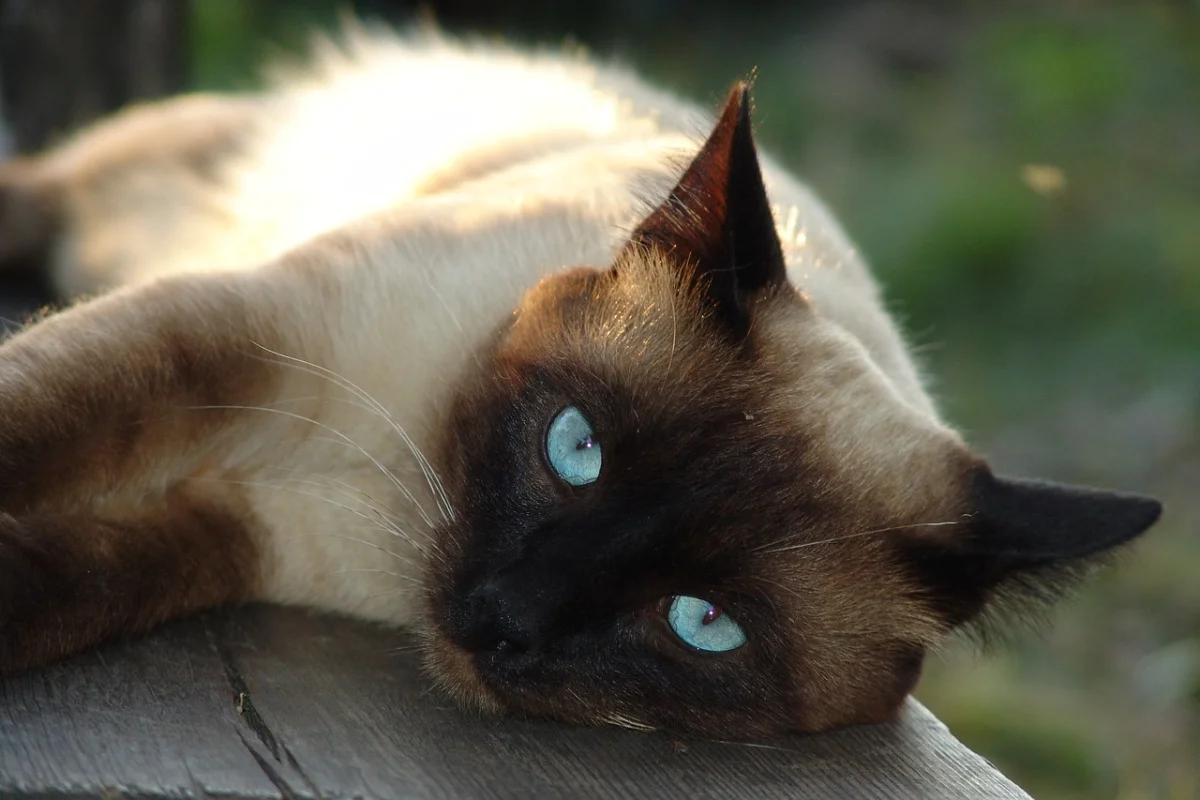
American Bobtail: American Bobtails have short, flexible tails, generally about one-third to one-half the length of a typical cat’s tail. The breed originated in the United States, and its bobtail is described as linked to a recessive mutation in the HES7 family.
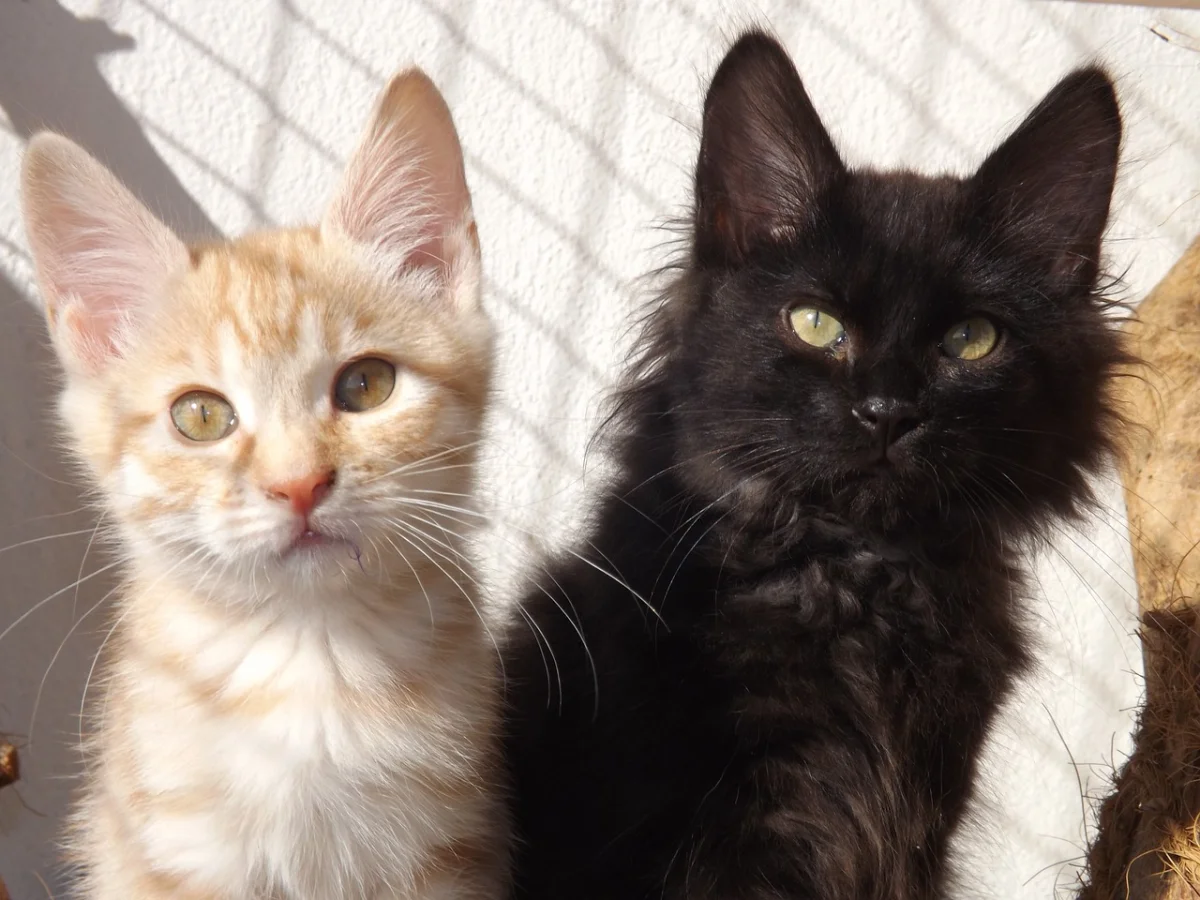
Kurilian Bobtail: From the Kuril Islands and Sakhalin, this strong-bodied cat has a naturally short tail that may form a curve, kink or spiral. Tails are commonly one to three inches long. The breed is sociable and playful, and its tail gives each cat a distinctive outline.
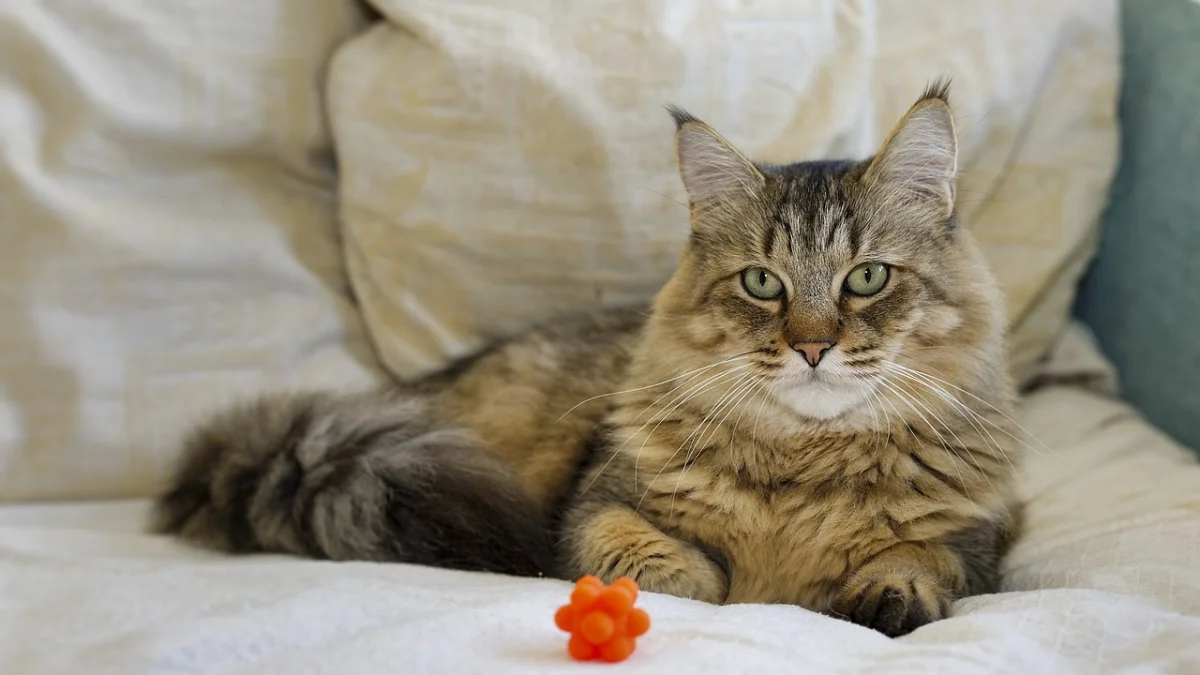
Pixie-bob: Pixie-bobs have bobbed or kinked tails that may be as short as two inches. Some also have extra toes. Although a story connects the breed to bobcats, genetic evidence cited by the International Cat Association does not support that origin claim. Pixie-bobs are often described as loyal and gentle, and some enjoy activities such as leash walks and fetch.
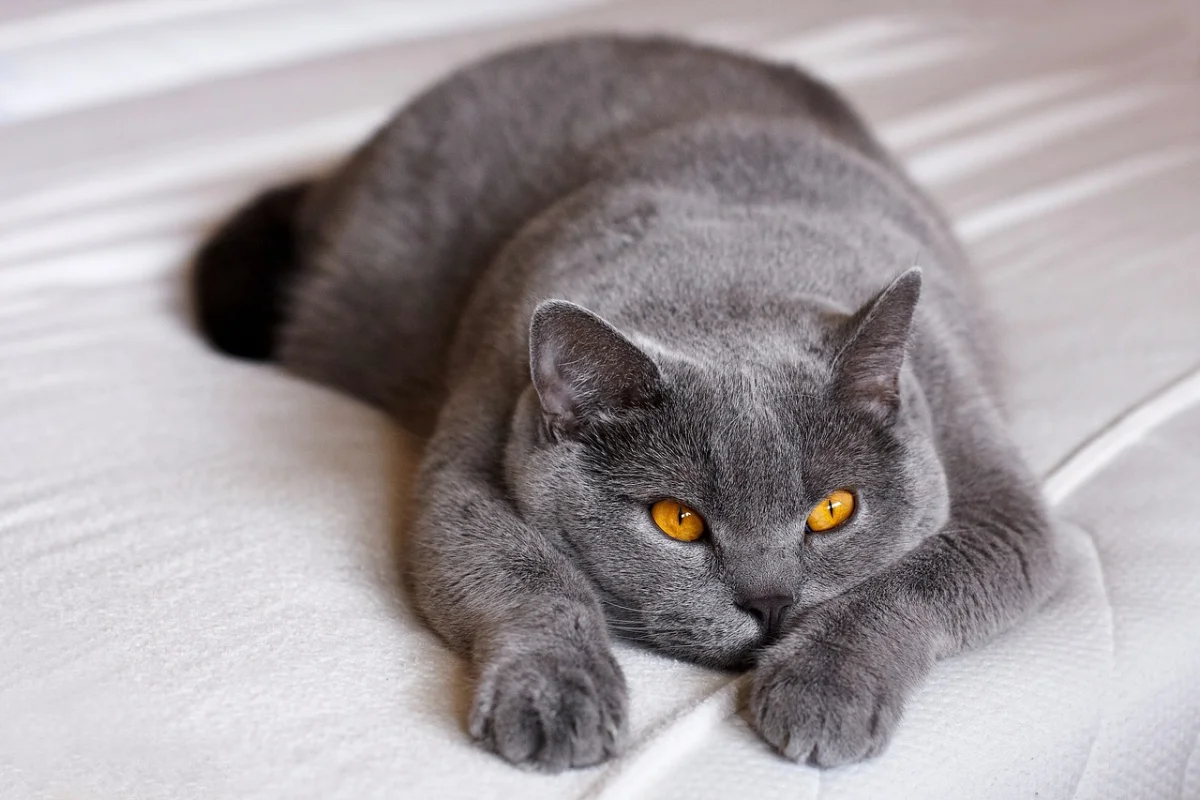
Highlander: Developed through selective crossbreeding in the United States, Highlanders have a short, thick tail that may be straight or curled. They’re muscular cats with a playful, affectionate reputation. Their distinctive look is part of a breeding effort to create a domestic cat with a wild appearance.
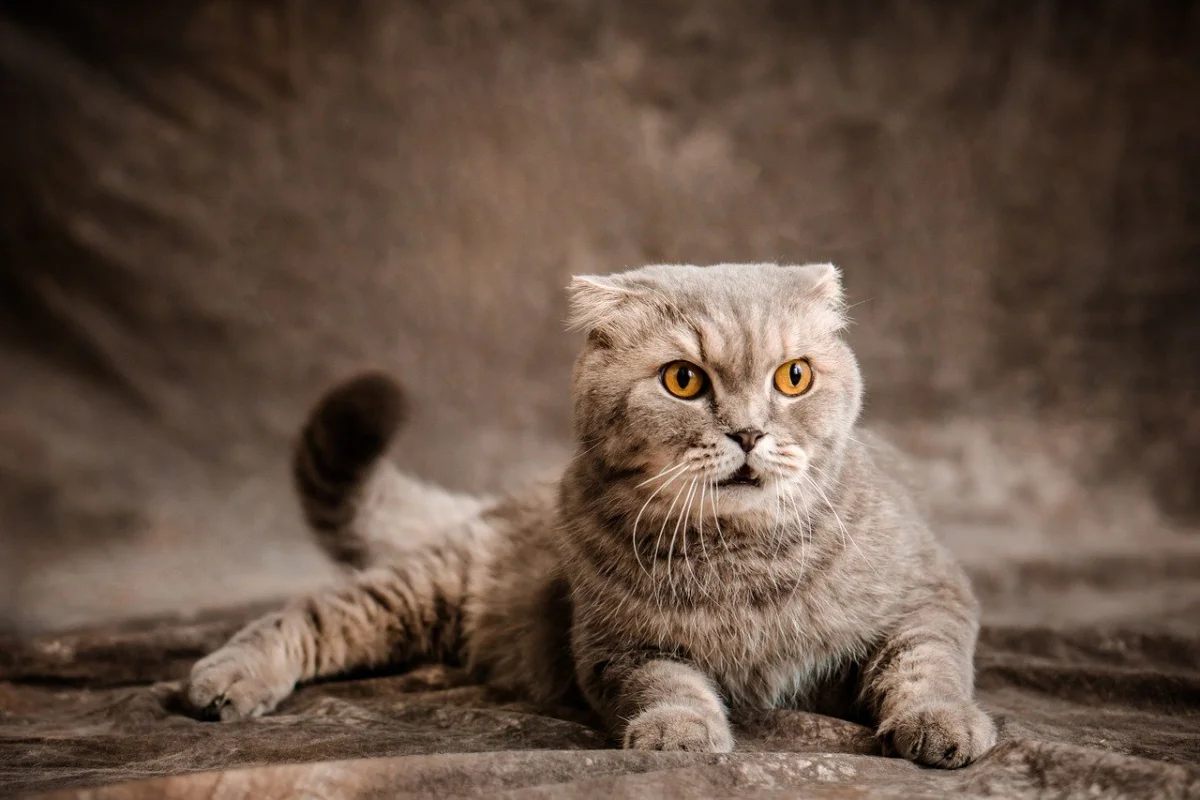
Scottish Fold: Scottish Folds are best known for folded ears, but their tails can also be shorter than average. Tail length and flexibility vary. The cartilage mutation associated with the breed’s ears is also linked to osteochondrodysplasia, a condition that can affect cartilage and bones. Anyone considering a Scottish Fold should discuss breed-related health concerns with a veterinarian. VCA Hospitals’ overview of Scottish Fold cats was last reviewed in 2023.
Shorter-looking tails aren’t always bobtails
Traditional, or Applehead, Siamese cats can sometimes have a shorter tail or a kink, but this isn’t a consistent defining trait. They’re known for blue eyes, point coloration and an affectionate, vocal temperament. Their tails may vary, so a short one alone doesn’t make a cat a bobtail breed.
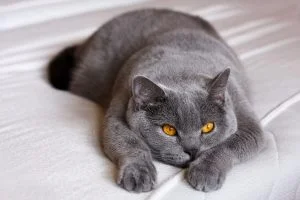
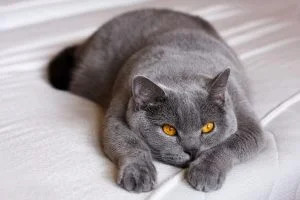
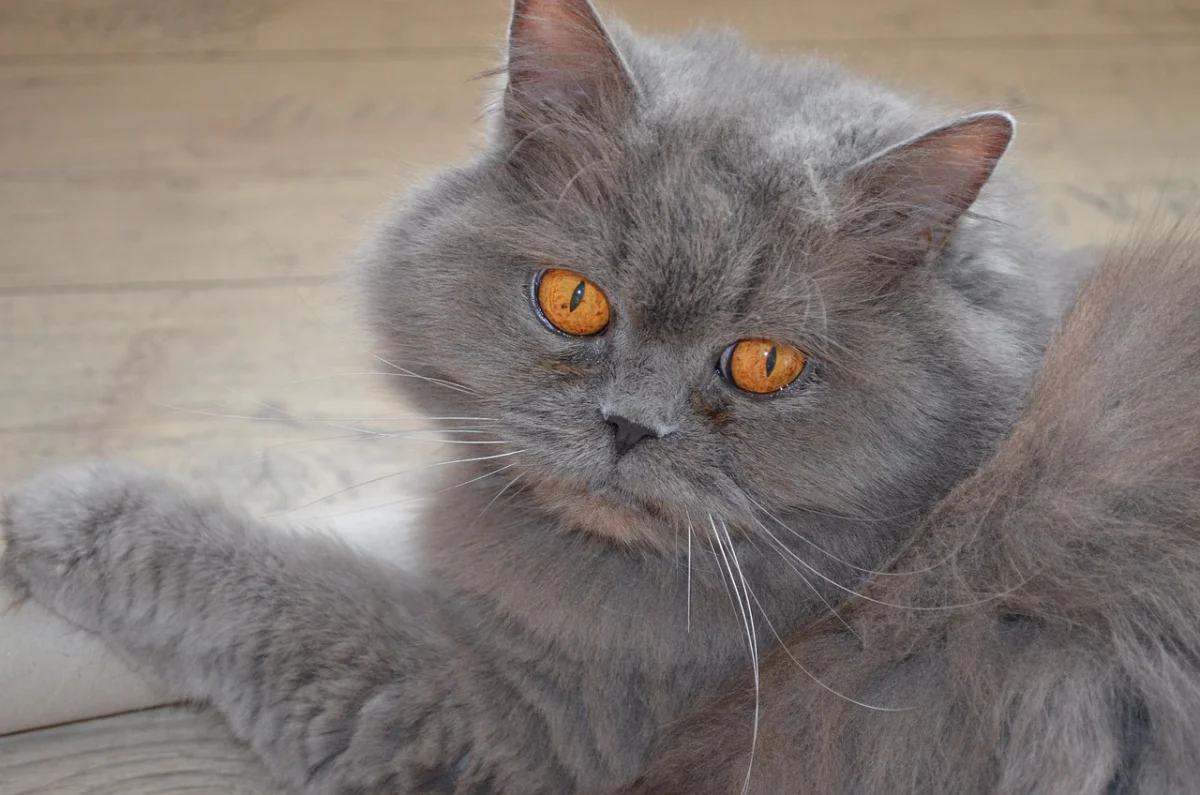
British Shorthairs have a thick tail that tapers to a rounded tip. It may look relatively short beside their sturdy bodies, but the breed doesn’t carry a bobtail mutation. Their easygoing nature and dense coats contribute to their familiar rounded appearance.
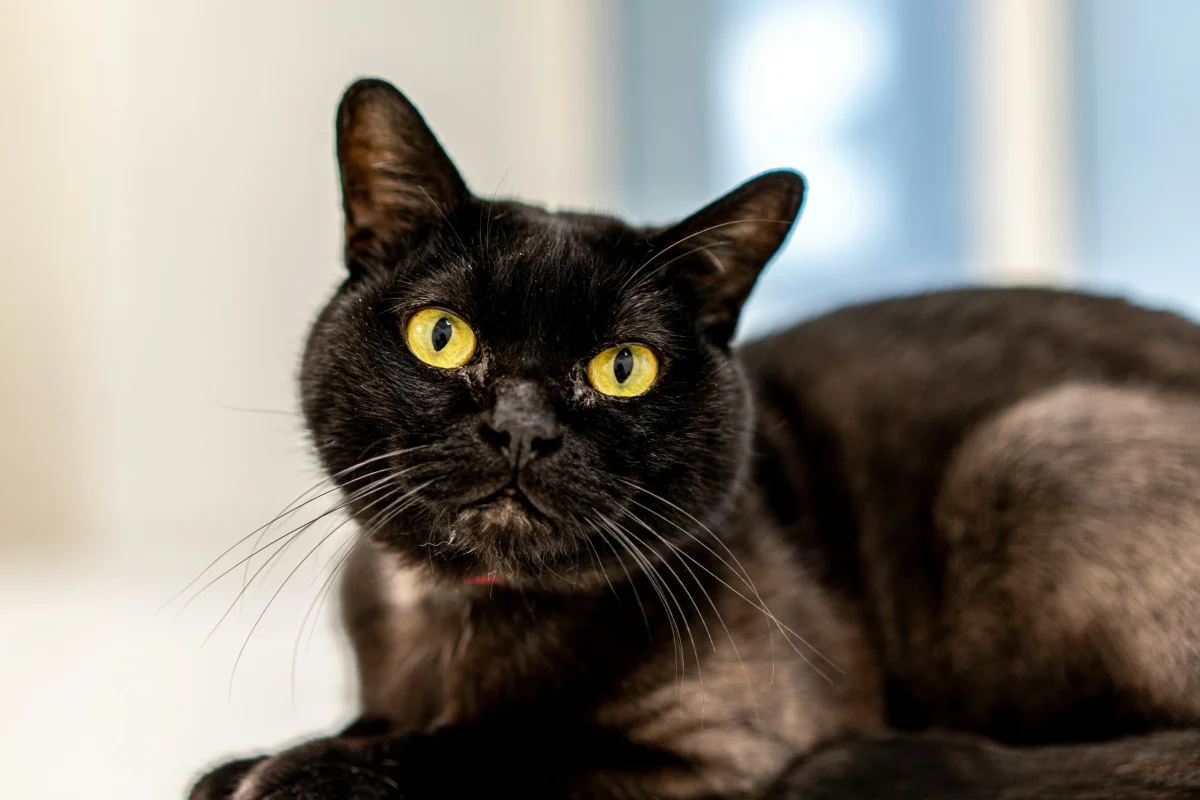
Bombays also aren’t true bobtails. Their tails are medium in length and may appear shorter against their compact build and close-lying black coats. They’re often sociable, playful cats that seek company and attention.
What to know about tail length
“Bobtail” describes a trait, not one single breed. Manx, Japanese Bobtail, American Bobtail, Kurilian Bobtail and Pixie-bob cats are distinct breeds with different histories and tail forms. A naturally short tail is also different from one shortened by injury or amputation. If a cat’s tail is newly shortened, painful, swollen or changing in appearance, arrange a veterinary examination rather than assuming the trait is inherited.
Rescue and mixed-breed cats can have short tails through inheritance, and some may have lost part of a tail through injury. Their personality and care needs aren’t determined by tail length. For prospective adopters, the more useful questions are about an individual cat’s health, comfort and temperament—not whether its tail matches a breed description.
For a naturally short-tailed cat, the Manx and established bobtail breeds are the clearest examples. Other breeds may simply have tails that look shorter in proportion, so confirm the individual cat’s history and ask about relevant health concerns before choosing a companion.


