Sample No. 0262
Brucellosis Risks: Safer Choices for Dairy and Feral Hog Hunters
Pasteurized dairy, thoroughly cooked meat and careful carcass handling can lower exposure to Brucella. Learn who faces greater risk and what symptoms to watch for.
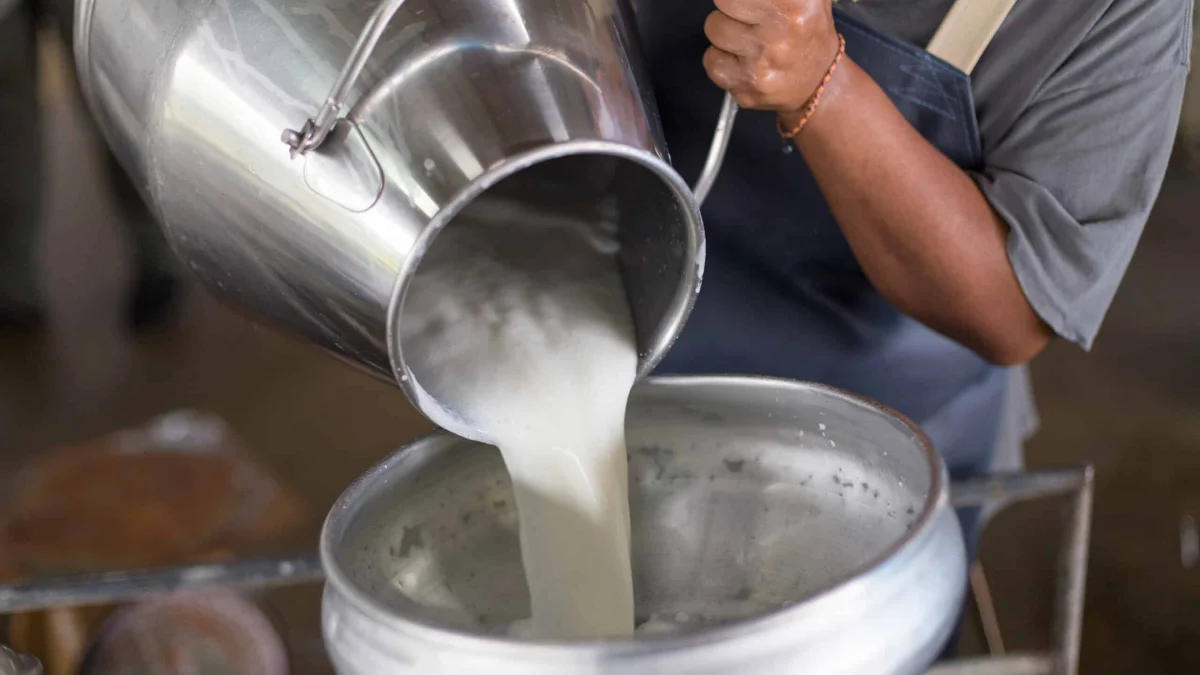
Raw dairy and contact with infected animals are preventable routes of exposure to brucellosis, a bacterial infection that can cause recurring illness. For hunters, people who handle animals and those who consume unpasteurized dairy, safer food choices and careful handling of animal products matter. Brucellosis has become uncommon in U.S. cattle, but it remains a concern in some wildlife and can still reach people through food or direct exposure.
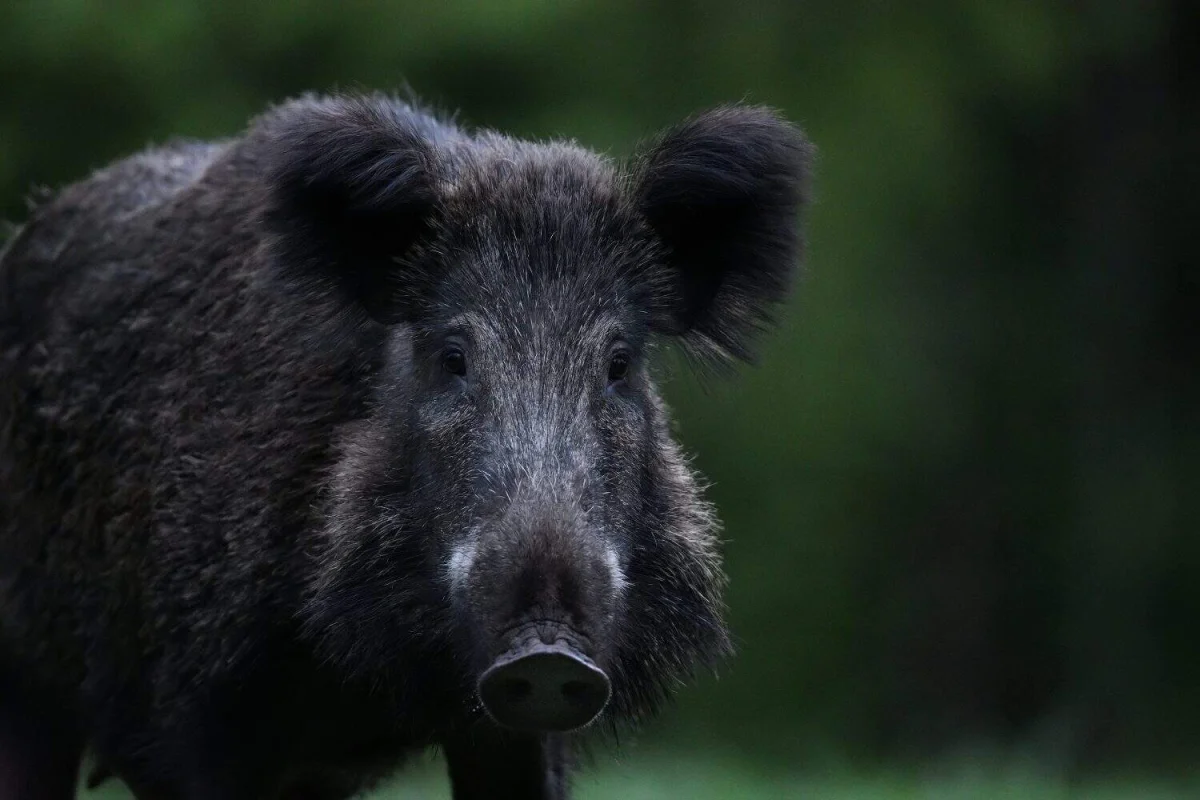
How Brucella reaches people
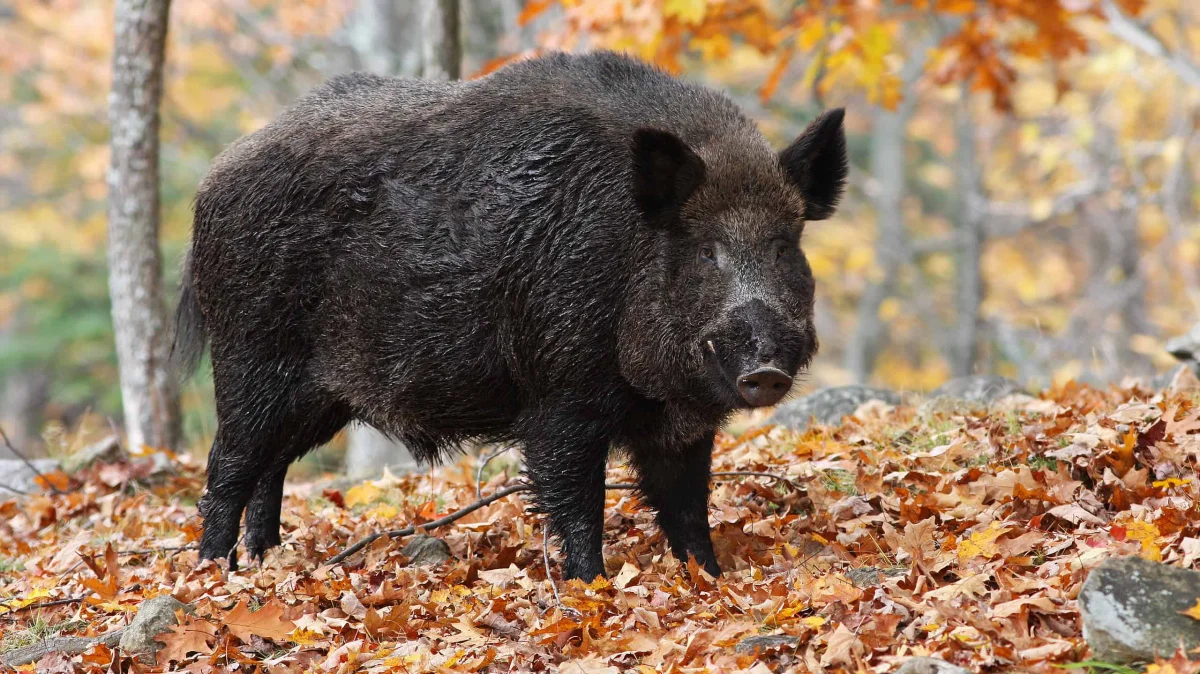
Brucellosis is caused by bacteria in the Brucella genus, which includes at least 10 recognized species associated with different animal hosts. Brucella abortus is mainly associated with cattle; Brucella suis is mainly associated with pigs, including feral hogs. Wild and domestic animals can carry these bacteria.
People may become infected by eating undercooked meat, including game, or drinking unpasteurized milk and consuming dairy products made from it. Bacteria can also enter through the eyes, nose or mouth when infected animal fluids are handled, or be inhaled during some activities. Preparing meat or hides after a hunt can create exposure. Slaughterhouse workers, hunters, veterinarians, other people who work closely with animals and laboratory staff face greater occupational exposure.
Animal vaccines and laboratory work present additional, more specialized routes: infection has occurred when vaccine material reached a person’s eyes, nose, mouth or bloodstream, and when staff worked with Brucella strains.

Symptoms may return
Fever and fatigue are common, often alongside sweating, headache, muscle pain, reduced appetite and a general feeling of illness. Symptoms can fade for weeks or months and then come back. The bacteria can persist inside immune cells, and later episodes may follow as they emerge again.
Some infections become chronic, with recurring fevers or complications such as arthritis, endocarditis (inflammation involving the heart) and spondylitis, which affects the spine and sacroiliac joints. Anyone who develops compatible symptoms after possible exposure should contact a health professional and mention the exposure. Brucellosis requires medical diagnosis and treatment. The source describes a six- to eight-week antibiotic course for some infections; treatment choices depend on the bacterial strain, so care should be directed by a clinician.
Raw milk and the RB51 strain
A small number of reported U.S. cases have involved B. abortus RB51, a live, weakened vaccine strain used to protect cattle. It usually clears from a cow’s bloodstream within three days of vaccination, but in rare cases a vaccinated animal can shed it in milk or other secretions. Investigations have linked reported human cases to raw milk, and RB51 bacteria have been found in raw milk from vaccinated cows.
Pasteurization is the practical protection for milk and dairy products. Choose products labeled pasteurized and check labels when the processing method is unclear. Children under five, adults over 65, pregnant people and people with weakened immune systems are at higher risk of serious illness from germs found in raw milk. RB51 also has a treatment complication: it is resistant to rifampin, so people with this strain cannot be treated with that drug. This is another reason to tell a clinician about raw milk exposure.
Why cattle status doesn’t tell the whole story
A U.S. eradication effort began in 1934, and brucellosis has been mostly eliminated from U.S. cattle since 2010. Wildlife reservoirs remain in the Greater Yellowstone Area, where wild bison and elk can carry infection. As of February 2026, two cattle herds and one bison herd were affected. Surveillance identifies an average of 2.7 infected cattle or privately owned bison herds per year in the area.
Wildlife can pass bacteria to livestock when animals calve or abort near grazing or feeding areas. Bringing an exposed animal into a herd is another possible route. These animal health concerns help explain why brucellosis can persist even after it has become rare in cattle across most of the country.
Practical precautions for hunters and households
Cook meat thoroughly and avoid raw milk and products made with it. Freezing, smoking, drying or pickling meat does not kill the bacteria that cause brucellosis, so those methods should not replace safe cooking.
When field dressing a feral hog, wear non-porous gloves and eye protection to reduce contact with blood and other fluids. Use a clean, sharp knife; clean and disinfect equipment afterward; and wash hands with soap and water. Avoid eating, drinking or smoking while dressing the carcass. Keep hunting dogs from direct contact with it, and don’t feed them parts of the carcass.
These routines reduce avoidable exposure while protecting both people and animals. If illness follows handling wildlife or consuming raw dairy, share that history promptly with a health professional.


