Sample No. 0263
Laos Camera-Trap Study Finds Large Mammals Keep Their Distance From Tourist Trails
Camera traps in Nam Ha recorded fewer mammal species near tourist routes, even as tourism may help support local livelihoods and deter hunting.
Tourism can make a forest safer from hunters while still making it feel less safe to wildlife. Camera-trap records from Nam Ha National Protected Area in Laos point to that tension: fewer mammal species were detected near tourist trails than in quieter parts of the forest. The findings suggest that conservation benefits from visitor income and reduced hunting risk don’t automatically mean animals will use busy areas.
What the Nam Ha cameras recorded
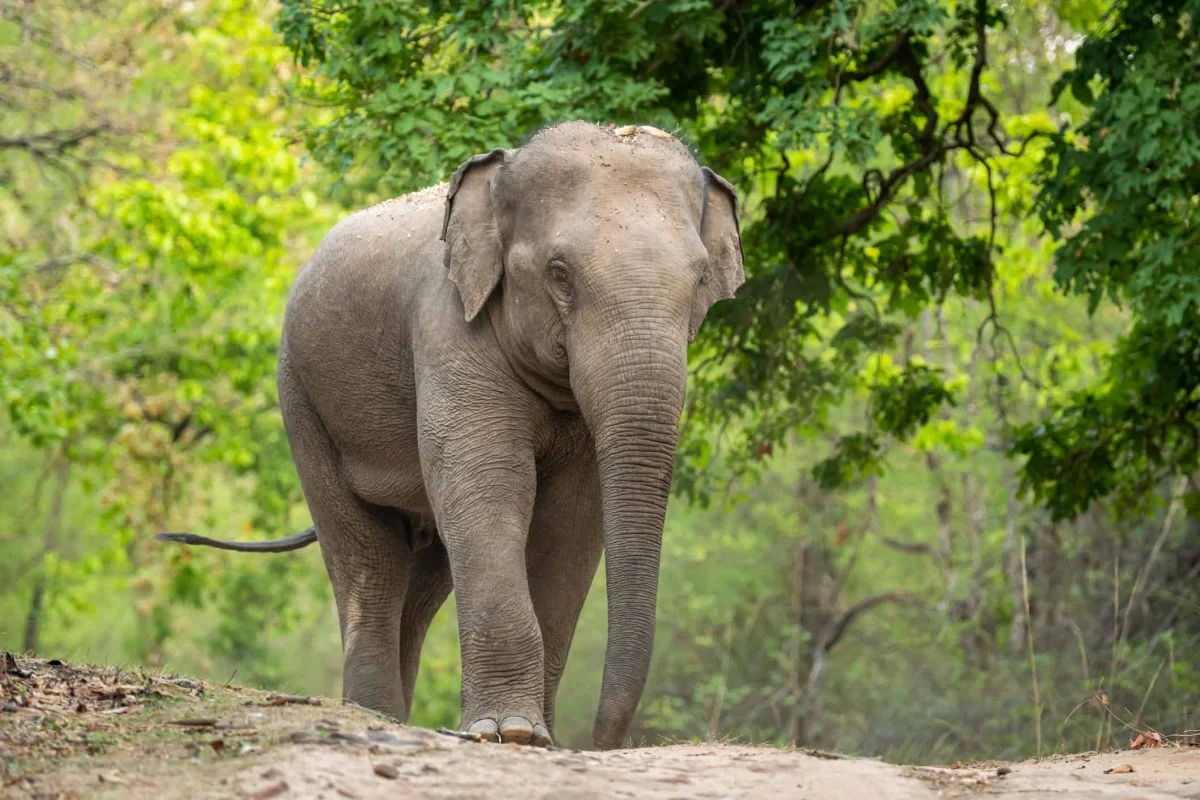
Nam Ha covers about 860 square miles and is the fourth-largest protected area in Laos. Mostly forested, it contains three major rivers that flow into the Mekong. Wildlife there includes clouded leopards, Asian elephants, tigers and muntjac deer. Hunting pressure and tree loss linked to slash-and-burn agriculture have also affected the area.
An ecotourism initiative began in 1999 with the aim of supporting communities in and around the protected area. Several villages host lodges and camps, and local residents work as guides. Tourism was also intended to encourage wildlife protection: hunters may be less willing to enter places where guides and visitors could notice their activity, and community income from wildlife tourism may strengthen local reasons to protect animals.
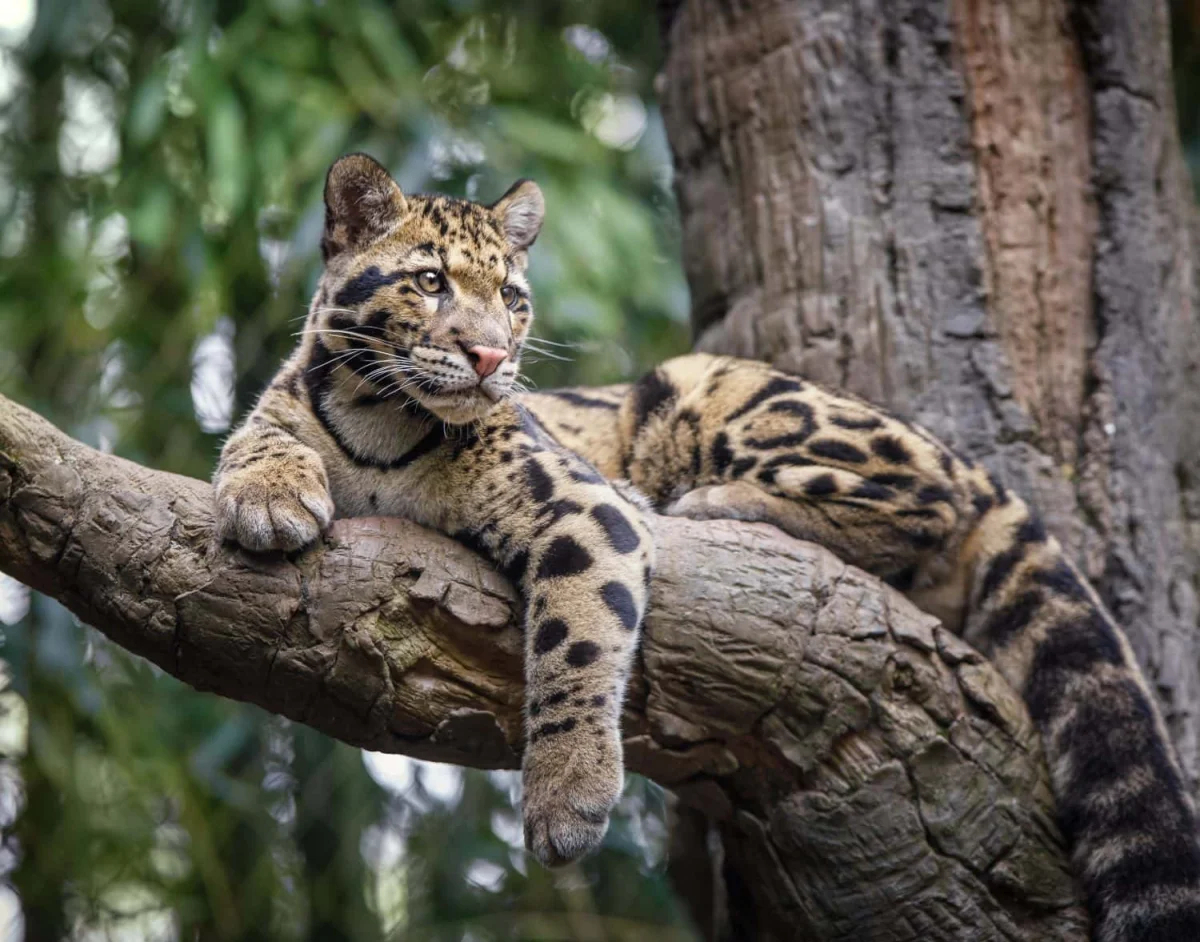
Clouded leopards live in Nam Ha Protected Area.
© jdross75/Shutterstock.com
To examine how wildlife used the area, researchers placed camera traps at 59 locations across Nam Ha between 2013 and 2019. They recorded 45 mammal species in the study, with 37 captured directly by the cameras. Sites nearer tourist trails had an average of 4.58 species detected, compared with 8.39 at sites farther from tourism. That is a substantial difference in recorded species richness, though the camera counts alone don’t establish why each animal was absent from a particular site.
Eleven species appeared only in areas without nearby tourism. They included Asian elephants and sun bears, raising the possibility that some larger mammals avoid places with regular human activity. Six species, by contrast, were detected only near trekking or tourist routes. Small mammals such as treeshrews and squirrels were among those found closer to visitors. One proposed explanation is that smaller species may benefit from fewer large predators or less competition for food in those locations.
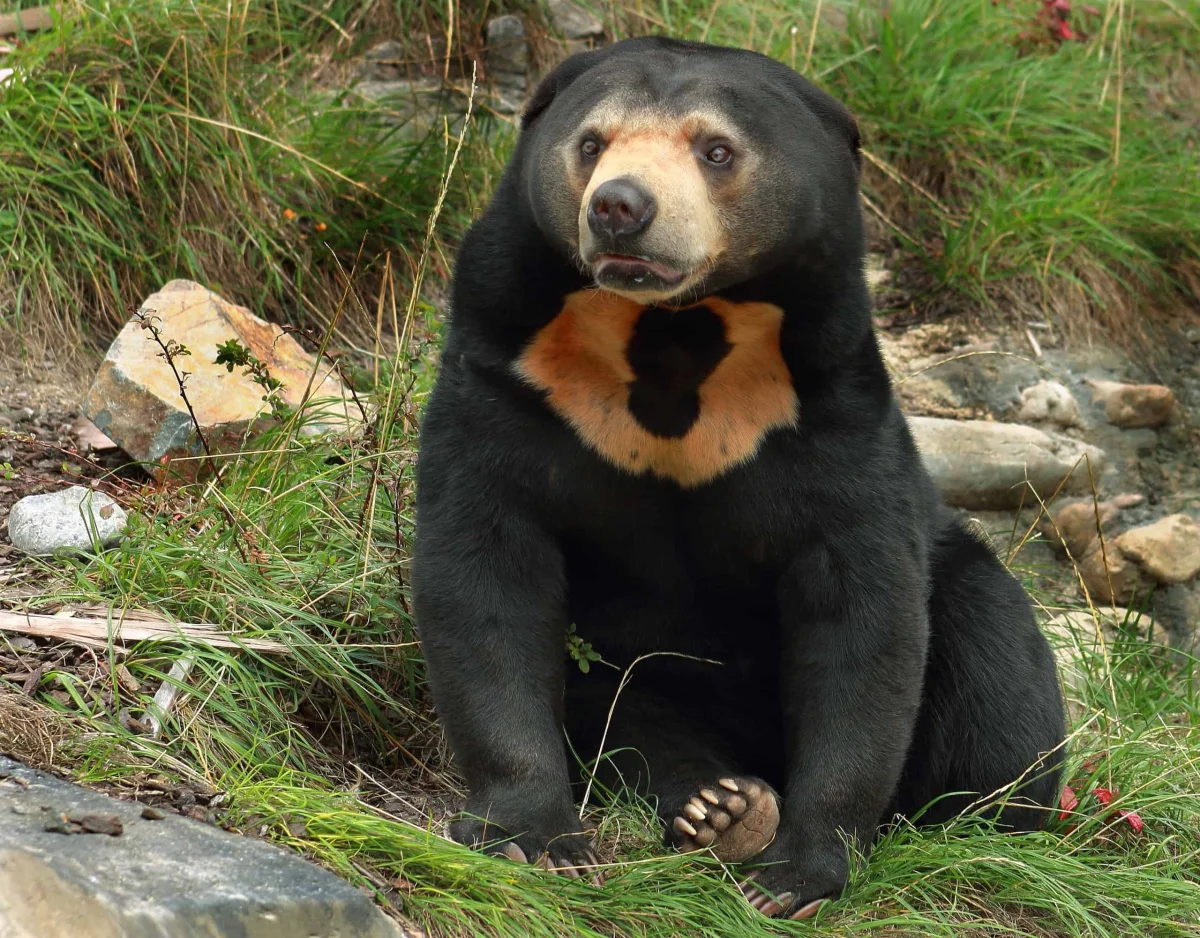
Sun bears were among the species detected only in areas without nearby tourism.
© Molly NZ/Shutterstock.com
Presence and protection can pull in different directions
A camera trap records an animal passing in front of it; it doesn’t reveal the animal’s thoughts. Still, the distribution in Nam Ha fits a plausible concern: wildlife may treat unfamiliar people as a potential threat, especially where hunting has occurred. An animal can’t reliably know whether a person on a trail is a visitor or a hunter. Even when tourists pose no direct danger, their repeated presence may influence where or when some animals move.
Research in Suriname has reported a related pattern, with many large mammals avoiding tourist areas. Jaguars and pumas in that study shifted toward greater nighttime activity, which may reduce encounters with daytime visitors. This comparison suggests that animals’ responses can involve changes in activity as well as differences in where they are detected. The Nam Ha results, on their own, do not show whether the animals changed their schedules.
For conservation teams, the practical lesson is to assess more than visitor numbers or income. Monitoring should consider which species use areas near trails, how those patterns vary over time, and whether quieter habitat remains available. Camera traps can help track those patterns, while careful trail planning and predictable visitor behavior may reduce unnecessary disturbance. The study identifies a pattern worth watching; it doesn’t establish a single solution for every species or site.
Tourism may still contribute to conservation
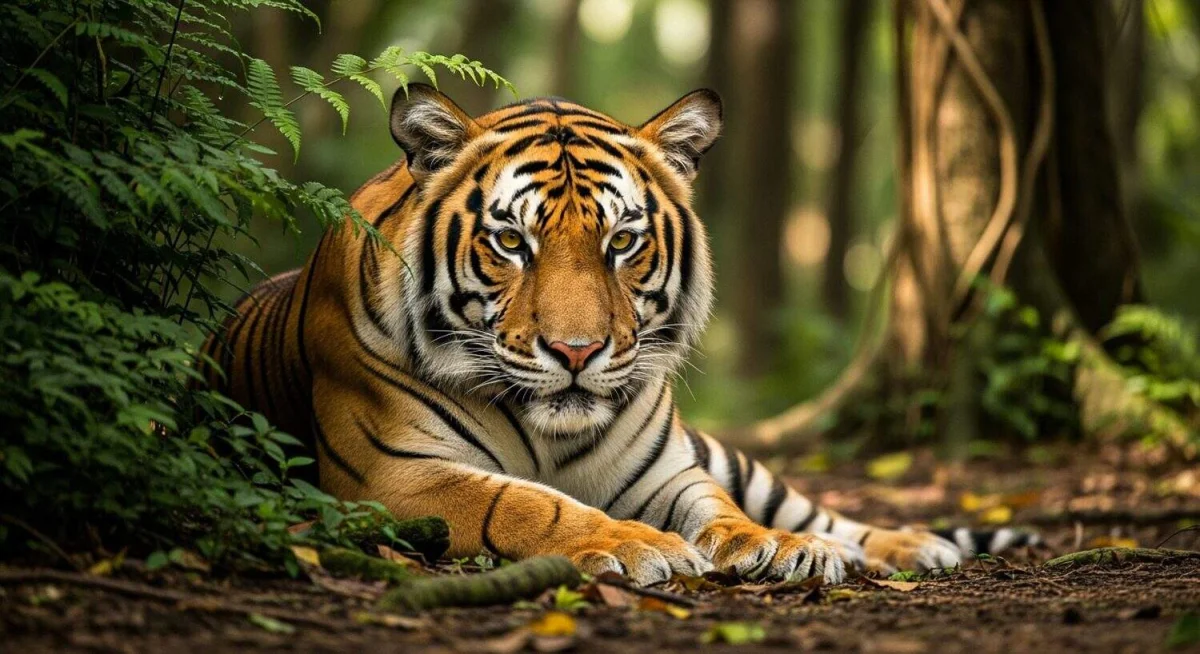
Tourism can support local livelihoods and contribute to habitat and wildlife protection.
© Savanking/Shutterstock.com
Fewer hunters were recorded near the more popular tourist areas of Nam Ha than in more remote parts of the protected area. That pattern suggests tourism may help make some locations less attractive to hunters, even if certain animals also keep their distance from visitors. A comparable effect has been reported at Brownsberg Nature Park in Suriname, where gold-mining activity was lower in areas with more people.
Tourism can also bring income to local communities. That income may reduce pressure to clear forest for agriculture and can help fund patrols or habitat management when it is directed toward conservation. These benefits matter in a place facing both hunting and tree loss. Their reach depends on how tourism is managed and whether communities and conservation work receive meaningful support.
Nam Ha’s findings don’t make ecotourism a simple success or failure for wildlife. They show that safer conditions from hunting and frequent human presence can occur in the same places, with different consequences for different species. The useful next step is to keep tracking wildlife and human activity together, so tourism can support local livelihoods while managers protect the quieter habitat that wary animals may need.


