Sample No. 0261
California Almond Pollination Depends on Millions of Managed Honey Bee Colonies
Millions of honey bee colonies travel to California for almond bloom, making colony health and pollinator habitat central to the crop’s future.
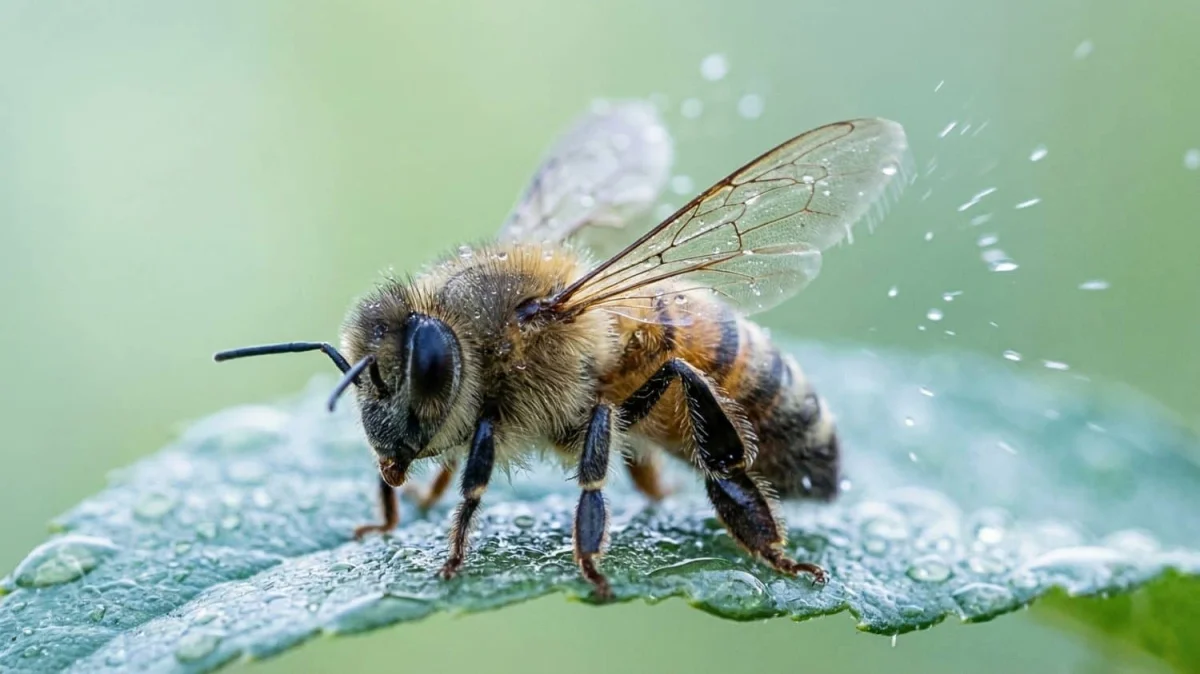
California’s almond crop depends on a brief period of intense pollination work by honey bees, and the scale of that demand sends colonies across the country each year. The arrangement supports a major crop, but long-distance transport and existing pressures on bee health make careful colony management and wider pollinator habitat important parts of the picture.
A short bloom creates a large demand
All commercially grown almonds in the United States come from California, where the Mediterranean climate suits almond trees. The state’s crop was valued at $5.66 billion in 2024. After winter dormancy from November through January, the trees flower in February, with white and light pink blooms that draw foraging bees. Pollen must move between flowers for almonds to develop, so a shortage of pollinators during bloom can affect the crop.
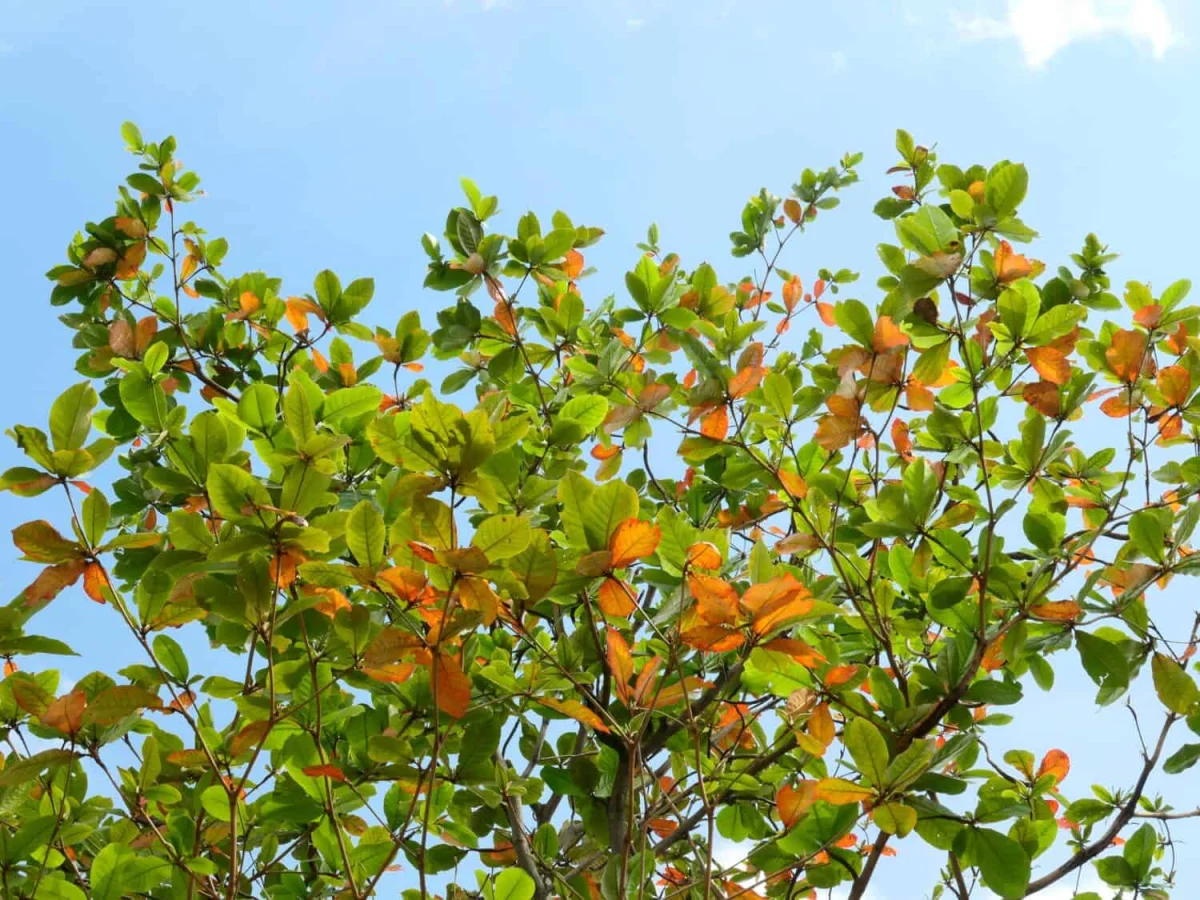
Almond trees need pollinators.
©komkrit Preechachanwate/Shutterstock.com
About 600,000 honey bee colonies are based in California, but growers use an estimated 2 million to 2.5 million colonies during almond bloom. Commercial beekeepers bring in the additional hives, and growers pay for pollination services. In 2024, almond pollination generated $325.8 million in fees, about 81 percent of total U.S. pollination service receipts, according to USDA data. That concentration shows how strongly one crop shapes demand for managed bees.
Colonies travel to meet seasonal demand
The bees used for this work are western honey bees (Apis mellifera), a species native to Europe, western Asia and Africa that is now found around the world. Workers forage in daylight, gathering nectar and pollen from flowers. Their movements between blooms make them useful pollinators for many wild plants and food crops.
Many colonies begin their journey in the Northern Great Plains, including North Dakota, South Dakota, Montana and Minnesota. Others come from nearby parts of the West and Pacific Northwest. Some travel more than 2,000 miles to reach California. After the almond bloom, many are transported back to the Great Plains, where beekeepers can support colony recovery and honey production.
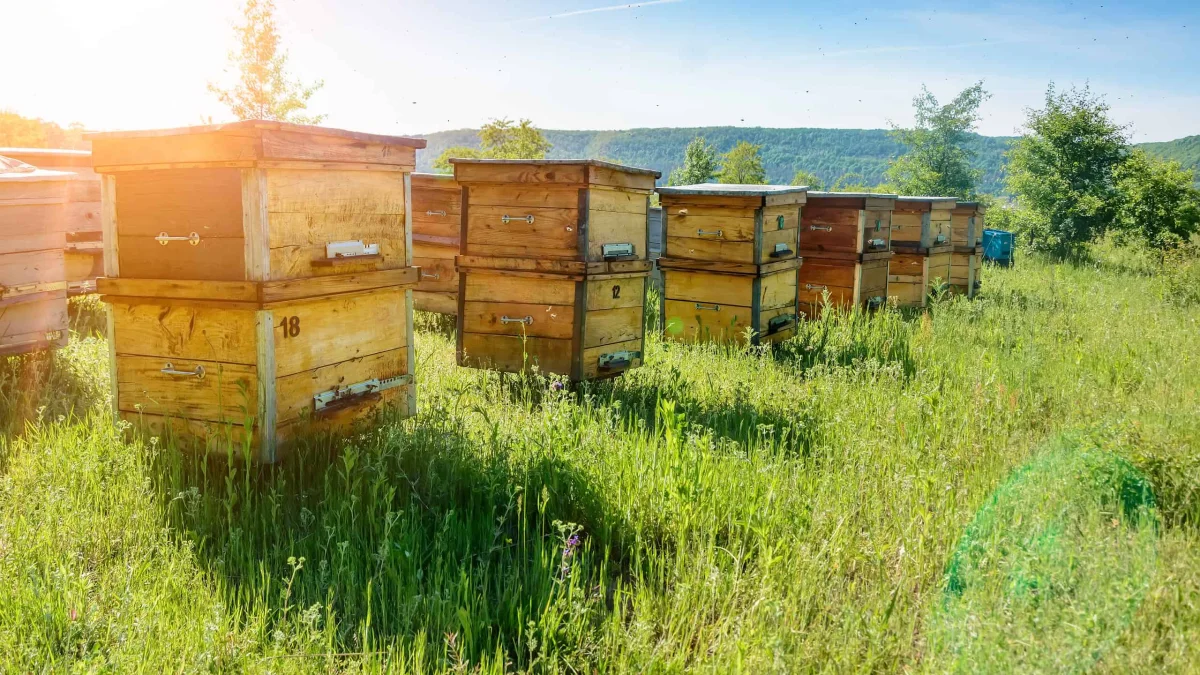
Commercial hives provide pollinating honey bees.
©kosolovskyy/Shutterstock.com
This seasonal movement connects almond growers with commercial beekeepers whose colonies also serve berries, tree fruits, vegetables, melons and seed crops. The country had an estimated 2.41 million managed honey-producing colonies in 2025. Honey bees are also estimated to add at least $18 billion to the value of U.S. agricultural production. For beekeepers, moving colonies between crops means coordinating transport and recovery with the timing of each bloom.
Loss figures mask very different outcomes
Annual surveys help track managed colony losses and the pressures that may affect bee health. The 2025–2026 US Beekeeping Survey covered April 1, 2025, through April 1, 2026, and estimated that U.S. beekeepers lost 39.9 percent of their managed colonies over that period. The prior year’s reported loss was 55.6 percent, the highest in the survey’s record. A separate industry survey estimated that about 1.6 million colonies were lost from June 2024 through March 2025, with damages exceeding $600 million.
A national average cannot show what happened to every beekeeper. Some reported no losses, while others lost all their colonies. Beekeepers may rebuild by dividing surviving hives, adding queens, or buying packaged bees or nucleus colonies. Replacement colonies can be smaller and less productive, so restoring numbers does not necessarily restore a hive’s strength right away.
Several pressures can contribute to colony losses, including parasites, viruses, poor nutrition, pesticide exposure, transport and extreme weather. The Varroa destructor mite is among the most serious threats described. It feeds on bees’ body fat and can transmit viruses. Deformed wing virus can impair flight and shorten a bee’s life; unusually high levels of this virus, along with acute bee paralysis virus, were blamed for the severe losses reported in 2025. The survey results point to an ongoing need to monitor colony health, since a reduction in the average loss rate does not mean every colony is recovering.
Habitat can support more than managed honey bees
Almond orchards also sit within a wider pollinator community that includes native bees and other pollinators. In 2021, California’s almond industry launched the California Pollinator Coalition with the California Department of Food and Agriculture and the nonprofit Pollinator Partnership. Its stated aim is to improve pollinator habitat.
Some farmers plant flowering cover crops near or within orchards to offer additional food. More diverse farm habitat can also support soil health, water infiltration and carbon capture. These steps complement the work of managed honey bee colonies by providing food and habitat beyond the almond bloom.
For a crop that depends on millions of bees arriving at a particular time, the practical priority is keeping colonies healthy through transport, bloom and recovery while improving habitat for pollinators around farms. The almond harvest begins with flowers, and its reliability depends on the condition of the bees that visit them.


