Sample No. 0260
River Blindness: How Black Flies Spread Infection and Why Parasite Death Triggers Symptoms
River blindness spreads through black fly bites, but much of its damage comes from the body’s response to dying worms. Long-term treatment has helped stop transmission in several countries.
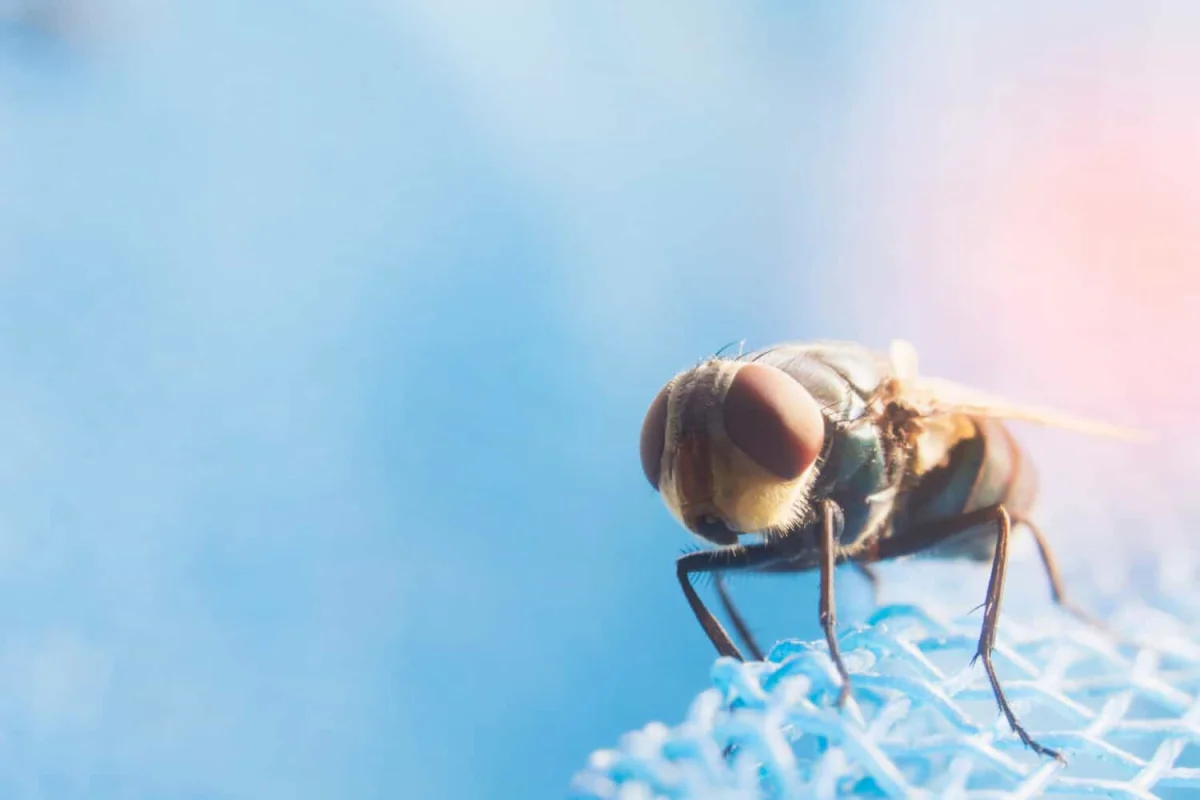
River blindness can damage skin and eyesight years after infection, and much of that harm comes from the body’s reaction to dying parasites. The disease, also called onchocerciasis, spreads through bites from infected female black flies in the genus Simulium. The flies breed beside fast-flowing rivers and streams, where people may face repeated exposure.
The scale remains substantial. At least 252.3 million people required preventive treatment, according to the World Health Organization. A 2017 estimate put the number of people infected at 14.6 million, with 1.15 million experiencing vision loss. Another estimate cited 20.9 million infections worldwide; among those, 14.6 million people had skin symptoms and 1.15 million had vision-related symptoms. These figures describe different estimates and years, but together they show that infection does not affect everyone in the same way.
How infection moves between flies and people
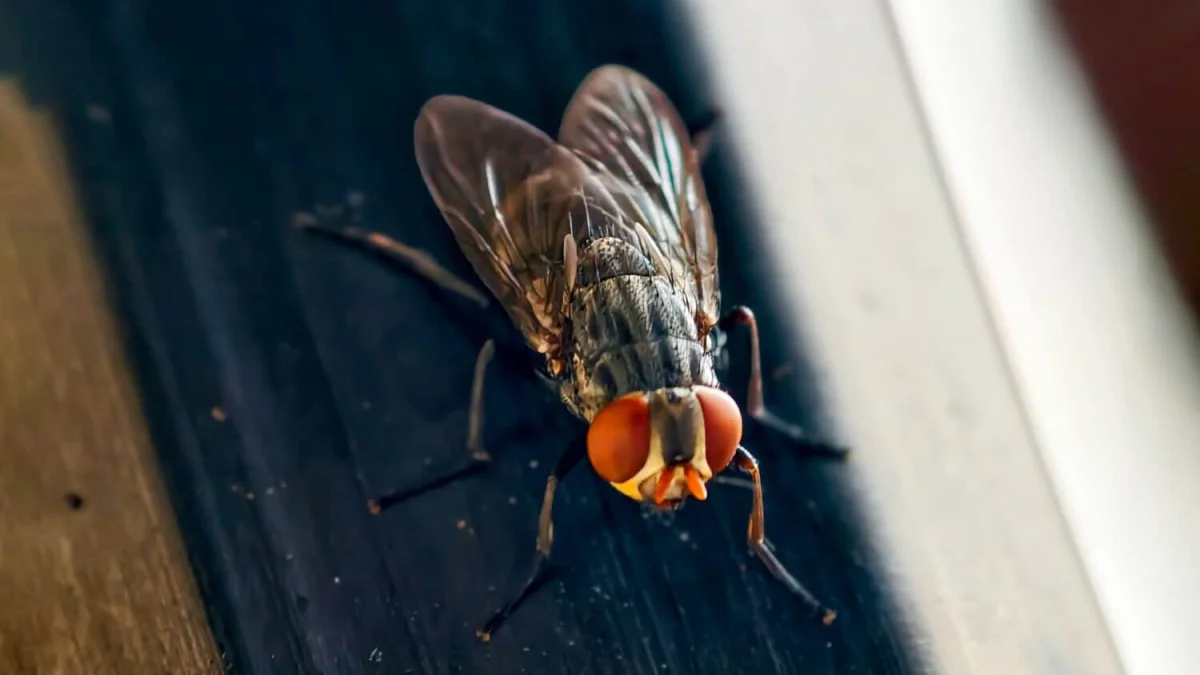
Female black flies in the genus Simulium can transmit the worms that cause river blindness.
© Aiolhoz/Shutterstock.com
Black flies depend on running water to reproduce. Females lay eggs in currents, and their larvae cling to rocks and other surfaces while feeding. That habitat brings the flies into contact with people who live or work near rivers and streams.
The parasite, Onchocerca volvulus, needs both humans and black flies to continue its life cycle. When an infected fly bites someone, it deposits parasite larvae into the skin. As the larvae mature, they develop into adult worms, often within nodules under the skin. Adult worms produce more larvae, called microfilariae, which move through skin and eye tissue. A fly can take up these larvae when it bites an infected person, allowing the parasite to spread to another host. The transmission cycle between flies and people can continue in places where infected people and flies overlap.
Larvae can take six to 12 months to mature into adult worms. They may travel through the body for as long as two years. The parasites’ presence alone doesn’t account for the most serious damage: when larvae die, the resulting inflammatory response can injure surrounding tissue. In areas where transmission is high, people may receive tens of thousands of black fly bites in a year. Repeated exposure can raise the chance of infection and its effects.
Symptoms may take years to appear
Some people with onchocerciasis have no noticeable symptoms, while others develop severe itching, swelling, rashes, or changes in skin pigmentation. Pigmentation may become darker or lighter in affected areas. Other possible skin changes include thinning or atrophy, nodules beneath the skin, and enlarged lymph nodes that can contribute to a hanging groin.
When the eyes are affected, symptoms can include pain, redness, lesions, and clouding of the cornea. Vision may become impaired, and severe damage can lead to permanent blindness. Because symptoms can develop gradually, a person may not connect later skin or eye problems with earlier exposure to black flies.
Persistent or severe itching, swelling, changing skin, eye pain, redness, or any change in vision warrants medical attention. These signs have several possible causes, so a clinician needs to assess them rather than relying on symptoms alone to identify the disease.
Long-term treatment has reduced transmission

Niger became the first country in the World Health Organization’s African Region verified as having eliminated onchocerciasis transmission in 2025.
© Chinedu Chime/Shutterstock.com
There is no vaccine for river blindness. One key tool in reducing its spread has been ivermectin, an antiparasitic medicine that kills microfilariae in people and temporarily prevents adult female worms from producing larvae. It was approved for human use in the mid-to-late 1980s. Merck established the Mectizan Donation Program in the same period to provide the medicine free of charge for as long as needed.
Treatment must be repeated over many years because adult worms can live for a long time. The source describes ivermectin treatment at least once a year for 10 to 15 years, a duration intended to match the adult worms’ lifespan. Repeated treatment can reduce the number of larvae in people and interrupt opportunities for flies to pick them up. That makes consistent access and continued follow-up central to efforts in areas where transmission persists.
The Onchocerciasis Control Programme began in 1974 and eventually covered 30 million people across more than half a dozen African countries. Later, several countries in the Americas reached verified elimination: Colombia in 2013, followed by Ecuador, Mexico, and Guatemala. In 2025, Niger became the first country in the World Health Organization’s African Region verified to have eliminated transmission.
Those milestones show what sustained treatment and surveillance can achieve, while also making clear that progress depends on continued attention in places where infection remains. For people living near fast-flowing waterways, reducing transmission means maintaining treatment efforts over time and seeking medical assessment for persistent skin symptoms or any eye changes.


