Sample No. 0243
Olive the Denver Parakeet Shows How Close Bonds Shape a Pet Bird’s Day
Olive’s viral videos feature laptop naps and constant cuddles. Her story also highlights the companionship and daily care that social birds need.
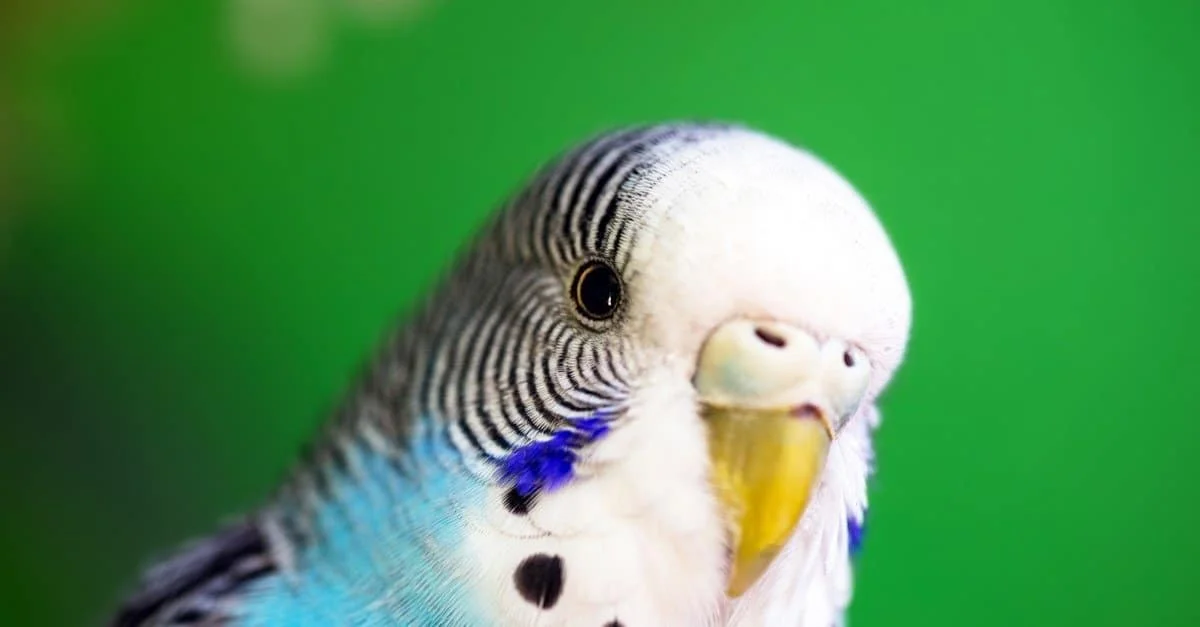
Olive’s most recognizable habit is also a glimpse of what she values: staying close to her people. The small green parakeet from Denver has drawn more than 40 million views across social media, with clips of her cuddling and settling on a laptop. Her popularity grew from ordinary moments at home, but the attention also puts a useful question in view: how can people welcome a social bird’s company while meeting its needs safely?
Olive lives with Heather and Heather’s roommate, Lexi Kleid, near Washington Park. Heather often took pictures of her, and someone in the household eventually shared a video. More clips followed, then animal storytelling site The Dodo featured Olive, and brand deals came later. When a news crew visited, Olive had her own agenda and didn’t sit still for the shot they wanted. That small disruption seems fitting for a bird whose appeal rests on her unscripted closeness with her household.
A social bird with a familiar flock
Heather and Kleid describe Olive as a full member of the household. She likes to cuddle and, by their account, would spend much of the day touching someone if she could. The household compares her to a dog and calls her a “free-range chicken” because she is rarely in a cage. Those descriptions convey how involved she is in daily life; they shouldn’t be taken as a care plan for every parakeet.
Parakeets, also known as budgerigars, are social birds. In the wild, they live with others of their kind, and close companionship is part of their lives. A pet bird may form a strong relationship with people around it, especially when it lives without other birds. That can help explain why Olive follows her household and settles beside someone at a laptop. From her point of view, the laptop may simply be where a familiar person is spending time.
Still, one bird’s affection doesn’t tell us what every bird wants. Temperament and comfort vary, and a bird that enjoys contact should be allowed to choose it. Owners can watch whether their bird approaches, stays relaxed and returns for more interaction. If it moves away or seems uncomfortable, give it space. Gentle, voluntary contact makes companionship more respectful and helps people learn an individual bird’s preferences.
Make closeness safe and predictable
When a bird likes being near people, everyday routines can provide company without making the bird’s safety an afterthought. Supervise time outside the cage, keep the bird away from active cooking and other household hazards, and check that doors and windows are secure before letting it move freely. A laptop can be a convenient perch, but the screen, keyboard and nearby cords aren’t designed as a bird’s play space. An owner can offer a safe perch nearby so the bird can stay close while the person works.
Touch should be guided by the bird’s comfort. People can invite a bird to approach, give it time to respond and avoid grabbing or forcing contact. Short, calm interactions spread through the day can help a bird take part in household life while still having quiet places to retreat. A bird needs room to rest, move, explore and engage with suitable toys and activities, as well as time with people. Constant access to a person isn’t a substitute for a safe environment and attentive care.
Social contact matters, but it doesn’t mean every parakeet should be kept alone or that human attention meets every bird’s needs. Decisions about keeping birds together depend on the animals and their circumstances. Anyone considering a companion bird can ask an avian veterinarian about the needs of the species and the individual bird before making a change. A qualified professional can also help owners assess housing, diet and enrichment as part of a broader care routine.
Popularity doesn’t change the bird’s needs
Olive’s reach is striking: more than 40 million views across social media turned a household pet into a widely watched personality. Her story grew from images and videos her family shared, then reached a larger audience through further coverage. Views and brand deals describe the scale of that attention, but they don’t show whether a bird is comfortable or well cared for. Those judgments belong in the everyday details: safe surroundings, suitable food, opportunities to move and rest, and interactions that respect the bird’s signals.
The available account gives a few physical details: Olive is roughly seven inches tall and weighs between one and one and a half ounces. Those measurements help explain why she appears so tiny beside a laptop, but they don’t replace individual veterinary care. If a bird’s behavior, appetite, movement or appearance changes, an avian veterinarian can advise whether it needs attention. Owners should seek that guidance rather than assuming a change is simply part of the bird’s personality.
Olive’s lap and laptop visits may look like the whole story, but the lasting takeaway is more practical: a social bird needs companionship that works on the bird’s terms. Build safe places for it to perch, let it choose when to interact and keep its daily care in view as its audience grows. The best measure of a bird’s comfort is its welfare at home, not the number of people watching.


