Sample No. 0244
Common Kingfisher’s Fast Dive Shows the Skill Behind a Fish Catch
A common kingfisher’s plunge is over in seconds, but accurate aiming and specialized hunting behavior make each catch a feat of precision.
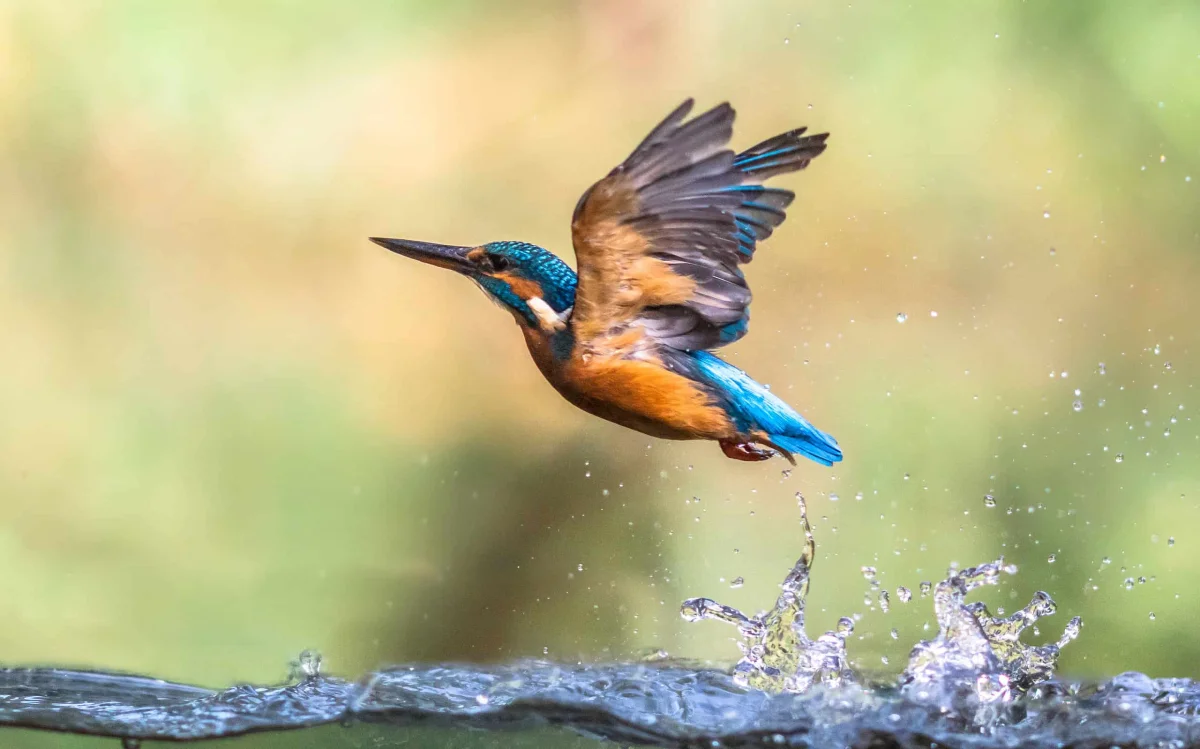
A common kingfisher’s fish-catching dive lasts only moments, but it depends on a chain of precise actions: spotting prey, judging where it is beneath the surface, and entering the water in pursuit. The bird in the video makes that sequence look swift and simple. For a small hunter, it’s a highly specialized way to find a meal.
A hunt that starts from a perch
Common kingfishers (Alcedo atthis) are generally about 6 to 7 inches long. Their vivid blue and orange plumage makes them conspicuous against a riverbank, though their hunting strategy relies on more than a striking appearance. They use sharp vision to watch for small fish from a branch or another perch above a river, pond, or stream.
That elevated position gives the bird a place to search before it commits to a dive. When it spots a possible catch, it plunges toward the water, commonly leading with its beak and drawing its wings back. The bird has to move between air and water in one quick motion, then emerge with prey if its aim is right.
Seeing the strike happen so quickly can obscure the challenge: a fish beneath the surface doesn’t appear exactly where it is. Light changes direction as it passes from air into water, shifting the apparent position of submerged objects. The kingfisher must account for that visual effect when choosing its target. A small error can mean a missed fish and another wait from the perch.
What researchers are investigating
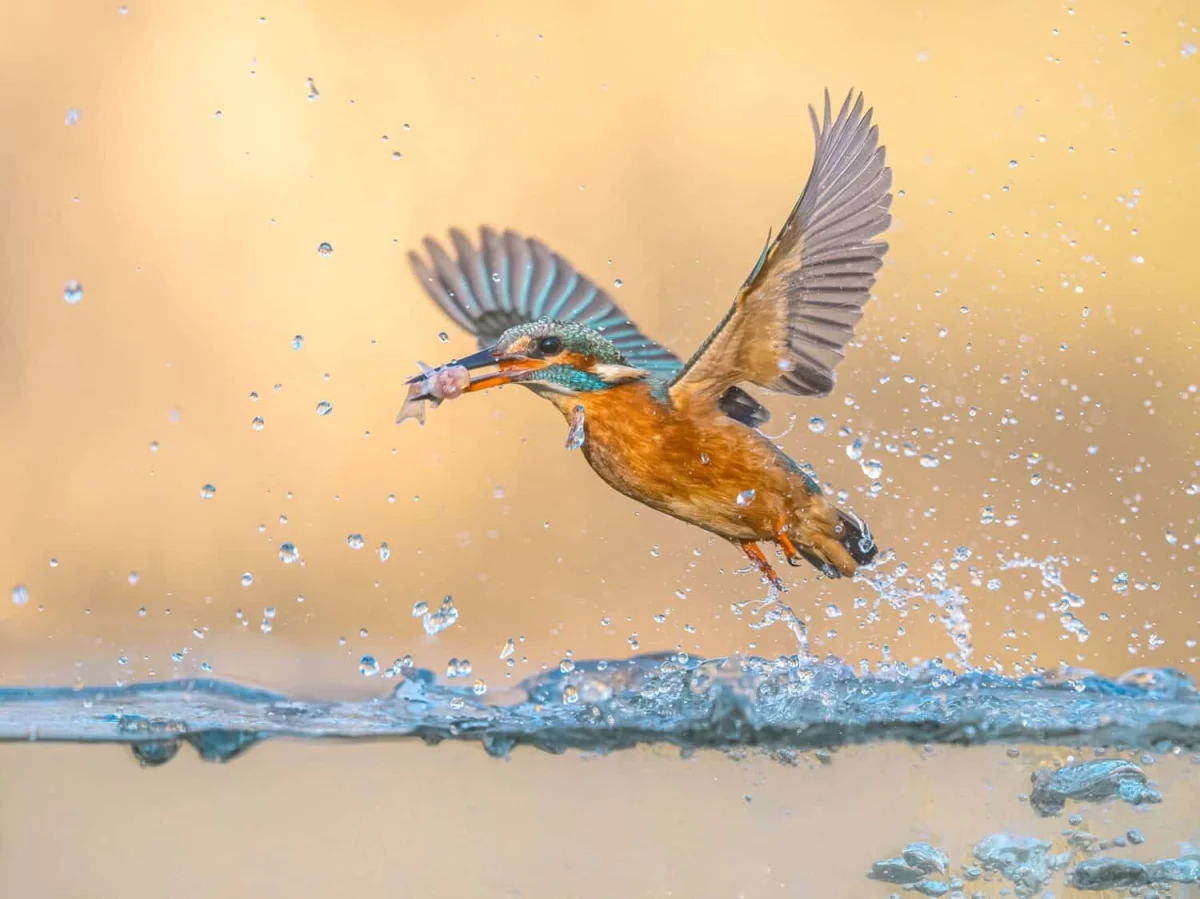
©Rudmer Zwerver/Shutterstock.com
Plunging headfirst into water repeatedly puts unusual demands on a bird’s body. Researchers have looked at whether evolutionary changes help some kingfishers cope with the forces involved. A 2023 study published in Communications Biology examined the genomes of 30 kingfisher species, searching for genetic patterns linked with plunge-diving.
The researchers found patterns involving brain function, vision, and other biological processes. One gene of interest is involved in producing tau proteins, which support structures inside nerve cells. These results point to possible adaptations associated with plunge-diving, but they don’t show that one gene or body structure fully prevents brain injury. The findings are clues about how these birds may have adapted, rather than proof of a complete protective mechanism.
That distinction matters when interpreting a dramatic dive. A bird’s success on camera shows a hunting behavior in action; it doesn’t reveal the full biology that supports it. Genome research can help identify where further questions lie, while the connection between particular genetic patterns and protection from repeated impacts still needs careful study.
The catch still needs handling
Landing a fish doesn’t end the work. Common kingfishers typically return to a perch with their prey. They may strike the fish against a branch to subdue it, then adjust its position in the beak and usually swallow it headfirst. The familiar plunge is just one stage in a feeding routine that includes securing and orienting the catch.
Small fish make up most of the common kingfisher’s diet. The birds also eat aquatic insects, crustaceans, and, occasionally, other small aquatic animals. Their hunting grounds need to provide both prey and suitable places to watch the water, which helps explain why perches are part of the scene as much as the dive itself.
One family, varied hunting styles
Common kingfishers occur across much of Europe and Asia, as well as parts of North Africa. Northern populations may move south in winter if freezing conditions make their usual feeding areas inaccessible. For birds that depend on open water to find fish, seasonal changes can affect where they can hunt.
The common kingfisher’s plunge is not the only way members of its family get food. The kingfisher family includes more than 100 species, and some hunt insects, reptiles, or other prey on land. A diving fish hunter is one expression of a much wider range of feeding habits.
For the bird in the video, the sequence is brief: watch, aim, dive, and return with a fish. What looks effortless is built on practiced behavior, keen sight, and a precise judgment of where prey lies beneath the water. The next successful dive begins with the same careful pause above the surface.


