Sample No. 0233
Dog Won’t Eat Dry Food? Check Health First, Then Try These Feeding Changes
A sudden appetite change can signal illness. If your dog is otherwise well, fresh kibble, warm water and a steady meal routine may help.
When a dog stops eating dry food, the first decision is whether the change points to a health problem or a feeding preference. A dog that refuses kibble but eagerly eats treats may have learned to hold out for something tastier. A dog that turns away from all food, seems unwell, or has stopped eating for more than a day needs veterinary attention.
That distinction matters because food changes won’t fix mouth pain, nausea or another illness. For a dog that remains bright, drinks normally and eats other foods, simple adjustments to freshness, texture and mealtime routine may restore interest without turning every meal into a negotiation.
Start with three checks
Before trying a new recipe or adding a topper, consider how long your dog has gone without food, what else they will eat and whether anything about their health or behavior has changed.
- How long has it been? A healthy adult dog may skip a meal. More than 24 hours without food is a reason to call a veterinarian. Puppies, senior dogs and toy breeds may need attention after just one or two missed meals.
- Will your dog eat other things? A dog that turns down kibble but accepts treats or table food has an appetite, though the pattern may be reinforced by those alternatives. Refusing treats as well as meals is more concerning.
- Are there other signs? Vomiting, diarrhea, lethargy, drooling, weight loss, unusual stomach noises, pawing at the mouth or a change in drinking can point to a medical issue.
If illness signs are present, or your dog has eaten nothing for 24 hours, contact your veterinarian instead of trying to solve the problem with food. A dog that is listless and won’t eat or drink needs to be seen today. Keep fresh water available, and seek veterinary advice if your dog stops drinking or drinks much more than usual.
A brief food diary can help you spot patterns and give your veterinarian useful details. Write down what you offered, what your dog ate and when. Note changes in energy, stool, water intake and weight too.
When kibble refusal may signal a health problem
A sudden refusal is more concerning in a dog that usually eats well than in one that has always been selective. Dental disease, a broken tooth, mouth sores, nausea, stomach upset, pain elsewhere in the body, fever and other illnesses can all reduce appetite. Crunchy food may be the first thing a dog with a sore mouth avoids.
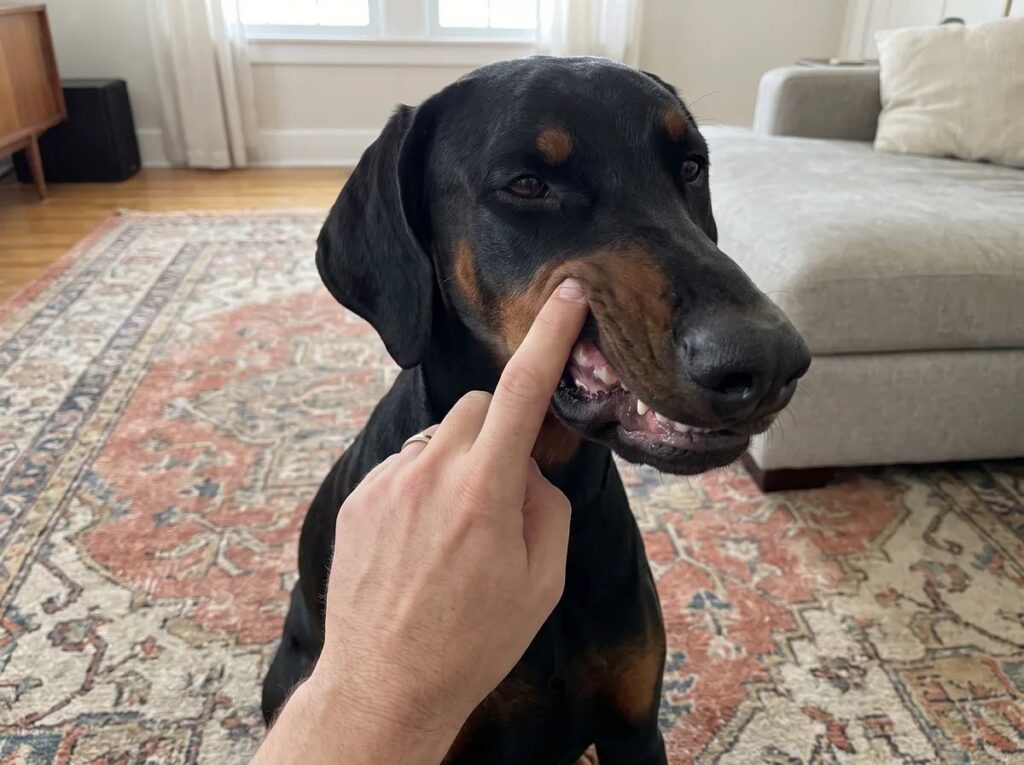
Watch what happens at the bowl. A dog that approaches, picks up kibble and drops it, chews on one side, or paws at the mouth may be uncomfortable. Lift the lips only if your dog is comfortable with it, and look for redness, swelling, bleeding, broken teeth or heavy tartar. Drooling, repeated lip licking, hard swallowing or eating grass can also help describe what you’re seeing to your veterinarian.
Check whether your dog is drinking and passing urine and stool as usual. If you can, keep track of weight; unexplained weight loss always deserves a veterinary examination. Lethargy matters even if your dog is still eating and drinking, and a pregnant dog or a dog with a diagnosed illness may need an individualized feeding plan from a veterinarian.
Call your veterinarian today if your dog has had no food for 24 hours, is vomiting or has diarrhea, seems lethargic, won’t drink, has a swollen belly, or is a puppy, senior or toy breed that has skipped one or two meals. If a dog is not eating or drinking and is lying listlessly, arrange urgent veterinary care rather than changing the menu.
Why a healthy dog may turn away from kibble
Many dogs that reject kibble still show plenty of interest in food. Treats, chews and table scraps can fill them up before meals. They can also teach a dog that ignoring the bowl brings something more appealing. In that pattern, the dog may be selective about what’s offered rather than lacking appetite.
Other everyday factors can lower interest. A bowl left out all day makes meals less distinct. Kibble that has been open for a long time can lose its aroma, and its fats can become rancid if it’s stored in heat or left exposed to air. A sudden food change, a new bowl or a different feeding place can unsettle a sensitive dog.
Stress may have a similar effect. A move, a new pet, visitors or a changed household routine can dull appetite for a few days. Some dogs eat only when someone is nearby; if they eat normally when their person returns, the pattern may be behavioral. Hot weather and less activity can also reduce how much some dogs want to eat. A dog that skips breakfast but eats well later may simply not be hungry in the morning, provided their weight stays steady and they otherwise seem well.
Pay attention to changes in texture preference. A dog that accepts soft food but drops kibble, chews differently or paws at the mouth may have dental or mouth pain, so check with a veterinarian before treating the behavior as fussiness. If you’ve recently changed foods, a gradual transition is more likely to go smoothly than an abrupt switch.
Tell pickiness from a broader appetite change
A picky dog may refuse kibble but eat treats or people food, keep normal energy, drink and pass stool normally, and maintain a steady weight. A dog with a broader appetite problem may refuse treats too, lose energy, vomit, have diarrhea or lose weight. No food for more than 24 hours is a veterinary concern even if you suspect your dog is simply holding out.
Puppies, senior dogs and toy breeds need closer attention when they miss meals. Don’t wait several days to see whether a dog will give in. If the appetite change is sudden, other symptoms appear or you’re unsure what you’re seeing, call your veterinarian.
For a dog that fits the healthy, selective pattern, give one feeding plan time to work. Offering a different food after every refusal can teach a dog to keep waiting for a better option. Judge the pattern over several days rather than reacting to a single meal.
Try simple changes in order
Start with the easiest adjustments and change one thing at a time. That makes it easier to tell what helps.
- Check the kibble’s freshness. Open a fresh bag if the current food has been exposed to air for a long time, smells stale or has been stored in heat.
- Store it well. Keep kibble in its original bag, sealed inside an airtight container. Use it within a few weeks of opening and clean the container between bags.
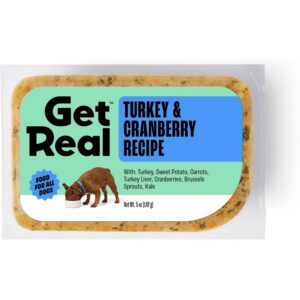
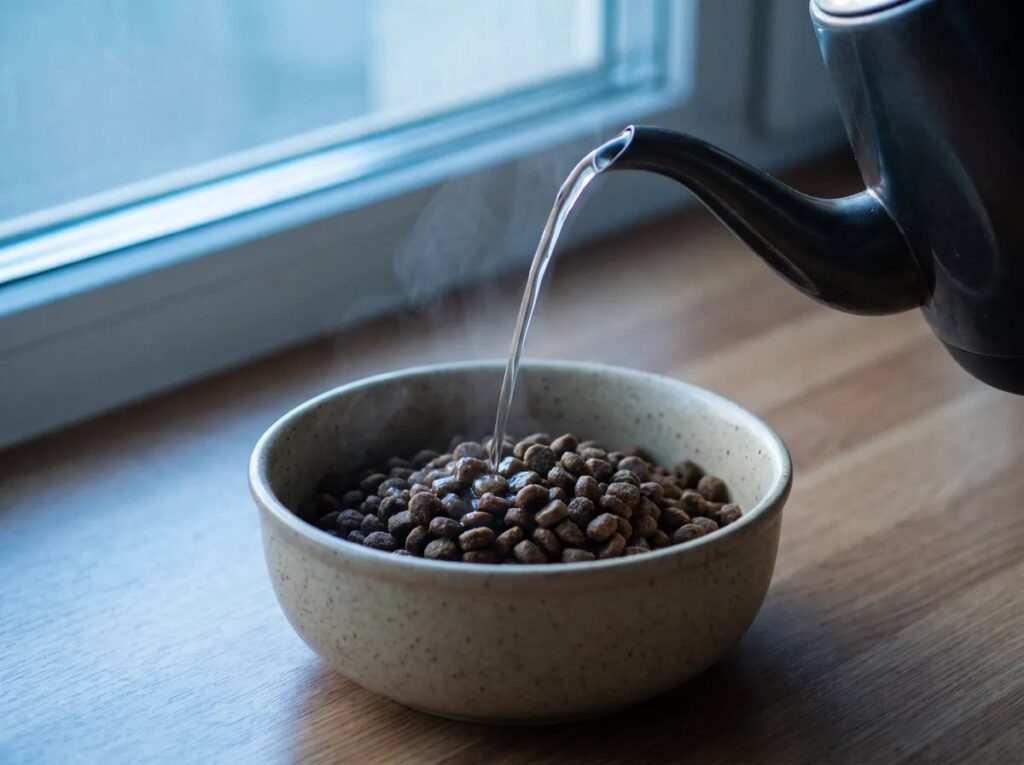
- Add warm water. Stir a few tablespoons of warm, not hot, water into the kibble and let it sit for a few minutes. This softens the pieces and releases more aroma.
- Set meal times. Offer food at consistent times, then pick up the bowl after 15 to 20 minutes. Don’t leave it out for grazing.
- Reduce treats and scraps. Treats should make up about 10 percent of daily calories. During a feeding reset, avoid table scraps and ask everyone in the household to follow the same plan.
- Consider a small topper. If the simpler changes haven’t helped and your dog is otherwise well, mix a small spoonful of complete, balanced fresh food into the kibble.
Moistened kibble should not sit out for hours. Pick up any softened food your dog doesn’t eat. If the bag’s smell seems off, discard it rather than trying to disguise it.
| Change | What it may help with | Suggested trial |
|---|---|---|
| Fresh bag, sealed storage | Stale or poorly stored kibble | Start today |
| Warm water | Low aroma or a preference for softer food | 3 to 5 days |
| Scheduled meals | Grazing and weak mealtime routine | 1 to 2 weeks |
| Fewer treats and no table scraps | Learned selectivity | 1 to 2 weeks |
| Small fresh topper | Low interest in food in an otherwise well dog | 1 to 2 weeks |
Make meals calm and predictable
Feed at consistent times, usually twice daily for adult dogs. Choose a quiet place where other pets won’t crowd the bowl or steal food. Put the meal down for 15 to 20 minutes, then pick it up until the next scheduled meal. A short walk or play session before eating may help, as long as your dog has time to settle first.
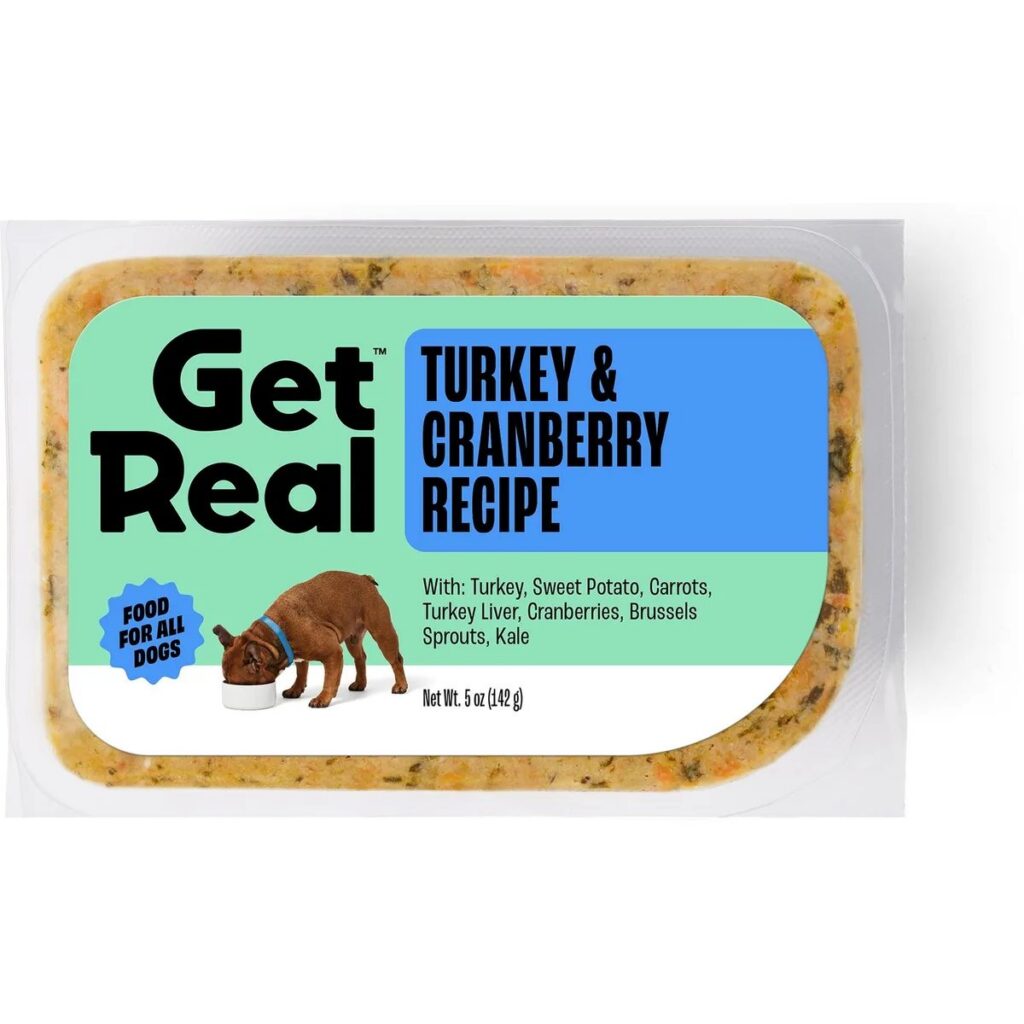
Keep your response calm. Hovering, coaxing or hand feeding can turn meals into a drawn-out exchange. Some dogs do need company to eat, and stress can affect appetite, especially after a move or a change at home. Offer quiet, predictable meals and contact a veterinarian if your dog hasn’t eaten within about 24 hours.
Everyone in the household needs to follow the same routine. If one person gives scraps after the dog refuses a meal, the dog may learn that waiting pays off. Keep a simple log for the first week, including meals, treats and any toppers.
Use a topper thoughtfully
A small spoonful of fresh food can add moisture and aroma to a bowl for a healthy dog that continues to ignore kibble. It’s an option for restoring interest, not a treatment for illness. Choose a food that is complete and balanced if you’re considering it as more than a small addition, and reduce the kibble portion slightly so daily calories stay steady.
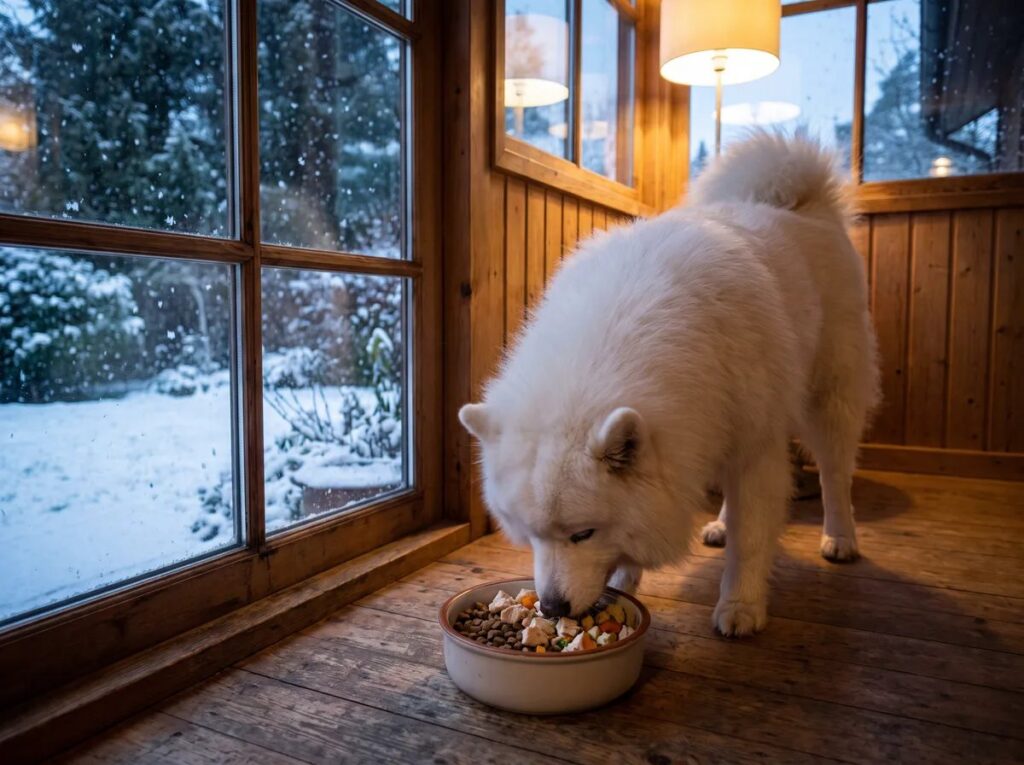
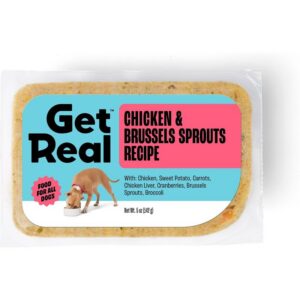
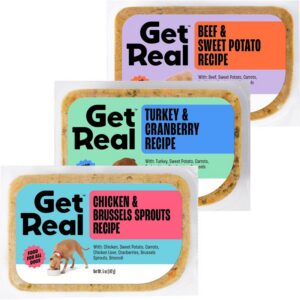
The source describes Get Real as a gently cooked, frozen food with no more than 10 ingredients plus vitamins and minerals, and says its recipes meet AAFCO nutrient profiles for all life stages. It comes in 5-ounce mixer packs and larger 12- and 24-ounce packs. If trying different proteins, a sampler with beef, chicken and turkey recipes can help identify a preference.
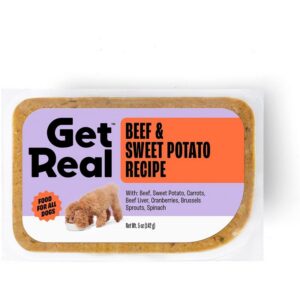
Start with a small spoonful mixed thoroughly through the kibble. That makes it harder for a dog to eat only the topper. A recipe such as chicken with Brussels sprouts may appeal to a dog that likes familiar flavors; beef with sweet potato, carrots and beef liver offers another option. Turkey with cranberry is described as more calorie dense than the other recipes mentioned, so a little can go a long way.
Follow safe handling directions for fresh food. Thaw it in the refrigerator, allowing 12 to 24 hours for 5- and 12-ounce packs, and 35 to 48 hours for 24-ounce packs. Keep opened food sealed in the fridge and use it within 3 to 5 days. Don’t leave topped food sitting out for more than two hours at room temperature; discard leftovers that have been out longer.
If you need to change foods
A healthy dog may simply dislike a particular kibble. If freshness, texture and routine changes haven’t worked, switching to another complete and balanced food is reasonable. Make the transition gradually over 7 to 10 days. Dogs with sensitive stomachs may need 10 to 14 days.
If you’re considering fresh food as the full diet, use a complete product and follow its feeding guidance for your dog’s weight, age, breed and activity. You can also keep fresh food as a topper, but the amounts should fit into the overall feeding plan.
Assess a new food over a few weeks. Steady appetite, good energy, firm stools and stable weight are useful signs that the plan is suiting your dog. If appetite drops again, especially alongside illness signs, return to the health check and contact your veterinarian before making another food change.
Common questions about dogs refusing dry food
How long can a dog go without eating? A healthy adult may skip a meal, but call a veterinarian if your dog has eaten nothing for more than 24 hours. Puppies, seniors and toy breeds may need attention after one or two missed meals. Vomiting, diarrhea or lethargy calls for prompt veterinary advice.
Can stress affect a dog’s appetite? Yes. Moving, boarding, visitors, a new pet or another household change may reduce appetite for a day or two. Keep meals quiet and consistent, and call your veterinarian if your dog hasn’t eaten within about 24 hours.
Will a dog starve rather than eat food they dislike? A healthy adult may briefly refuse a food they don’t want, but don’t wait days to see what happens. More than 24 hours without food warrants a veterinary call, and puppies and small dogs need attention sooner.
Can dogs eat only dry food? Yes, if the kibble is complete and balanced for the dog’s life stage. A topper is optional; it can add moisture or interest but isn’t required for good nutrition.
What if my dog won’t eat or drink and just lies there? That combination needs veterinary care today. A food change won’t address the cause, and not drinking adds concern. Keep fresh water available while arranging care.
The practical rule is simple: check for illness first. If your dog is bright, drinking and willing to eat other foods, give fresh kibble, warm water and a consistent routine a fair trial. If the refusal persists or your dog’s health changes, contact your veterinarian.


