Sample No. 0217
A Clearer Care Pathway Helps Senior Pets Stay Comfortable
Personalized visits, practical home support and early planning help families navigate aging while keeping senior pets comfortable and connected.
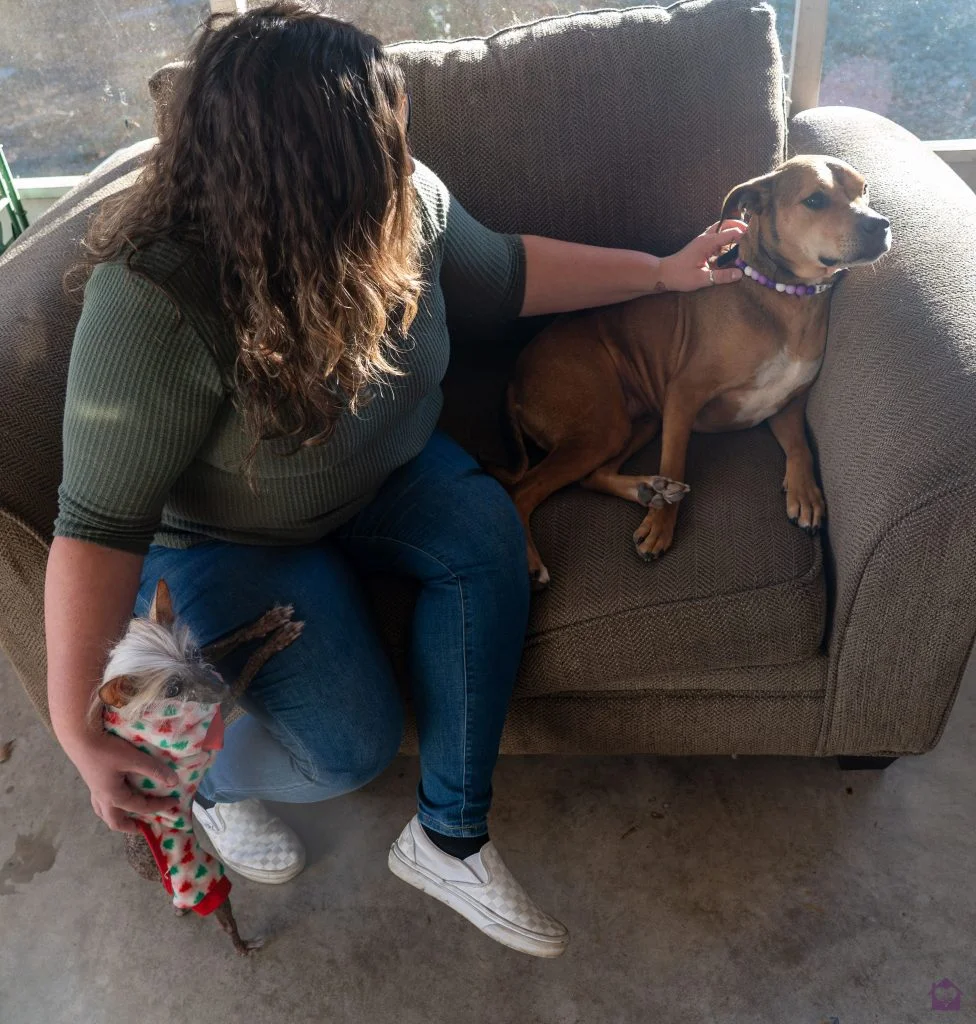
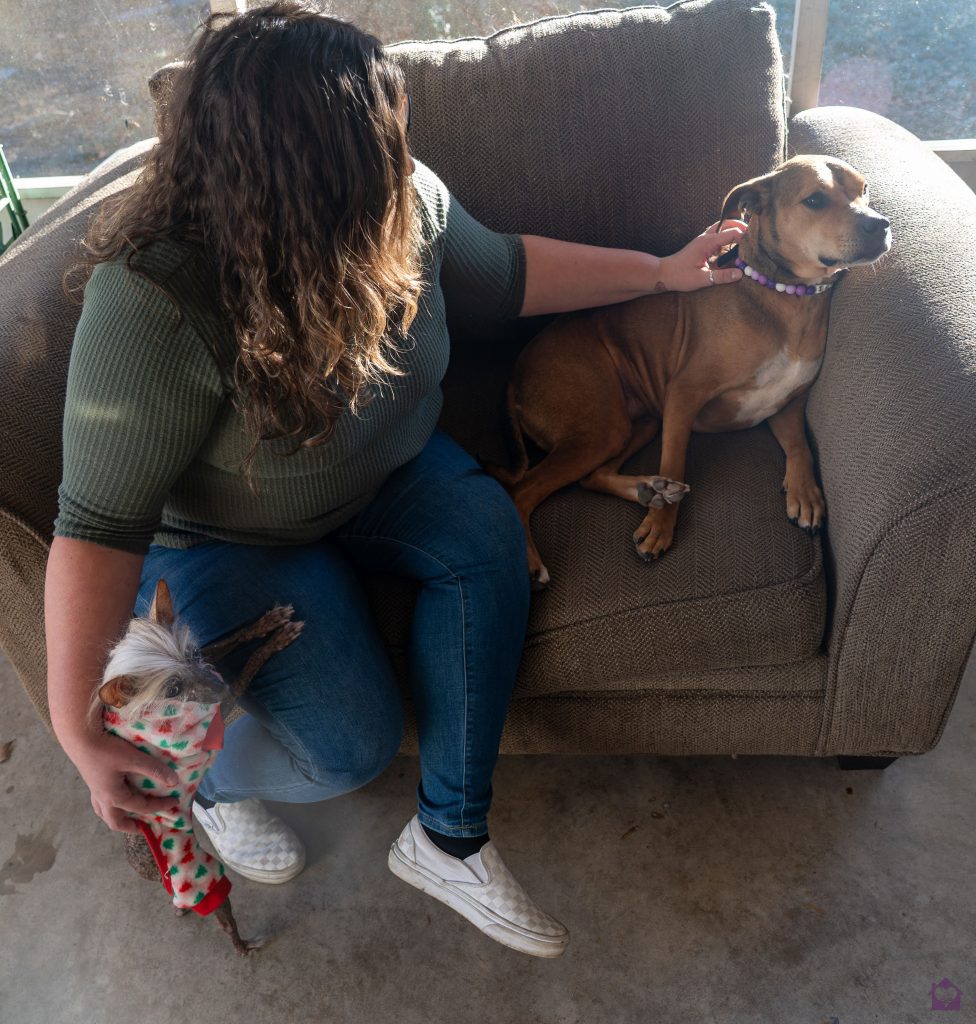
Aging changes a pet’s needs over time, but a slower walk, altered sleep, or pickier appetite shouldn’t automatically be dismissed as “just old age.” These changes can be useful prompts for a conversation with the veterinary team. A consistent senior care pathway gives families a way to raise concerns early, understand their options, and support comfort as their pet’s abilities change.
Many older animals gradually lose contact with routine veterinary care. Some caregivers assume that changes in mobility, appetite, behavior, or elimination are inevitable. Others put off appointments because they fear costly testing or feel unready to discuss end-of-life care. Travel can also become difficult: a large dog may struggle to get into a car, while a cat may find the trip highly stressful. The caregiver’s own health, schedule, finances, or mobility can add further barriers.
When those obstacles go unaddressed, preventive visits may give way to care during a crisis. Practices can help interrupt this pattern by making senior care a visible, ongoing process. The aim is to identify changes, discuss manageable next steps, and make sure families know how to get support as needs evolve.
Treat aging as an individual life stage
Aging is not itself a disease, and there is no single age at which every dog or cat becomes a senior. Species, breed, size, expected lifespan, health, and changes in function all help shape an individual plan. The 2023 American Animal Hospital Association Senior Care Guidelines describe this care as a broad effort involving preventive screening, pain management, nutrition, dental health, behavior, changes to the home environment, concurrent conditions, and caregiver support.
That perspective can make the first conversation more welcoming. A veterinary team might explain that a pet is entering a new life stage and suggest planning for comfort and engagement. This leaves room to discuss what the family has observed and what matters most to them, without implying that aging alone means a terminal illness is near.
Clear, supportive language can also make it easier for caregivers to return before a serious problem develops. The practice becomes a continuing source of guidance through changing needs, rather than a place the family associates only with worrying news.
Find patients who have slipped out of care
A senior care pathway begins with identifying patients who may need an invitation back. A practice can review its records for older dogs and cats that have not had a recent examination, using its senior criteria as a practical starting point rather than a fixed medical label. Records may also reveal missed follow-ups, chronic conditions, discontinued medications, mobility concerns, fear during handling, or recommendations the family previously declined.
Outreach works best when it sounds personal and helpful. A message can acknowledge that the practice has not seen the pet recently and offer to talk about changing needs. It can explain what a senior visit might cover: observations from home, comfort and function, the family’s main concerns, and care options suited to their circumstances.
Ask what makes an appointment hard to manage. Depending on the situation, a quieter time, help getting the pet from the car, a shorter first visit, or a mobile provider may improve access. Telehealth may be an option when clinically appropriate and allowed. If cost is a concern, the team can help prioritize and stage care. For a fearful pet, the record can document a low-stress handling plan and whether a veterinarian should consider pre-visit medication.
A 2024 scoping review describes access barriers that include affordability, distance, staffing and equipment, communication, transportation, and other practical or social circumstances. Asking, “What would make this visit easier for you and your pet?” can reveal which barrier is most pressing and help the practice respond with useful support.
Make appointments fit older pets
Older animals with several concerns may need more time, a calm setting, and careful handling. A pre-visit questionnaire can help the team understand appetite, drinking, elimination, sleep, movement, play, grooming, social interaction, and changes in behavior or cognition. Families can also be invited to share short videos of activities such as rising from rest, walking, using stairs or a litter box, and moving through the home. These records can show patterns that may not appear during an examination.
Small changes to the visit environment can make a practical difference. Nonslip flooring, soft bedding, ramps, accessible scales, and examining an animal on the floor can reduce strain or anxiety. For cats, limiting time in the waiting area and using feline-friendly handling may make return visits easier. The Feline Veterinary Medical Association’s senior care guidelines call for individualized assessment and recognize caregivers as part of the cat’s care team.
Care recommendations should fit the patient and family. A healthy senior animal, a pet living with a manageable chronic condition, and an animal approaching the end of life have different needs. The team can discuss which screening tests, diagnostics, and follow-up intervals make sense in each case, rather than treating a standard bundle as suitable for everyone.

Plan ahead while there is time to talk
Conversations about future care can begin well before a crisis. For a stable pet, planning may involve noting favorite activities, recording a baseline for mobility and daily function, discussing possible changes linked to a diagnosis, and agreeing on signs that should prompt a call. If a condition progresses, the family and veterinary team can discuss after-hours contacts, signs that need urgent attention, preferences about hospitalization, and where the family would want euthanasia to take place if that becomes necessary.
Quality-of-life tools can give families and teams a shared way to track changes, but a score should not replace clinical judgment or conversation. Patterns over days and weeks may be more informative than one rating. A calendar or simple log can help caregivers notice gradual shifts that are difficult to see when they are providing daily care.
Planning can reduce the decisions a family has to make under pressure. It also helps show that discussing end-of-life preferences is part of ongoing care. Those conversations can focus on comfort, dignity, and the family’s goals while leaving space to revise the plan as circumstances change.
Build a pathway around the family’s goals
A senior program is more useful as a repeatable care pathway than as a discounted examination and laboratory panel alone. Depending on the patient, it might include a quality-of-life baseline, a written record of family goals and concerns, screening based on individual risk, assessments of pain, movement, cognition, nutrition, and behavior, and a review of the home environment. Clear recheck plans, education about warning signs, and palliative, hospice, or end-of-life support can also be part of the process when appropriate.
Families should leave knowing what the team found, which concerns deserve attention first, what they can monitor at home, and when to call. A short written plan in plain language may be easier to use than a lengthy document filled with unfamiliar terms.
When the preferred diagnostic or treatment plan is out of reach, keep the conversation open. Explain what different options could clarify, document the family’s choices, and consider whether care can be staged. For example, the team might address a priority symptom first, arrange testing later, and schedule a follow-up call to check how the pet is doing. A workable next step can keep communication going and help the family make informed decisions.
Give the whole team a consistent role
Veterinarians remain responsible for diagnosis and medical decisions, while credentialed veterinary technicians and other team members can contribute to history taking, education, mobility and quality-of-life assessments, follow-up, and care coordination within their training and practice protocols.
Consistent language matters. If one team member says a pet is doing well for its age while another expresses immediate concern, the family may leave uncertain about what to do. Shared terms for discussing aging, pain, cognitive changes, caregiver strain, palliative care, and euthanasia help clients understand that the team is working from a common plan.
Role-play can help staff practice asking open questions without assuming what a family can manage or wants for its pet. Useful prompts include: “What changes have you noticed that you’ve been attributing to age?” “Which parts of care are becoming more difficult?” “What does a good day look like for your pet now?” and “Would it help to talk through a range of options before deciding?” The answers can guide a plan that reflects the animal’s needs and the family’s priorities.
Track access, follow-up, and comfort
Enrollment and revenue alone cannot show whether a senior program is helping. Practices can track how many overdue patients return, whether recommended follow-ups happen, and whether records include assessments of mobility, cognition, and quality of life. They can also review when pain or chronic disease is identified, how often enrolled patients need urgent visits, client feedback, team confidence, and whether families discuss end-of-life preferences before a crisis.
Patterns in missed visits and declined recommendations can point to changes the practice should make. If families repeatedly raise transportation, fear, cost, or confusion, those are useful signals about where the pathway is difficult to access. Some meaningful results may be harder to count: a cat who tolerates an examination, a caregiver who knows whom to call, or a family better prepared for a change in their pet’s condition.
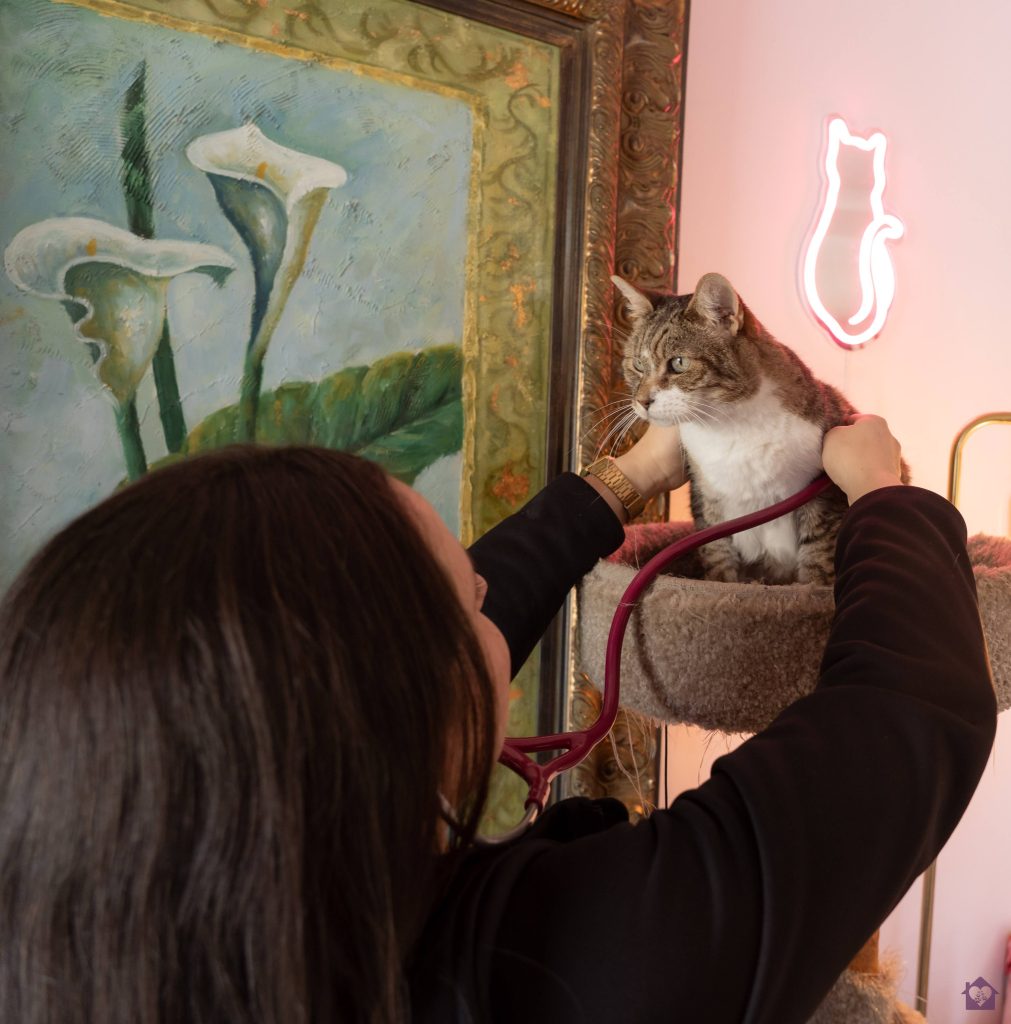
Senior care is measured in comfort, function, connection, and the family’s ability to make informed choices, as well as in time. A clear pathway helps caregivers understand what can be done today, what changes to watch for, and how to reach the veterinary team when needs shift.
Chelsea McGivney, DVM, MBA, attended veterinary school at Colorado State University. She has worked in general and emergency medicine and in-home end-of-life veterinary care. She is the executive director of operations of Caring Pathways, a multi-practice in-home veterinary company focused on hospice and palliative care, as well as in-home euthanasia.
References
- Dhaliwal R, Boynton E, Carrera-Justiz S, et al. 2023 AAHA Senior Care Guidelines for Dogs and Cats. Journal of the American Animal Hospital Association. 2023;59:1–21. doi:10.5326/JAAHA-MS-7343.
- Pasteur K, Diana A, Yatcilla JK, Barnard S, Croney CC. Access to veterinary care: Evaluating working definitions, barriers, and implications for animal welfare. Frontiers in Veterinary Science. 2024;11:1335410. doi:10.3389/fvets.2024.1335410.
- Ray M, Carney HC, Boynton E, et al. 2021 AAFP Feline Senior Care Guidelines. Journal of Feline Medicine and Surgery. 2021;23(7):613–638. doi:10.1177/1098612X211021538.


