Sample No. 0188
Snakebite in Dogs: Antivenom, Supportive Care and Emerging Research
Prompt veterinary care and antivenom guide treatment, while coral snake bites and possible respiratory failure call for close monitoring.
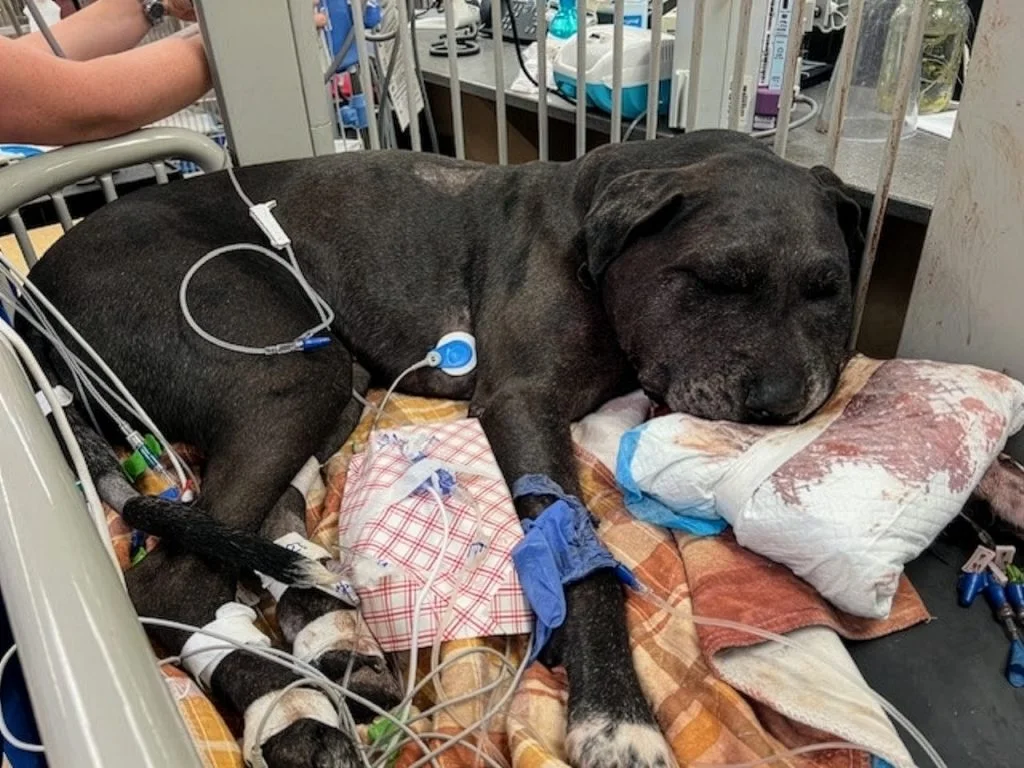
For a dog with a suspected venomous snakebite, the key decisions are how quickly signs are changing and whether the venom is affecting the whole body. A dramatic wound can be painful without predicting systemic illness; conversely, some neurotoxic bites begin with little visible swelling. Prompt veterinary assessment, antivenom when indicated and close supportive care remain the mainstays of treatment.
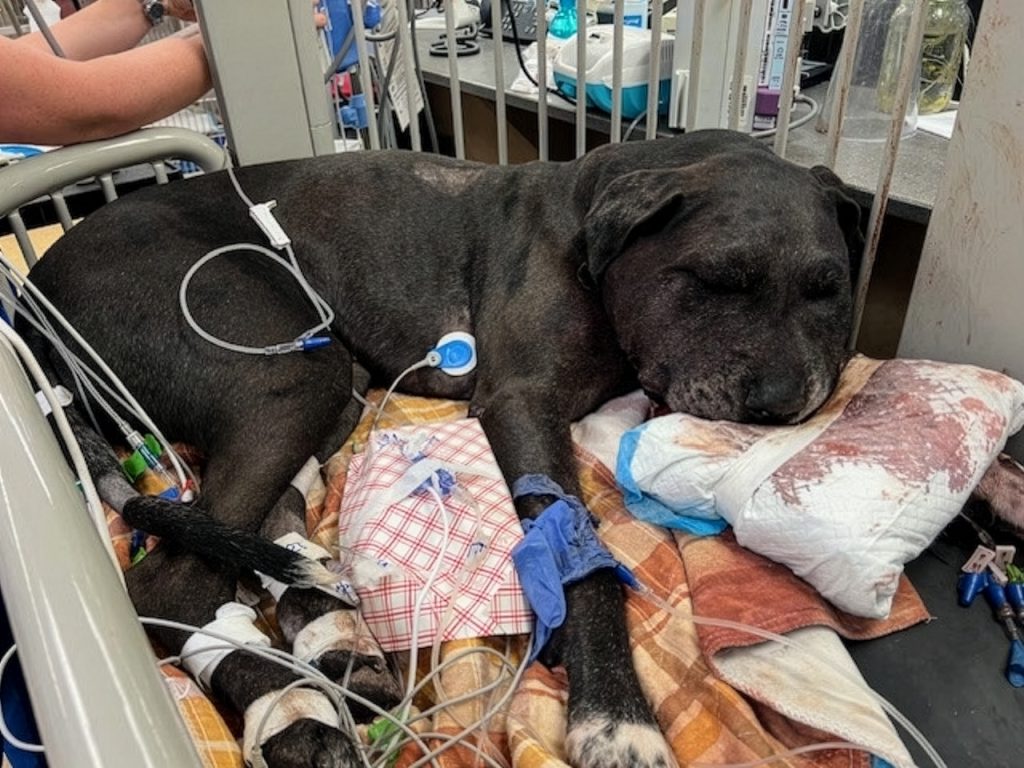
Why the bite may be hard to judge
Pit vipers—rattlesnakes, copperheads and cottonmouths—cause most venomous snakebites in North American dogs.1 Venom varies between species and can also differ among snakes of the same species, influenced by geography, age and season.2 Its effects may include tissue damage and swelling, bleeding, injury to blood vessels, changes in clotting and platelet levels, muscle breakdown, low blood pressure and shock. Some rattlesnake populations, including Mojave and certain timber rattlesnakes, can also cause significant neurologic effects.3
Dogs are often bitten on the face, neck or front legs. These visible sites can swell substantially, but swelling alone doesn’t show how much venom has entered circulation or whether systemic effects are developing. In particular, neurotoxic envenomation can be serious before local signs become pronounced.
First steps: transport and triage
Owners should keep the dog quiet and arrange immediate veterinary evaluation. A photo taken from a safe distance may help identify the snake, but trying to capture or transport it adds risk; even a dead snake can deliver venom through reflex action. At home, avoid tourniquets, tight bandages, cutting the wound, suction, ice and electric shock. These measures haven’t shown benefit and may worsen injury.
At the clinic, the first assessment focuses on breathing, circulation, neurologic function, the spread of swelling and possible bleeding or red blood cell damage. Airway problems are uncommon, even with facial bites, but a bite inside the mouth or behind the eye can pose particular concerns. Noisy, labored breathing or elevated carbon dioxide can indicate respiratory compromise. In rare cases, oxygen or advanced airway support may be needed.
Tests and repeat checks
Initial evaluation commonly includes a complete blood count with platelet count, examination of a blood smear, serum chemistry, clotting tests and urinalysis. Blood gas testing can help assess dogs with neurologic signs or concern about inadequate ventilation. Echinocytosis—an unusual shape change in red blood cells—is a useful clue reported in many pit viper and coral snake cases.
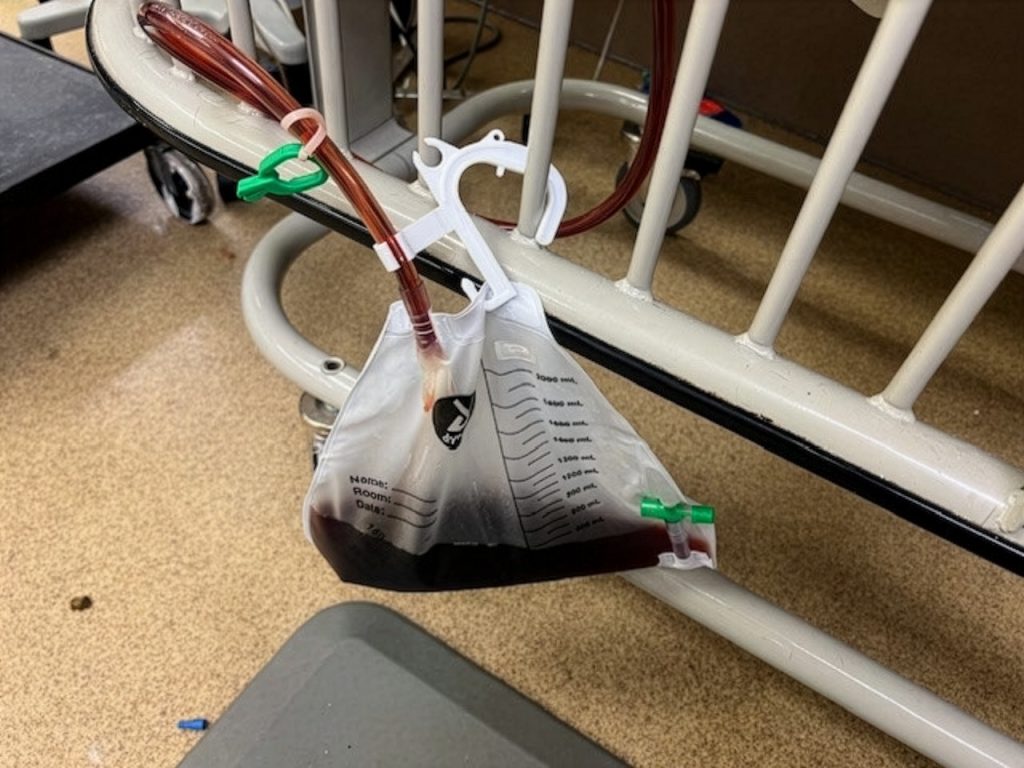
Clinicians also watch for low platelets or fibrinogen, prolonged clotting times, hemolysis, muscle injury and pigment in the urine. Both hemoglobin and myoglobin in urine can harm the kidneys, so kidney function and creatine kinase may need monitoring. A dog’s condition can change over hours: clotting abnormalities, red blood cell destruction or other systemic problems may appear after the first examination. Repeat assessments and laboratory tests help catch that progression.
When antivenom is considered
Antivenom is the specific treatment for clinically significant envenomation and remains the foundation of care. It can neutralize circulating venom and help limit worsening tissue injury, pain, clotting problems and cardiovascular instability. Treatment is generally considered when signs are progressing or systemic effects emerge, including worsening swelling, significant pain, shock, abnormal clotting, hemolysis or neurologic impairment.
Timing matters. The source reports that experimental and clinical observations associate delays of several hours with worse outcomes. One possible reason is that tissue damage has become irreversible or venom has already moved into tissues, where antivenom may be less effective. Copperhead bites are often milder than rattlesnake bites, and some may be managed without antivenom, but the decision depends on the individual dog and its clinical course.
Antivenom is generally given intravenously with close observation. Hypersensitivity reactions are uncommon but possible, and have been reported more often with whole IgG products than with F(ab')2 products.4 Veterinary teams commonly begin the infusion slowly, except in situations such as a bite inside an artery or rapidly developing shock, and monitor for vomiting, hives, skin redness or low blood pressure. Epinephrine should be immediately available. Pretreatment with antihistamines remains controversial and isn’t recommended by the article’s authors.
The amount needed depends more on the venom exposure than on the dog’s weight. A small dog with a substantial venom load may need as many vials as a larger dog. The treating team uses the severity and progression of signs to guide care.
Supportive care through recovery
Antivenom doesn’t replace supportive treatment. Venom can make blood vessels leak fluid into surrounding tissues, lowering the volume available to support circulation. Intravenous crystalloid fluids are therefore central to care, with more intensive fluid resuscitation sometimes needed in severe cases. Hetastarch is not recommended in the source because it can interfere with platelet function.
Blood products are rarely the first step during the initial 18 to 24 hours, when antivenom and adequate crystalloid fluids are the main treatments described. Fresh frozen plasma or whole blood may be considered for severe clotting problems or hemorrhage. However, correcting venom-related clotting abnormalities often depends on antivenom rather than transfusion alone.
Opioids are the preferred pain relief described. Nonsteroidal anti-inflammatory drugs are generally avoided because of potential effects on platelets and kidney blood flow. Treatment choices should account for the dog’s circulation, laboratory findings and evolving signs.
Coral snake bites need particular vigilance
Coral snakes are elapids, and their venom is primarily neurotoxic. Eastern coral snake envenomation can progress to weakness, paralysis, difficulty swallowing and breathing, and respiratory failure. Severe neurologic effects may develop despite subtle wound findings, or before the dog appears ill. Hemolysis has been reported in approximately 40 percent of affected dogs.5
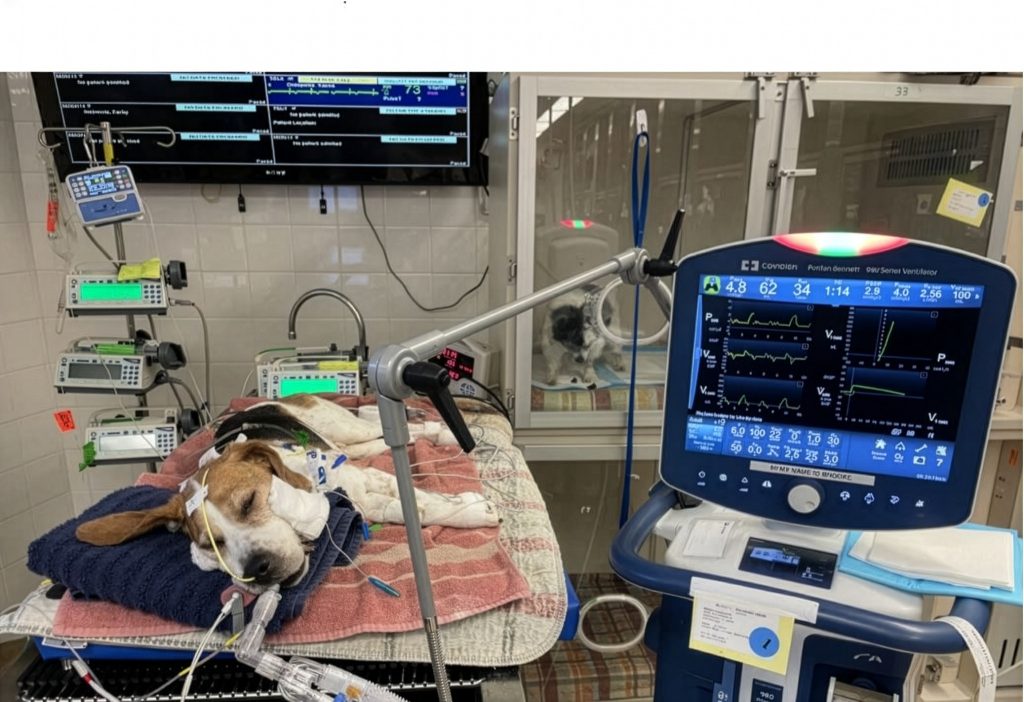
Some dogs with severe respiratory effects need mechanical ventilation and several days of intensive care; published case series describe prolonged hospitalization and substantial treatment costs in ventilated patients.6 Coral snake antivenom remains standard treatment where available. When weakness is already present, antivenom may have limited ability to reverse established neuromuscular effects, making close respiratory monitoring and supportive care especially important.
What research may add
An investigational approach targets secretory phospholipase A2, a toxin found in many snake venoms. A small molecule that inhibits this toxin has shown preclinical activity against several snake species.7 In the reported veterinary experience, seven dogs with severe eastern coral snake envenomation received both antivenom and the inhibitor: four received it intravenously and three orally. All recovered without mechanical ventilation, despite marked neurologic weakness. Their hospital stays and care costs were substantially lower than those of historical comparison cases. Results from the first three dogs have been published.8
These early results are encouraging, but the inhibitor remains experimental rather than standard care. Larger comparative studies are needed to determine whether it adds benefit to antivenom treatment and whether it helps dogs with pit viper envenomation. For now, it doesn’t replace established treatment.
Use other treatments selectively
Routine corticosteroids aren’t generally recommended because evidence of benefit is lacking, while concerns include slower wound healing and suppression of immune function. A veterinary team may consider them in selected situations, such as shock that hasn’t responded to treatment or a delayed hypersensitivity reaction.
Routine preventive antibiotics are also debated. Extensive tissue injury doesn’t necessarily mean a wound is infected, and infection appears less common than once assumed. The decision depends on the wound, dead tissue, contamination and the dog’s circumstances. The authors report that secondary infection in dogs with pit viper bites is usually evident by the third day of hospitalization in their experience.
Outlook
Outcome depends on the snake and venom dose, bite site, time to treatment, antivenom access, and whether shock or breathing failure develops. Older age and other health conditions can also affect prognosis. Most dogs treated promptly for pit viper bites survive, while delayed care, severe clotting problems and neurotoxicity worsen the outlook. Extensive dead tissue can still heal with conservative care over 12 to 16 weeks, without surgery. Coral snake bites carry added risk from respiratory paralysis, but intensive supportive treatment can lead to recovery.
For owners, the practical takeaway is simple: restrict activity, leave the snake alone, and seek veterinary care at once. For the care team, early stabilization, timely antivenom when indicated and repeated checks for changing signs remain central as research into additional therapies continues.