Sample No. 0189
Relief Veterinarians: 10 Ways Clinics Can Make Every Shift Work Better
Plan shifts early, clarify pay and expectations, and give relief vets the tools and welcome they need to support patients and clinic teams.
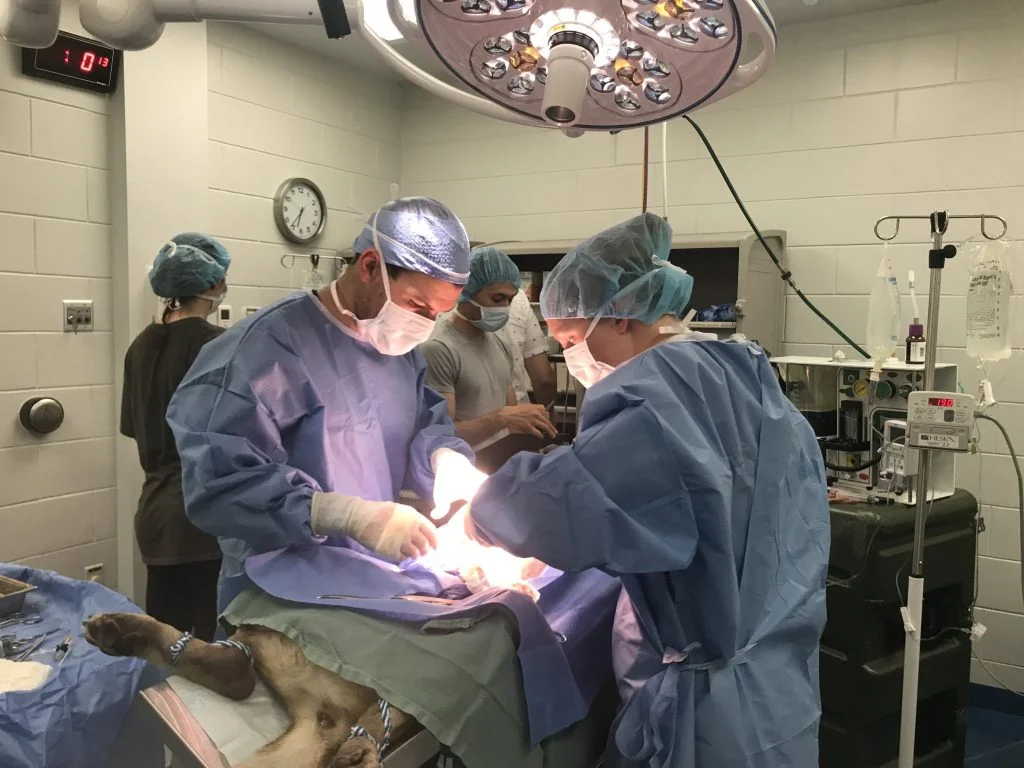
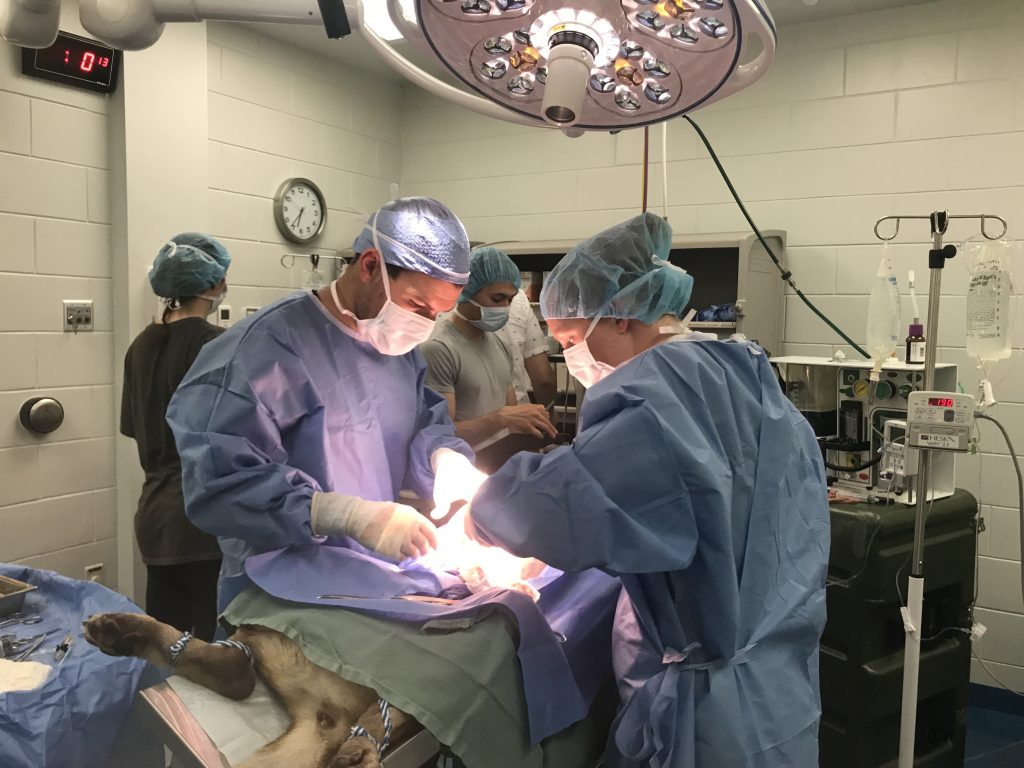
Relief veterinarians can help a clinic maintain patient care, ease pressure on its regular team during busy periods, and cover staffing gaps. Yet clinics get less from that support when they treat each shift as a one-off. With patient volumes flat, expenses rising, and margins tight, making sure every clinician has what they need to work well is part of running the practice effectively.
In 2025, nearly one in 10 veterinarians in private practice reportedly worked in relief or contract roles, a share that has risen over the past decade.1 These clinicians are a meaningful part of veterinary practice, and their experience at a clinic affects both the day’s work and whether they choose to return. Thoughtful planning can support patients, staff morale, and reliable shift coverage while making relief work more sustainable.
The 2026 Serenity Vet study found that burnout among relief veterinarians had reached its highest level in five years, rising 25 percent since 2022.2 One in three respondents described unstable or unpredictable income, discomfort negotiating rates, and limited ability to advocate for themselves. Respondents also identified unclear expectations, weak communication, and missing clinic protocols as sources of stress. Clinics can address many of these practical pressures through consistent routines.
Make scheduling and pay predictable
1. Book shifts early
Vacations, parental leave, and seasonal busy periods are often known in advance, making it possible to plan relief coverage before the schedule becomes urgent. Nearly one in four relief veterinarians say managing their schedules is difficult. Early booking gives both the clinic and the veterinarian more time to plan, and helps the clinician decide whether a shift fits their availability.
2. Build relationships with returning clinicians
When a relief veterinarian has worked well with your team, keep their contact details and offer them the first opportunity to take future open shifts. Relief practitioners with repeat clients report greater financial stability and lower burnout than those who must continually find new work. Familiarity also reduces the time staff spend explaining routines and can help maintain continuity for patients.
3. Spell out the shift before it’s booked
Share the date, hours, and pay, then describe the expected caseload, available support staff, likely procedures, and relevant clinic practices. More than 28 percent of relief veterinarians report difficulty finding shifts with suitable pay, scheduling, or work type. A clear description helps clinicians judge whether their skills and expectations fit the day, and helps the practice avoid preventable misunderstandings.
4. Agree on overtime and undertime terms
Discuss how extra or shortened hours will be handled before the shift begins. Clarify how time will be tracked, how compensation is calculated, and how payment will be made. Even when the schedule appears unlikely to run late, an unexpected appointment or procedure can change the day. A shared understanding in advance makes it easier for everyone to respond fairly.
5. Recognize when the work changes
Urgent cases, added procedures, and extended hours can disrupt the plan. If a clinic expects flexibility, the arrangement should account for it rather than leaving the veterinarian to absorb a changing workload without acknowledgment. A hybrid model combining a flat rate and a production bonus may suit emergency or urgent care settings. More than 17 percent of relief veterinarians said they would welcome this structure, which can connect compensation with the work performed.
Set clinicians up to do good work
6. Give a short, practical orientation
Even experienced clinicians may feel uncertain when entering an unfamiliar clinic. Show them the exam rooms, staff lounge, and workstation, and explain how the day typically runs. A brief introduction to the team and the clinic’s workflow can make routines that seem obvious to regular staff easier to follow. Survey respondents frequently named missing onboarding and weak team integration as stressors. A 10-minute walkthrough can help a relief veterinarian feel more confident and get started sooner.
7. Review protocols and records
Cover the practice information system, shortcuts, recordkeeping expectations, controlled substances procedures, and how clinicians should communicate with the team. A focused refresher helps prevent avoidable interruptions and keeps documentation consistent. Make it easy to find written instructions during the shift, especially when a question arises while the clinic is busy.
8. Prepare access to software and tools
Arrange login credentials before the veterinarian arrives, and provide concise reference notes for clinic software. If the practice uses AI scribes or time-tracking tools, set up access and explain how they work. Nearly 29 percent of relief veterinarians say AI scribe support makes them more likely to accept shifts at a clinic. Those who use these tools report greater fulfillment and slightly lower burnout scores.
9. Say thank you
A verbal thanks at the end of a shift or a brief follow-up email can show that the clinician’s work was noticed. Respectful recognition helps relief veterinarians feel included and valued, and can give them another reason to return. The gesture needn’t be elaborate; it should be specific and sincere.
10. Ask what could work better
Relief veterinarians see how different clinics handle scheduling, communication, and daily workflows. Invite their feedback after a shift: what helped, where did the day get stuck, and what would make a future shift smoother? Their observations may point to practical adjustments the regular team has overlooked. Close the loop by considering the feedback and letting clinicians know when a change is made.
Relief coverage works best when it’s treated as a planned part of clinic operations. Clear terms, a prepared workplace, and ongoing communication can improve the experience for clinicians and the teams and patients who depend on them.
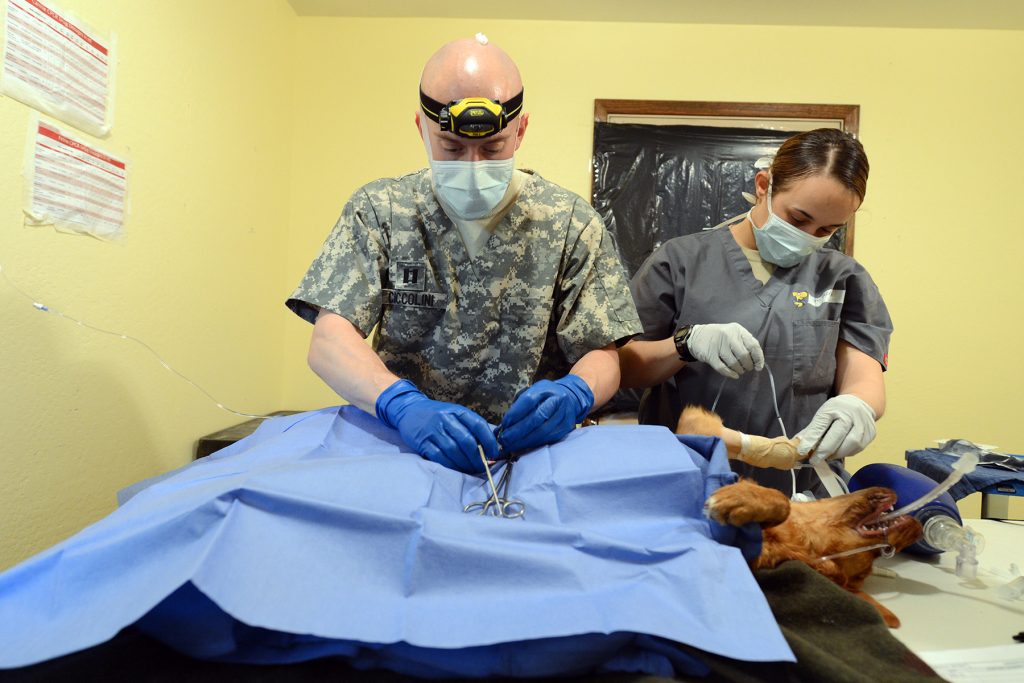
Andrew Ciccolini, DVM, MSOL, is a relief veterinarian and co-founder of Serenity Vet, a subscription-based veterinary relief management platform. He previously served as medical director at National Mill Dog Rescue in Colorado and director of Non-Profit Initiatives at Galaxy Vets. His background includes veterinary practice and operations leadership.


