Sample No. 0187
Helping Senior Pets Eat: Comfort, Care and Appetite Support
Appetite loss in older pets can signal pain, nausea or access problems. A thoughtful veterinary plan puts comfort and voluntary eating first.
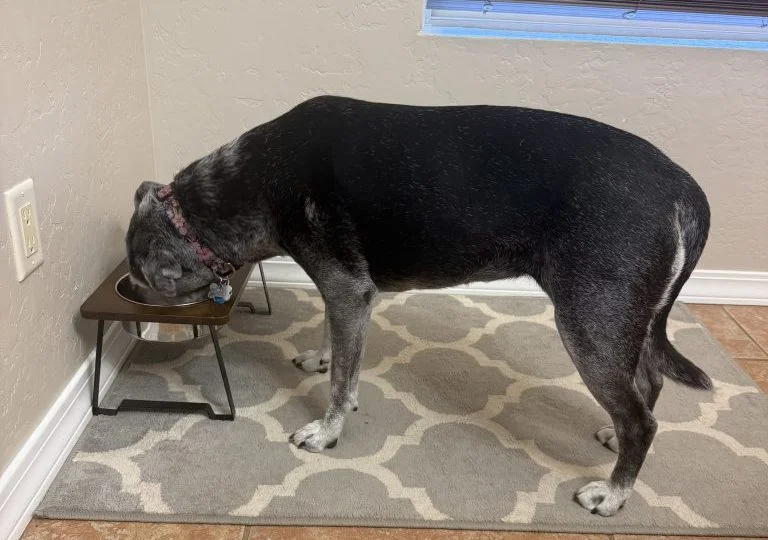
When an older dog leaves a favorite meal untouched or a cat stops making the trip to its bowl, the change deserves attention. Appetite loss in a senior or hospice patient can reflect pain, nausea, dental trouble, digestive discomfort or difficulty reaching food. The most useful response is to look for the cause and support the animal’s comfort, rather than treating eating as a goal in isolation.
That distinction matters especially in palliative care. A plan that helps a pet eat voluntarily and feel more settled may be more valuable than one focused only on calories. Owners and veterinary teams can work through medical, nutritional and environmental factors together, adjusting as the animal’s needs change.
Start by looking for discomfort
Appetite reflects several interacting processes, including brain signals, digestive comfort and the effects of disease. In some cancers, inflammatory signals can dampen hunger while contributing to muscle loss. Adding calories alone may not reverse that process. Chronic kidney or liver disease can also affect appetite; kidney disease, for example, may contribute to nausea. Joint pain can make a walk to the bowl feel like too much effort.
Before considering appetite support, a veterinarian can assess likely causes such as pain, nausea, dental disease and gastrointestinal irritation. A pet with sore teeth may find chewing unpleasant. An arthritic cat may want food but struggle to reach it. Addressing the underlying problem can make other measures more effective.
Owners can help by noting when the change began, what the pet will still eat, whether eating seems uncomfortable, and whether vomiting, altered stools or changes in movement accompany it. A sudden or persistent drop in intake, trouble swallowing, repeated vomiting or signs of pain warrants a prompt call to the veterinary team. These observations help guide an examination; they can’t identify the cause on their own.
Medication choices depend on the cause
When a veterinary assessment identifies a need for medication, the choice depends on the animal, its health conditions and whether the main problem is low appetite, nausea, vomiting or pain. Medicines that address one symptom may not resolve the others, so response should be monitored and the plan reviewed with the prescribing veterinarian.
Mirtazapine is among the better studied appetite-support medicines in cats. Studies in cats with chronic kidney disease have reported improved appetite and weight, along with less vomiting, using oral or compounded skin-applied forms. A skin-applied product is also labeled for weight loss associated with feline kidney disease. In dogs, research suggests a more modest benefit: treated dogs were more likely to resume eating voluntarily and lost less weight than comparison animals in the studies described.
Capromorelin acts on ghrelin receptors, which are involved in hunger signaling. It is approved for appetite support in dogs and for managing weight loss in cats with chronic kidney disease. In a controlled study of healthy beagles, food consumption rose by about 60 percent from baseline in treated dogs, while it fell in the comparison group. Study results in healthy animals don’t guarantee the same response in a sick pet.
Maropitant is used to control vomiting, but reduced vomiting does not always mean nausea has eased or appetite has returned. In cats with kidney disease, some studies found less vomiting without a matching improvement in appetite. It may be one part of a plan, rather than a complete answer when nausea appears to be the main barrier to eating.
Ondansetron may be considered when nausea is present without frequent vomiting. A 2022 study reported anti-nausea effects after injection in hospitalized dogs showing signs of nausea. The medicine is also used in veterinary oncology for nausea associated with chemotherapy, but it is not approved for veterinary patients and oral absorption in dogs can be variable. Owners should not start, stop or combine medicines without veterinary direction.
Pain relief can matter just as much as appetite support for an animal with arthritis or cancer-related discomfort. The source describes several types of pain medicine used in veterinary care, with selection shaped by the diagnosis. A veterinarian can weigh potential benefits and risks, including guidance for long-term use of anti-inflammatory medicines in cats.
Make food easier and more appealing
For some older or ill pets, smell becomes less reliable. Warming a suitable food slightly can make its aroma more noticeable. Calorie-dense, palatable diets, including recovery or kidney diets when appropriate, may help meet nutritional needs in smaller portions. A veterinarian can advise whether a particular diet fits the pet’s condition.
Small additions may encourage voluntary eating. Meal toppers, warmed low-sodium broth and smooth lickable foods can add aroma and moisture while requiring little chewing. Some lickable products are also convenient for offering oral medicine. Their appeal is practical, but there is little independent evidence that these products treat appetite loss; they are best viewed as ways to make a meal more inviting, not as proven appetite medicines.
Vitamin B supplementation may be considered for cats that have eaten poorly for an extended period, since prolonged inappetence can contribute to deficiencies that further affect appetite. Omega-3 fatty acids, including EPA and DHA, have properties that may help limit inflammation and muscle loss in cancer patients, though evidence in veterinary cancer care is still developing. Discuss supplements with the veterinary team, particularly when a pet has a diagnosed condition or eats a prescription diet.
Probiotics have evidence for reducing diarrhea in shelter cats and dogs. That finding supports their use for some digestive concerns, but doesn’t establish a direct appetite benefit. Better stool quality and digestive comfort could help a pet with concurrent gastrointestinal upset eat more consistently.
Protect comfort in hospice care
Syringe feeding and feeding tubes can have a role in some care plans, but they require careful consideration in hospice. Forcing food on an animal that is severely nauseated or nearing the end of life can cause distress, food aversion or aspiration. In these situations, the aim is comfort and willing intake, not reaching a calorie target at any cost. The veterinary team can help caregivers weigh possible benefits against the pet’s response and quality of life.
Complementary care and acupressure
Acupuncture and acupressure are sometimes included alongside medical care. Evidence varies by technique and by the cause being treated, so these methods shouldn’t replace evaluation or treatment of pain and nausea.
Stomach 36, on the outer side of the hind limb just below the knee, is traditionally used to support digestion and appetite. Its use in veterinary patients is supported mainly by observation rather than strong controlled research.
Pericardium 6, on the inner side of the forelimb just above the wrist, has more controlled research for nausea and vomiting. In a randomized trial involving 222 dogs, electrical stimulation at this point reduced nausea and vomiting caused by morphine, with results similar to two medicines tested and better than a sham treatment or saline. Findings have not been consistent across other causes: studies involving dogs receiving intravenous lidocaine and cats receiving dexmedetomidine did not find a clear benefit.
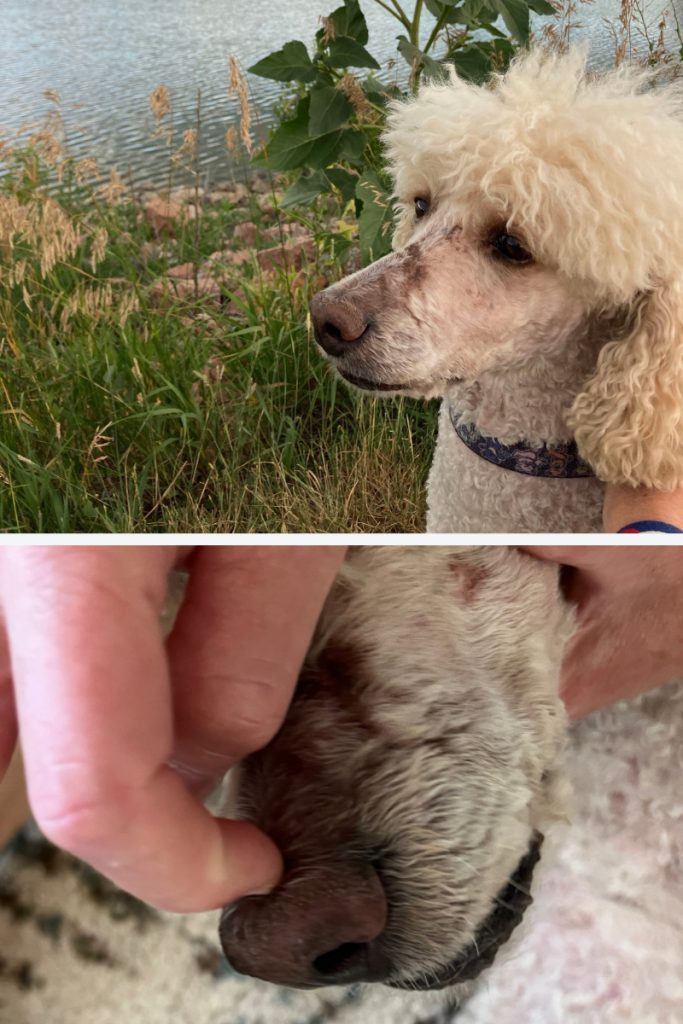
These mixed results suggest that the effect may depend on what is triggering the nausea. Shan Gen, a point along the middle of the bridge of the nose where the fur meets the hairless nose, is used by some veterinary acupuncturists to encourage a reluctant animal to take a first bite. Controlled research on appetite at this point is lacking. Gentle pressure held for 20 to 30 seconds may be taught as a comfort measure, provided the pet remains relaxed and welcomes the contact. Stop if the animal pulls away or becomes distressed.
Reduce the effort of getting to food
Eating may falter because the setup is hard to reach. Joint disease is common in older cats, though discomfort can be easy to miss because cats often conceal it. Estimates cited in the source suggest that 20 to 92 percent of older cats show radiographic or clinical signs of joint disease. A veterinary assessment can help identify pain that might otherwise look like a loss of interest in food.
For a cat with limited mobility, place bowls where the cat can reach them without climbing stairs or jumping. Raise food and water dishes if that makes bending more comfortable, and consider more than one feeding station so the cat can eat small meals without a long walk. Low-sided litter boxes on each level can also reduce the effort involved in daily movement.
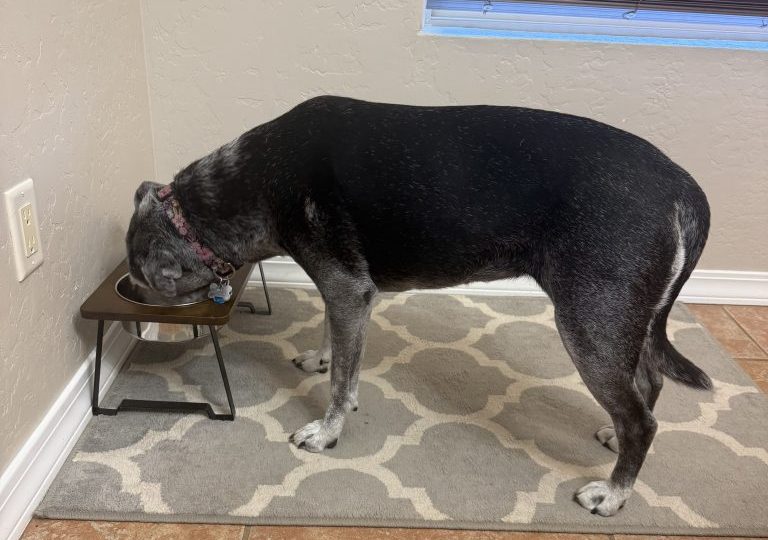
Elevated bowls may help dogs with neck arthritis, megaesophagus or substantial pain in the front legs. For many older large dogs, a nonslip mat under a floor-level bowl or a bowl raised to a modest, comfortable height can make mealtimes steadier. The right arrangement depends on the individual dog’s body and mobility; an excessively high bowl isn’t automatically better.
Build flexibility before health changes
Early, gentle experience with different foods and handling can make later care easier. Owners of healthy puppies and kittens can offer varied textures and forms, such as wet food, dry food, pâté, shredded food and broth, while keeping changes positive and gradual. Low-stress practice can include letting a pet investigate an empty pill capsule tucked into a treat, and pairing brief, gentle handling of the mouth and paws with food rewards.
Gradual desensitization and reward-based cooperative care help pets become more comfortable with routine handling. A pet that has only eaten one food texture may have fewer acceptable options when illness changes appetite. Familiarity with different foods won’t prevent illness, but it can give caregivers more ways to offer something appealing when preferences narrow.
Keep the measure of success humane
Hospice and palliative care involve both the animal and its caregiver. Food intake matters, but so do comfort, communication and the quality of the time they share. A useful plan may combine veterinary assessment, treatment of nausea or pain, appealing food, easier access to bowls and complementary comfort measures that the pet tolerates.
Appetite loss rarely has one simple fix. Keep the veterinary team informed about what the pet eats, what it avoids and how it behaves around food. The next step should follow the animal’s comfort and the likely cause, with voluntary eating as the goal whenever possible.
Tyler Carmack, DVM, CVA, CVFT, CHPV, CPEV, CVPP, is the director of Hospice and Palliative Care for the Caring Pathways family of practices. She founded Hampton Roads Veterinary Hospice and has practiced hospice and palliative care exclusively since 2011. Dr. Carmack has served on the board of the International Association for Animal Hospice and Palliative Care since 2016, including as its president in 2020 and 2025.
References
- Freeman LM. Cachexia and sarcopenia: emerging syndromes of importance in dogs and cats. Journal of Veterinary Internal Medicine. 2012;26(1):3-17.
- Connection between nutrition and oncology in dogs and cats: perspectives, evidence, and implications — a review. Frontiers in Veterinary Science. 2024;11:1490290.
- Quimby JM, Benson KK, Summers SC, Saffire A, Herndon AK, Bai S, Gustafson DL. Assessment of compounded transdermal mirtazapine as an appetite stimulant in cats with chronic kidney disease. Journal of Feline Medicine and Surgery. 2020;22(4):376-383.
- Zollers B, Rhodes L, Heinen E. Capromorelin oral solution increases food consumption and body weight when administered for four consecutive days to healthy adult beagle dogs in a randomized, masked, placebo-controlled study. BMC Veterinary Research. 2016;12:274.
- Information on capromorelin oral solution for managing weight loss in cats with chronic kidney disease. https://www.fda.gov/animal-veterinary/cvm-updates/fda-approves-elura-capromorelin-oral-solution-managing-weight-loss-cats-chronic-kidney-disease
- Maropitant citrate prescribing information and clinical reviews. Zoetis; Veterinary Partner.
- Quimby JM, Brock WT, Moses K, Bolotin D, Patricelli K. Chronic use of maropitant for the management of vomiting and inappetence in cats with chronic kidney disease: a blinded, placebo-controlled clinical trial. Journal of Feline Medicine and Surgery. 2015;17(8):692-697.
- Sotelo CK, Shropshire SB, Quimby J, Simpson S, Gustafson DL, Zersen KM. Pharmacokinetics and anti-nausea effects of intravenous ondansetron in hospitalized dogs exhibiting clinical signs of nausea. Journal of Veterinary Pharmacology and Therapeutics. 2022;45(6):508-515.
- 2024 ISFM and AAFP consensus guidelines on long-term NSAID use in cats. Journal of Feline Medicine and Surgery. 2024.
- Bybee SN, Scorza AV, Lappin MR. Effect of the probiotic Enterococcus faecium SF68 on presence of diarrhea in cats and dogs housed in an animal shelter. Journal of Veterinary Internal Medicine. 2011;25(4):856-860.
- Koh RB, Isaza N, Xie H, Cooke K, Robertson SA. Effects of maropitant, acepromazine, and electroacupuncture on vomiting associated with administration of morphine in dogs. Journal of the American Veterinary Medical Association. 2014;244(7):820-829.
- St. James ML, Kosanovich DL, Snyder LB, Zhao Q, Jones BG, Johnson RA. Effects of acupuncture at Pericardium 6 and Stomach 36 on nausea, sedation and gastrointestinal motility in healthy dogs administered intravenous lidocaine infusions. PLOS ONE. 2019;14(12):e0226065.
- Bennett D, Zainal Ariffin SM, Johnston P. Osteoarthritis in the cat: how common is it and how easy to recognise? Journal of Feline Medicine and Surgery. 2012;14(1):65-75.
- The effect of aquapuncture at Pericardium 6 on dexmedetomidine-induced nausea and vomiting in cats. Veterinary Anaesthesia and Analgesia. 2019;46(3):284-290.
- Fear Free Happy Homes. Cooperative care and desensitization resources for veterinary handling and medication routines.
- American Animal Hospital Association and American Association of Feline Practitioners Feline Life Stage Guidelines. 2021.
- Ellis SLH, Rodan I, Carney HC, Heath S, Rochlitz I, Shearburn LD, Sundahl E, Westropp JL. AAFP and ISFM feline environmental needs guidelines. Journal of Feline Medicine and Surgery. 2013;15(3):219-230.
- Eigner DR, Breitreiter K, Carmack T, Cox S, Downing R, Robertson S, Rodan I. 2023 AAFP/IAAHPC feline hospice and palliative care guidelines. Journal of Feline Medicine and Surgery. 2023;25(9).


