Sample No. 0183
Choosing Veterinary Diagnostic Tools That Fit Your Practice and Patients
A clear diagnostic strategy can support timely care, smoother workflows and client trust while keeping costs and team capacity in view.
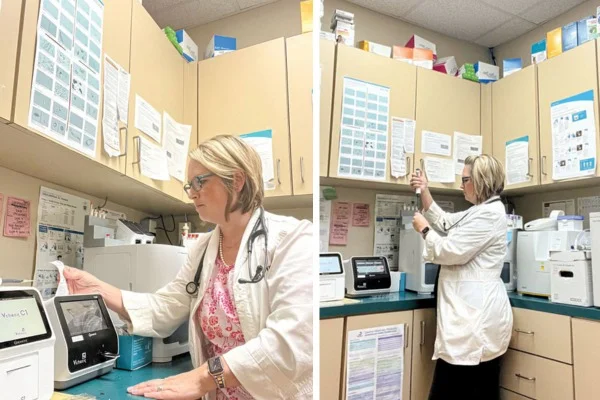
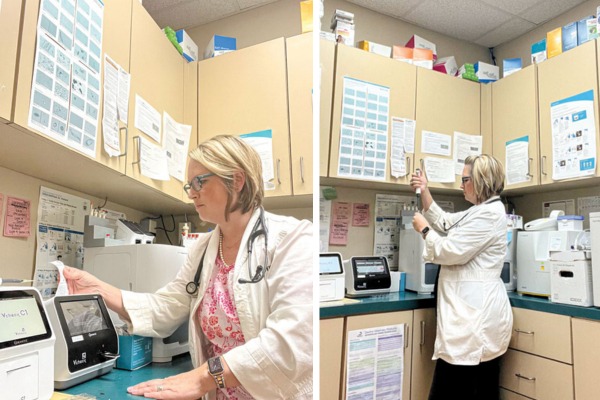
Choosing a diagnostic tool is a clinical and operational decision: the right fit can help a team reach timely answers, while a poor fit may add cost, steps and uncertainty. Companion animal practices have more options than ever, including new tests, software platforms and AI-supported tools. The task is to select a set that serves patients and works for the people who use and pay for it.
That calls for a strategy rather than a response to each new product. A useful diagnostic system should support sound medical decisions, fit the practice’s finances and workflow, and help clients understand why a test is recommended.
Look beyond the purchase price
Equipment price and per-test margin give only part of the financial picture. Practices also need to consider financing, reagent pack sizes, quality-control materials, consumables, service agreements, staff time and the work involved in handling send-out tests. Repeat testing caused by errors can add further costs.
Long-term agreements deserve close review. Some arrangements include production thresholds, bundled prices, equipment incentives or penalties for low use. They may offer short-term value, but they can also commit a hospital to one platform for years. As the practice’s needs and available tests change, that commitment can limit its ability to adapt.
The practical question is whether the whole platform delivers value for the practice and its patients. Consider how often the tests are likely to be used, whether their results can guide care, and what staff time and supplies they require. A device that looks affordable at first may be a poor fit if its ongoing costs or workflow demands don’t match actual use.
Choose for the team that will use it
Veterinarians need timely, reliable information, but each new test also brings decisions: when to use it, how to interpret the result, what its limits are and how much confidence it supports. With busy schedules and complex cases, a crowded menu can increase cognitive load instead of making care easier.
Tools are most useful when they provide actionable results and a clear role in clinical decision-making. Before bringing in a platform, consider whether the team can learn to use it consistently and whether its results will lead to a defined next step. A test that adds data without clarifying care may create more work without improving the decision.
Implementation matters as much as selection. Without agreed protocols, staff may use a test inconsistently, repeat work, miss follow-up or feel frustrated by a new system. Onboarding, hands-on training and case-use guidelines help establish who should use a test, when it’s appropriate and how results should be handled.
Staffing capacity is another part of the fit. Diagnostics should help teams make informed decisions efficiently, not add a complicated process to an already full day. Review the steps from collecting a sample to communicating the result, and identify where a new tool might reduce delays or create extra tasks.
Make the result meaningful to clients
Clients may want advanced care while also weighing the cost. Clear explanations can help them decide: describe what a test measures, how the result could affect the care plan and why it’s appropriate for their pet. When the clinical purpose and price are easy to discuss, clients have a better basis for making an informed choice.
Speed can matter to worried owners. In-clinic or near-patient testing may give a practice useful information sooner than waiting for an outside result, provided the team can interpret it appropriately. Timely answers can support a conversation about next steps, but they don’t replace careful clinical judgment.
Clients may also arrive with information from websites, social media, pet health apps or AI symptom checkers. A team can acknowledge their concerns, explain what applies to the individual animal and connect a proposed test to the clinical question at hand. This keeps the conversation focused on the pet rather than on a generic online result.
Build a system that can adapt
New biomarkers, software connections and AI-supported tools may emerge over time. A platform should address current needs while leaving room for a practice to grow. Replacing equipment before it has earned an adequate return can be impractical; holding on to a system that no longer serves the team can also limit care. Flexible choices make future changes easier to assess.
Practices can weigh each option against a short set of questions: Could it improve patient care or a clinical decision? Does it suit the workflow and staffing model? Can the team be trained to use and interpret it consistently? Do the full costs make sense for expected use? Can staff explain its value to clients?
For a new practice, the review can begin with the tests needed to support its medical focus and business plans. An established hospital might start by examining current agreements, how often tests are used, workflow delays and unmet needs. Stacey Hendershott, DVM, DABVP (Canine/Feline), describes expanding point-of-care diagnostics in her own practice to support medical quality and workflow while adding revenue without interfering with an existing contract.
A diagnostic menu should reflect the care a practice aims to provide, the capacity of its team and the choices clients can manage. Regularly reviewing use, costs and workflow helps keep that menu useful as needs change.
Stacey Hendershott, DVM, DABVP (Canine/Feline), is a small animal veterinarian focused on internal medicine and oncology at Pleasant Grove Animal Hospital in Texarkana, Texas. She works with her husband, Ben, a licensed veterinary technician.


