Sample No. 0182
Veterinary Dental Tools and Techniques for Easier Tooth Extractions
Learn how elevators, luxators, powered instruments and burs can help veterinary teams free firmly rooted teeth with greater control and care.
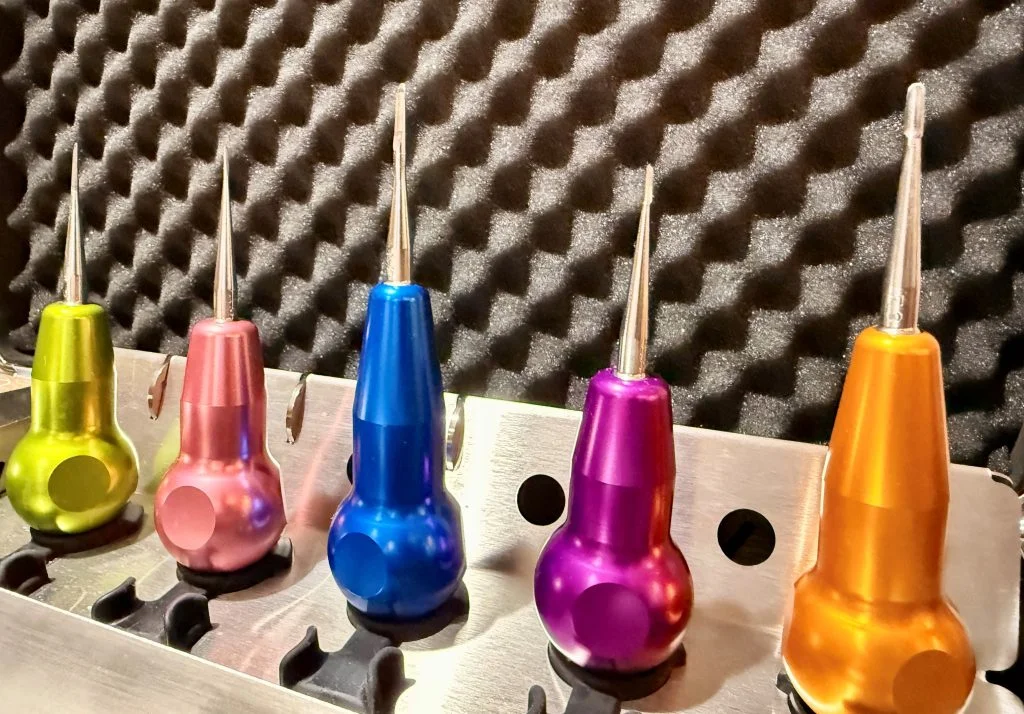
Freeing a firmly rooted tooth depends on understanding what holds it in place. For veterinary teams, newer and specialized instruments can make that work more controlled: some stretch the supporting fibers, others cut them, and burs can create access around a stubborn root. The choice depends on the tooth and the tissues around it, with technique and instrument control central throughout.
Start with the periodontal attachment
The periodontium includes the cementum covering the root, the alveolar bone, gingival connective tissue and the periodontal ligament between root and bone. That ligament contains collagen fiber bundles, matrix and blood vessels. Collagen makes up roughly 50–75 percent of its volume, and millions of fibers must be torn or cut for a tooth to leave its socket.
That anatomy explains why extraction is not simply a matter of applying more force. The goal is to release the attachment along the root while limiting unnecessary pressure on surrounding structures. Different instruments approach that goal in different ways, and a careful sequence can make a difficult tooth more manageable.
Elevators stretch the ligament
Before working around the root, the gingival connective tissue is separated with a blade or periosteal elevator. A 15C scalpel blade is commonly favored for this incision and for releasing incisions when needed. A sharp periosteal elevator is useful for lifting mucogingival flaps.
Winged, or Wiggs, dental elevators have narrow projections that enter the periodontal ligament space. Once seated, the handle is turned to apply leverage. This stretches and tears the ligament fibers that hold the tooth in its socket. For some firmly rooted teeth, that action is enough to loosen the tooth for delivery.
Elevators work through leverage, so steady positioning matters. If the tooth does not release readily, reaching for a more suitable instrument can be a better next step than increasing force. The anatomy and the feel of the tooth should guide the technique.
Luxators cut the attachment
Luxators are thin, blade-like instruments designed to cut periodontal ligament fibers. Rather than turning the handle to lever the tooth, the operator seats the blade in the ligament space and moves it side to side in a controlled, short arc. The motion resembles a windshield wiper and helps the blade advance along the root, severing more of the attachment.
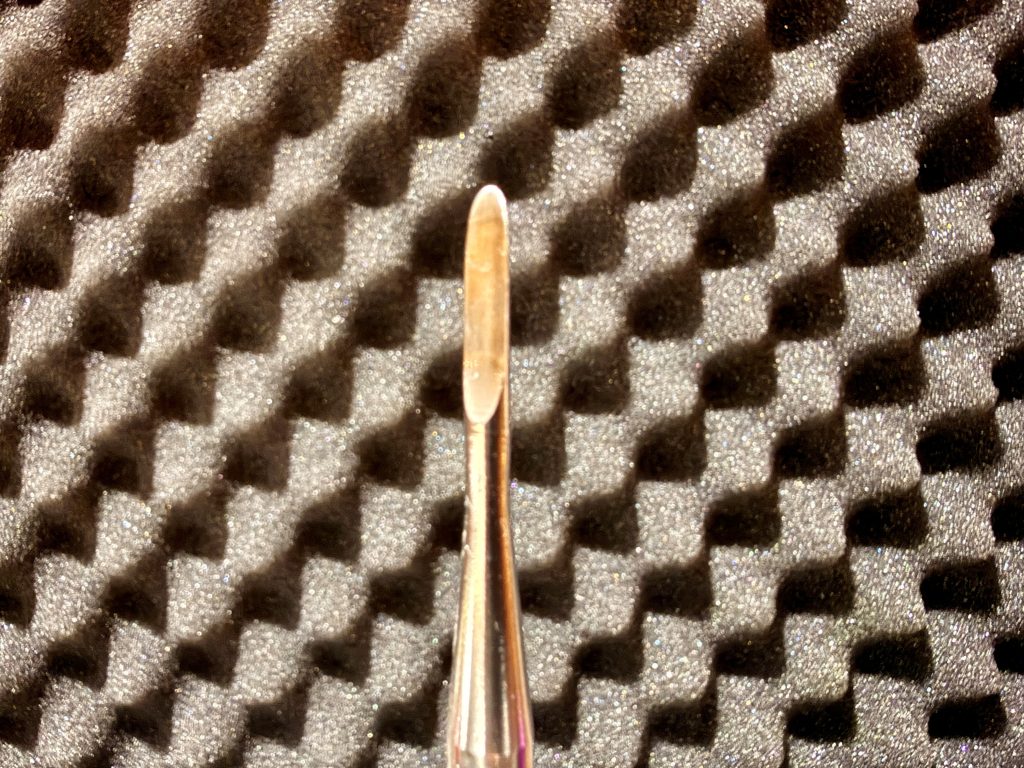
The periodontal ligament space is typically about 0.25 millimeters wide, so luxator blades are very thin. That narrow profile makes them useful in the space, but also leaves them vulnerable to dulling and damage. Regular sharpening and replacement are part of keeping them effective. Some systems offer removable blades, and replacement programs can reduce the need for frequent sharpening.
Because both elevators and luxators are sharp, the instrument must remain under control. Keeping the index finger extended along the shaft provides a physical stop if the instrument slips, which may help protect nearby structures. This safety habit matters especially when working in a confined area where a sudden movement can carry the blade farther than intended.
Powered instruments for challenging cases
Veterinary dental specialists and some general practices that perform extensive dental work may use powered tools for difficult extractions. An automated periotome drives a thin blade into the periodontal ligament space with a repeated, jackhammer-like action. It can help free a stubborn tooth, but it is not intended for cases where the ligament space is ankylosed, and its thin, flexible tips can break.
Piezosurgical units are used in oral surgery in both human and veterinary patients. The author describes using one for maxillectomies and mandibulectomies, as well as occasionally for challenging extractions. Extraction tips can be used even when ankylosis is present. Although they are shorter than automated periotome tips, they can be advanced up to about 10 millimeters to release periodontal attachments.
These tools are options for trained teams working through difficult cases; their distinct designs and limits matter. A powered tip’s ability to reach the attachment does not remove the need for careful positioning and control.
Create access around a stubborn root
A high-speed bur with a long shaft and a very thin working end can create a narrow “moat” around a root that needs removal. This technique has replaced pulverizing the root into small pieces. The bur follows the root’s outer edge and removes some bone from its buccal side, opening a window through which the root can be gently pried.
A small luxator, Davis root tip elevator or the small end of a feline periosteotome can then enter the space on the lingual or palatal side of the root. Gentle leverage from that position helps deliver the root. The approach focuses on locating and freeing the root’s perimeter, rather than drilling it away indiscriminately.
The ¼ surgical length round bur is one option for this work. Its delicate working end can break if handled heavily or if the metal has fatigued, so the author’s practice treats it as a single-use instrument. That detail underscores a practical point: small, specialized tools can support a precise technique, but their condition and handling affect how reliably they perform.
For owners, the value of these methods is indirect but meaningful: extraction is a veterinary procedure, and the instruments are selected and used by the dental team. If a pet has a dental problem or signs of oral discomfort, a veterinary assessment can determine what care is appropriate. For clinicians, the lasting takeaway is to match the instrument to the attachment and the access needed, then let controlled technique do the work.


