Sample No. 0173
Jonathan the Tortoise’s DNA Offers Clues to a Long, Healthy Life
Research into Jonathan’s DNA points to gene regulation, cell repair and mitochondrial function as possible clues to his exceptional longevity.
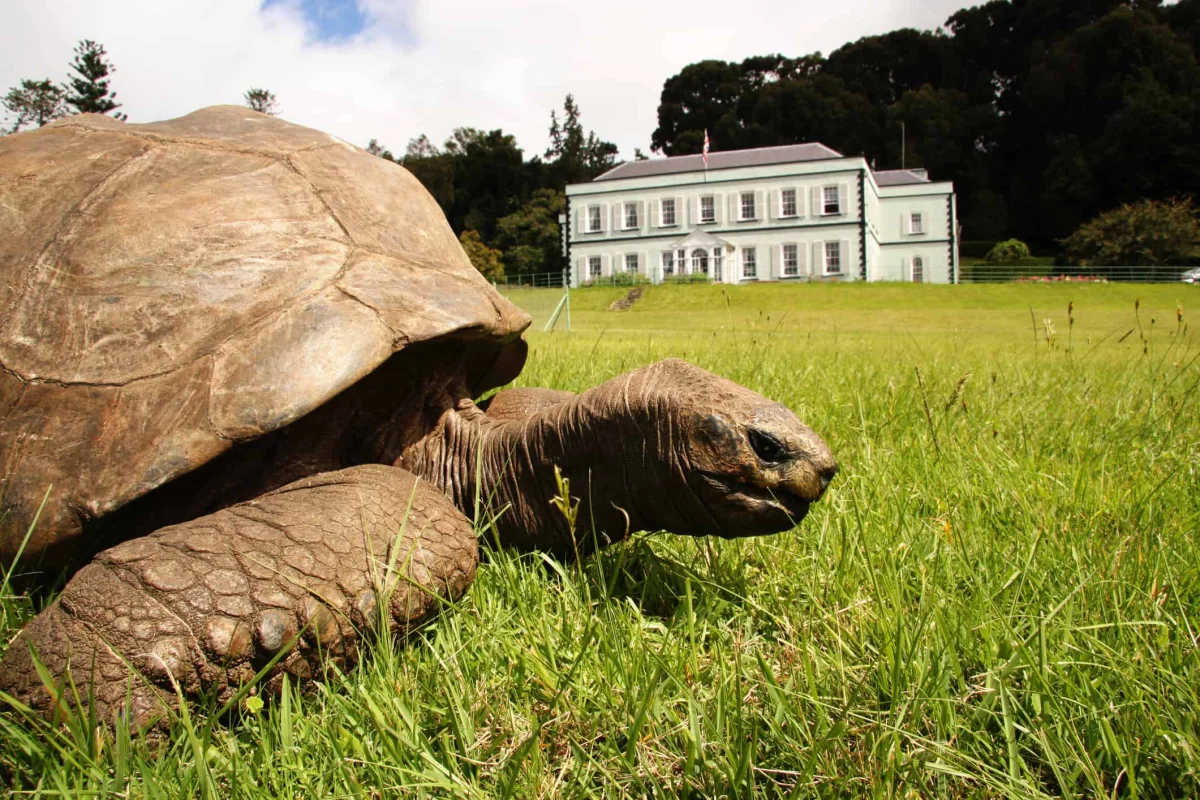
Jonathan’s extraordinary age makes him a rare subject for studying animal longevity, but his DNA research offers clues rather than a recipe for a long life. Scientists found gene variants and patterns of gene regulation linked to processes such as DNA repair, mitochondrial function and the removal of aging cells. They can’t yet say whether these features explain why Jonathan has lived so long.
The Aldabra giant tortoise lives on St. Helena, where people care for him as he ages. His story connects those everyday details of care with a much larger research question: how do some animals remain healthy for so many decades? The recent study examined Jonathan’s genetic material and compared it with that of other tortoises, including a younger Aldabra tortoise named Tank.
A long life on St. Helena
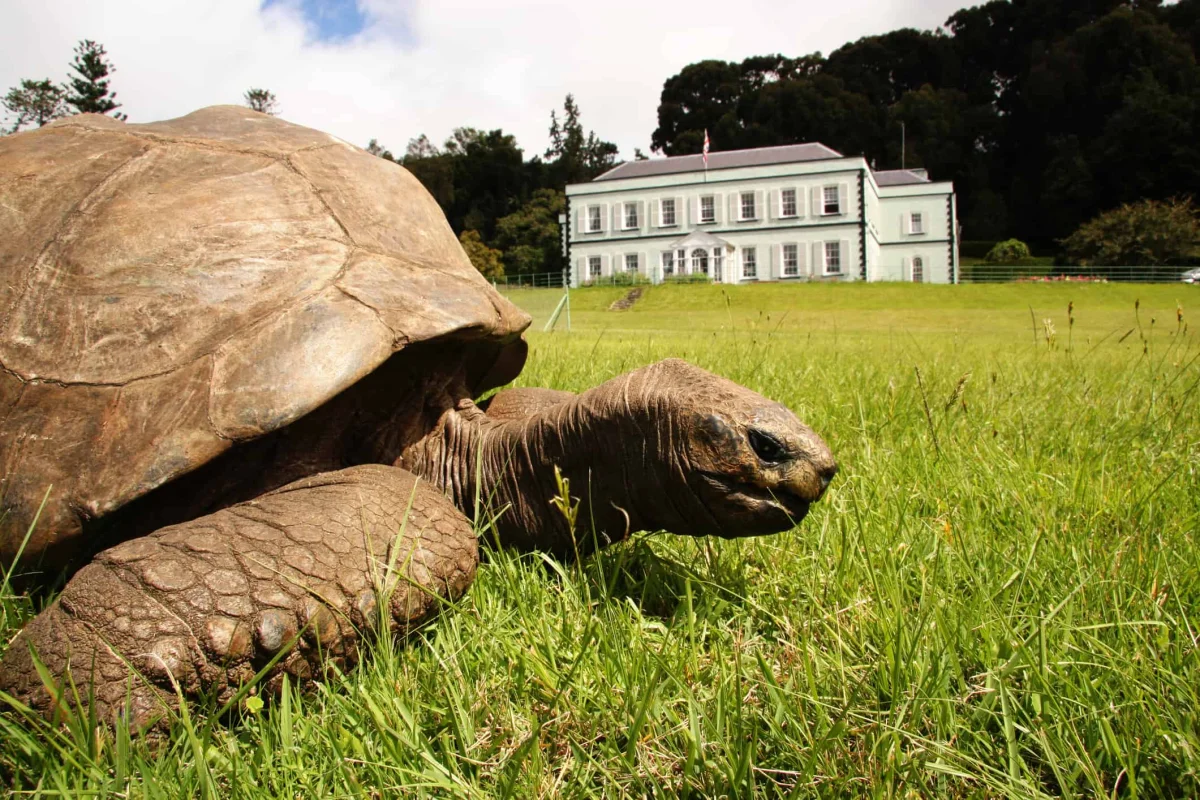
Jonathan spends time greeting visitors, eating fruit and sharing the grounds of the governor’s plantation on St. Helena with his tortoise companion Frederica.
©iStock.com/StHelena
Jonathan is thought to have hatched in 1832 in the Seychelles, an island group in the Indian Ocean. Around 50 years later, he and three other tortoises arrived on St. Helena as a gift for Sir William Grey-Wilson, who later became the island’s governor. He was named Jonathan in the 1930s, during the governorship of Sir Spencer Davis.
Accounts of his younger years describe a tortoise with a mischievous streak. He reportedly tipped benches near the tennis court and interrupted croquet by sitting on the balls. With age, he became more settled while remaining active. Today, he is familiar with people and responds to their voices. He has lived through 31 governors’ terms.
His care has changed as his needs have changed. Cataracts have left him blind, so he can no longer find food by foraging on his own. His veterinarian provides fruit and vegetables once a week. He shares his days with Frederica, a tortoise who arrived at the governor’s residence in 1991. Frederica was initially thought to be female; later, the tortoise was found to be male.
Jonathan’s age is estimated at about 192 to 194 years. The exact figure is uncertain, but his documented history supports his standing as the oldest living land animal. Tortoises in his species often live beyond 100 years, making his age exceptional even among long-lived animals.
What researchers found in his DNA
Researchers associated with Vanderbilt University and other organizations set out to investigate possible biological clues to Jonathan’s longevity. Drawing blood from him was considered a health concern, so the team collected saliva and cheek swabs instead. These samples can be harder to use for assembling long, intact DNA sequences.
To work around that challenge, the researchers used short-read DNA sequencing, which produced more than a billion reads. They also sequenced blood from four other tortoises, including Tank, a younger Aldabra tortoise. Comparing Tank’s genetic material with Jonathan’s helped provide context for the older animal’s results. About 93% of the samples aligned, including protein-coding genes and mitochondrial DNA.
The study found that some of Jonathan’s gene-regulating patterns appeared unusually youthful. DNA methylation is one way cells influence whether genes are active. Researchers reported that Jonathan’s methylation entropy, a measure related to the stability of these regulatory patterns, was lower than that of every tortoise they studied except a five-year-old juvenile. That result suggests his gene regulation may differ from what researchers would expect in an animal of his age.
The team also identified 287 genes with variants they described as unique. Some were associated with tumor suppression and DNA repair; others encoded proteins involved in targeting and eliminating aging cells. The researchers also pointed to pathways connected with mitochondrial function, insulin regulation and telomere function. Mitochondria help cells produce energy, while DNA repair and cell removal are among the processes that may affect how tissues age.
Clues, not a proven explanation
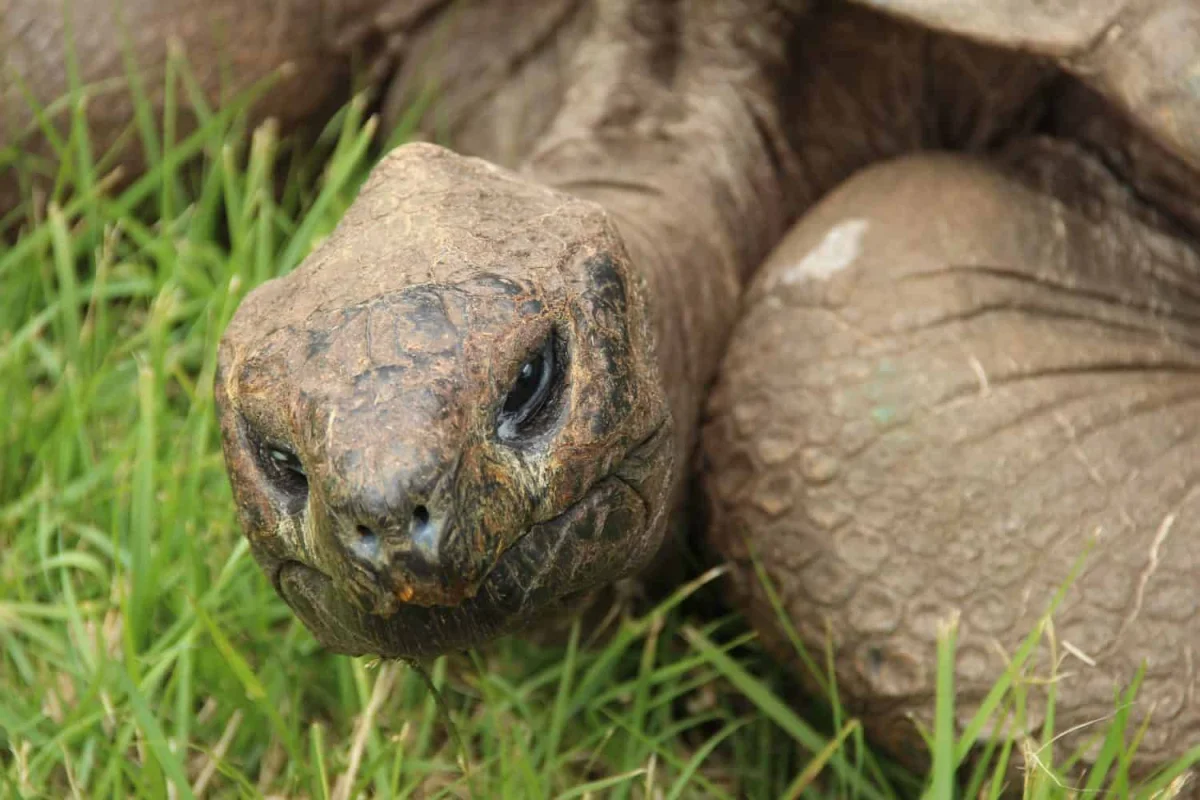
Researchers noted similarities between aspects of Jonathan’s mitochondrial function and findings from research on people who live beyond 100.
©Nix images/Shutterstock.com
Co-lead author Benjamin Vaisvil told Reuters, “We found changes in Jonathan’s genome in pathways associated with longevity, like DNA repair, mitochondrial function, insulin regulation and telomere function.” Those findings point to several biological systems for further study, but they don’t establish which, if any, caused Jonathan’s long life.
The researchers stressed that they can’t tell whether the observed traits are specific to Jonathan. Other influences may matter, too. His diet and long life in a tropical setting could have contributed to his health, and the study doesn’t separate those effects from his genetic characteristics. One animal’s results also can’t show that the same traits will have the same effect in other tortoises or in people.
Some of the pathways described in the study also appear in research on long-lived people. The researchers pointed to a study of a 117-year-old woman whose mitochondrial function showed similarities to their findings on Jonathan. That comparison is a useful direction for research, but it doesn’t mean that tortoise and human aging work in identical ways.
For owners and caretakers, Jonathan’s story is a reminder that long-lived animals may need changing support as they age. When vision or mobility affects an animal’s ability to find food, caregivers should work with a veterinarian on appropriate routines and diet. Jonathan’s particular care plan is specific to him; the source provides no basis for applying it to other tortoises.
The genetic findings add possible explanations for Jonathan’s remarkable lifespan, while leaving the central question open. Further comparisons with other tortoises may help researchers understand which features are shared across the species and which are unusual in Jonathan. For now, his care and the study together show why observing an individual animal over time can offer valuable clues without turning those clues into certainty.


