Sample No. 0171
Radiocarbon in Whale Teeth Reveals Age, Diet and Migration Clues
Radiocarbon and stable isotopes in whale teeth helped researchers reassess age estimates and trace changes in diet and movement.
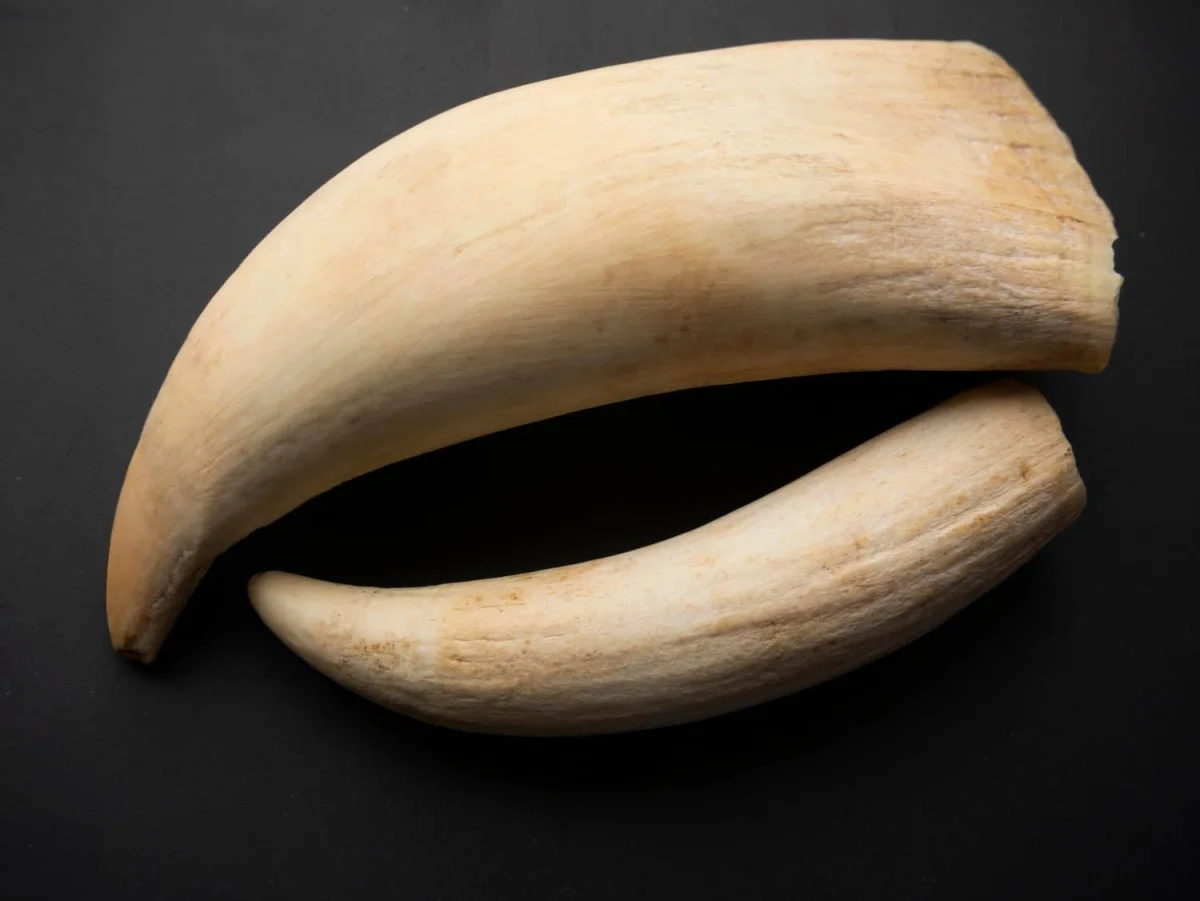
Whale teeth can hold clues to an animal’s age and life history, but their growth layers don’t always tell the whole story. A Scottish research team found that radiocarbon measurements can help check those layers, revealing that they may become less dependable as whales grow older. The same teeth also preserve chemical signals linked to diet and movement.
The study, published in Frontiers in Marine Science, examined teeth from two sperm whales and three killer whales found dead on the Scottish coast in earlier decades. Researchers compared radiocarbon in successive tooth layers with the known rise in environmental radiocarbon during mid-20th-century nuclear testing. They also measured stable carbon and nitrogen isotopes, which can offer clues about feeding habits and where an animal foraged.
Reading a chemical trace
When nuclear tests released radiocarbon into the atmosphere, some of it entered the oceans and food webs. As whales formed tooth layers, those layers could capture the changing radiocarbon signal. Researchers used an accelerator mass spectrometer at the Centre for the Isotope Sciences to measure radiocarbon in the samples and relate it to the timing of tooth growth.
The approach draws on a simple principle: contact leaves traces. In this case, a signal that spread through the environment became a marker preserved in animal tissue. Comparing that marker with tooth layers lets researchers assess when parts of a tooth formed and test whether counting layers gives a reliable age.
For years, scientists have treated whale tooth layers much like tree rings. The new results suggest a more qualified view. Layer counts can provide useful information, especially earlier in life, but they may underestimate age in older whales. Radiocarbon offers an independent way to check those estimates, although the study’s findings come from a small set of animals.
Age estimates and migration clues
One tooth belonged to Moby, a sperm whale that died in 1997. The radiocarbon evidence indicated that he was at least 43 years old. The earliest layers in his teeth formed before the radiocarbon increase associated with nuclear testing had spread through the oceans, giving the team a reference point for interpreting later growth.
The second sperm whale was found on an Orkney beach in 1994. Its tooth layers lined up with the radiocarbon record and indicated that it was younger than Moby. Both sperm whales showed rising nitrogen isotope values as they aged. That pattern fits previous research suggesting that male sperm whales begin life in subtropical waters and later move toward cooler, higher-latitude areas.
The difference between layer counting and radiocarbon dating was especially striking for a male killer whale found stranded on South Uist in 2015. Counting the visible layers suggested an age of about 50. The radiocarbon results instead indicated that he was at least 65, which would place him among the oldest male killer whales on record.
That gap matters because age estimates shape what researchers can infer about a species’ life history. If tooth layers become harder to interpret in older animals, relying on them alone could make long lifespans appear shorter. Pairing layer counts with chemical dating gives researchers a way to identify and account for that uncertainty.
A different signal in Lulu’s teeth
Teeth from Lulu, a female killer whale that died in 2016, contained no apparent trace of the nuclear testing signal. They did, however, carry a radiocarbon signature associated with Sellafield, a nuclear reprocessing facility in northwest England. The signal had reached the west of Scotland, and its presence in Lulu’s teeth offers an early example of radiocarbon from a civilian facility recorded in whale tissue.
The stable isotope results also pointed to differences in feeding among the three killer whales. The South Uist male and a male from Shetland had lower nitrogen isotope values, consistent with diets based mainly on fish. Lulu’s teeth showed much higher values, suggesting that marine mammals made up a larger part of her diet.
Those chemical readings don’t provide a complete account of any whale’s life. They do, however, add evidence that tooth tissue can retain useful signals about where and how an animal lived. For researchers, combining age markers with diet clues builds a more detailed picture than either type of measurement can provide alone.
What the findings add
The work began, in part, with lead author Dr. Kieran Tierney’s long-standing interest in Moby. Tierney first saw the sperm whale as a child and later saw photographs of the animal dead on shore. He told Phys.org that the questions about Moby’s death and life had stayed with him, and that studying one of the whale’s teeth decades later was personally meaningful.
The research gives scientists a way to revisit age estimates while learning about diet and possible changes in location over a whale’s lifetime. Its small sample means the results don’t settle how well tooth layers work across all whales or ages. Still, the mismatch in the older killer whale shows why independent checks matter. Combining radiocarbon dating with stable isotope analysis may help researchers build clearer life histories from the traces whales leave behind.
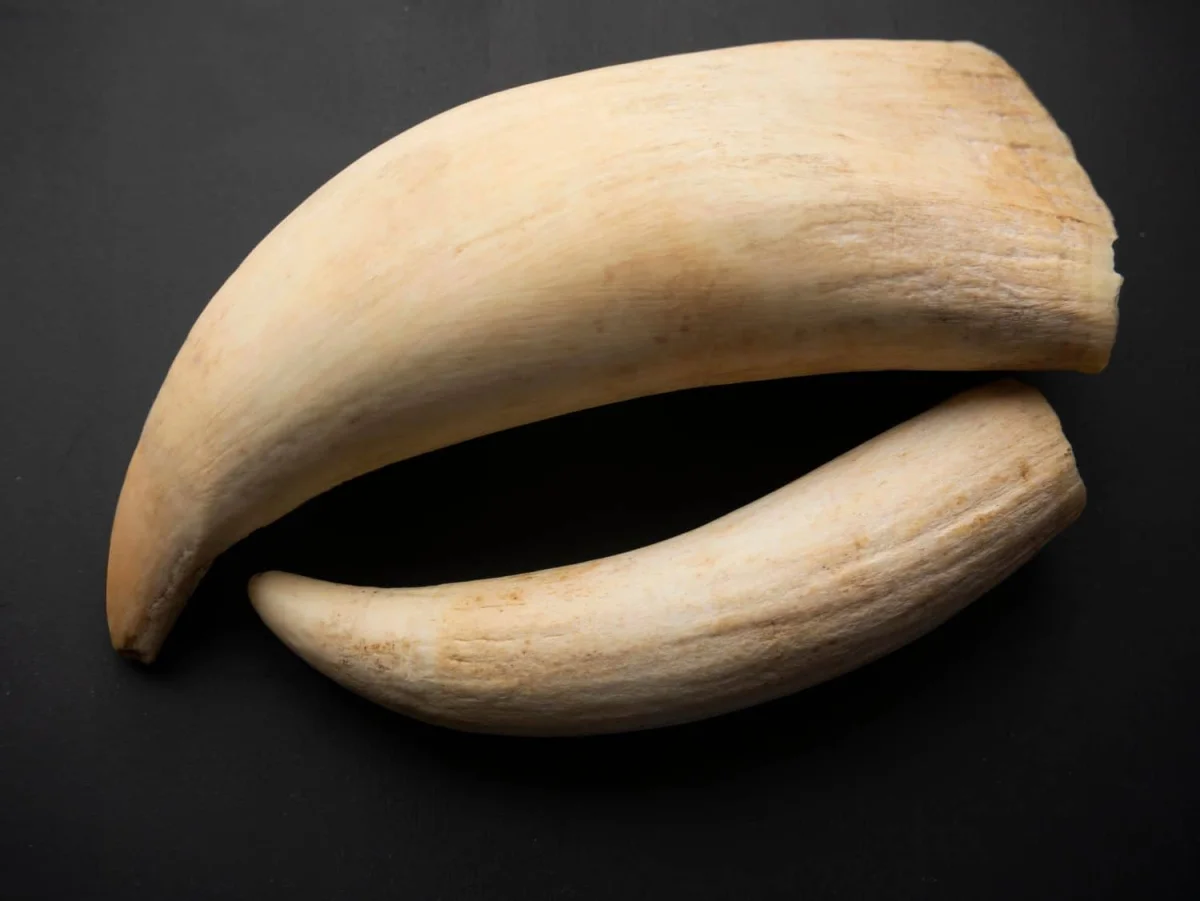
Scientists assumed whale teeth formed like rings on a tree. New research paints a more nuanced picture of the process.
©ldesignl/Shutterstock.com

Testing of teeth from whales stranded on the Scottish coast showed surprising differences in diet.
©jimmonkphotography/Shutterstock.com
For readers interested in the research background, see the papers on Locard’s exchange principle, whale tooth growth layers, the killer whale age findings, and the Sellafield signal.


