Sample No. 0167
Veterinary AI Works Best With Veterinarians and Pet Owners Involved
Veterinarians can help shape useful AI tools, guide clients toward trusted resources and make pet records easier to share and understand.

AI is already changing veterinary work and the way pet owners seek health information. The key question is who helps shape these tools and how they’re used. Veterinarians bring clinical context that can help make AI more useful for practices and safer for clients navigating questions about their pets.
That involvement matters as owners take a more active role in their animals’ care. Online searches and general AI chat tools can return information that’s inaccurate, alarming or detached from an individual animal’s health history. A veterinarian can help clients find resources developed with veterinary input, explain what those resources can and can’t tell them, and encourage them to bring questions back to the care team.
Bring clinical judgment into AI use
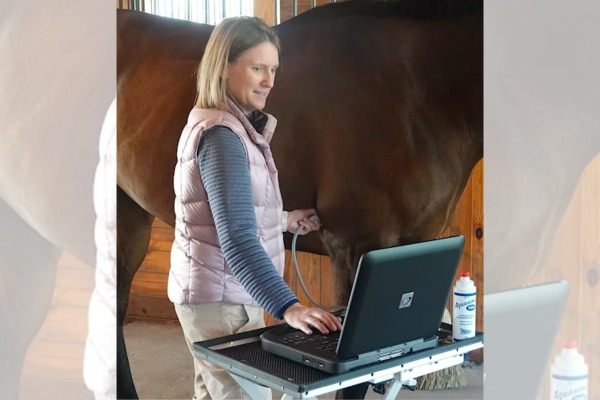
Veterinarian Kate Echeverria says she began with doubts about AI, then explored its potential with guidance from advisors. Her experience points to a practical approach for clinics: learn what a tool does, examine how it was developed and decide whether it fits the team’s needs. Comfort with specific tools will vary, but professional input can help identify sensible uses and limitations.
AI is appearing in veterinary settings through transcription, digital scribing and radiographic interpretation. These applications may support routine work, but clinics still need to assess whether they perform appropriately in their setting. Veterinarians who use these systems can offer feedback based on real clinical needs, helping developers understand where a tool is useful and where it needs improvement.
Veterinary groups are also helping professionals learn about the technology. The American Veterinary Medical Association and the American College of Veterinary Internal Medicine have AI task forces examining its use and supporting education. The September 2026 issue of Veterinary Clinics of North America: Small Animal Practice is devoted to artificial intelligence in small animal medicine, including how veterinary professionals can assess, adopt and contribute to AI tools.
That last role extends beyond clinic software. Pet owners are using digital resources to learn about symptoms, treatments and medication questions. Veterinarians can help shape these client-facing tools so they offer information with appropriate veterinary guidance, and can recommend resources they consider dependable.

When a search misses the clinical context
Echeverria describes a case in which a mare needed two medications for separate diagnoses. She discussed giving the medications together with the owner, reviewed potential side effects to watch for, and consulted the mare’s regular veterinarian, who agreed with the plan. Echeverria also drew on her experience using the medications together in other horses without adverse effects.
After the mare received both medications, the owner searched online and became worried by claims of serious reactions and long-term consequences. Echeverria and the regular veterinarian heard from the distressed owner. In their view, the search results did not reflect the mare’s individual circumstances or the veterinarians’ treatment plan. After they spoke, the owner accepted that the online information had been misleading and that she could rely on the advice she’d received from her care team.
The exchange illustrates why online information should prompt a conversation with a veterinarian rather than replace one. A resource may describe a possible concern without knowing an animal’s diagnoses, treatment history or the reasoning behind a particular plan. For owners, a useful routine is to ask the veterinary team about questions that arise online and to check whether a recommended resource has veterinary input.
Make records easier to use
Organizing medical records is another promising area for AI. Unlike people, pets don’t have a single shared record system that lets each veterinary team quickly see their history. Owners may not recall every diagnosis, test result or treatment when they visit a new clinic, especially during an urgent visit.
Some pet health tools let owners or veterinary teams collect records, laboratory results, vaccination details and other information, then share them with a veterinarian. AI may help arrange that material into a useful snapshot, so a clinician doesn’t have to search through years of notes to find relevant details.
Shared records can be especially useful when a pet needs urgent or emergency care away from its usual clinic. Echeverria also sees value for competition horses that travel and may need care from a new veterinarian or team. In either situation, accessible records can give the examining professional a clearer picture of the animal’s health history.
Some apps also let owners track observations and changes over time. Those notes can help make appointments more focused: clients can describe what they’ve seen at home and ask informed questions. A stronger connection between home observations and clinic records may also help owners understand why a veterinarian recommends bloodwork or additional testing.
Keep the care relationship central
AI tools can help organize information and support practice workflows, but their value depends on how well they serve animals and the people caring for them. Veterinarians can set their own comfort level with workplace tools, stay informed about how those systems work and share feedback as they evolve. They can also tell clients which resources they trust and encourage a call to the clinic when an online answer raises concern.
The aim is to help owners become more prepared and proactive while keeping veterinary judgment central to care. When clinics, clients and developers all have a voice in shaping these resources, AI has a better chance of supporting clear communication and informed decisions. For now, the most practical step is for veterinary teams to learn what’s available and guide clients toward tools that keep their pet’s individual health in view.


