Sample No. 0166
Continuing Education Can Strengthen Veterinary Technicians’ Professional Identity
Thoughtful continuing education can build technicians’ confidence and skills when clinics pair learning with recognition, mentorship, and meaningful responsibility.


Continuing education can shape how veterinary technicians see their work, understand their responsibilities, and plan their careers. Its value reaches beyond new clinical knowledge: when a practice recognizes learning and makes room for technicians to use it, education can help connect skills with confidence, professional standing, and a clearer role on the team.
That connection matters in a field whose responsibilities have grown substantially since veterinary technology emerged in the 1960s. The work developed from a focus on restraint and assisting veterinarians into a profession supported by American Veterinary Medical Association-accredited programs. Today, credentialed technicians may perform advanced nursing procedures, induce and monitor anesthesia, provide dental care, and take on other complex clinical tasks. Specialization and further education give technicians additional paths for development.
Those opportunities can help address a persistent challenge: a technician’s training and abilities may not always match how others perceive or use the role. Public misunderstandings about scope of practice, unclear expectations within a hospital, and overlap between credentialed and non-credentialed staff duties can all affect a technician’s sense of professional purpose.
Identity connects self, team, and practice
Professional identity describes how someone understands and experiences their place in a profession, including their purpose, duties, and responsibilities. The Identity Triangle Model, first developed for K-12 teachers, offers one way to understand how that identity takes shape. It brings together three connected areas: psychological, relational, and behavioral.
The psychological area concerns a person’s internal sense of self and the story they tell about their work. The relational area reflects how colleagues, clients, and others recognize and position that person. The behavioral area involves the actions, responsibilities, and daily practices through which a professional carries out the role. A strong professional identity can develop when these three areas reinforce one another.
Continuing education can contribute to each area. Learning may help a technician see themselves as a skilled practitioner rather than someone limited to a list of tasks. Applying new knowledge can make that skill visible to colleagues and clients. Recognition and new responsibilities can then reinforce the technician’s understanding of their contribution.
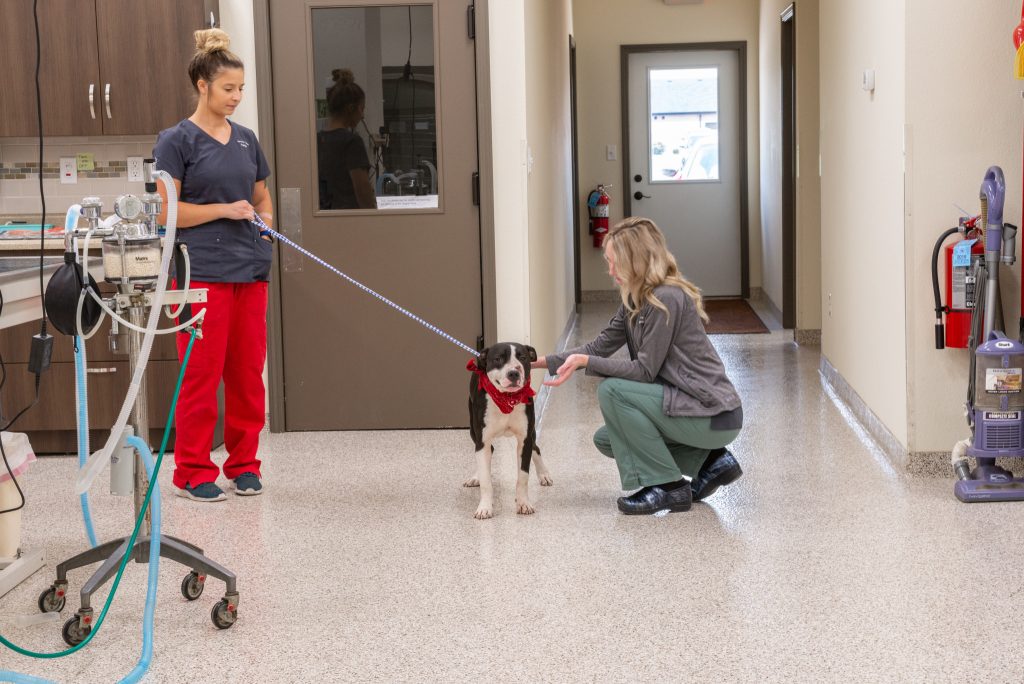
Learning needs a place in daily work
Education can prompt technicians to reflect on their experiences, values, and future goals. Additional credentials or advanced certifications may also serve as visible signs of expertise. Conferences and educational events offer another benefit: they let technicians meet peers and connect with a broader professional community. These experiences can strengthen a sense of belonging as well as knowledge.
Yet learning has the greatest effect when technicians can put it into practice. A technician who gains confidence in an advanced skill may be ready to take on more complex cases, contribute to client education, or accept a leadership responsibility. As new practices become part of daily work, colleagues have more opportunities to see and acknowledge the technician’s expertise. That recognition can further shape how the technician understands their role.
The process can run in the other direction, too. A mismatch between a technician’s new abilities and their opportunities at work can create frustration. Someone who has gained skills and confidence but receives no chance to use them may find that their internal sense of growth does not match the position they hold on the team. That tension may add to work strain and burnout.
Emotional demands make support especially relevant. Technicians may enter the profession with a strong desire to care for animals and people. Repeated exposure to financial limits on treatment, euthanasia, and patients who cannot be cured can wear on that sense of purpose. Some may question whether they remain empathetic, whether they fit the work, or whether a long-term career is sustainable. Education alone cannot resolve those pressures, but reflection, collegial support, and clear opportunities to grow can help technicians make sense of their experiences and consider a path forward.
Turn education into professional growth
Practice leaders can support this process by treating continuing education as part of career development. After a course or conference, a short reflective conversation can help a technician identify what they learned, where it could fit into practice, and how it relates to longer-term goals. Mentorship can give technicians a place to discuss those questions and connect skill development with professional growth.
Recognition matters as well. Leaders can acknowledge new credentials and learning, then review whether a technician’s responsibilities should expand in ways that fit their skills and the practice’s needs. Clear expectations help teams understand how technicians contribute and give technicians a more concrete sense of how their work is valued.
When education, recognition, and practice opportunities align, continuing education can reinforce a technician’s identity across all three areas of the Identity Triangle. It can support confidence within the individual, strengthen recognition among colleagues, and encourage new actions at work. The useful measure is not only what a technician learned, but whether the team creates room for that learning to shape their work.
Oriana D. Gradeles-Scislowicz, LVT, CPTD, PMP, is Patterson Veterinary’s senior manager and instructional designer for Patterson Veterinary Academy, with continuing education in management, clinical, and professional development.


