Sample No. 0156
Why Dogs Roll in Poop and Dead Animals, and How to Manage It
Dogs may roll in strong odors to explore scent, though the reason isn’t settled. Supervision, safe sniffing and reward based cues can help.
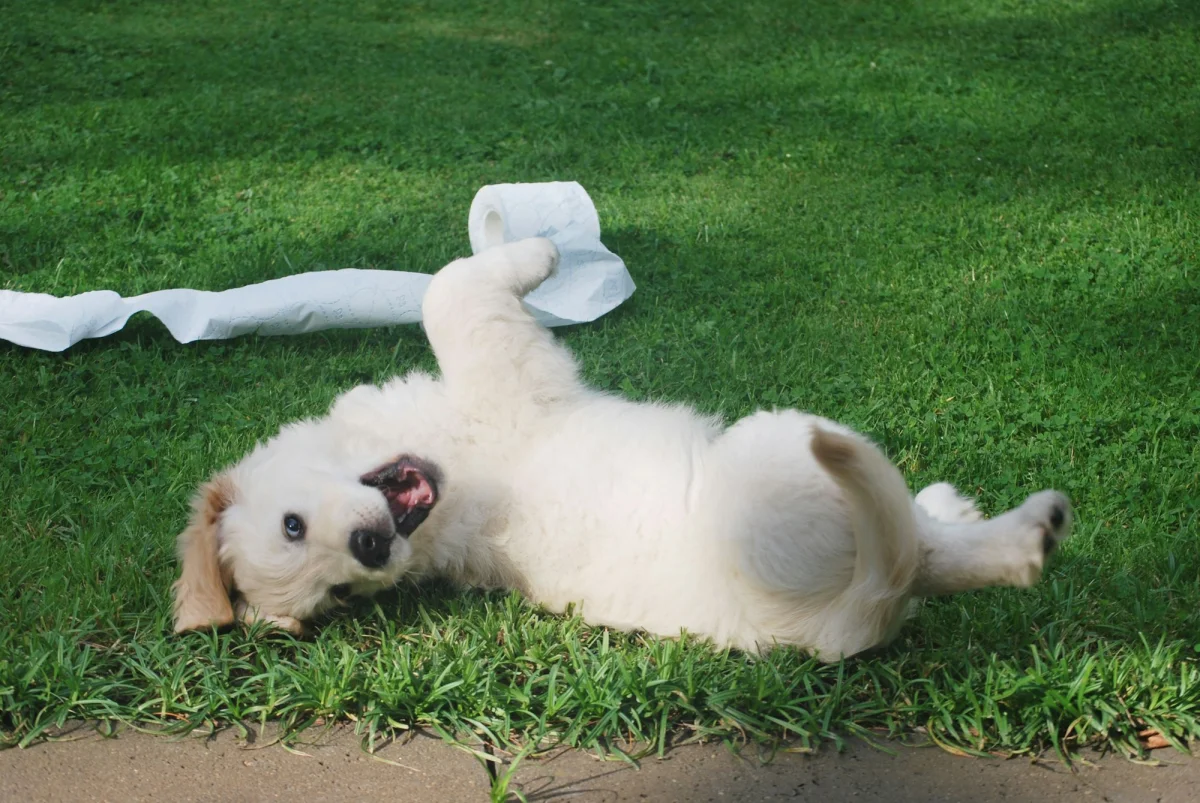

When a dog rubs its coat in feces or a dead animal, the behavior can seem baffling—and the cleanup is rarely pleasant. The best current explanation starts with a dog’s nose: strong, unfamiliar odors offer a rich source of sensory information. Researchers have proposed several possible functions for scent rolling, including communication and camouflage, but no single explanation has been confirmed.
What a strong odor may tell a dog
Dogs rely heavily on smell to explore their surroundings. Their noses can distinguish subtle odor differences, and scent can help them identify other individuals and gather information about what has been nearby. Feces, for example, carries chemical traces associated with the animal that produced it and its food. A dog investigating droppings with its nose may simply be taking in those cues; rolling could extend that exploration by transferring the odor onto its coat.
Some researchers think this transfer might serve as a form of scent communication. Dogs already use odors from urine, feces, glands and other parts of the body to leave information in their environment. Rolling in another animal’s scent could change what a dog carries, perhaps making the odor available to others. What that might communicate is still unknown.
Scent camouflage is another proposed explanation. Wild animals might cover their own odor with a strong smell from the environment, potentially making them harder for predators to detect. It’s an appealing theory, but evidence has not established that dogs roll in smelly material for this purpose.
Sometimes, the simplest possibility is that a dog is drawn to an unfamiliar smell. A 2024 study of captive wolves found that unfamiliar odors could prompt scent rolling. Deer and mouflon feces attracted interest, though responses varied by odor: some led to extended investigation or rolling, while others drew little attention. The researchers identified novelty as a likely trigger and said the behavior’s ultimate function remains uncertain.
Why carcasses and different droppings attract attention
A dead animal produces many volatile compounds as its tissues break down. People may find the smell repellent; dogs may encounter a complex odor worth investigating. Rolling could provide particularly intense sensory stimulation, but the idea that it evolved to disguise a dog’s scent while hunting remains a hypothesis, not a settled answer.
Dogs also differ in what they choose to investigate. One may pass over dog feces but focus on deer droppings; another may show interest in rabbit feces. There is no established rule that dogs prefer one species’ waste. Different animals produce different chemical odors, and a dog’s sensitivity can make distinctions that people would miss. Links about how far dogs can smell and research on odor and social recognition offer more background on canine scent.
Whatever the source, animal feces can carry bacteria, viruses or parasites. Avoid letting a dog investigate waste when the animal’s source or health is unknown, especially if it is fresh. Pick up your own dog’s feces promptly, limit direct contact with animal waste and wash your hands after handling it. More information is available on parasite prevention and dogs eating feces.
Manage the habit with supervision and rewards
Because strong smells can be highly engaging, stopping a dog after it has reached a target may be difficult. Prevention gives you a better chance to redirect. On walks, look ahead for droppings or carcasses, particularly in parks, fields, wooded areas and places where wildlife is common. Keep your dog close enough to guide away from a tempting spot.
Practise a “leave it” cue at home, where distractions are easier to control. Reward your dog for turning away, then build up gradually to outdoor practice around more interesting scents. A “watch me” cue can also help bring attention back to you. The aim is to make disengaging worthwhile, using food, praise or another reward your dog enjoys. The American Veterinary Society of Animal Behavior recommends reward based training approaches that avoid fear, pain and intimidation.
Give your dog safe chances to sniff during walks, too. Letting them investigate suitable odors can meet some of the same sensory needs while you set boundaries around waste and carcasses. The goal is to guide what your dog can explore, not to suppress all interest in scent. Resources on training cues, reward based training and why dogs sniff provide additional guidance.
Owners in a discussion among dog owners describe similar rolling habits and suggest cues, close supervision and early redirection. These are practical management ideas, though an online discussion can’t determine why a particular dog is rolling.
When to check in with a veterinarian
Consider contacting your veterinarian if rolling suddenly becomes much more frequent, occurs alongside excessive licking or itching, or appears with changes in appetite or stool. It’s also worth asking for guidance if your dog is eating feces. A veterinarian can assess whether health or behavior factors may be contributing and help you choose an appropriate response. Related resources discuss excessive licking, itching, appetite changes and stool changes.
There may never be one answer for every dog. For now, watch for the behavior’s triggers, make risky odors harder to reach, reward your dog for turning away and leave room for safe sniffing. That combination supports natural exploration while reducing messy—and potentially unhealthy—encounters.


