Sample No. 0155
What Your Dog’s Sleeping Position May Reveal About Comfort and Well-Being
Curled, stretched out or close beside you, your dog’s sleep style offers clues. Learn what changes to watch and when to seek veterinary advice.
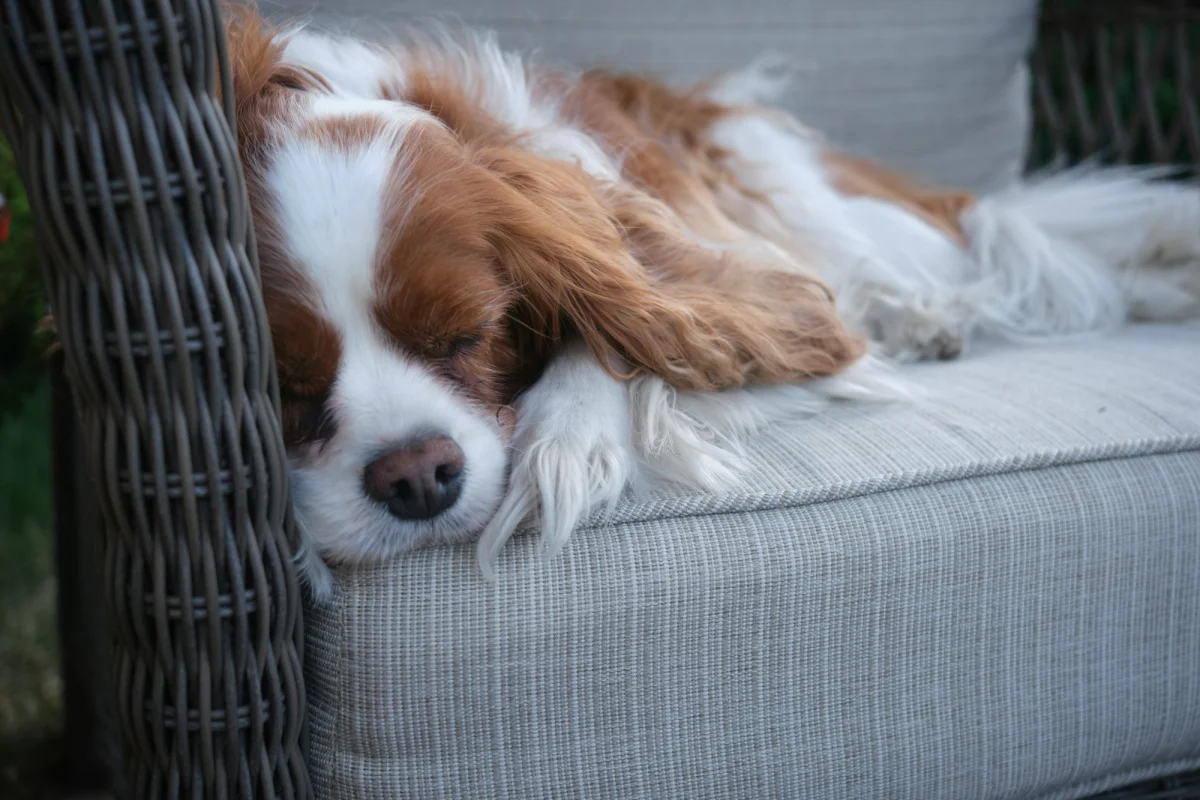

A dog’s sleeping position can hint at whether they feel warm, relaxed or ready to get up, but a pose alone can’t explain how a dog is feeling. The useful signal is a change from that dog’s usual routine, especially when it appears alongside signs of discomfort or altered behavior. Watch the whole picture: where your dog sleeps, how easily they settle, and how they act when awake.
Dogs choose positions for practical reasons as well as comfort. Temperature, surroundings, personal preference and physical condition can all play a part. A familiar curled-up posture may simply help a dog conserve warmth; the same posture appearing suddenly in a dog who usually stretches out deserves a closer look. There’s no universal translation for each pose, so treat these patterns as clues rather than conclusions.
What familiar sleeping poses can suggest
A dog curled tightly with its limbs tucked close, sometimes called the donut position, may be conserving body heat or seeking a sense of security. This posture can be common when a dog is cold, adjusting to an unfamiliar place or simply choosing a cozy position. Some dogs may be more reserved around new people, but a curled posture by itself doesn’t establish that they’re shy. Veterinarian Dr. Patrik Holmboe of Cooper Pet Care also notes that curling up can accompany feeling unwell. If the posture is new, keep an eye out for other changes and contact a veterinarian if you’re concerned.
Side sleeping, with the legs extended and the belly partly exposed, often suggests a dog is relaxed enough to settle comfortably. That doesn’t mean every dog who sleeps this way has the same temperament; it’s one position among many, and dogs may change poses throughout a rest. Some dogs appear comfortable sleeping this way in different places, while others favor it only in a familiar spot.
In the Superman pose, a dog lies on its stomach with the front legs reaching forward and the back legs stretched behind. It can look as though the dog is poised to spring up. Dr. Rahul Shendare (B.V.Sc. & A.H., M.V.Sc.) describes this posture as common in dogs resting while ready to rise. The source also mentions Pugs and French Bulldogs in connection with this pose. A dog lying belly-down with its head resting on its front paws is sometimes called the Lion’s Pose or Sphinx. That position can let a dog rest while staying alert to activity nearby.
When a dog sleeps on its back with its belly and legs exposed, the posture may look awkward to a person, but the dog may find it comfortable. Puppies are often seen in this position. An older dog may choose it less often if the posture puts pressure on its spine, as Holmboe notes. A shift in preference can be part of changing comfort with age; watch whether your dog still settles easily and moves normally when awake.
Some dogs curl up against a person or another pet, a position often described as cuddling. The closeness may reflect a preference for warmth and companionship. Other dogs choose a nearby bed or a quiet space of their own. Both patterns can be ordinary ways to rest. Give your dog a comfortable sleeping place and let them choose whether to share it.
Location and company are part of the picture
Where a dog chooses to sleep can help explain what feels comfortable to them. A dog that lies on a person may be seeking closeness or warmth, while one that sleeps alone but nearby may prefer more room while staying close to its household. These choices can vary with the time of day and the setting. A dog that cuddles at night but rests separately during the day may simply prefer different arrangements at different times.
One Reddit discussion describes an owner whose dog avoided sleeping on them during the day but cuddled at night. A commenter suggested the dog might prefer personal space while awake and seek comfort through closeness at night. That’s a possible interpretation, not a firm explanation of the dog’s motives. Let the dog’s repeated habits and comfort guide your understanding, rather than expecting every sleeping choice to carry a fixed meaning.
Notice sudden changes and signs of discomfort
A pose becomes more informative when it marks a clear change. Sleeping unusually upright, repeatedly changing position, avoiding one side or seeming unable to settle may point to discomfort. Breathing difficulty during rest also calls for veterinary attention. These signs don’t identify a cause on their own, but a veterinarian can assess what may be behind them.
Pay attention to changes in the context of your dog’s usual behavior. Note when the new sleeping pattern began, whether it occurs in one place or across settings, and what else has changed. You can also observe whether your dog seems comfortable getting up and moving after a rest. If the change persists, worsens, or comes with signs of pain or breathing trouble, contact a veterinarian rather than relying on the sleeping position to explain it.
A simple sleep record can help you describe what you’ve noticed: the posture, time of day, location and any accompanying change in behavior. A camera with night vision, such as the linked Petcube Cam, is one way to observe sleep when you aren’t nearby. The Petcube app is also mentioned as a pet-care resource. No monitoring tool can determine why a dog has changed position, so use observations to inform a conversation with your veterinarian.
Use patterns as clues, not a diagnosis
There’s no need to interpret every nap. If your dog settles comfortably, maintains familiar routines and behaves as usual when awake, a preferred position is often just that: a preferred position. For more context on dogs’ sleeping habits, see the linked guide.
When a dog’s posture changes, consider ordinary factors such as warmth, a new sleeping spot or a preference for more space. Keep track of changes that seem unusual for your pet, and seek veterinary advice when they accompany discomfort, trouble settling or breathing difficulty. Watching your dog’s usual pattern gives you a more useful baseline—and helps you respond when that pattern shifts.


