Sample No. 0150
Dog Cataracts: Signs, Stages, Diagnosis and Treatment
Cloudy eyes can signal cataracts or another eye problem. Learn what changes to watch for, how vets assess vision, and what treatment may involve.
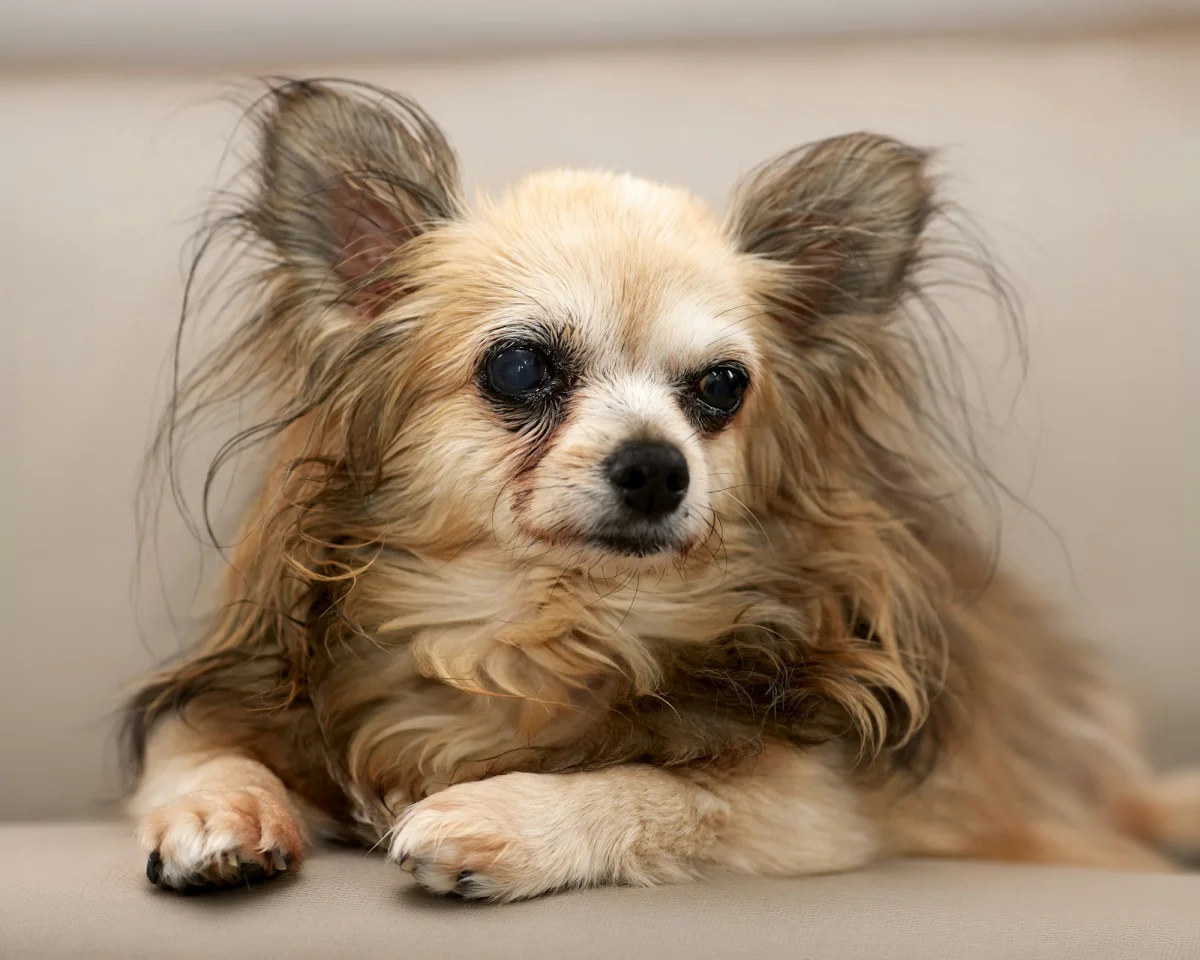

A cloudy lens can gradually take away a dog’s sight, but a cloudy-looking eye doesn’t by itself confirm cataracts. Several eye changes can look similar, and some need prompt veterinary attention. The useful first step is to notice what has changed and arrange an examination, especially if your dog is bumping into things, pawing at an eye, or showing discomfort.
A dog’s lens normally lets light pass through to the retina, where visual information is processed. A cataract forms when proteins in the lens become cloudy, obstructing that passage. Small cataracts may have little effect on sight at first. As the cloudy area expands, vision can decline substantially.
Changes owners may notice
A milky or white patch over the pupil is a conspicuous sign, but behavior can offer clues too. A dog that misjudges familiar spaces, leans against walls while walking, or no longer tracks a tossed toy as usual may be having trouble seeing. Watch for rubbing or pawing at the eyes, visible inflammation, a change in pupil appearance, or an eye that seems enlarged.
- A cloudy spot in or on the eye
- Bumping into objects or navigating familiar rooms less confidently
- Leaning against walls while walking
- Eye rubbing or pawing, which may indicate irritation
- Inflammation in or around the eye; see eye swelling in dogs
- A pupil that looks bluish or white
- Increased thirst and urination alongside eye changes, which can occur with diabetes; see diabetes in dogs, increased water consumption, and frequent urination
Eye discomfort, a bulging appearance, or a sudden change in vision warrants timely veterinary advice. These signs can have causes besides cataracts, and an examination is needed to identify what is happening. Rubbing can also worsen irritation, so contact your vet if your dog is repeatedly pawing at an eye. More information on eye inflammation in dogs may help explain why this behavior merits attention.
How cataracts change over time
Veterinary descriptions group cataracts into stages according to how much of the lens is affected and how well the dog can see. The labels help describe progression; they can’t predict the pace for an individual dog.
- Incipient: The cloudy areas are tiny, often pinpoint-sized, and usually don’t cause noticeable vision loss. Surgery is rarely recommended at this point.
- Immature: Cloudiness affects about 15–99% of the lens. Vision is affected, though the degree depends on the cataract.
- Mature: The cataract covers the entire lens. A dog may be able to detect changes in light but have little useful vision.
- Hypermature: The lens begins to shrink. Inflammation inside the eye, called lens-induced uveitis, often develops at this stage.
Progression varies, so a stage description should be considered alongside an eye examination and changes in everyday function. Cataracts can also lead to complications such as uveitis or glaucoma, which can threaten comfort and sight.
Cloudiness has more than one explanation
Older dogs may develop nuclear sclerosis, a bluish haze in the lens. It is a common age-related change and generally does not significantly impair vision, unlike a cataract that obstructs light. Glaucoma involves increased pressure inside the eye. It can cause blindness, and the eye may bulge; in this condition, the cornea may look bluish or hazy. Because these conditions can appear alike to an owner, appearance alone isn’t enough to tell them apart.
Cataracts may be associated with diabetes, progressive retinal atrophy, age, inherited conditions, nutritional deficiency, trauma, toxic substances, uveitis, electrocution, or radiation exposure. Heredity is a notable factor: Dr. Park described inherited cataracts across many breeds and reported that juvenile cataracts linked to suspected or established inherited conditions made up a large share of cases in the study discussed.
There isn’t a single prevention routine that can rule out cataracts, particularly when inheritance or another health condition is involved. Keeping up with veterinary care and mentioning changes in thirst, urination, mobility, or eye appearance gives your vet useful context. For general guidance on age-related changes, see senior dog care; information about nutrition and vitamins should not replace advice tailored to your dog.
Examination, treatment and surgery
A vet may use several tests to assess the eye and confirm whether a cloudy lens is a cataract. These can include a fluorescein stain, a Schirmer tear test, slit-lamp biomicroscopy, and tonometry. Drops may be used to widen the pupils so the eye can be examined more closely.
Before recommending cataract surgery, a veterinary ophthalmologist needs to determine whether the retina can still process light. An ocular ultrasound and an electroretinogram may help assess this. If the retina is affected, surgery may not be advised. In the study described by Dr. Adkins in Outcomes of Dogs Presented for Cataract Evaluation: A Retrospective Study, retinal degeneration was the most common reason dogs did not proceed to surgery.
Surgical removal is the effective treatment described for cataracts, but a successful outcome isn’t guaranteed. Dr. Lim and colleagues noted that complications such as infection inside the eye, retinal detachment, or glaucoma can cause pain or loss of sight and may mean surgery has failed. Your specialist can explain how your dog’s test results and eye health affect the expected benefits and risks.
The source’s reported price range for surgery, including tests before the procedure, is $3,500 to $5,500 with a specialist veterinary ophthalmologist. Costs can depend on the individual assessment and care plan, so ask the clinic what its estimate covers. No medication or other therapy is described here as a cure for cataracts.
Preparation and home care take time. Dogs are commonly monitored in hospital overnight after surgery. Once home, they may need to wear a cone to keep them from scratching the healing eye, along with the follow-up care and treatments prescribed by the veterinary team. Keep a record of changes in vision, comfort, and behavior to discuss at checkups. The Petcube App and online veterinary advice are mentioned as tools for tracking symptoms and seeking guidance.
When to seek veterinary advice
Don’t wait for a cloudy area to become large before raising an eye concern. Cataracts may progress and reduce sight, while other conditions can also cause haze, inflammation, or changes in eye shape. Prompt assessment can clarify the cause and help the vet monitor vision, comfort, and any complications. If you notice a new eye change or your dog is struggling to navigate, contact your veterinary clinic and describe what you’ve observed.
===END===

