Sample No. 0112
Labrador Service Dog Stays Beside Owner During Three-Day Hospital Stay
Magnus the Labrador comforted his owner through a frightening hospital stay, showing how training and a close bond can support a family.

Magnus’s three days beside his hospitalized owner show what a trained service dog can bring to a frightening medical experience: familiar company, practical support and a calming presence for the whole family. The Labrador Retriever stayed with Brian Benson during a hospital stay in January 2023, including after visiting hours, because Magnus was Benson’s task-trained service dog.
A sudden hospital stay
Benson went to the emergency room after experiencing chest pain and difficulty breathing. Tests and monitoring kept him in the hospital for three days. Doctors diagnosed cardiomyopathy, a condition affecting the heart muscle that can make it harder for the heart to pump blood effectively.
The diagnosis surprised Benson. He said he had exercised regularly, eaten well and stayed active for more than 35 years. His activities included running the New York City Marathon, taking part in Spartan races, and training in boxing and Krav Maga. He said doctors found no blocked arteries, and that a family history of heart disease might have played a part.
Cardiomyopathy can have different causes, including inherited conditions. A diagnosis can occur even in someone who has maintained active habits; it doesn’t, by itself, show that a person has made poor health choices. For Benson, the unexpected news was frightening, and his two daughters were worried about him. Magnus provided a familiar source of comfort while the family faced an uncertain few days.
Why Magnus could stay
Magnus wasn’t simply visiting as a family pet. Benson relied on him as a service dog trained to assist with a seizure disorder. Benson had also worked with Magnus as a therapy dog, visiting hospitals to offer comfort to patients, families and medical staff.
Those roles are different. A service dog is trained to perform tasks connected to its handler’s disability. A therapy dog visits people to offer comfort, but that work doesn’t automatically give the dog the same access as a service animal. The source explains that hospitals generally allow service dogs to accompany their handlers in patient rooms and other areas where patients may go, while some medical spaces can have added limits.
With Magnus at his side, Benson had company in his room after his family had to leave. Magnus rested beside the bed and stayed with him during examinations and procedures. Benson said his dog helped him relax and shift his attention away from the stress of the diagnosis. Magnus also helped soothe Benson’s daughters and brought smiles to staff.
The footage of the pair drew attention online, but the lasting point is the work behind the companionship. Magnus had a defined role, training and experience in healthcare settings. His presence gave Benson someone familiar to lean on during a stretch of unfamiliar surroundings, waiting and medical care.
What dogs may notice about stress
Dogs can respond to changes in people’s behavior, movement and voice. Research also suggests they may detect physical changes linked with stress. A 2022 study published in PLOS ONE found that four trained dogs could distinguish breath and sweat samples collected before and after people completed a stressful task. The researchers reported that the acute psychological stress was associated with odors the dogs could detect.
The study was small, and it doesn’t show that Magnus understood Benson’s diagnosis or could identify his heart condition. It offers one possible part of the picture: a dog may notice changes that accompany a person’s stress, alongside cues such as posture and tone of voice. Magnus’s specialized training and experience with people likely helped him stay composed and attentive in a hospital.
For owners, the practical lesson is modest. A dog’s comforting behavior can matter, whether or not the animal understands why a person is distressed. If a dog’s behavior changes suddenly or the dog seems unwell, a veterinarian can help assess the animal’s needs. Service work, however, depends on individual training and the dog’s ability to perform specific tasks reliably.
Why some Labradors work closely with people
Labrador Retrievers are often described as social, energetic and eager to work with people. Those qualities help explain their presence as family companions, hunting partners, guide dogs, detection dogs and service animals. Magnus’s story also shows why breed alone can’t predict whether a dog will succeed in a demanding role. Temperament, health, socialization and specialized training all matter.
A service dog may need to remain settled around unfamiliar people, strange sounds and unpredictable activity. Hospitals can bring all three, along with equipment, unfamiliar smells and long waits. Magnus’s prior work as a therapy dog gave him experience around patients and healthcare staff. That background helped prepare him for the setting, while his service training gave him a specific focus: supporting Benson.
Labradors trace their roots largely to Newfoundland, Canada. Their ancestors included the St. John’s water dog, which helped fishermen retrieve fish and haul lines in cold Atlantic waters. In the 1800s, British sportsmen brought dogs from Newfoundland to Britain and helped shape the modern breed. A dense, water-resistant coat, strong tail and willingness to work suited Labradors to retrieving game from water.
That working background connects to the breed’s later roles in homes and assistance work. Still, not every Lab has the same temperament or abilities, and a dog’s breed doesn’t replace careful assessment and training.
Size, care and breed differences
Labradors are sturdy, athletic dogs. The source gives typical adult male measurements of 65 to 80 pounds and 22.5 to 24.5 inches at the shoulder. Females are generally 55 to 70 pounds and 21.5 to 23.5 inches tall. Individual dogs can fall outside those ranges, especially if they’re mixed with another breed.
Labradors and Golden Retrievers are both athletic, people-oriented dogs often seen in service work. Their coats offer an easy visual distinction: Labs have short, dense fur, while Goldens have longer coats with feathering on the legs, chest and tail. Both need regular exercise, mental activity, grooming and balanced food suited to their age and health.
The story’s central point is the support Magnus offered when Benson’s diagnosis unsettled the family. His calm presence brought a measure of familiarity to the hospital room and helped Benson and his daughters feel less alone. Working service dogs have responsibilities, so people should ask the handler before touching, feeding or distracting one. For Benson, Magnus was a trained partner as well as a trusted companion—and the care behind that partnership made his bedside presence possible.

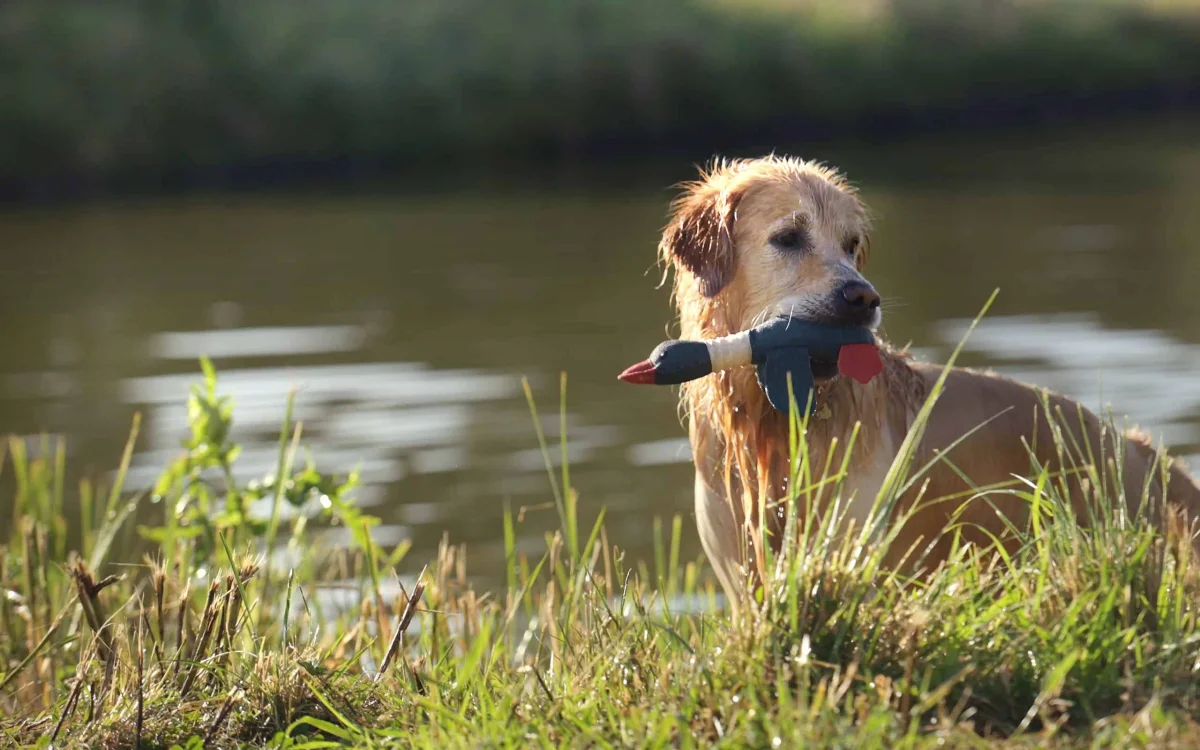
Labrador Retrievers are known for developing close bonds with their owners.
©Chalabala/iStock via Getty Images
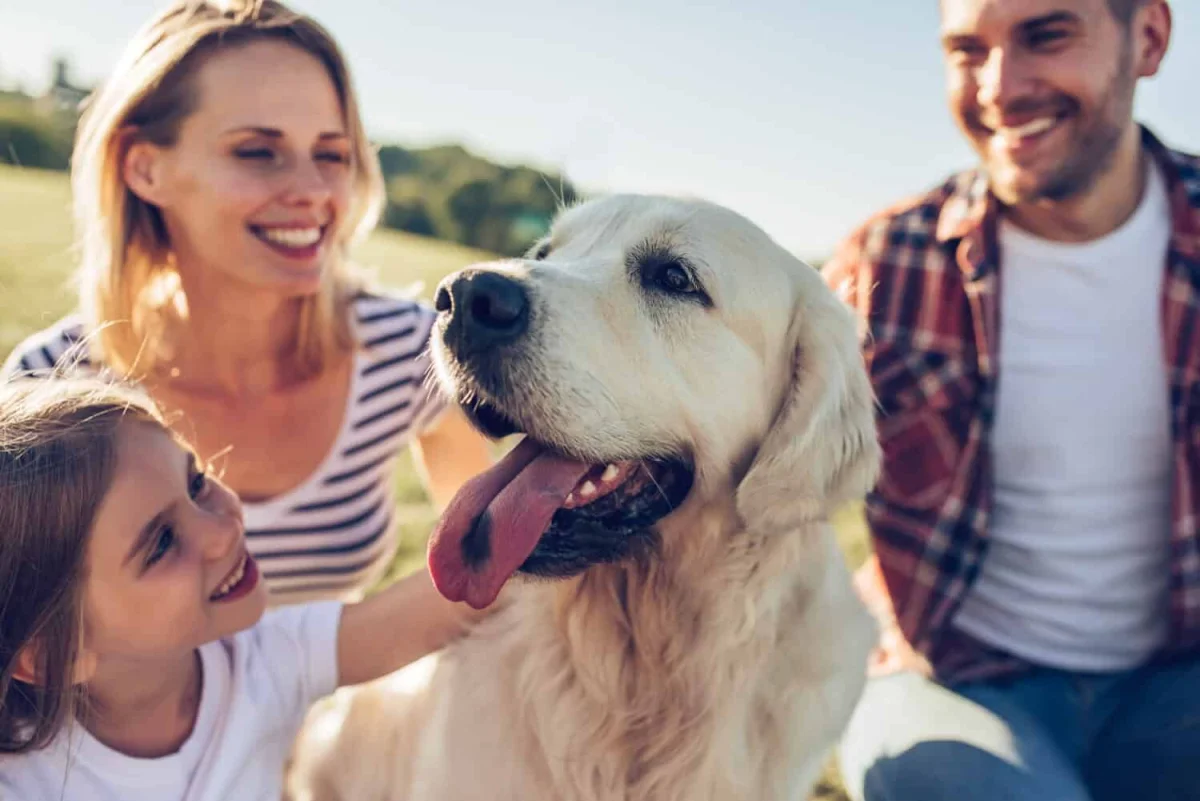
Labrador Retrievers are known for being friendly, outgoing companions.
©Zheka-Boss/iStock via Getty Images
Labrador Retrievers are famously social dogs that often enjoy plenty of attention from people.
©4 PM production/Shutterstock.com

A 7-week-old fox-red Labrador Retriever puppy.
©Caroline Anderson/iStock via Getty Images


