Sample No. 0113
Fermented Feed and Pigs: Signs of Alcohol Exposure and When to Call a Vet
Pigs can be affected by alcohol in fermented food, but unusual sleepiness or stumbling can signal other dangers. Learn what to watch for and how to reduce risk.
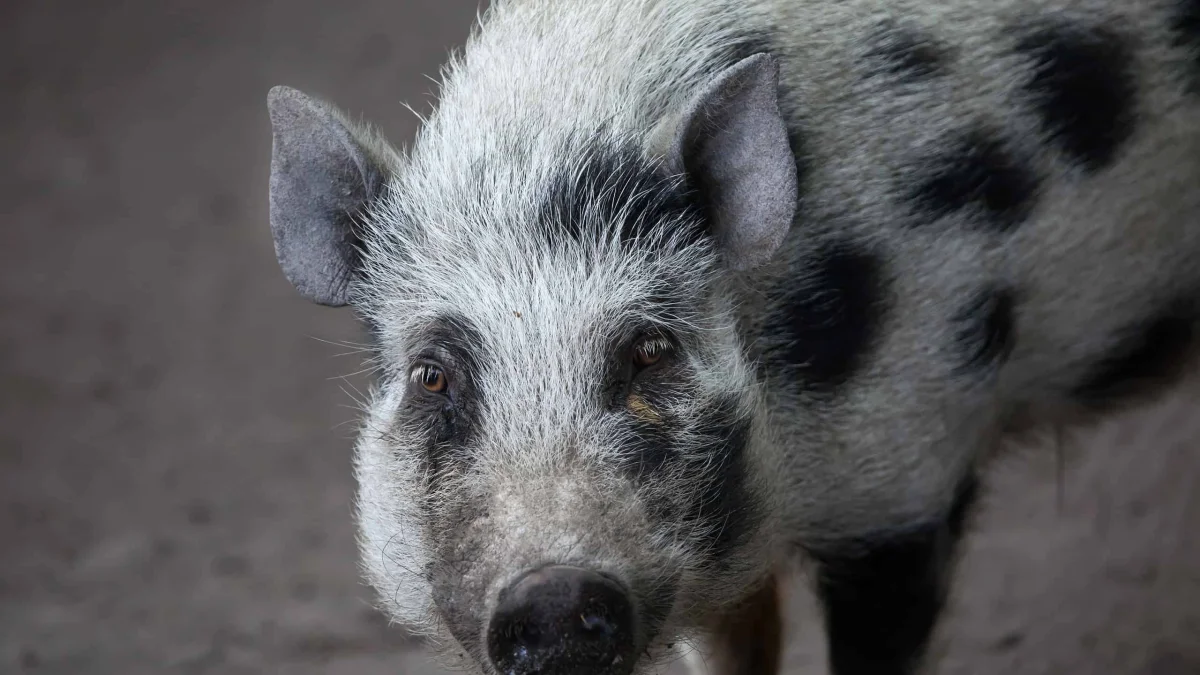
A pig that’s difficult to rouse or can’t stay upright needs attention, even if a video makes the moment look funny. A clip circulating online shows a small pig lying on a grassy slope and rolling downhill as people nearby react. The story accompanying it says the pig got into fermented corn, but the footage can’t confirm what the animal ate or explain its condition.
Viewer discretion is advised: The video contains strong language.
What the footage can—and can’t—show
The pig appears unusually unresponsive as it moves down the slope. The location hasn’t been independently established, and no veterinary explanation is available. Fermented corn is offered as the reason for the behavior, but there’s no way to tell from the clip whether the pig consumed ethanol, how much it might have eaten, or whether another problem was involved.
Fermentation can produce ethanol when yeast breaks down sugars in conditions with little oxygen. Corn can be used to make alcoholic drinks after its starches are converted into sugars that yeast can ferment. Chicha, a traditional Andean drink, is one example made with fermented corn. The amount of alcohol in fermented material can vary, though, so its presence shouldn’t be assumed from the word “fermented” alone.
Alcohol can affect pigs
Like other mammals, pigs can experience alcohol intoxication. Ethanol affects the central nervous system and may disrupt coordination and movement or cause drowsiness. A high exposure can interfere with normal bodily functions and become dangerous. Reports have described pigs getting into fermented feed and acting intoxicated, but a pig’s unusual behavior by itself doesn’t establish alcohol as the cause.
Sleepiness, stumbling, difficulty standing, and disorientation can also point to illness, injury, overheating, or exposure to another harmful substance. If a pig is hard to rouse or suddenly moves abnormally, treat the behavior as a potential health concern and contact a veterinarian promptly. Don’t wait to see whether the animal simply sleeps it off, and don’t rely on a video to judge how serious the situation is.
Fermented feed can be used in managed diets, but that differs from feed that has spoiled or fermented under uncontrolled conditions. Depending on how it was stored and what grew in it, spoiled material may contain alcohol, harmful microorganisms, or toxins produced by some molds. The risk depends on the material and conditions, which is another reason to keep pigs away from spoiled food and to seek veterinary guidance after a suspected exposure.
A pig’s appetite calls for careful storage
Pigs are omnivores and natural foragers. They use their strong sense of smell and rooting behavior to find roots, grasses, fruit, seeds, insects, and other available foods. Their curiosity can lead them to spilled feed, compost, discarded food, or places owners would prefer they didn’t explore. Being willing to eat something doesn’t mean it’s safe.
On commercial farms, pigs generally receive formulated feed intended to supply energy, protein, vitamins, and minerals. Corn is a common energy source in American swine diets, and soybean meal is often used for protein. Wheat, barley, and other ingredients may be included to meet nutritional needs. Pet pigs also need a balanced diet, usually with feed made for miniature pigs. Owners should use feed suited to the animal rather than assume that scraps or whatever a pig finds will provide proper nutrition.
Keep pigs away from alcoholic drinks, moldy grain, spoiled food, and plants that may be harmful. Large quantities of green acorns or oak leaves can also cause problems. Secure feed and compost, clean up spills, and store food where a curious pig can’t reach it. If you suspect your pig has eaten something unsafe or notice sudden changes in alertness, balance, or ability to stand, call a veterinarian. Fresh drinking water and appropriate feed support routine care, but they don’t replace help when an animal is already behaving abnormally.
Small pigs can grow into substantial companions
The pig in the clip looks small, but size labels such as “micro,” “miniature,” and “teacup” don’t guarantee that an animal will stay tiny. Vietnamese potbellied pigs and other varieties have been bred or selected for smaller adult sizes. Potbellied pigs became popular in the United States during the 1980s, helping create a market for pigs kept as household companions.
Even miniature pigs can become large adults. Vietnamese potbellied pigs commonly weigh 70 to 150 pounds, and some reach 200 pounds. Pigs sold as teacup pets may also keep growing for several years. Anyone considering a pet pig should learn how large these pigs may become and plan for their adult needs before bringing one home.
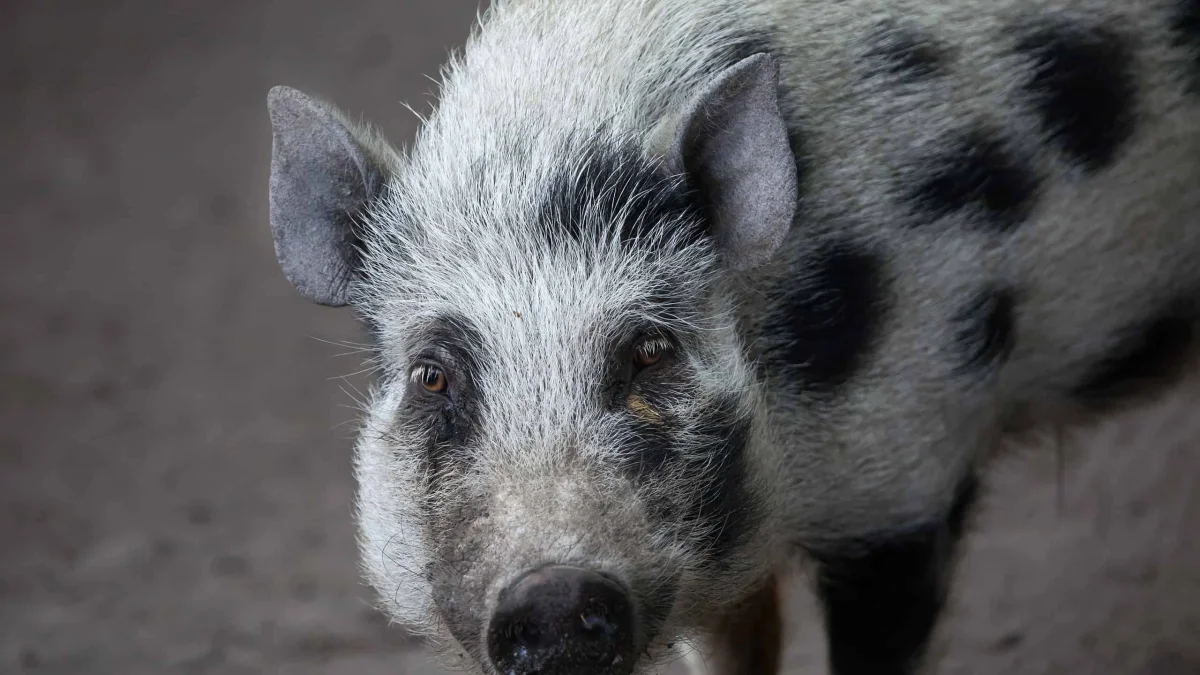
Domestic pigs will eat a wide range of foods, so secure storage matters.
©iStock.com/wrangel
The hillside clip leaves the pig’s condition unresolved. Its apparent sleepiness might fit the story about fermented corn, but it can’t prove intoxication or rule out other causes. For owners, the useful takeaway is simple: prevent access to spoiled or fermenting food, and treat sudden changes in a pig’s responsiveness or coordination as a reason to contact a veterinarian.
Originally published at A-Z Animals. Learn more about pigs.


