Sample No. 0110
Keeping Dogs Safe When Black Bears Enter the Yard
A Florida bear encounter shows why leashes, secure food storage and a clear retreat route can help protect pets and give bears room to leave.
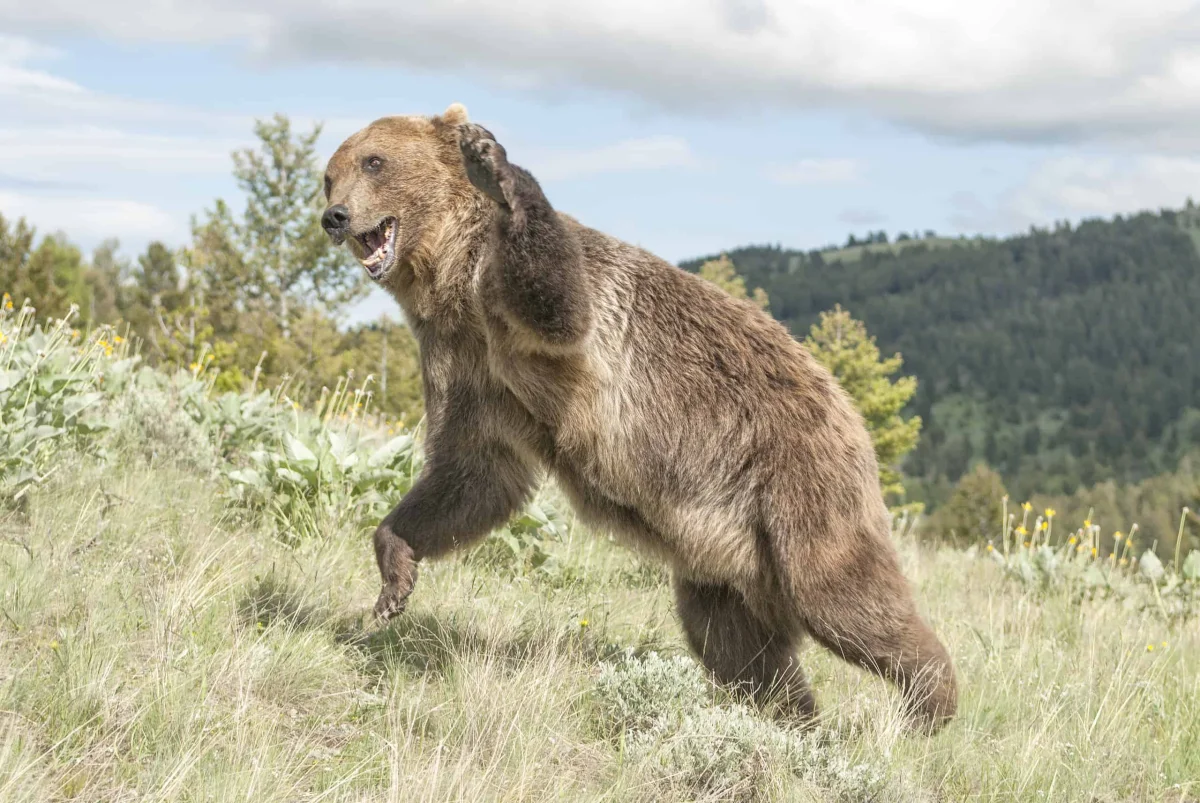
A dog can turn a passing black bear into a dangerous encounter in seconds. A Florida security video shows a Goldendoodle running through a yard with a bear close behind, and the owner shouting until the bear turns away. The dog got home unharmed. The practical lesson is to prevent dogs from approaching bears and to give wildlife a safe way out when it appears.
A Florida yard encounter
The footage was recorded at a home near Destin in the Florida Panhandle in August 2022. Local news reports identified the family’s Goldendoodle as Salomon and the owner in the video as Josh Martinez.
Salomon runs across the yard as the bear follows. A woman outside sees the chase and calls for help. Martinez then steps outside, raises his arms and yells. The bear changes direction and runs off. No one was injured, and Salomon returned safely to the family.
The recording captures only part of the encounter, so it doesn’t show what happened before the chase began or why the bear followed the dog. That uncertainty matters: a bear may respond differently depending on how close it is, whether it feels cornered and whether it is guarding food or cubs.
Making noise while keeping a safe distance
Martinez’s response has some features of the hazing advice described by the Florida Fish and Wildlife Conservation Commission: make noise from a safe location, appear larger and leave the bear an escape route. The agency lists yelling, whistles and horns as ways to discourage a bear from lingering in a yard.
Those steps aren’t an invitation to approach or confront the animal. If a bear is nearby, don’t run or make sudden movements. Back away slowly toward a house, vehicle or other secure place, while giving the bear room to leave. If you’re already close, focus on creating distance and reaching shelter rather than moving toward the bear to scare it.
In the video, shouting is followed by the bear retreating. That outcome doesn’t make the same response safe in every situation. A person should consider the distance to the bear, its behavior and the nearest secure location. If a pet can be brought inside without approaching the bear or crossing its path, do so; otherwise, prioritize getting yourself to safety.
Why a dog can change a bear encounter
Black bears generally avoid people and conflict, but a dog’s behavior can complicate an encounter. Barking, lunging, chasing or cornering a bear may make it feel threatened. A bear protecting food or cubs may be especially likely to defend itself. Even a dog that means no harm can put itself and its owner in danger by getting too close.
BearWise warns that off-leash dogs are a recurring factor in dangerous encounters with black bears. One pattern it describes starts with a dog chasing a bear, then running back to its owner when the situation turns against it. If the bear follows, both dog and person can end up close to an animal trying to defend itself.
That pattern could help explain why a chase can become risky so quickly, but the video doesn’t establish what happened before recording began. What owners can control is their dog’s access to wildlife: a leash limits the chance of a chase, and keeping pets close makes it easier to move away together.
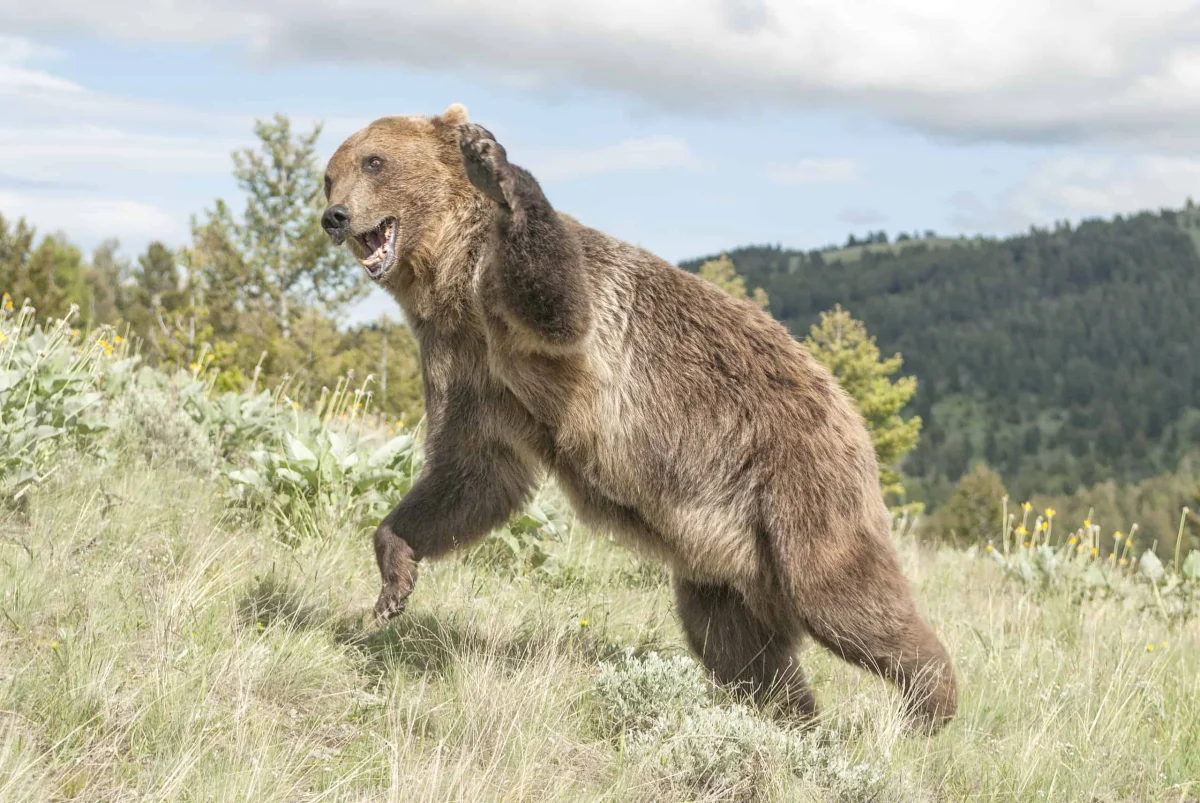
Bears are powerful animals, and encounters with dogs can become dangerous when a bear feels threatened or cornered.
©outdoorsman/Shutterstock.com
Reduce the chance of a surprise
Before letting a dog into a yard where bears may be active, check the area. Making noise and switching on outdoor lights can give wildlife a chance to move away before a pet goes outside. These habits are especially useful when visibility is limited or a yard borders places where bears may pass through.
In bear country, BearWise recommends keeping dogs on a short, non-retractable leash and never letting them chase or harass a bear. A short leash helps an owner guide a dog away promptly; letting a dog roam gives it more opportunity to approach wildlife before the owner can intervene.
Food around the home can also attract bears. Store pet food indoors or in another secure structure, and bring food bowls inside overnight. Secure garbage, birdseed and other potential food sources too. A bear that finds an easy meal near a home has a reason to return, increasing the chance that pets and people will encounter it.
Give the bear room to leave
If a bear appears, bring pets indoors when it’s safe and allow the bear a clear route away. Don’t let a dog chase it, and don’t try to retrieve a pet by moving closer to the animal. Black bears can seriously injure dogs of any size, while many would prefer to avoid a confrontation.
The safest routine begins before a bear enters the yard: check outside, keep dogs close and put away food that might draw wildlife in. During an encounter, distance and a clear retreat matter more than trying to control the bear’s movements. A safe outcome means the dog, the people and the bear can all leave without being pushed into a closer encounter.


