Sample No. 0102
Mountain Lions May Reduce Deer-Vehicle Collisions by 67%
Research links mountain lion presence to fewer deer crashes, while driver awareness remains vital wherever roads cross deer habitat.
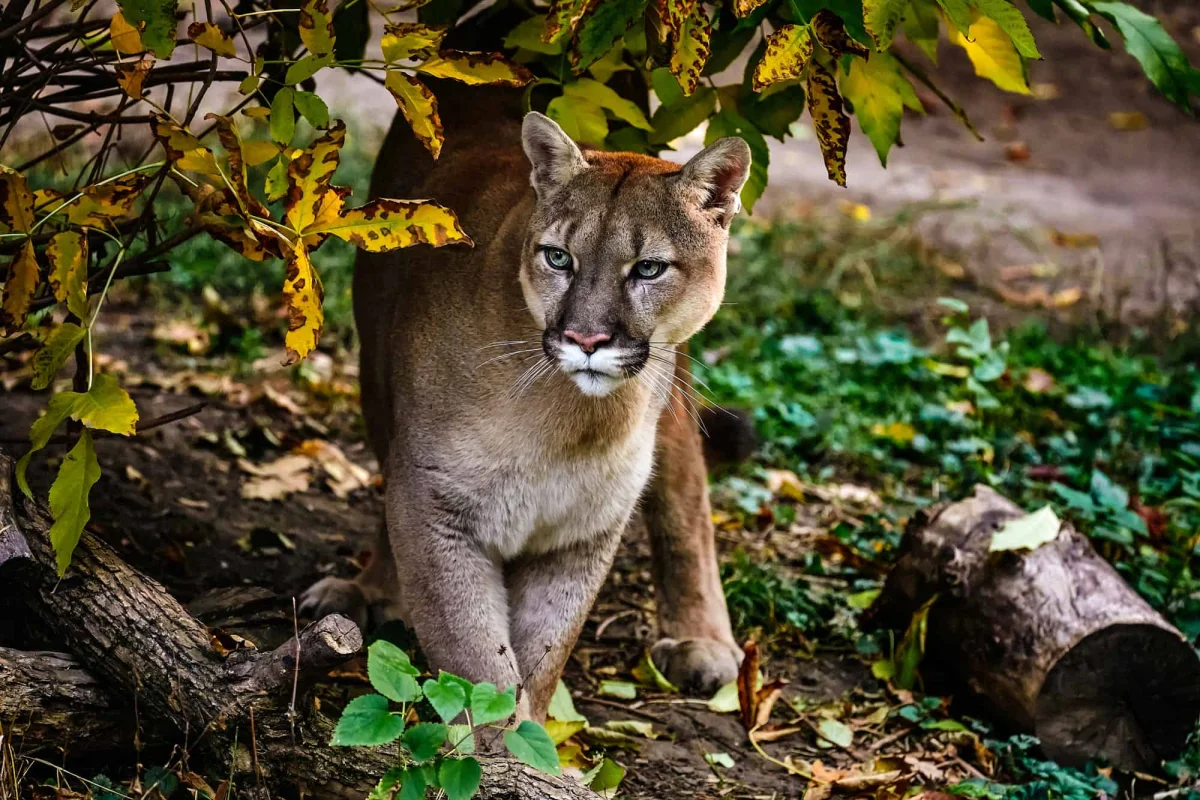
Mountain lions may do more than shape the ecosystems they inhabit: a study links their presence with substantially fewer deer-vehicle collisions. The finding adds a road-safety dimension to the predators’ ecological role, while highlighting how habitat and animal behavior can affect collision risk.
What the study found
Researchers at Conservation Science Partners in Truckee, California, examined camera-trap records from 503 cameras and GPS collar data from mountain lions on Washington’s Olympic Peninsula. Their study, published in Current Biology, looked at how mountain lions living alongside deer influence deer behavior and road safety. Read the study.
The researchers found that deer changed how they used their habitat when mountain lions were present. The reported association was a 67% decline in deer-vehicle collisions, with an estimated 76% reduction over five years. These findings suggest that predator presence can influence where and when prey move, with consequences beyond the forest.
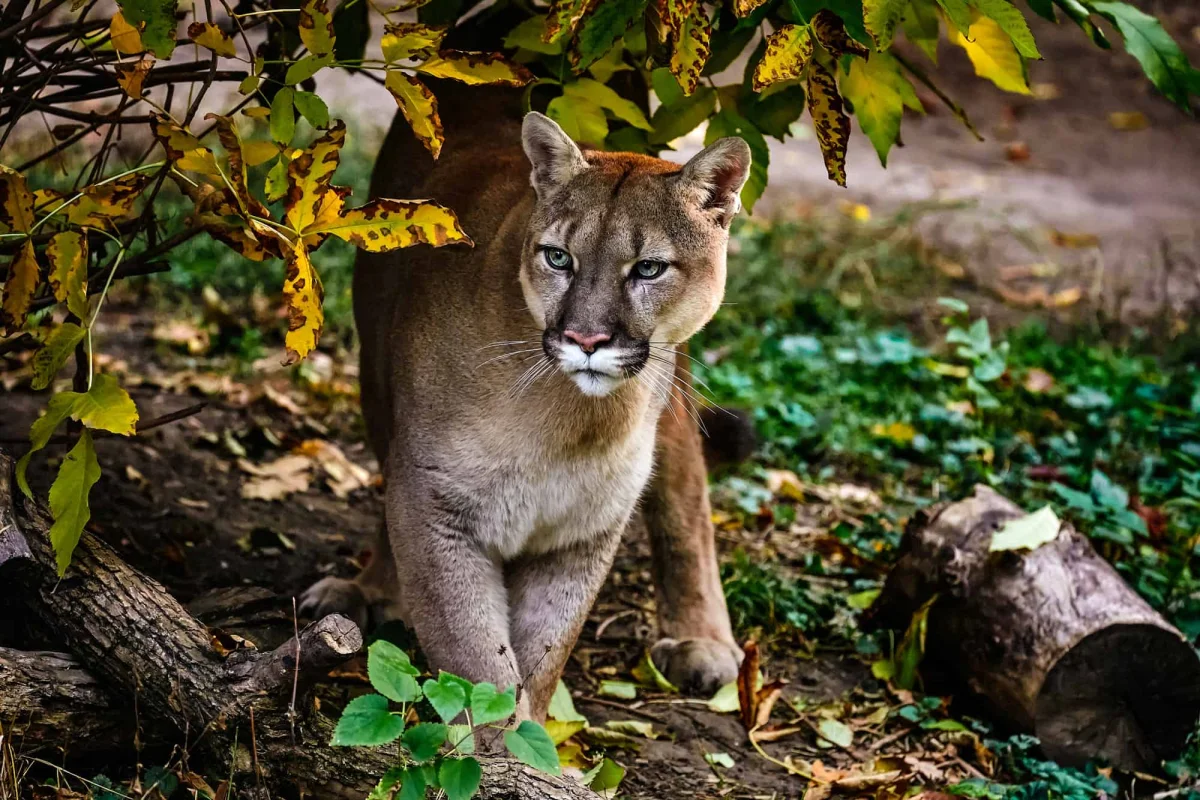
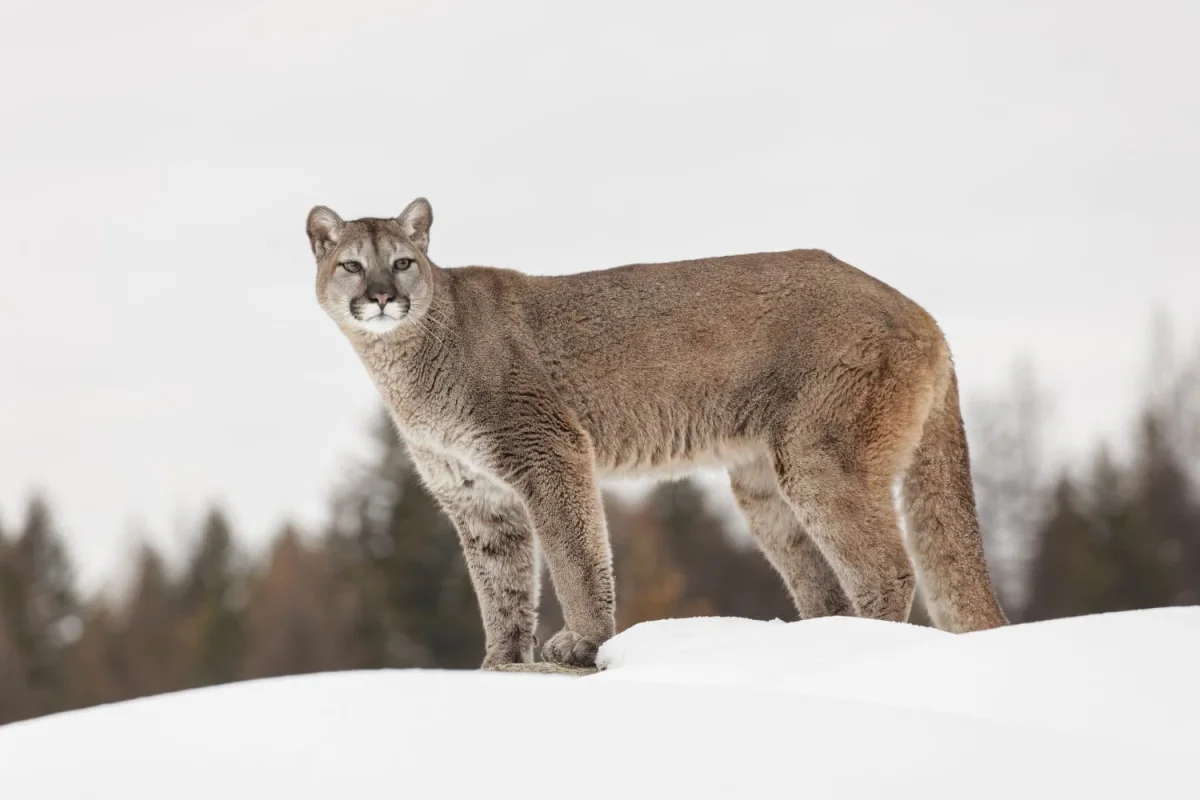
When mountain lions share a habitat with deer, the number of vehicle-deer collisions decreases significantly.
©Evgeniyqw/Shutterstock.com
The potential relevance is considerable in California, where an estimated 100,000 deer-vehicle collisions occur each year, according to a road-collision estimate. The study doesn’t mean that mountain lions prevent every crash, or that the same effect will occur in every setting. It does point to a relationship that road planners and wildlife researchers may need to consider alongside more direct road-safety measures.
Why deer may avoid roads
The proposed mechanism is behavioral. Deer can reduce their exposure to predators by retreating into denser forest, where cover offers places to hide. Open roadways provide little shelter, so avoiding them may be one way deer respond to mountain lions nearby.
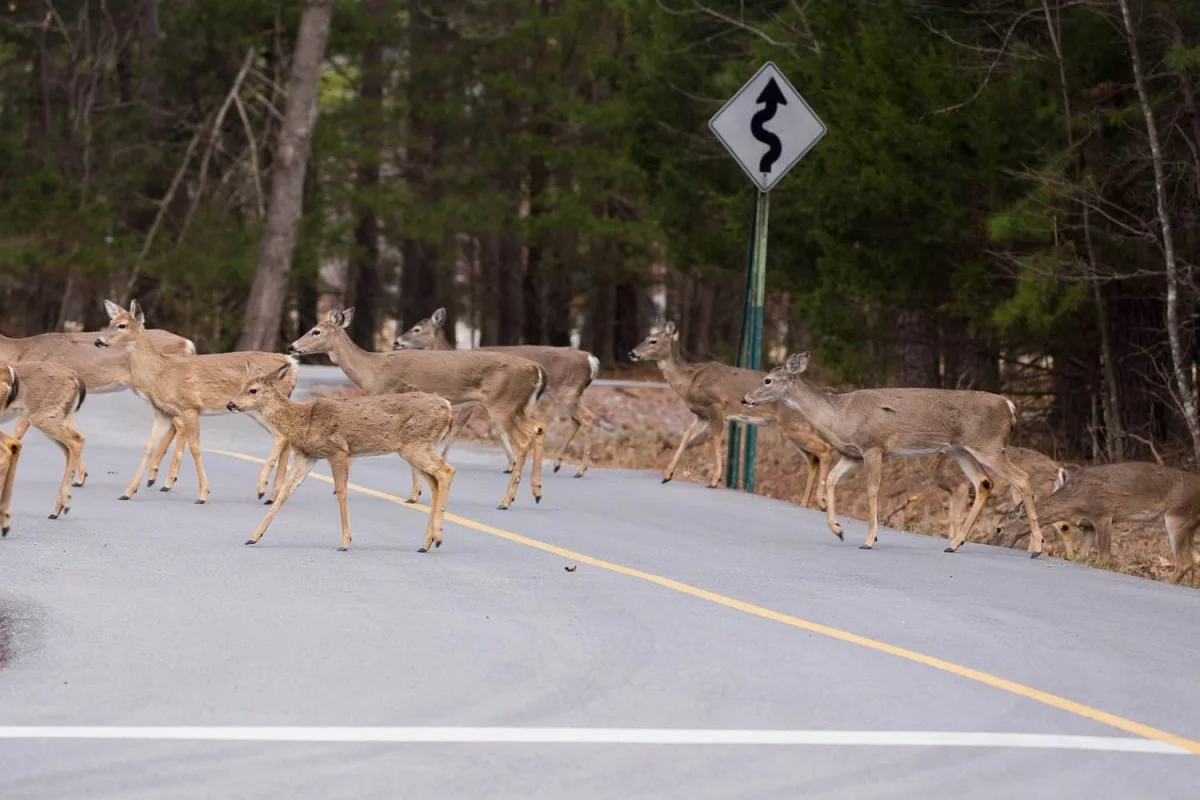
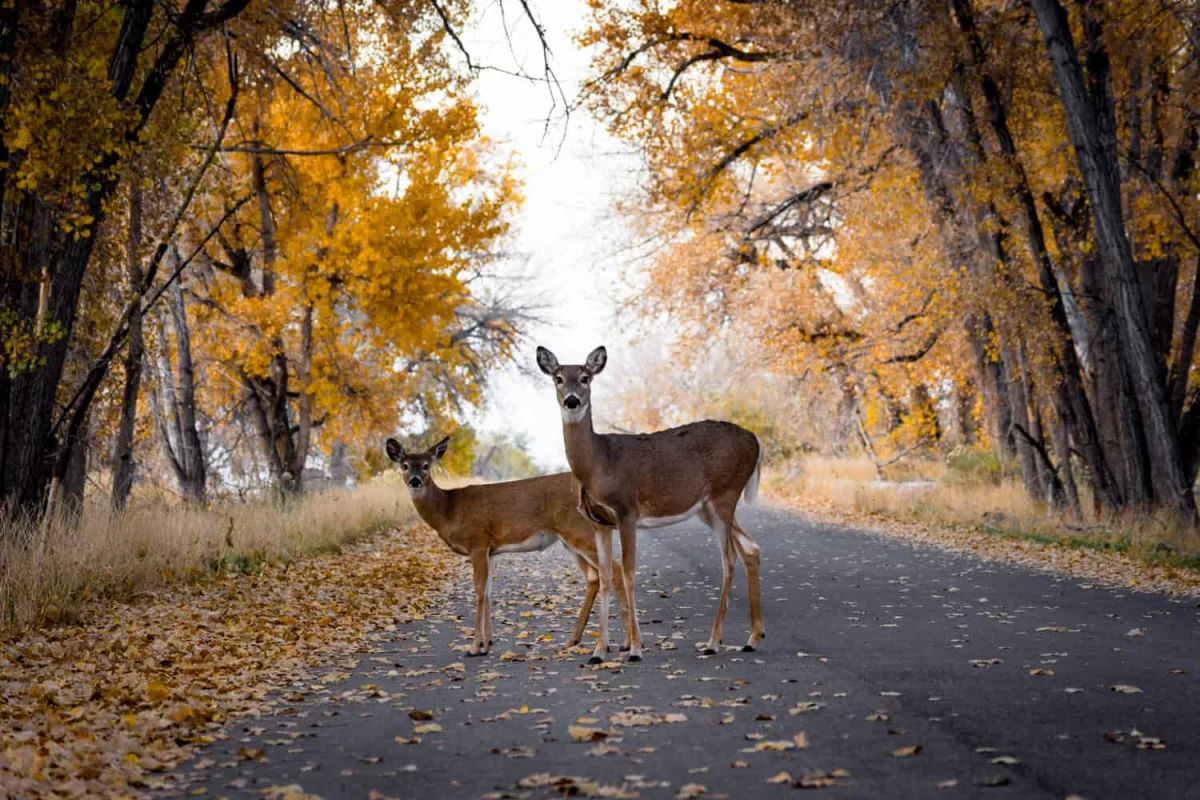
When mountain lions are present, deer may shift toward deeper forest and cross roads during daylight rather than around dawn or dusk.
©RedStarImaging/Shutterstock.com
Timing may change, too. Mountain lions are often active around dawn and dusk, and in some regions later in the evening. Deer in the study context shifted more activity into daylight hours, when drivers may have a better chance of seeing them and responding. That doesn’t remove the risk; visibility and road conditions still matter.
Natural effects and built measures
The article reports that 30 states allow mountain lion hunting or are considering expanding rules that permit it. It also compares the observed collision decline associated with mountain lions to several physical or behavioral measures used to reduce deer crashes. Those interventions can help, but their effects are limited to particular road sections or crossing points.
- Deer fencing: The source estimates a cost of $10,000 per mile and an 87% reduction in collisions where fencing is installed.
- Wildlife structures: Structures are reported to cost between $150,000 and $600,000 each, with collision reductions of 85% to 95% at the crossing location.
- Driver speed-reduction efforts: The source gives no cost estimate and reports a 40% decrease in collisions on roads where these efforts take place.
For comparison, the article cites $10 billion in annual insurance payouts for deer-related vehicle claims. It argues that allowing mountain lions to remain in their habitat costs nothing as a collision-reduction measure. That comparison should be read as a broad ecological point, not a claim that predators replace fencing, wildlife crossings or attentive driving. The measures address risk in different ways, and the study reports an association rather than proof that every local population will produce the same result.
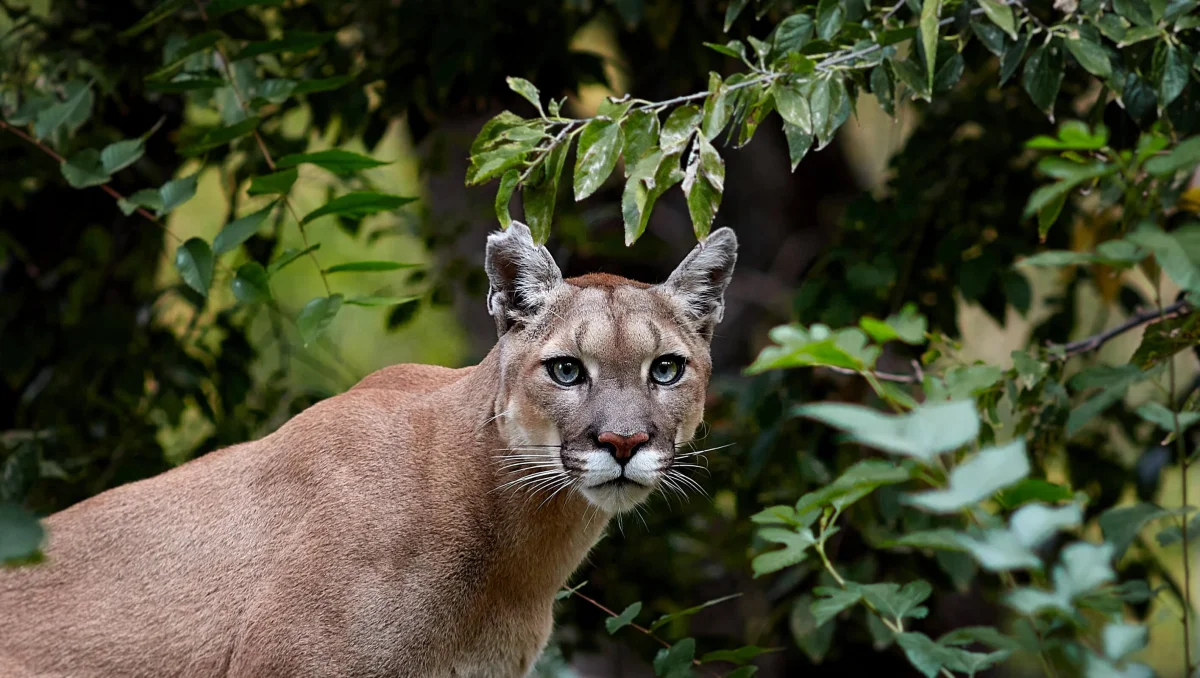
Vehicle collisions with deer decline by 67% when mountain lions share the habitat, and it costs nothing to keep mountain lions alive.
©Evgeniyqw/Shutterstock.com
Why deer come close to roads
Predators aren’t the only influence on deer movement. Roadside grasses and shrubs can provide easy forage, while roads that cut through habitat may force deer to cross as they move between areas. Agricultural land near roads can also draw them to crops such as grains, corn and soybeans. In winter, salt spread on roadways may attract deer seeking minerals.
Roadside food, divided habitat, nearby farms and winter salt can all bring deer close to traffic.
©Sean Thomforde/Shutterstock.com
These attractions help explain why collisions can persist even where deer have access to natural habitat. Roads bring food, movement routes and vehicles into the same space. Mountain lion presence may shift deer behavior, but it doesn’t eliminate the features that draw them toward roadways.
Keep perspective on the risks
People may find an encounter with a large predator frightening, but the article contrasts fewer than 30 mountain lion attack deaths in North America over the last century with roughly 200 deaths attributed to deer in the United States each year, nearly all involving vehicles. These figures describe different kinds of risk; they don’t mean close encounters with mountain lions are harmless. They do underscore how familiar animals can pose serious dangers through road collisions.
The article reports roughly 200 annual vehicle-related deaths involving deer in the United States, compared with fewer than 30 mountain lion attack deaths in North America over a century.
©Danita Delimont/Shutterstock.com
Practical steps for drivers
Drivers can’t control wildlife movement, but they can improve their chances of spotting deer in time. Stay alert around dawn and dusk, scan both sides of the road, and take extra care on rural routes, near farmland and close to water. Use high beams when conditions allow and avoid distractions. Where a road has multiple lanes, the source advises choosing a center lane when possible to leave more room to react.
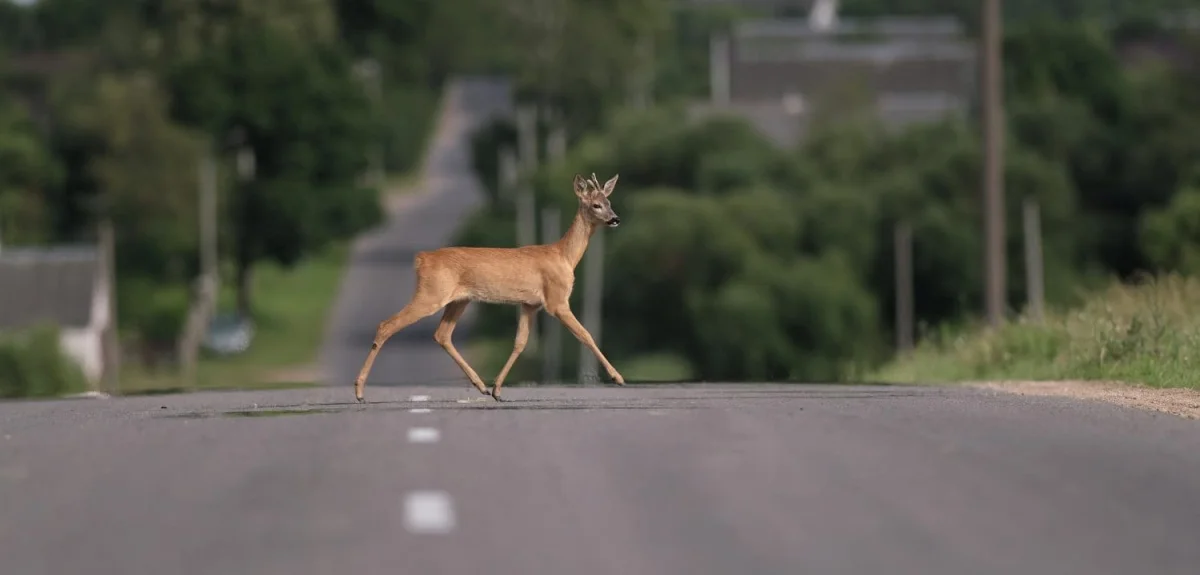
Scanning the roadside, limiting distractions and driving attentively can help reduce collision risk.
©gorid photo/Shutterstock.com
Deer are also more active near roads during their October-to-December mating season, so added caution is sensible then. Mountain lions may influence deer movement, but careful driving remains useful in every habitat: slow down when visibility is limited, watch the road edges, and give wildlife room.


