Sample No. 0101
Fire Amoeba Can Grow at 145°F, Revealing New Ways Cells Cope With Heat
A newly identified amoeba grows at 145°F and forms a protective cyst in hotter water, offering clues about cellular heat defenses.
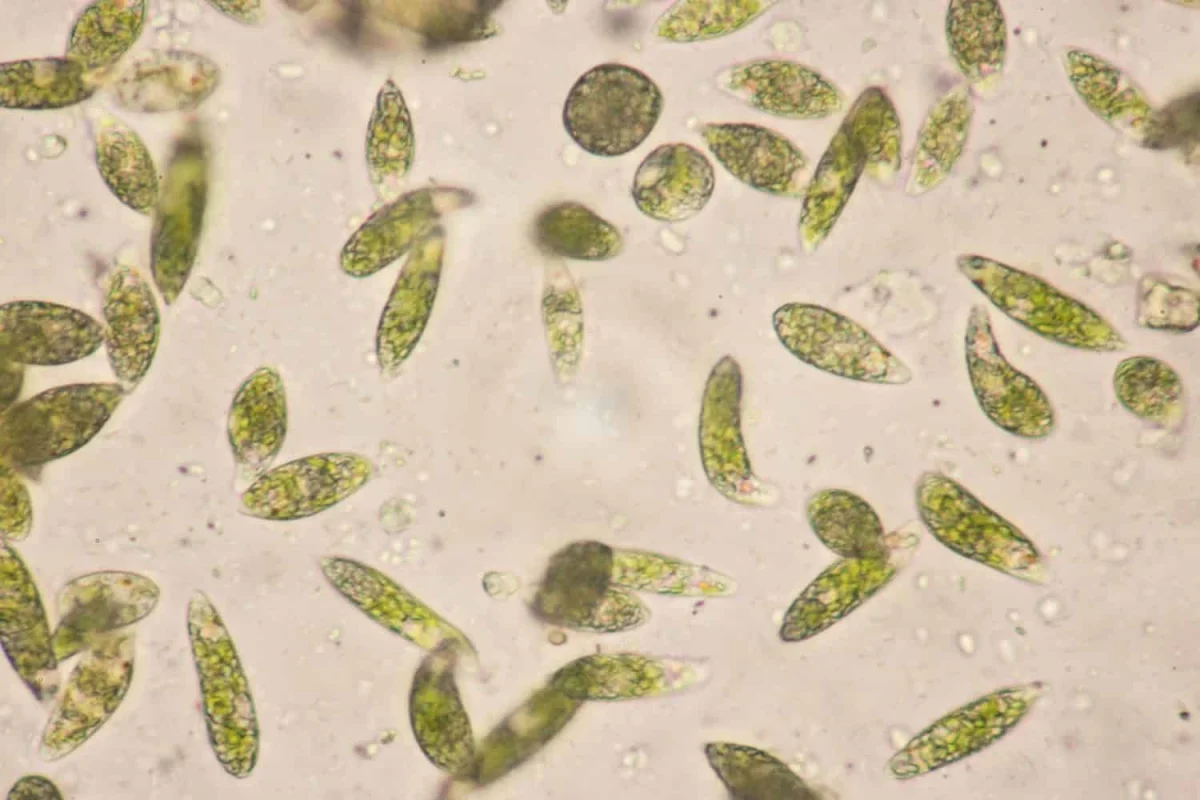
Incendiamoeba cascadensis challenges a long-held limit for complex cells: this amoeba can reproduce at 63°C (145°F). That ability makes it a striking example of how life can adapt to extreme heat, and gives researchers new questions to pursue about cellular protection and repair. The findings come from work at California’s Lassen Volcanic National Park, where the organism was found in water from Hot Springs Creek.
A surprise in hot-spring water
The research team, which included Dr. Angela Oliverio and PhD candidate Beryl Rappaport, began by collecting water samples without knowing what organisms they might find. In the laboratory, Rappaport saw a moving amoeba under the microscope. Genomic tests showed that it belonged to a previously unknown species. The researchers also found that it feeds on filamentous bacteria.
The discovery stands out because I. cascadensis is a eukaryote: its cells have a nucleus and other internal structures called organelles. Before this work, eukaryotes weren’t known to reproduce above 60°C (140°F). High temperatures can damage cell components, including the nucleus, which holds genetic material and plays a central role in cell function.
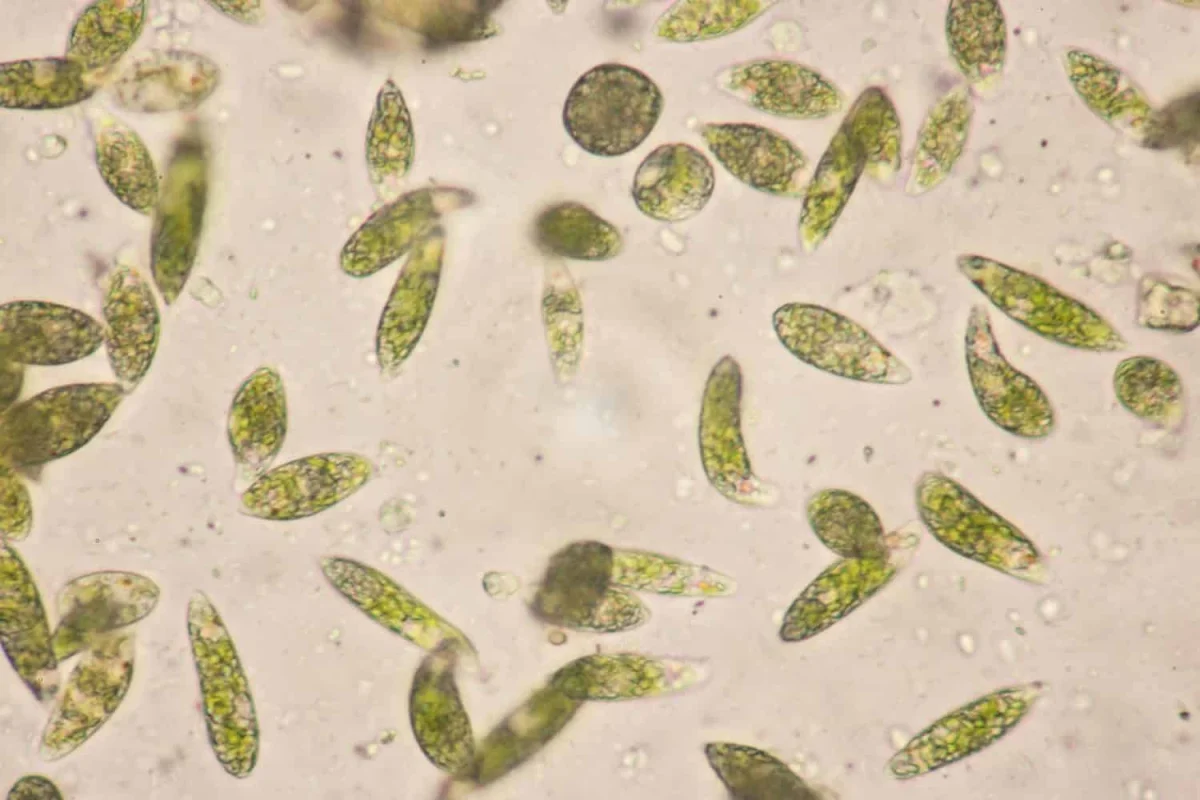
Eukaryotic organisms range from microscopic life to giant sequoia trees.
©Rattiya Thongdumhyu/Shutterstock.com
Temperature tests mapped out what the amoeba can do. It grows best between 55°C (131°F) and 57°C (134.6°F), and it doesn’t reproduce below 40°C (104°F). It can move at temperatures up to 64°C (147°F), reproduce at 63°C (145°F), and protect itself in water as hot as 70°C (158°F). The researchers describe it as a thermophile, an organism that thrives in high temperatures.
A protective response as temperatures rise
The study, published in Cell, describes a response that may help explain how the amoeba persists in punishing heat. At about 66°C (150.8°F), the cells appear to become rounder as they form a cyst: a dormant, protective state. At 70°C (158°F), the amoeba has fully formed a cyst.
The change may involve more than a simple retreat. As the surrounding water heats up, the researchers observed encysting cells with “rapidly moving, hair-like structures.” They believe this feature may be unusual among amoebas, though its role isn’t yet clear. Understanding what the structures do will require more study.
The researchers also identified several possible parts of the amoeba’s heat-defense toolkit. Its genome contains more genes linked with maintaining healthy proteins and reducing cellular stress, along with systems that can repair heat-damaged DNA and proteins. The amoeba also has specialized positively charged proteins on its cell surface. One hypothesis is that their charge helps form a protective layer between the cell and its hot surroundings. Their exact function remains unknown.
Heat-tolerant organisms aren’t limited to this amoeba. Some archaea, which are single-celled microorganisms, can live at temperatures above water’s boiling point. The Pompeii worm, a deep-sea polychaete, also occupies hydrothermal vents: its head stays in cooler water while its tail is exposed to intense heat inside its tube. These examples show that life can cope with heat in different ways. I. cascadensis adds a notable case because it can reproduce at a temperature once thought too high for eukaryotes.
What the discovery could help researchers explore
Any practical use is still speculative, but the amoeba’s cell-protection strategies may point researchers toward useful questions. Some medicines, including treatments for rare conditions, can be chemically unstable and need refrigeration. Heat may degrade them or make them unusable. Studying how I. cascadensis protects proteins and repairs cellular damage could inform future research into more heat-stable therapies and ways to reduce cellular stress. The discovery itself doesn’t show that such treatments can be made; it offers mechanisms for scientists to investigate.
Plant resilience is another possible area of interest. High temperatures can interfere with reproduction in crops such as corn and soybeans, while warmer conditions can also favor pests and fungal diseases that damage crops. Leafy greens, including spinach, are especially vulnerable to heat. Researchers might examine whether the amoeba’s protective mechanisms have useful parallels for plant cells, but applying them to crops would require substantial research. The finding is a starting point for questions about cellular stress, not a ready-made solution to crop losses.

Leafy greens such as spinach can be especially sensitive to high temperatures.
©iStock.com/okugawa
Broadening the search for life
The discovery also invites researchers to reconsider which environments might support life. Places once dismissed as too hot—or too cold—could still contain organisms adapted to conditions that challenge familiar expectations. The amoeba doesn’t answer whether life exists elsewhere in the solar system, or whether humans could adapt to harsher environments. It does show why careful sampling can matter: an organism thriving in a seemingly inhospitable place may reveal biology that scientists didn’t know to look for.
For now, the most useful next step is understanding how I. cascadensis manages heat at the cellular level, including what triggers cyst formation and what its unusual surface proteins and moving structures do. Those answers could clarify how far the amoeba’s defenses extend—and which lessons, if any, might apply to other organisms.


