Sample No. 0100
Ping Ping and Fu Shuang Begin Their Ten-Year Stay at Zoo Atlanta
The two pandas are settling in after an international flight. Quarantine, specialized care and a ten-year arrangement shape their new chapter.
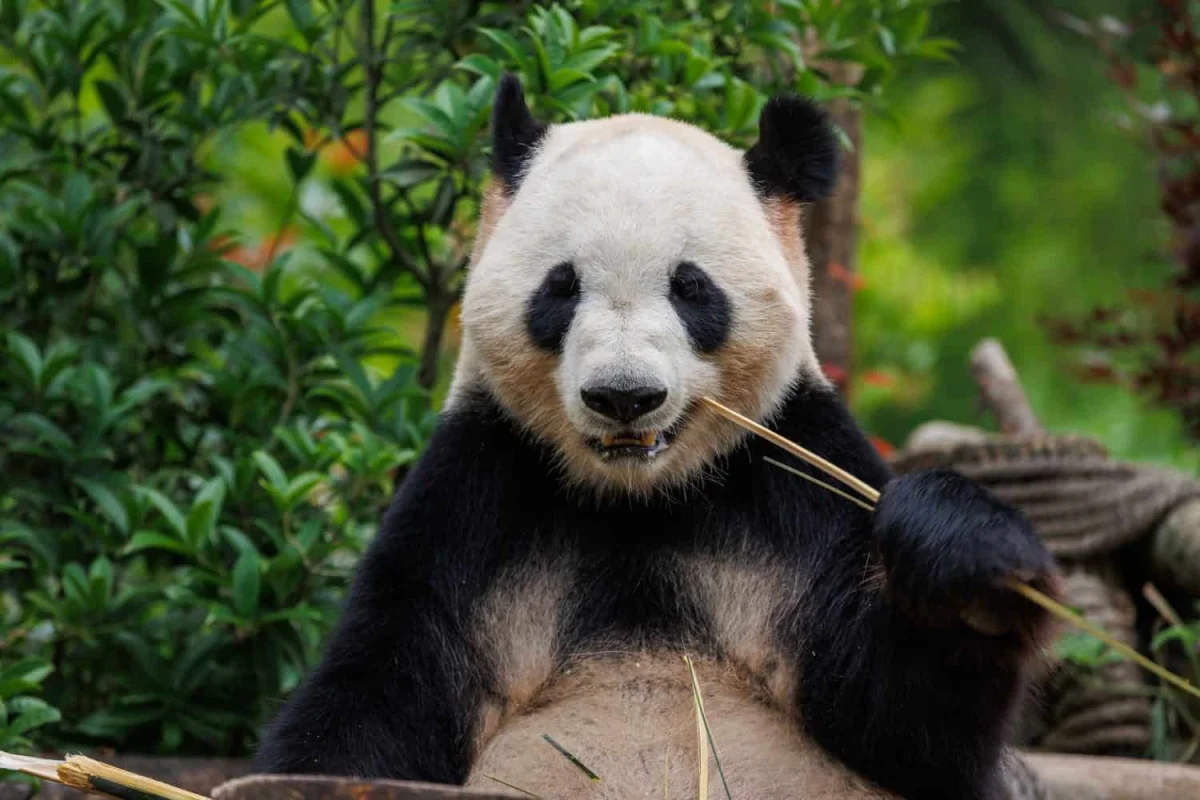
Ping Ping and Fu Shuang have arrived at Zoo Atlanta, beginning a planned ten-year stay after leaving the Chengdu Research Base of Giant Panda Breeding in China. Their arrival renews the zoo’s panda program, but the first weeks are focused on careful adjustment: the pair will be quarantined, monitored by veterinary staff and introduced to their new surroundings before visitors can see them.
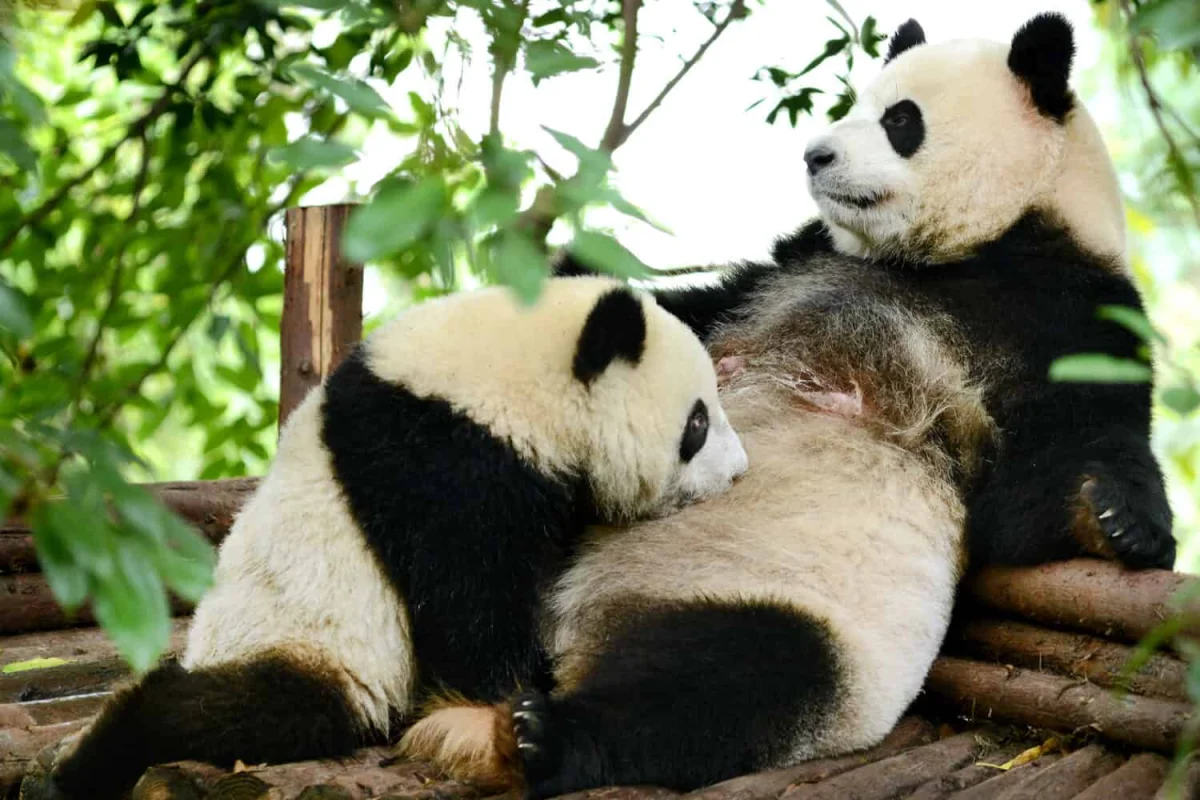
Two pandas, two distinct names
Ping Ping, a male, was born on March 17, 2020. His name expresses a wish for a calm, peaceful life. Fu Shuang, a female born on October 18 that year, has a name associated with happiness. The source describes Fu Shuang’s forehead as slightly more prominent than usual and notes that Ping Ping has darker-than-average markings around his eyes. Both pandas were born and raised at the Chengdu research base.
Their journey began with a farewell ceremony at the breeding center. In the early hours of September 27, 2026, a FedEx Boeing 777—nicknamed the “FedEx Panda Express”—departed Chengdu Shuangliu International Airport carrying the pandas in climate-controlled enclosures. Zoo Atlanta president and CEO Raymond B. King called their arrival a “historic moment” for the city and the wider region, and said the zoo looked forward to sharing the pair with its community.
Quarantine comes before a public debut
Ping Ping and Fu Shuang are expected to spend about a month in a biosecure area of the zoo’s new panda complex. During this settling-in period, veterinary staff will assess their health and keep watch for concerns related to travel and the change in climate. The pandas will also have time to become accustomed to their new environment and diet.
The zoo has indicated that it will share further information about the habitat, including its name and design, along with the date visitors can expect to see the pandas. Their debut was anticipated around the beginning of November, though the timing depends on their adjustment and the zoo’s preparations. For visitors, the practical takeaway is that arrival doesn’t mean immediate viewing: the animals’ welfare and acclimation come first.
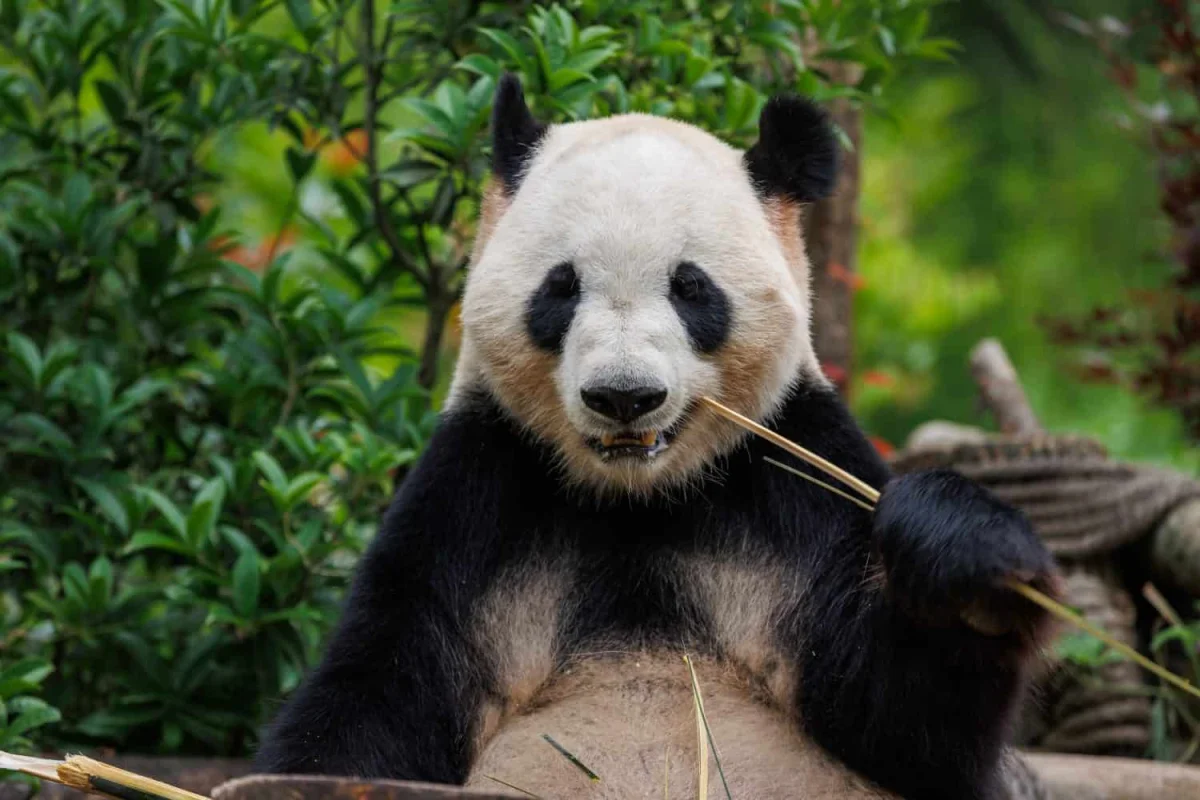
Pandas are returning to Zoo Atlanta, according to many news reports.
©lzf/Shutterstock.com
A purpose-built setting for panda care
Zoo Atlanta spent the past year renovating its panda habitat, preparing for the new arrivals after the arrangement was announced in April 2026. The pandas won’t share their habitat with other zoo animals. That dedicated setup reflects the demands of giant panda care: their environment needs temperature control, a dependable supply of suitable bamboo and keeper attention tailored to their needs.
These requirements make preparation more than a matter of adding space. A zoo hosting pandas needs appropriate facilities, experienced veterinary care and staff able to maintain daily routines around the animals’ needs. During quarantine, keepers can observe how each panda responds to the new setting and diet before the public debut. Any change in eating, activity or general condition is the sort of detail veterinary teams can assess directly; owners and visitors shouldn’t interpret a brief adjustment period as a reason to approach or disturb the animals.

All pandas in the United States are technically on loan from China.
©dangdumrong/Shutterstock.com
A returning program with a long history
Zoo Atlanta’s relationship with giant pandas stretches back to 1999, when Lun Lun and Yang Yang arrived under an arrangement that was renewed over time. Seven cubs were born at the zoo during the roughly 25 years that followed, a record that made Atlanta one of the most successful panda breeding sites outside China. The four pandas remaining there, including twins Ya Lun and Xi Lun, went back to China in late 2024 when the previous term ended. The zoo then had no pandas until Ping Ping and Fu Shuang’s arrival.
The history helps explain why Atlanta was selected to host another pair. Panda facilities require substantial preparation, veterinary expertise and a sustained commitment to welfare and breeding. The zoo’s past experience—including the births of seven cubs—gave it a record of caring for the species. Now, the renovated habitat and dedicated team set the stage for a new period of panda care.
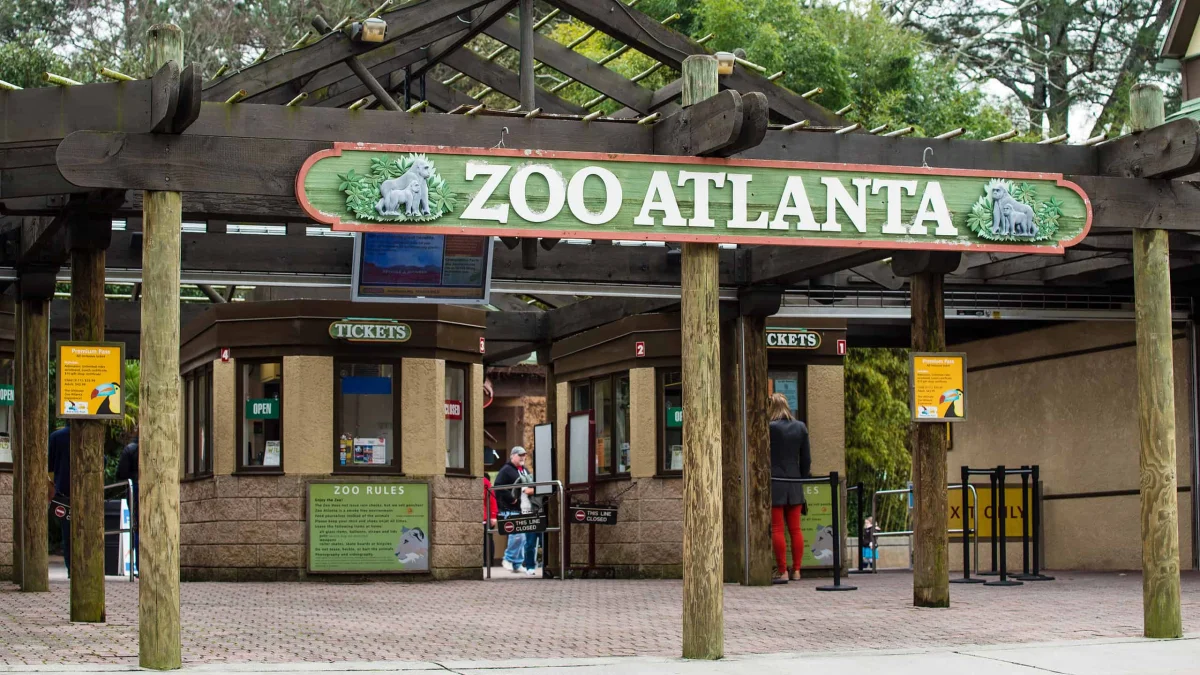
Zoo Atlanta has a successful giant panda breeding program, which is why they will be getting two new additions soon.
©Rob Hainer/Shutterstock.com
What a ten-year term means
Pandas housed outside China remain Chinese property, including cubs born abroad. The current standard term for these arrangements is ten years, though past terms have varied and can be renewed. Zoo Atlanta’s earlier arrangement lasted about 25 years through multiple renewals before ending in 2024.
At the close of the new term, Ping Ping and Fu Shuang are likely to return to China unless their stay is extended. Any cubs born in Atlanta would also belong to China and typically return there within their first few years. The host zoo pays an annual fee that supports panda conservation programs. These conditions are part of the arrangement, not a transfer of ownership to the host zoo.
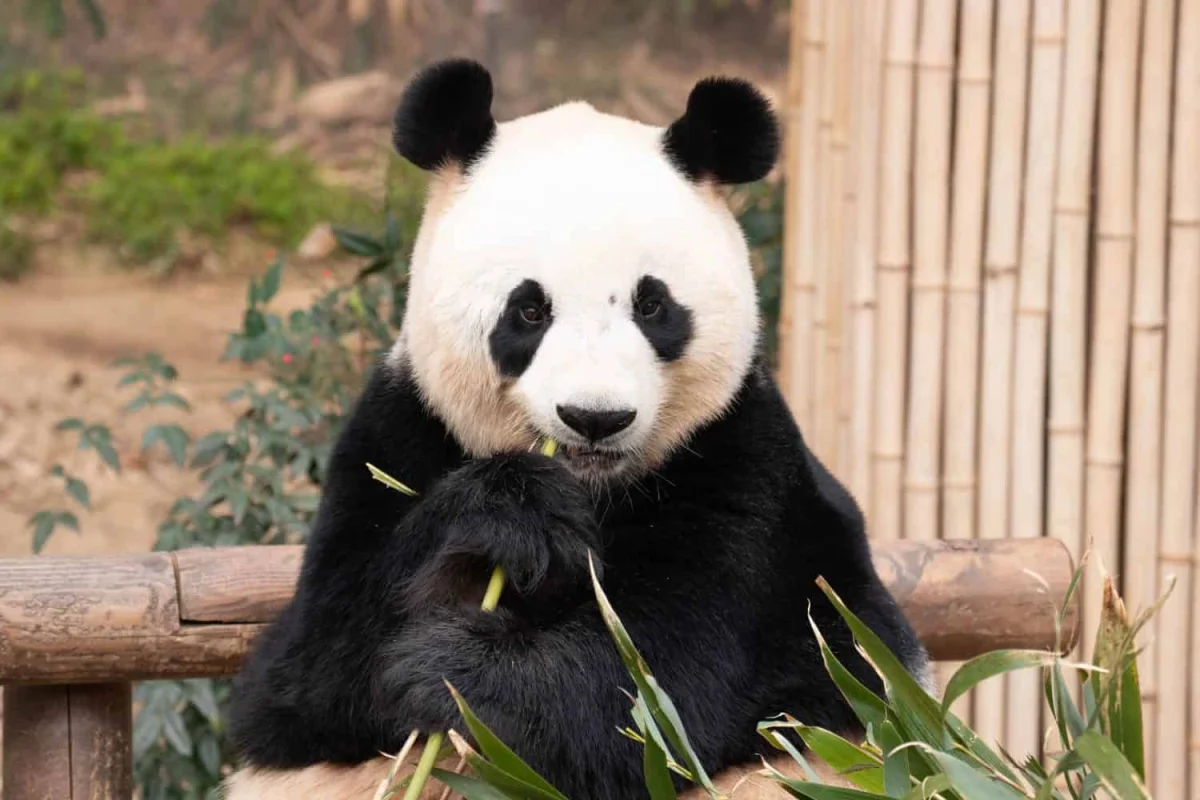
Unless their time is extended, Zoo Atlanta’s new pandas will likely return to China in a decade.
©Foreverhappy/Shutterstock.com
Conservation beyond the habitat
International zoo partnerships can contribute to panda conservation through funding and shared expertise. The source reports that the wild population, which fell below 1,000 in the 1970s, has recovered to approximately 1,800, with habitat protection and breeding efforts among the factors behind that progress. The figure offers context for why long-term care, research and conservation support matter alongside the public attention pandas attract.
Zoo Atlanta is one of three U.S. zoos currently housing giant pandas, alongside the San Diego Zoo and the Smithsonian’s National Zoo in Washington, D.C. Their return restores a prominent part of Atlanta’s visitor experience after the gap from 2024 to 2026. For now, the most meaningful milestone isn’t a viewing date; it’s the pair settling in safely. Visitors can watch for the zoo’s updates as the pandas complete quarantine and prepare for their first public days.
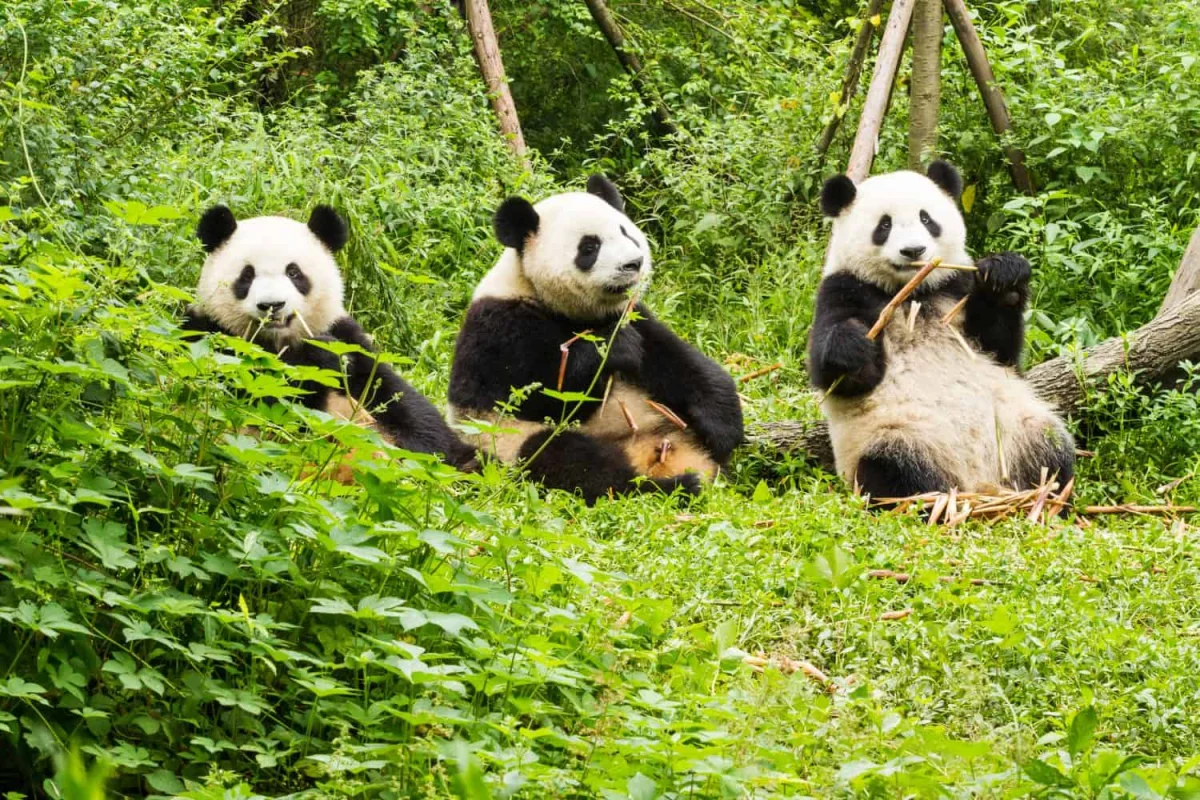
Panda partnerships can support conservation work and public interest in the species.
©Karel Cerny/Shutterstock.com
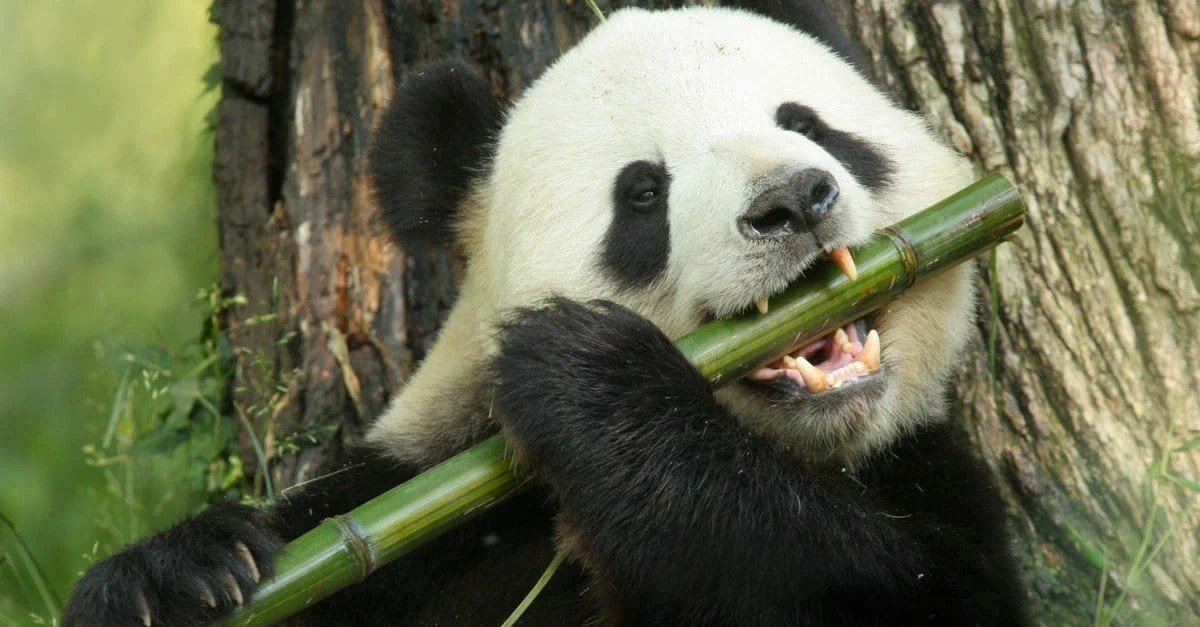
Zoo Atlanta is preparing for its new arrivals in the coming months.
©Bryan Faust/Shutterstock.com
For anyone hoping to meet Ping Ping and Fu Shuang, patience is part of responsible animal care. Their first weeks in Atlanta give staff time to monitor their health and support a measured transition; the zoo’s updates will provide the clearest guide to when they’re ready to be seen.


