Sample No. 0042
8 Corner Cat Litter Boxes: Space-Saving Picks and Comfort Tips
Compare eight corner litter boxes by design and features, then choose a size and setup that supports your cat’s comfort and litter habits.

A corner litter box can reclaim floor space, but its shape alone doesn’t make it a good fit for every cat. The key trade-off is simple: a smaller footprint can mean less room to turn, dig, and cover waste. Measure your cat and the usable interior before choosing a model, and let your cat’s comfort guide decisions about hoods, doors, and entry height.
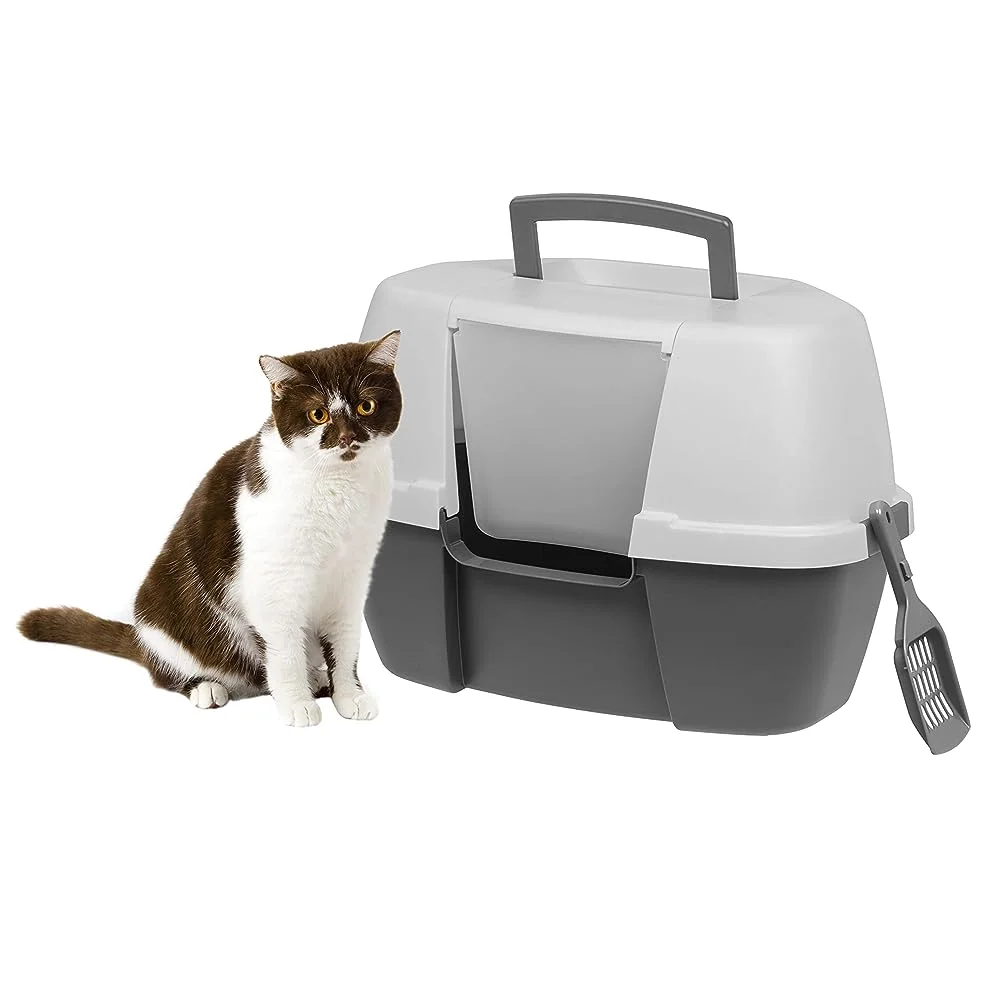
The IRIS USA Large Enclosed Corner Cat Litter Box stands out in the source comparison as the leading general-purpose pick. It’s described as fitting into a 90-degree corner while using about 2 square feet of floor space, compared with roughly 3 to 4 square feet for a standard rectangular box. A front flap helps contain scatter, and a scoop is included. Those conveniences matter only if the interior gives your cat enough room and the flap doesn’t discourage use.
For a covered design with a replaceable odor filter, the Van Ness CP9 uses a Zeolite air filter. For a furniture-style setup, the GDLF enclosure is described as holding two litter boxes across two levels and doubling as an end table or nightstand. Each approach addresses a different household need; neither should take priority over easy access and a comfortable litter area.

Start with your cat’s measurements
A useful sizing guideline from the AAFP and ISFM Feline Environmental Needs Guidelines is to choose a box at least 1.5 times your cat’s body length, measured from nose to the base of the tail. Your cat also needs space to turn around, dig, and squat without pressing against the sides. A triangular exterior can look roomy while the usable area narrows toward the back, so check interior dimensions where they’re available.
The comparison notes that several compact corner options may be too small for cats over 12 pounds, but the table doesn’t provide verified maximum weights for most models. Treat that figure as a prompt to measure carefully rather than a universal cutoff. A cat’s build and preferred posture matter alongside weight. For a large cat or a home with more than one cat, consider a roomier box and make sure each cat can reach and use it without crowding.
Depth matters, too. The cited guideline recommends a litter depth of 2 to 3 inches to support digging and burying. The corner shape doesn’t require a special type of litter; ordinary cat litter can be used. If your cat is particular about texture, a different litter may be worth considering, such as walnut shell litter.
Choose sides, cover, and entry for the cat you have
High sides can help contain litter kicked out during digging and urine that lands high on the box walls. The So Phresh High-Back Corner box, for example, is listed at 26.25 by 21.5 by 10 inches and is described as suitable for multi-cat households. Nature’s Miracle’s P-5913 model also has high sides, along with a non-stick surface. These details may be useful for messy habits, but tall walls should not make entry difficult.
Older cats and cats with mobility limitations may need a lower entrance. If stepping over a tall edge seems uncomfortable, choose a design with a low entry point or use a more accessible open pan. A change in litter habits can have several causes; if your cat suddenly struggles to get into the box or stops using it, contact a veterinarian for guidance.
Hoods and doors bring a separate choice. A cover can help contain scattered litter and give some cats a more sheltered spot. The IRIS USA model has a front door flap; the Amazon Basics No-Mess box has a removable top; and the So Phresh Privacy Hood includes a flip door. The Van Ness CP9 is enclosed and has an odor door. But some cats don’t like covered boxes. The AAFP and ISFM guidelines note that an enclosure a cat dislikes can contribute to litter box avoidance. Watch your cat’s response when introducing a hooded design, and be ready to offer an open option if your cat avoids it.
For a gradual change, keep the cat’s familiar box available while introducing the new one. Place the boxes where the cat can reach them easily, and observe whether the cat enters, turns, and exits without hesitation. A hood or flap is a feature to test against your cat’s behavior, not a requirement for keeping a litter area tidy.
Odor control depends on routine
Filters can reduce odor between cleanings, but they don’t replace scooping. The Van Ness CP9 uses a replaceable Zeolite filter, while the Amazon Basics hooded model includes a charcoal filter. The So Phresh Privacy Hood has a carbon filter. According to PetMD’s guide to litter box odor control, activated charcoal and Zeolite adsorb odor molecules rather than simply masking them. The box’s angular shape itself doesn’t neutralize smells.
Regular upkeep remains central. The source’s FAQ cites the Cornell Feline Health Center for scooping clumps daily and replacing litter every one to two weeks. Follow the needs of your litter and household, and clean the box regularly. Smooth interiors with few ridges or crevices make scooping easier; removable or tilting tops can also simplify a full change. A high-polished surface, as described for the Van Ness, is intended to resist stains and odors and be easier to clean.
Sturdy hard plastic is a practical material because it’s easy to wash and less likely to hold odor than porous surfaces. A non-slip base can keep a box steady while your cat uses it. If the model slides, a mat underneath may help. Check that the mat doesn’t block the entrance or make it harder for your cat to step in.
Eight corner options at a glance
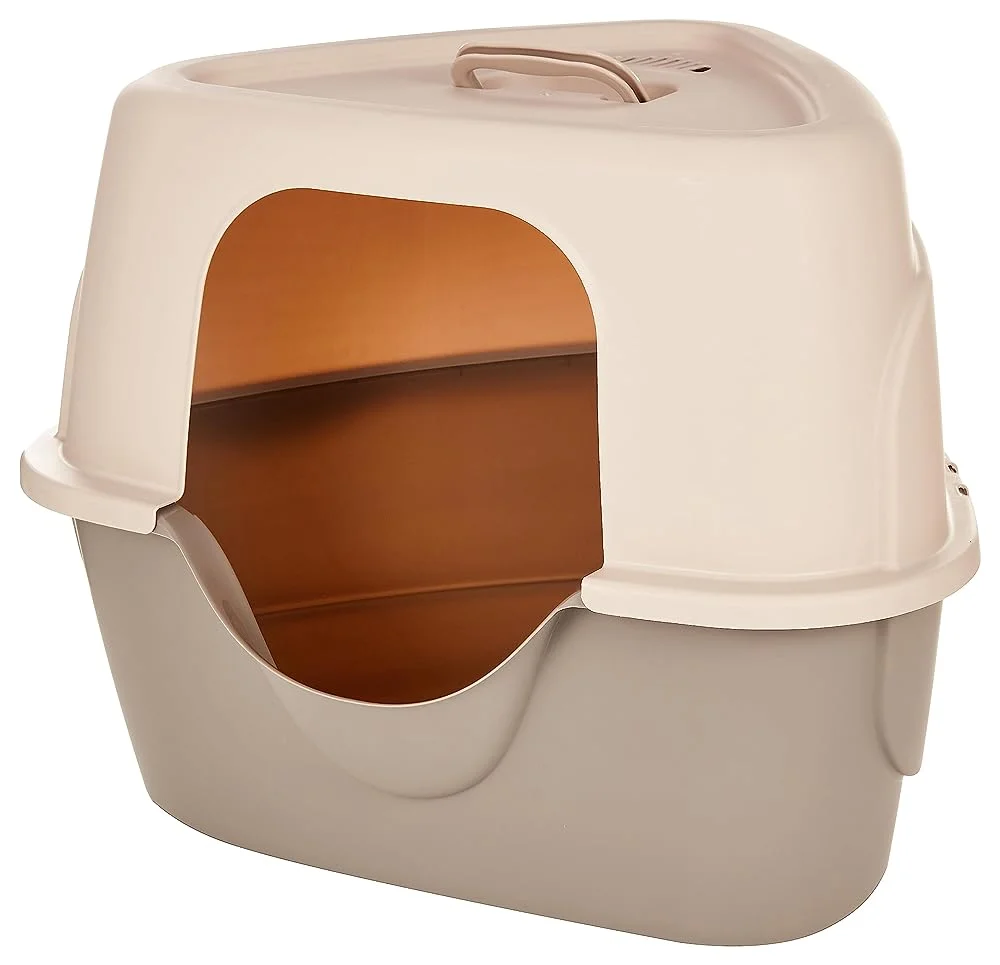
1. Amazon Basics No-Mess Hooded Corner Cat Litter Box
This triangular, hooded box is listed as 26 by 20 by 23 inches. Its removable top is meant to make cleaning and litter changes easier, and a charcoal filter is included to help control odor. The hood is designed to limit scatter and leaks. It’s presented as a budget-conscious space-saving option. Check the interior dimensions before buying, since the comparison doesn’t give a usable interior size or a maximum cat weight.
2. Van Ness Corner Enclosed Cat Pan (CP9)
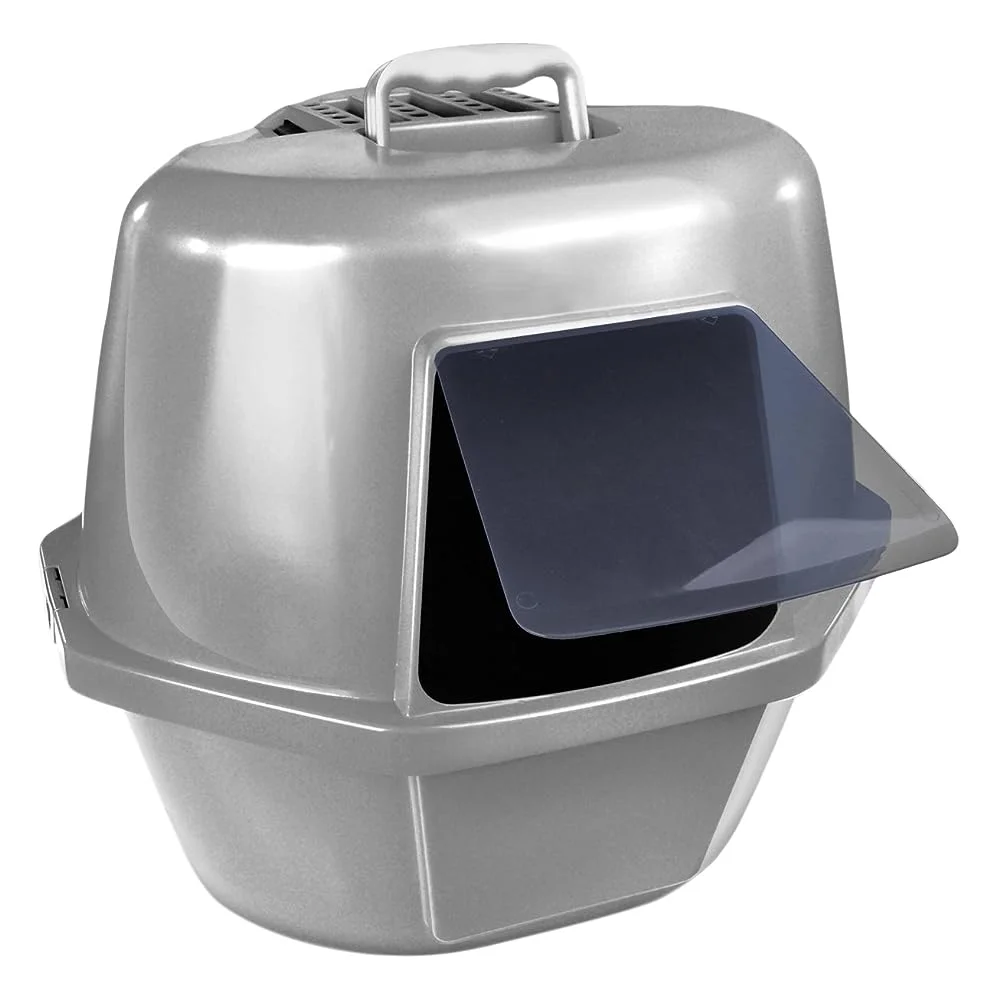
The large CP9 has an enclosed hood, an odor door, and a replaceable Zeolite air filter. Its high-polished finish is described as resistant to odor and stains and easy to clean. The comparison gives no floor dimensions or cat weight limit, so confirm that your cat has room to turn around. This is the listed budget pick for people seeking a covered box with a filter.
3. Nature’s Miracle Advanced High Sided Corner Litter Box (P-5913)
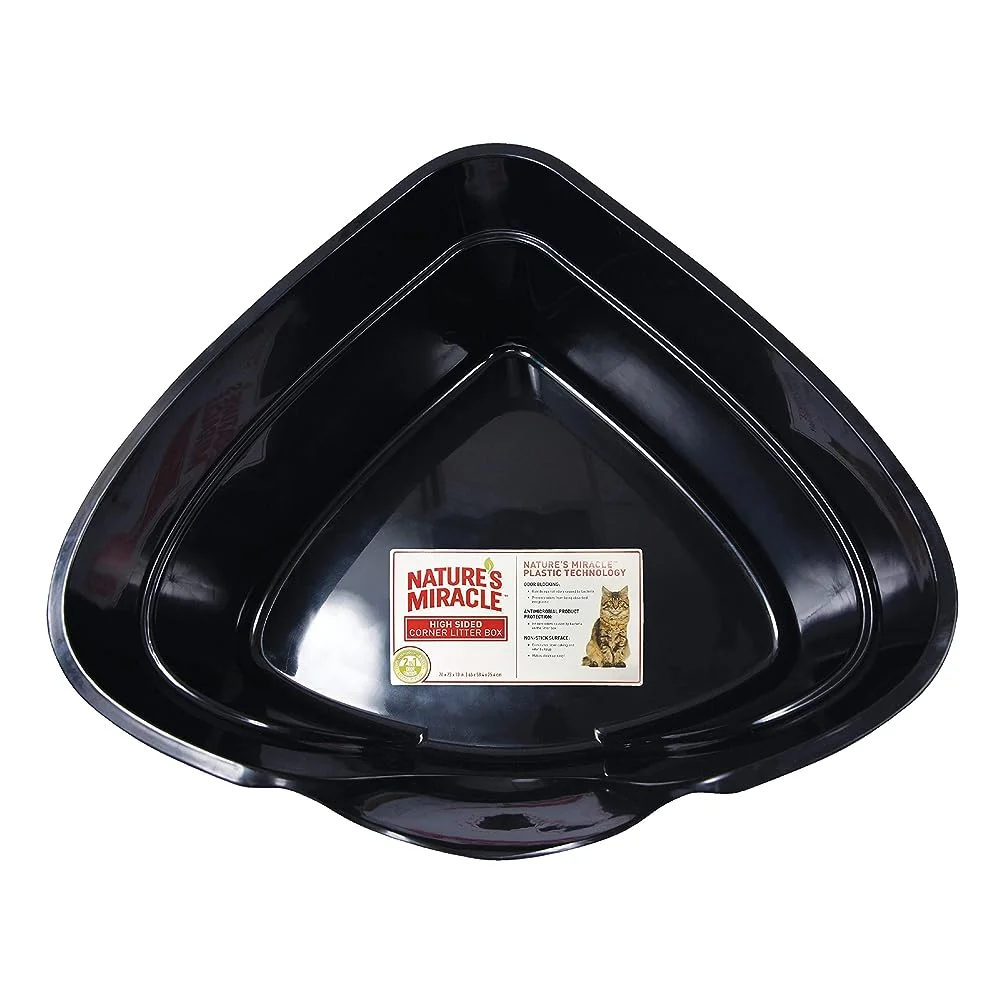
This open model uses high sides to help contain kicked litter and has a non-stick surface intended to make cleanup easier. The comparison lists its interior as high-sided but doesn’t provide measurements or a maximum cat weight. It may suit cats that scatter litter, provided they can step over the edge comfortably. The source describes easy cleanup and odor management as its main benefits.
4. So Phresh High-Back Corner Grey Litter Box
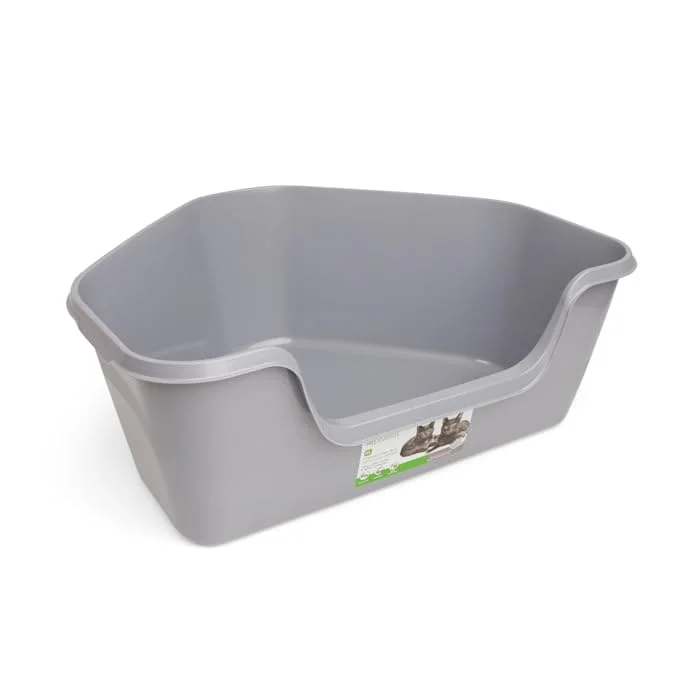
At 26.25 by 21.5 by 10 inches, this open pan has a raised back and sides intended to contain scatter and spray. It’s described as durable, easy to clean, and suitable for multi-cat households. There’s no filter or hood listed in the comparison. As with any open box, check whether its height and overall usable area suit each cat that will use it.
5. IRIS USA Large Enclosed Corner Cat Litter Box
The IRIS USA model combines an enclosed hood with a front flap, handle, and buckles for portability. A scoop is included. The enclosure is intended to contain litter and help keep other pets from interfering. The source describes the box as fitting into a 90-degree corner in about 2 square feet of floor space, and names it the best general-purpose option in the comparison. Interior measurements and a maximum cat weight aren’t provided, so measure the cat and the available space first.
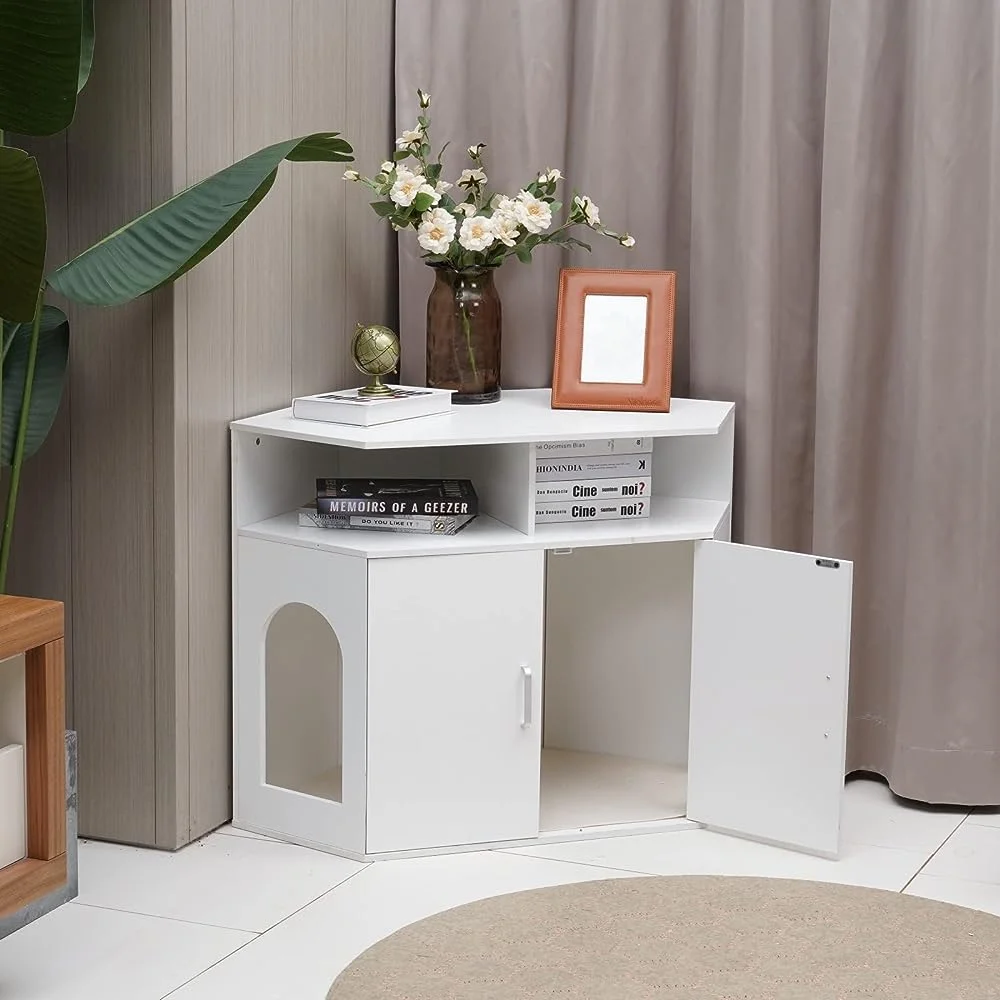
6. Corner Litter Box Enclosure Furniture
This cabinet-style enclosure is designed to fit in a corner and conceal a litter box behind double doors. The source describes magnetic doors, an open shelf, and use as a TV stand or storage cabinet. It’s said to fit most litter boxes and be easy to clean. The comparison describes the enclosure as a premium choice while its product section calls it budget-friendly; check current listings and dimensions before relying on either price description. Confirm that your own litter box fits inside with enough clearance for access.
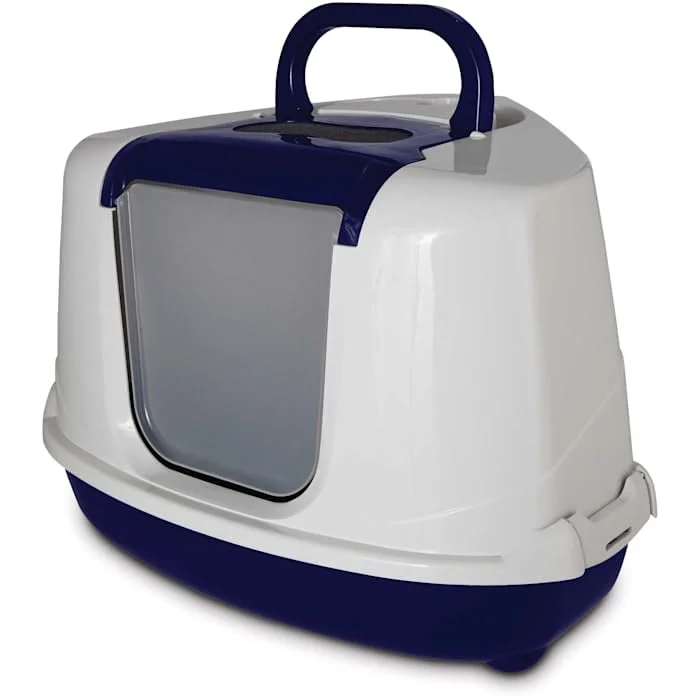
7. So Phresh Corner Privacy Hood and Cat Litter Pan
This hooded pan measures 22 inches wide by 17.88 inches deep by 15.25 inches high. It includes a carbon filter and a flip door, and is intended to offer a more discreet corner setup while containing litter and odor. The comparison doesn’t state its usable interior dimensions or cat weight limit. Consider whether the entrance and enclosed space work for your cat before choosing it.
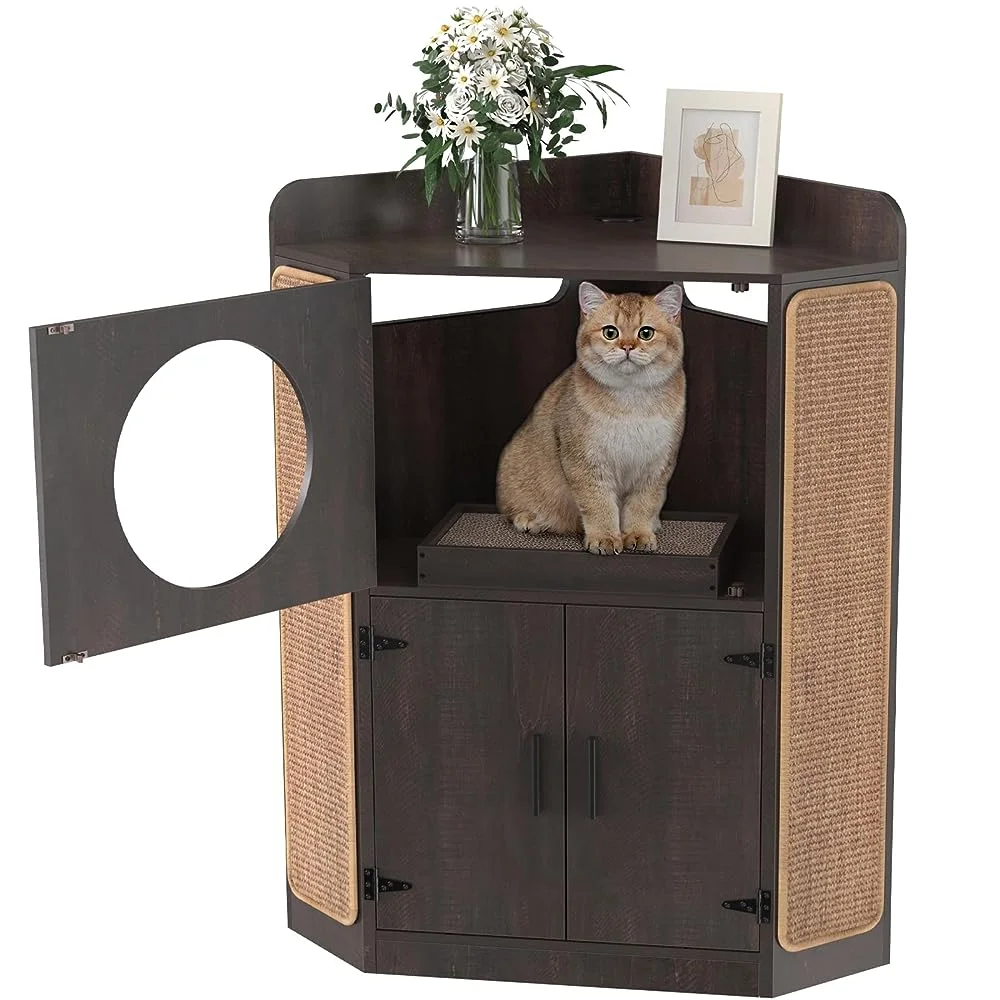
8. GDLF Furniture-Style Corner Litter Box Enclosure
The two-level enclosure is described as holding two litter boxes and serving as an end table or nightstand. Its large entryway and sisal scratching pad are intended to support access, while the upper level can help keep other pets away from the litter area. The comparison lists the entry scratching surface as a feature and positions this as a premium furniture-style option. Check the dimensions and your cats’ comfort with the entry arrangement, especially if a cat has difficulty climbing or navigating enclosed spaces.
Fit the box into the household
Corner designs can help in smaller rooms, including apartments, by using space that might otherwise go unused. A cat may still need more than one convenient litter location, especially in a multi-cat home. The source notes that several corner boxes can be placed in one room or across multiple rooms. Think about access and placement: a box should be easy for each cat to reach, with enough room around the entrance to step in and out.
Furniture enclosures can make a litter area less visible and add a surface for storage, but concealment has to work for the cat as well as the room. A cabinet door, narrow entry, or tall step may complicate access. Review the interior measurements, opening size, and cleaning access before purchasing. For ideas on maintaining cat comfort in smaller homes, see this guide to cats in apartments.
Self-cleaning corner boxes are described as less common than conventional automated models and typically more expensive. The source doesn’t identify a particular automated product to compare, so check each current listing closely if that feature matters to you. For any design, owner reviews can reveal practical details such as whether a flap stays in place or a hood retains a plastic smell. The reviews hub is one place to browse owner feedback.
The comparison is evidence-reviewed rather than based on hands-on testing, and its listed prices were checked on May 22, 2026. Several product dimensions and weight limits are missing, and the table itself flags some details for verification against current manufacturer listings. Treat the stated features as a starting point, then confirm measurements, included parts, and current product details before ordering.
Make comfort the deciding factor
A corner box earns its place when it saves room without restricting your cat’s normal litter habits. Start with the 1.5-times-body-length guideline, confirm the entry is manageable, and provide 2 to 3 inches of litter. Then decide whether high sides, a hood, or a filter addresses a real need in your home. If a new design leads to hesitation or avoidance, offer an accessible alternative and ask your veterinarian about a sudden change in litter box behavior.
Regular scooping, a stable location, and a box your cat can comfortably use will do more for a successful setup than a decorative shape or filter alone.
The original comparison appeared as 8 Best Corner Cat Litter Boxes on iHeartCats.com.


