Sample No. 0038
Choosing Fish Oil for Cats: Six Options and What Owners Should Check
EPA and DHA may support skin, joints and other functions, but the right product and amount depend on your cat. Compare six options and check with your vet.
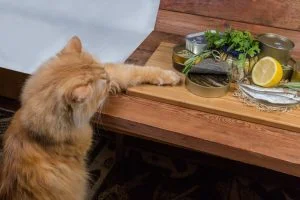
Fish oil can add omega-3 fatty acids to a cat’s diet, but the bottle matters: products vary in their EPA and DHA content, source, packaging and ease of use. A supplement may suit one cat and put another off its food, so choosing one calls for attention to both the label and the animal taking it.
EPA and DHA are the omega-3 fats most often highlighted in fish oil for cats. The source describes potential benefits for skin and coat, joints, heart function, cognition, kidney health, immunity, and eye development. Those potential benefits don’t make fish oil a treatment for disease or a substitute for complete food. A veterinarian can help decide whether a particular cat needs a supplement and how much is appropriate.
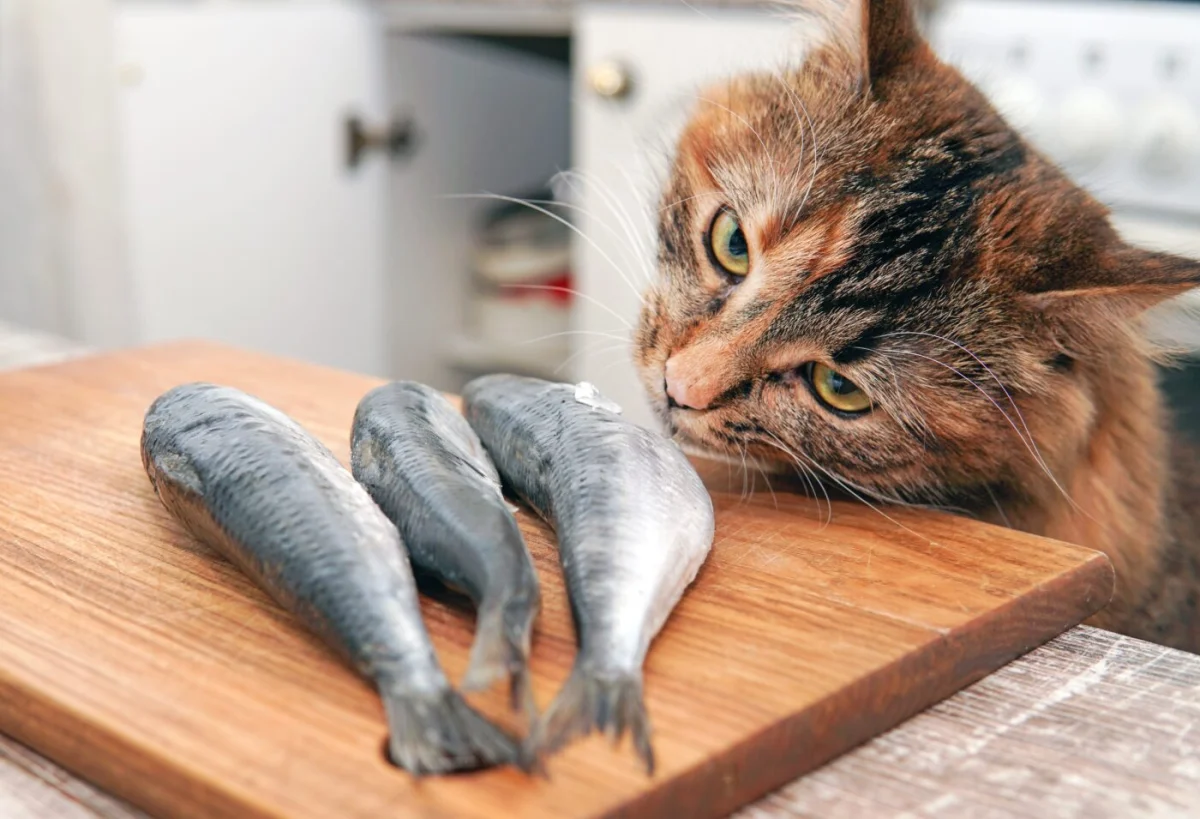
Six products, with different tradeoffs
The options below are described by their ingredient sources, format and reported advantages and drawbacks. Product descriptions are not a guarantee that a supplement will suit every cat. Before choosing, compare the label’s EPA and DHA amounts per serving, check storage directions and consider whether your cat will accept the flavor.
Nutramax Welactin Omega 3 Fish Oil
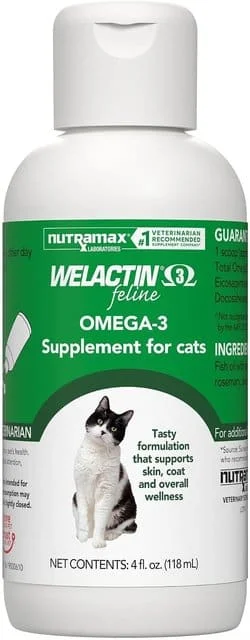
This concentrated liquid is formulated for cats and contains EPA and DHA. Its pump dispenser is intended to make adding oil to food straightforward, and the natural fish flavor may help with acceptance. The source describes the formula as veterinarian recommended and presents it as an option for skin, coat, heart and joint support.
Its concentrated format may be useful when a cat is reluctant to eat a larger amount of supplement. The tradeoffs listed are a smaller bottle than some alternatives and a fish flavor that may not suit cats sensitive to it. Check the label for the amount of EPA and DHA in each pump rather than assuming that all liquids deliver the same dose.

Vital Pets Salmon Oil
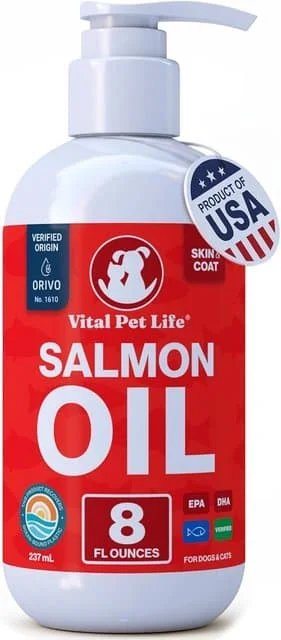
Vital Pets is described as a single-ingredient oil made from wild-caught salmon, suitable for cats and dogs. It provides omega-3, omega-6 and omega-9 fatty acids, and the liquid can be drizzled over food. Owners who prefer a short ingredient list may appreciate that simplicity.
The source lists a strong fish smell as a possible drawback and says the bottle needs refrigeration after opening. That storage requirement is easy to overlook, so follow the product directions and close the container after use. A food topper also needs to be introduced with care: if your cat stops eating a meal after it is added, pause and ask your veterinarian about another approach.
Nordic Naturals Omega-3 Fish Oil for Cats
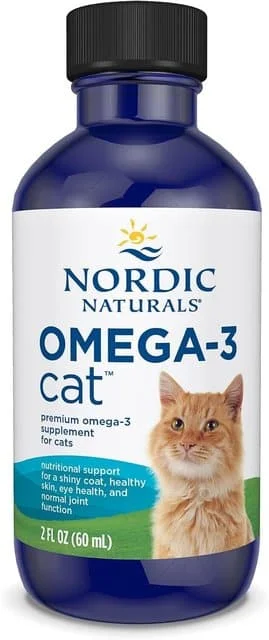
This cat-specific product is described as made from wild-caught fish and third-party tested for purity and freshness. The listed formula is non-GMO, gluten-free and dairy-free, with no artificial additives or preservatives. Its stated areas of support include heart, skin, coat, immune and joint health.
The source identifies the 2-ounce bottle as a drawback for daily use, especially compared with larger options, and notes a higher price per ounce. A smaller package may be a practical way to assess whether a cat accepts a product, but owners should check the serving size and how long it will last at the veterinarian’s recommended amount.
Pet Honesty Vet Recommended Salmon Oil
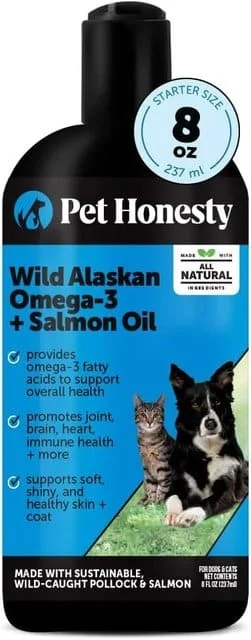
Pet Honesty’s liquid salmon oil is described as sourced from wild Alaskan salmon, free of artificial preservatives and suitable for pouring over food. The source lists skin, coat, joint and immune health among its intended areas of support. Its 8-ounce size is presented as a value advantage for owners considering regular use.
The bottle cap may drip if it isn’t tightened, and the fish scent is noticeable, according to the product notes. Wiping the bottle neck and storing it as directed can help keep feeding less messy. As with any liquid supplement, measure servings according to the label and veterinary advice instead of estimating by eye.
Zesty Paws Salmon Oil
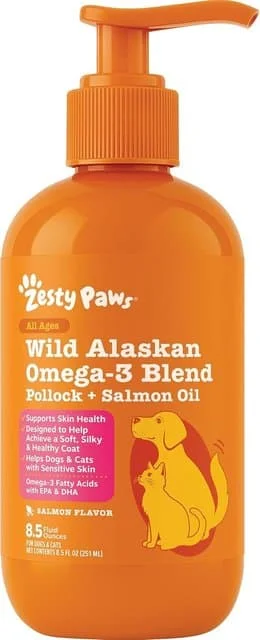
This oil combines wild Alaskan pollock and salmon and provides EPA and DHA. The source describes it as intended to support skin hydration, coat condition, joint flexibility and immune function. A pump bottle is designed to make dispensing easier, and the listed formula has no artificial preservatives or fillers.
The product notes say cats tend to enjoy its flavor, though individual preferences vary. They also flag that the pump can clog over time and that the blend uses two fish sources rather than one. That distinction may matter to owners who want a single-source product or are trying to identify which ingredients their cat tolerates.
Native Pet Omega 3 Fish Oil
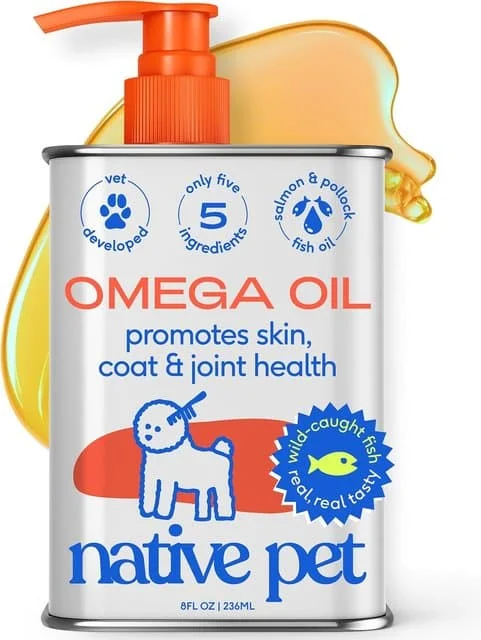
Native Pet’s product is described as an oil from wild-caught fish, with a minimal ingredient list and no fillers or artificial ingredients. It can be mixed into wet or dry food and is presented as suitable for cats and dogs. The source lists skin, coat and joint health as its areas of support.
Its milder fish flavor may not appeal to cats that prefer a stronger taste, and the bottle is described as small. Ingredient transparency can help owners compare products, but it doesn’t replace checking the EPA and DHA amounts, storage instructions and suitability for an individual cat.
What omega-3s may contribute
Cats need to obtain omega-3 fatty acids from food or supplements. The source identifies EPA and DHA as key fatty acids in fish oil and describes several ways they may contribute to health. The strength of the evidence and the value of supplementation can vary with a cat’s diet and health, so these potential benefits should be discussed with a veterinarian, especially when a cat has a diagnosed condition.
- Skin and coat: Omega-3s may help maintain the skin barrier and support coat condition. The source connects them with less dryness, itching and shedding, but persistent itching, hair loss or irritated skin warrants veterinary attention.
- Joints: EPA is described as having anti-inflammatory effects that may help with joint stiffness, including in older cats or cats with arthritis. Changes in mobility or discomfort should be assessed by a veterinarian rather than managed with a supplement alone.
- Heart function: The source describes possible cardiovascular benefits, including effects on triglycerides and heart rhythm. Cats with heart concerns need veterinary guidance before any diet change.
- Brain and eyes: DHA is involved in brain function and is a component of the retina. The source says it may support neurological and visual development in kittens and cognitive function in older cats.
- Kidneys: The source reports that studies suggest omega-3s may reduce protein loss in urine and slow chronic kidney disease. This is not a substitute for veterinary care, monitoring or a prescribed diet for a cat with kidney disease.
- Immune function: Omega-3s are associated in the source with inflammation and oxidative stress, processes involved in immune function. That does not mean fish oil prevents illness or replaces routine care.
These are reasons to ask whether supplementation fits a cat’s needs, not a promise of a visible result. Fish oil should complement a balanced, complete diet. It cannot supply all the nutrients a cat needs, and it should not replace meals or veterinary treatment.
Choosing and introducing a supplement
Start with the label. Look for the amount of EPA and DHA per serving, since the total amount of oil alone doesn’t show how much of these fatty acids the product provides. Fish sources named in the source include salmon, sardines and mackerel; the products reviewed also include pollock and unspecified wild-caught fish. If the source matters to your choice, confirm it on the current product label.
Purity and freshness matter when selecting an oil. The source recommends looking for testing information, such as a certificate of analysis, and notes that contaminants can be a concern with fish products. Third-party testing is specifically listed for Nordic Naturals. Read the manufacturer’s claims and directions, and check the expiry date before use.
Think about format and flavor as well as ingredients. Liquids can be mixed into food, while soft gels or chewables may suit some cats better. Cats can be selective, and a strong smell or taste can put an individual animal off. If you try a liquid, offer it in a small portion of food first so you can see whether your cat accepts it before serving a full meal.
Packaging and storage affect freshness. Fish oil can become rancid when exposed to heat, light or air. The source recommends dark or opaque packaging and following storage directions; Vital Pets Salmon Oil is specifically described as needing refrigeration after opening. Keep the cap secured and check the product’s instructions for storage after opening.
Price can matter when a supplement is intended for ongoing use, but compare cost alongside concentration, serving size and bottle volume. A larger bottle isn’t automatically the better value if the product doesn’t suit your cat or requires a serving that differs from your expectations. A veterinarian can help you narrow the choices based on your cat’s diet, age and health.
Dose and tolerance need individual guidance
The source’s quick facts mention starting low, around 20 milligrams of EPA and DHA per pound of body weight, and increasing gradually. That figure should not be treated as a dosing plan for an individual cat: products have different concentrations, and the appropriate amount depends on a cat’s circumstances. Ask your veterinarian to determine a safe amount before starting or changing a supplement. This is especially important for kittens, senior cats and cats with health conditions.
Introduce fish oil gradually and watch how your cat responds. The source notes that some cats may develop vomiting or diarrhea, particularly when the supplement is introduced too quickly or given in excess. If digestive problems appear, stop adding more and contact your veterinarian for advice. A cat that refuses food, seems unwell or has continuing symptoms should be assessed by a veterinary professional.
Use a product intended for pets unless your veterinarian advises otherwise. Human fish oil supplements may contain a higher concentration than a cat needs, according to the source. Don’t assume that a capsule or serving size designed for people is suitable for a cat; the label and veterinary guidance should determine what is appropriate.
Common questions from cat owners
Can fish oil improve a cat’s coat?
EPA and DHA may support skin and coat condition, and the source connects them with reduced dryness and itching. Coat changes can have other causes, so persistent skin problems deserve a veterinary check.
Is salmon oil different from other fish oil?
Both can provide omega-3 fatty acids, but the fish source and the concentration and purity of the finished product may differ. Compare labels rather than assuming that all oils provide the same amount of EPA and DHA.
Can kittens take fish oil?
DHA is described as important for brain and eye development. Ask a veterinarian whether a kitten needs a supplement and what amount is suitable for its age and diet.
Does fish oil expire?
Yes. Check the expiry date and follow storage directions to help preserve freshness. Don’t use oil that is past its date or has been stored contrary to the label instructions.
Can fish oil replace a balanced diet?
No. Use it only as a supplement to complete food, if your veterinarian recommends it. It isn’t a replacement for meals or other nutrients.
Make the choice with your cat’s needs in mind
The six products differ in fish source, ingredient list, bottle size, dispensing method and reported flavor. Those details can guide a comparison, but the best fit depends on your cat’s diet, health, preferences and the amount of EPA and DHA each serving provides. Ask your veterinarian whether a supplement is appropriate, confirm the dose and introduce it gradually. That gives you a practical way to monitor tolerance while keeping your cat’s overall diet complete.
The post 6 Best Fish Oil Supplements for Cats appeared first on iHeartCats.com.


