Sample No. 0247
Warming Patients Before Anesthesia Starts to Pay Off in Recovery
Warming dogs and cats before anesthesia can blunt the heat loss that follows induction, with clear gains for recovery and blanket choice.
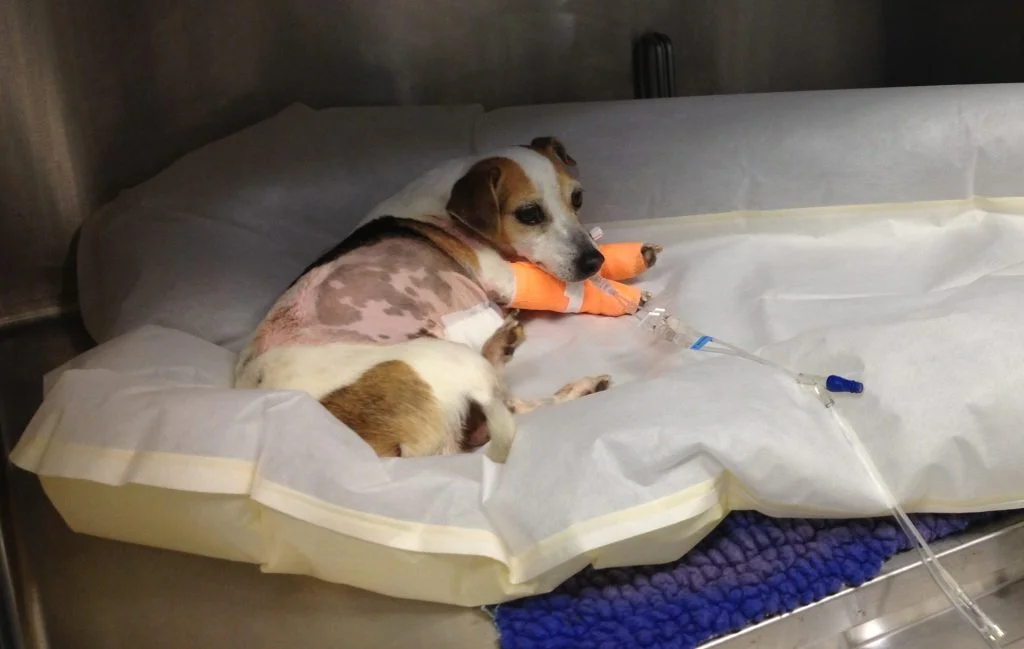
Heat loss under anesthesia is predictable, which is why waiting until a patient is cold makes little sense. Studies suggest up to 80 percent of anesthetized dogs and cats become hypothermic to some degree during procedures.1 Pre-warming, meaning warming the patient before induction, moves temperature management from damage control to prevention.
Where the heat goes
Anesthetic agents and sedatives blunt the body's ability to regulate temperature and suppress shivering, which is the body's main emergency heating response. They also cause vasodilation, pulling blood away from the warm core toward the extremities, where heat escapes quickly. Dogs and cats can lose several degrees within 15 to 30 minutes of induction.2 The slide often starts earlier, since a mild core temperature drop can begin once premedication is given.
Several factors speed things up:
- Clipping and wetting the coat during surgical prep
- Cold operating rooms
- Open body cavities during surgery
- Breathing cold anesthetic gases
Small animals are the most exposed. Their higher surface-area-to-volume ratio means they lose heat faster relative to their body mass.
Why a few degrees matter
Lower body temperature slows heart rate and breathing, reduces drug metabolism, and stretches out recovery. Patients may wake slowly, seem disoriented, shiver, and appear uncomfortable.3 Shivering during recovery can strain surgical sites and add to post-operative pain, which is the last thing an animal needs after surgery.
The stakes go beyond comfort. Roughly one in 500 animals die during anesthesia or sedation, and about half of those deaths occur during recovery, when temperature-related complications are a particular risk.4 That figure is sobering, and it explains why temperature management has climbed the priority list for many teams.
Warming before the cold sets in
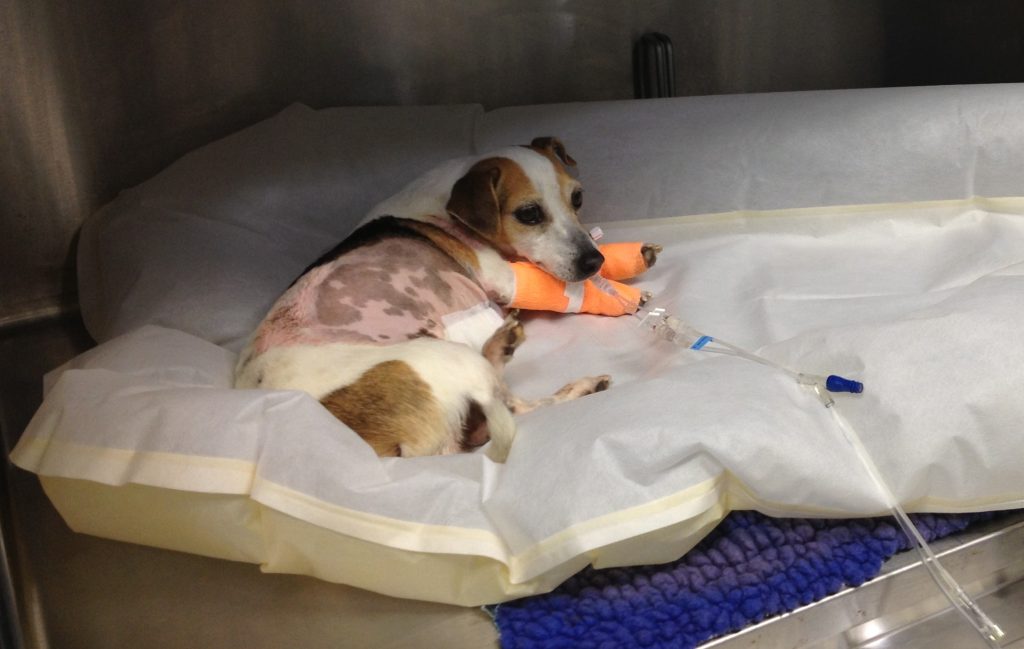
Intraoperative warming with heated blankets and devices remains essential, but it usually begins after the patient has already cooled. Pre-warming moves the starting line. Warming the skin and peripheral tissues before induction reduces how much heat drains from the core once vasodilation kicks in.
Even 30 to 40 minutes of pre-warming can raise peripheral temperatures by several degrees. The payoff is a thermal buffer: the patient enters anesthesia with reserve, and holding normal body temperature through the procedure becomes far easier.
Workflow matters too. Teams report that pre-warming several patients can take about the same time as re-warming one severely cold animal.5 Here's the thing: a clinic that waits to warm patients in recovery is spending more effort on a problem it could have prevented.
Reusable or disposable blankets
Pre-warming also raises a practical question: which blanket should you use? Reusable blankets face heavy wear. Animals chew and claw at them, and repeated laundering breaks down the fabric. According to the authors, they can lose much of their efficiency after the first wash, as the fabric becomes more porous over time. When air escapes instead of filling the internal air pockets, heat spreads unevenly and warming drops.
Disposable blankets are designed to hold consistent airflow and structure. Many teams use them across several days and multiple patients rather than for a single procedure. Cost is part of the comparison. Reusable blankets average about $150 upfront, and laundering, repair and replacement add up. Disposables average around $12 and need no washing.
Some veterinary-specific designs fit both kennels and operating tables, so an animal can be warmed before surgery and kept warm during recovery. Both veterinarians behind this piece lead companies, so treat the blanket comparison and price figures as claims to verify against your own clinic's experience and supplier quotes.
A shift in mindset
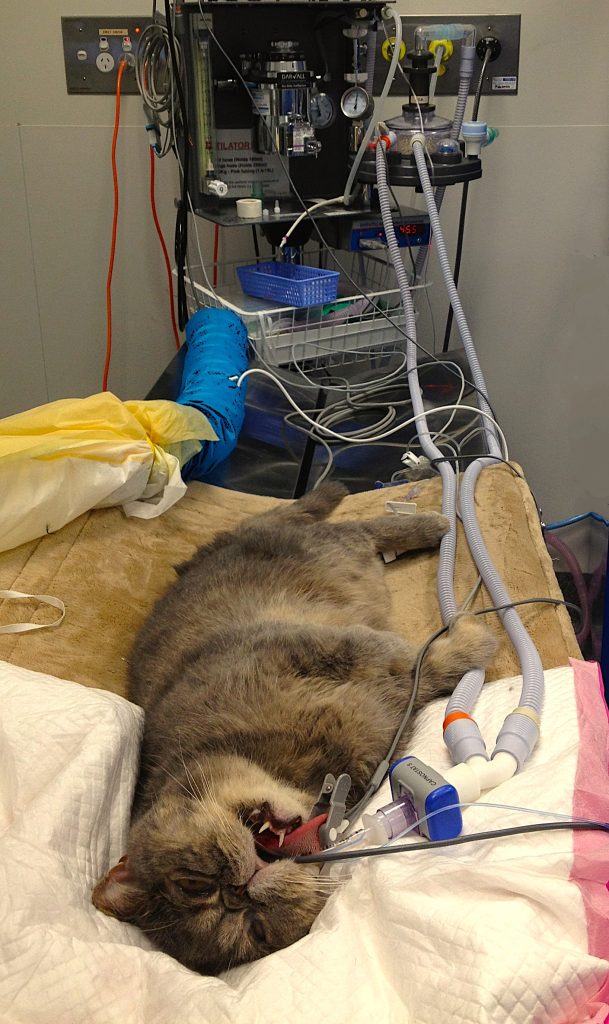
Hypothermia is often treated as an unavoidable side effect of anesthesia. Clinicians increasingly see it as a preventable risk that can be addressed much earlier in the patient's journey. The practical step is small: start warming before induction, keep the patient covered through recovery, and track whether recovery temperatures and wake-up times improve. Those numbers will tell your team more than any protocol on paper.
References
- Dunlop, Colin. "Solving Perianaesthetic Hypothermia." World Small Animal Veterinary Association World Congress, 2014. link
- Sage AM, et al. Retrospective investigation of decreasing body temperature trends during anaesthesia in dogs. Vet Rec. 2023;193(4):e2586.
- Robertson, Sheilah. "Hypothermia: More Important Than You Believe." World Small Animal Veterinary Association World Congress, 2015.
- Brodbelt, David C. "The Confidential Enquiry into Perioperative Small Animal Fatalities," 2006. link
- Parker, Stacey. "Avoiding Hypothermia in Patients under General Anaesthesia for Dental and Oral Surgery," 2025. link


