Sample No. 0240
Choosing Healthy Food for Small Dogs: Calories, Texture and Feeding Routines
Small dogs need calorie-aware portions and food they can chew comfortably. Compare food formats, build steady meal routines and know when appetite changes need a vet.
Small dogs need more energy per pound than large dogs, yet their stomachs can hold only modest meals. That combination makes calorie density, portion size and feeding frequency practical parts of choosing food. Texture matters, too: small mouths and crowded teeth can make some pieces uncomfortable to chew.
There isn’t one best food format for every small dog. Dry, wet and gently cooked fresh foods can all work when they’re complete and balanced for the dog’s life stage. The right choice depends on the dog’s appetite, chewing comfort, body condition and household routine.
Start with the food label
A useful small dog food checklist begins with nutritional adequacy. Look for a statement that the food is complete and balanced for your dog’s life stage, or for all life stages. This statement indicates that the food is formulated to meet nutrient profiles published by the Association of American Feed Control Officials (AAFCO). It’s the most useful place to start when comparing products.
Then check the calorie information. Labels may list calories by cup, can or pack; use that figure to portion meals rather than guessing. A named animal protein, such as chicken, beef or turkey, near the top of the ingredient list can also make the label easier to understand. Finally, check whether the food’s size and texture suit your dog, and whether your dog eats it reliably.
One example of a fresh food labeled for all life stages is Get Real. Its recipes are described as meeting AAFCO nutrient profiles for all life stages, including growth of large-size dogs. The recipes contain 10 ingredients or fewer, plus vitamins and minerals, and list a named protein near the start of the ingredients. A sampler with beef, chicken and turkey recipes can help owners learn which flavor their dog prefers.
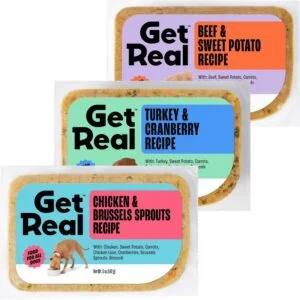
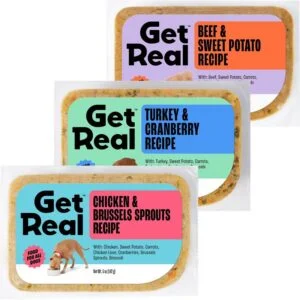
Get Real Sampler Pack, Beef, Chicken & Turkey Gently Cooked Fresh Dog Food, 6 pack bundle (2 of each recipe). A sampler offers small dogs a chance to try three recipes before their owner settles on a favorite.
Fit calories into a small stomach
Small dogs use more calories per pound of body weight than large dogs. A standard veterinary estimate for resting energy requirement is 70 multiplied by body weight in kilograms raised to the 0.75 power. Activity and life stage affect the final daily need; a typical spayed or neutered adult may need roughly 1.6 times its resting requirement.
As an illustration, a 10-pound adult dog may need around 350 calories a day, or about 35 calories per pound. A 70-pound dog may need about 1,500 calories, or roughly 21 calories per pound. These are estimates, not individual feeding instructions. A dog’s actual needs depend on factors including activity and body condition.
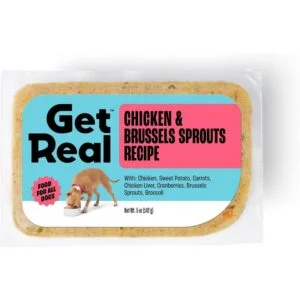
Get Real Chicken & Brussels Sprouts Recipe. This gently cooked recipe is labeled complete and balanced for all life stages and lists calories per pack to help with portioning.
Because a small dog eats relatively little at a time, the calories in each ounce or cup matter. A low-calorie food may require a larger serving to meet the dog’s needs, while overly generous portions of a calorie-dense food can push a small dog’s daily intake too high. Weighing food or using a level measuring cup helps keep portions consistent.

Small extras can add up quickly when a dog’s daily calorie allowance is modest. Treats, table food and toppers all count. Weigh your dog regularly and ask your veterinarian to help assess body condition if you’re unsure whether the current portion is appropriate.
Toy breed dogs and young small dogs need particular attention to meal timing. Their small bodies store little energy, and missed meals can contribute to low blood sugar. Weakness, trembling, wobbliness or unusual sleepiness after a missed meal warrant a call to a veterinarian right away; collapse or seizures are urgent signs. Regular meals help reduce the chance of long gaps without food. Many small adult dogs do well with two or three measured meals a day, while small-breed puppies often need three or four. Follow your veterinarian’s advice for your dog.
Choose a texture your dog can manage
Large pieces of kibble can be awkward for a small mouth to pick up and chew. Some dogs swallow pieces whole; others leave food behind. Small-breed kibble may be easier to handle, but size alone doesn’t determine whether a dog can chew comfortably.
Dental health also deserves attention. Small dogs can be prone to periodontal disease because their teeth are crowded into a small jaw. Ordinary crunchy kibble doesn’t reliably keep teeth clean. Some products designed to reduce plaque or tartar carry the Veterinary Oral Health Council seal, and daily toothbrushing remains the most effective home dental care.

For dogs with missing teeth, known dental disease or a sore mouth, soft food may be easier to eat. Watch for dropped pieces, chewing on one side, pawing at the mouth, or leaving meals unfinished. Bad breath, red gums and visible tartar also call for attention. A sudden preference for soft food may reflect mouth pain; changing texture can help a dog eat but won’t address the cause, so arrange a veterinary exam.
Compare dry, wet and gently cooked food
Each format can be suitable if it’s complete and balanced for the dog’s life stage. The main differences are calorie density, moisture, texture and storage. Some owners combine formats, such as adding fresh food to kibble, but should count the calories from both.
| Factor | Dry kibble | Canned wet food | Gently cooked fresh food |
|---|---|---|---|
| Calories and volume | Typically the most calorie-dense per cup; small servings can provide substantial energy. | Varies by product; the high water content means a dog may need more volume for the same calories. | Moderate density; Get Real lists 1,260 to 1,394 kcal per kg. |
| Moisture | Low, usually around 10 percent. | High, often around 75 to 80 percent. | Get Real lists maximum moisture of 75 percent. |
| Texture | Varies; small-breed pieces may be easier for small mouths. | Soft. | Soft, cooked pieces. |
| Storage | Store in the pantry and reseal the bag. | Store in the pantry unopened; refrigerate after opening. | Keep frozen, thaw in the refrigerator and use within three to five days. |
| May suit | Dogs that chew well and owners who prefer simple storage. | Dogs that need a softer texture or more moisture. | Dogs that prefer soft food or owners who want a short ingredient list. |
Dry food’s calorie density can suit a small stomach, though it also makes accurate measuring important. Wet food is soft, but its water content means it may take a larger portion to supply the same calories. Gently cooked fresh food offers a soft texture and can be portioned in advance.
Get Real is gently cooked and then frozen. Its 5-ounce packs are intended as mixers, while 12-ounce and 24-ounce packs are available for full meals. A small topper portion can add variety to a dog’s usual food; a full meal may be an option for dogs who manage soft food more comfortably. If you add a topper, reduce the amount of the regular food to account for the calories it contributes.
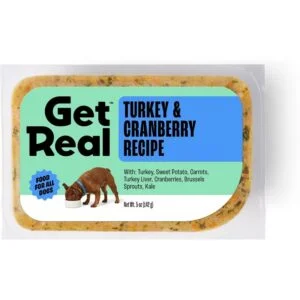
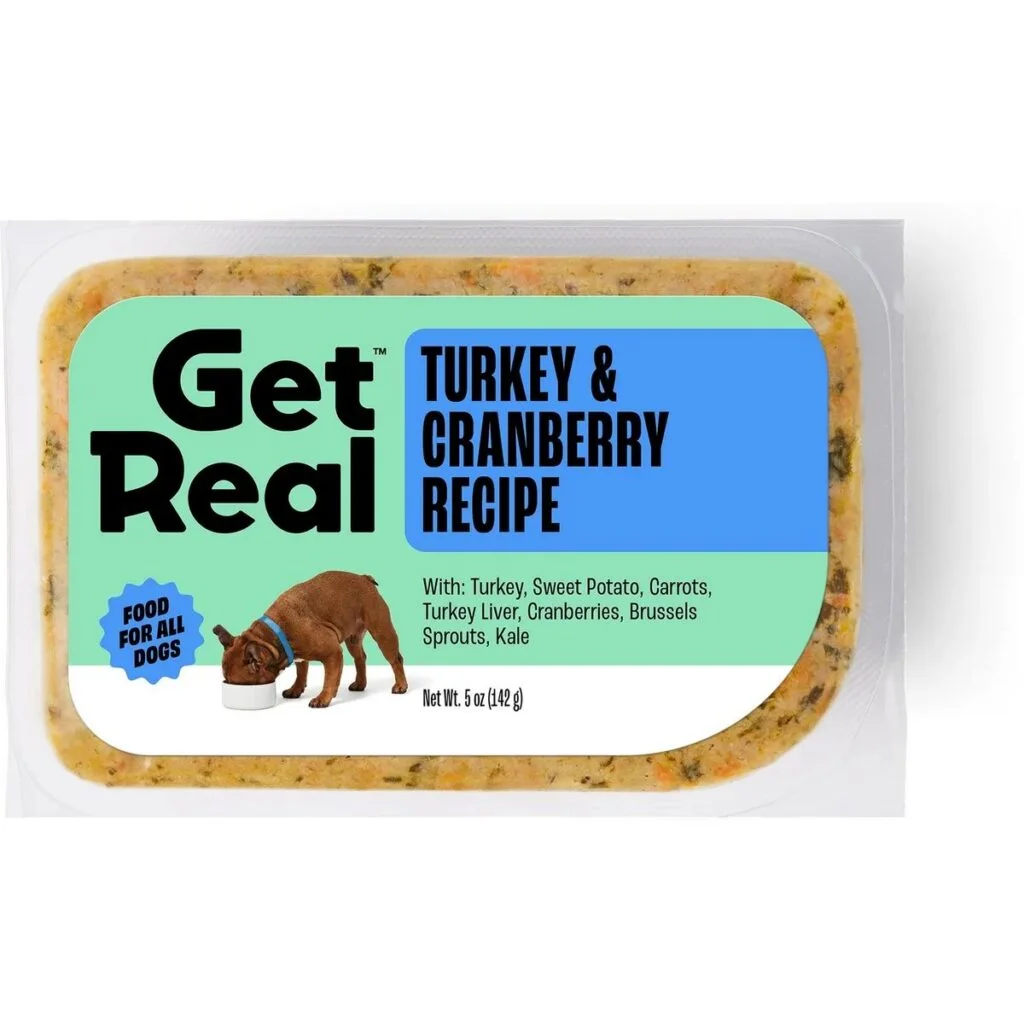
Get Real Turkey & Cranberry Recipe. Among the three recipes described, turkey and cranberry has the most calories per ounce, which may suit a dog that eats small meals.
Assess the food and the dog
Veterinarians don’t have one food brand that suits every small dog. The World Small Animal Veterinary Association’s nutrition guidelines offer practical questions for comparing companies: Do qualified nutrition experts help formulate the food? Does the label provide an adequacy statement for the right life stage? Are calories clearly listed? Can the company explain ingredient sourcing and quality control?
These questions apply to dry, wet and fresh diets alike. Get Real says its recipes are formulated with certified pet nutritionists, provides calorie information for each pack size and carries an all-life-stages AAFCO statement. Its short ingredient lists can make it easier to see what a dog is eating, though a short list alone doesn’t prove a food is right for an individual animal.
Look at your dog’s condition alongside the label. A lean body, visible waist, shiny coat, firm stools and steady energy can help indicate that a diet is working. Weight gain or loss, persistent digestive trouble or skin problems are reasons to review the diet with a veterinarian. Life stage matters, too: puppies, adults and seniors have different needs. Foods labeled for all life stages meet the higher nutrient requirements for growth; a veterinarian can help choose an appropriate diet for an individual puppy or senior dog.
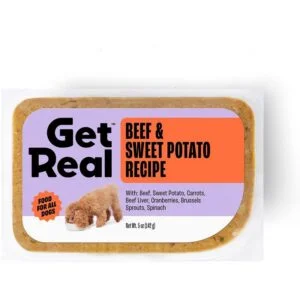
Get Real Beef & Sweet Potato Recipe. Its listed ingredients begin with beef, sweet potato, carrots and beef liver. The soft texture may appeal to small dogs that are reluctant to finish a meal.
Use calorie estimates to compare fresh food costs
Fresh food can seem costly, especially when considering a large dog’s daily intake. A small dog eats fewer calories, so a pack may last longer. The following estimates use the approximate calorie needs above and the published calories for Get Real. They illustrate the math; they aren’t a feeding plan. Actual portions depend on a dog’s weight, breed, age and activity, and the feeding plan should be adjusted for the individual dog.
- A 10-pound adult dog eating about 350 calories daily would use the 856 calories in a 24-ounce Chicken & Brussels Sprouts pack over roughly two and a half days.
- A 5-pound toy dog estimated at 200 calories daily would get around four days’ worth of calories from that pack.
- A 70-pound dog at about 1,500 calories daily would use nearly two 24-ounce packs each day.
The difference in daily calories explains why fresh food may be more manageable for a small dog than its price per pack first suggests. A 10-pound dog’s estimated intake is less than a quarter of a 70-pound dog’s, so the smaller dog uses a pack much more slowly. Some owners may find full fresh meals practical for a small dog, while using fresh food as a topper is another way to stretch it.
For a topper that supplies roughly a quarter of a 10-pound dog’s estimated daily calories, the amount is about 90 calories a day. A 5-ounce Chicken & Brussels Sprouts mixer pack contains 179 calories, or about two days of that amount. Thawed food should be used within three to five days, so smaller packs may fit a small dog’s needs more conveniently.
Follow the package’s storage directions. The product details provided say to keep packs frozen, thaw 5-ounce and 12-ounce packs in the refrigerator for 12 to 24 hours, and allow 35 to 48 hours for 24-ounce packs. Discard food left at room temperature for more than two hours. Get Real is sold through Chewy in select markets; its subscription can be changed, paused or canceled as a dog’s needs change.
Make meals predictable for a picky dog
Smell and texture can affect a dog’s interest in food. Let refrigerated food warm toward room temperature for a few minutes before serving, and discard anything left out for more than two hours. Some dogs respond to a soft, aromatic topper stirred through their regular meal.
It’s also easy to mistake a routine problem for a food problem. Treats and frequent food changes can make a dog less interested in scheduled meals. Try offering meals at consistent times and keep treats to a small share of daily calories. A shallow bowl may also be easier for a short-muzzled dog to reach.
- Offer scheduled meals and pick up the bowl after 15 to 20 minutes.
- Limit treats and include them in the daily calorie total.
- Stir a small amount of fresh food into the usual diet.
- Change one part of the routine at a time and allow a few days to assess the result.
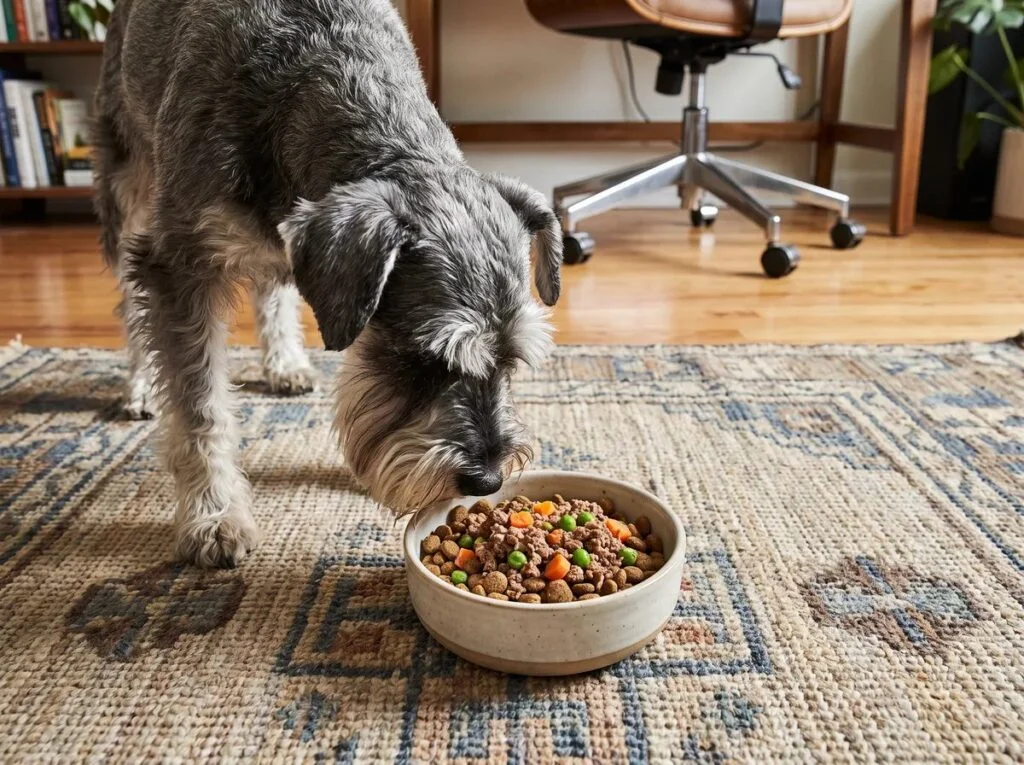
A dog that has always been selective but maintains a healthy weight may benefit from a steadier routine. A dog that usually eats well and suddenly loses interest, eats less over several days or seems unwell needs veterinary attention. Dental pain, stress, stomach upset and other health problems can affect appetite, so a new food won’t necessarily solve the problem.
If you try a topper, use a small portion and subtract its calories from the regular food. Some dogs prefer one protein to another; trying chicken, beef and turkey in measured amounts can help identify a preference without repeatedly changing the whole diet.
Handle sensitivities with veterinary guidance
Itchy skin can have environmental causes, including pollen and dust mites, and some dogs may have food allergies as well. An elimination diet trial is the reliable way to assess a suspected food allergy. It generally lasts about eight weeks and uses a hydrolyzed or novel-protein diet selected with a veterinarian, followed by a food challenge. During the trial, other foods, treats and toppers can interfere with the results, so follow the veterinarian’s instructions closely.
Outside a formal trial, a short ingredient list may make it easier to track what a dog eats and avoid a protein that has caused a problem before. Get Real recipes contain 10 ingredients or fewer, plus vitamins and minerals. The published Beef & Sweet Potato ingredient list doesn’t include chicken, but these recipes aren’t prescription allergy diets and shouldn’t replace a diet prescribed by a veterinarian.
For a sensitive stomach, introduce a new food gradually over 10 to 14 days, starting with a small amount mixed into the old food. Keep portions and mealtimes consistent, add only one new food at a time, and avoid fatty table scraps. Ongoing vomiting, diarrhea, weight loss or blood in the stool calls for veterinary care before another diet change.
Everyday questions about small dog feeding
Which foods tend to appeal to dogs?
Many dogs respond to food with a stronger meat aroma and more moisture, which may make wet or gently cooked food appealing. Preferences vary, so offer small portions and see what your dog eats comfortably.
What can cause a dog to lose interest in food?
Possible causes include stomach upset, dental pain, stress, a recent food change and illness. If a small dog skips more than a meal or two, contact a veterinarian; call sooner for a puppy or toy breed, or if the dog seems unwell.
Why might a dog refuse meals but accept treats?
The dog may be full from treats or may have learned to wait for something tastier. Reduce treats and offer scheduled meals for 15 to 20 minutes. If appetite changes come with illness or weight loss, seek veterinary advice.
What can help a dog with a low appetite?
Try serving food at room temperature, keeping meals in a calm place and maintaining a consistent schedule. A small amount of fresh food mixed into the regular diet may help. A short walk before meals suits some dogs, but persistent low appetite should be assessed by a veterinarian.
What should a small-breed puppy eat?
Choose food with an AAFCO statement for growth or all life stages, since puppies have higher nutrient needs than adults. Several small meals a day can help prevent long gaps without food. Ask your veterinarian to check the puppy’s growth and weight at routine visits.
The most useful choice is the food your dog can eat comfortably, that meets the needs of its life stage, and that supports a healthy body condition. Measure portions, keep meals consistent and contact your veterinarian when appetite, weight, chewing or digestion changes.


