Sample No. 0228
Choosing Dog Food Delivery: Fresh, Frozen, Pantry and Same-Day Options
Compare storage, portioning and delivery schedules to find a dog food routine that fits your household and your dog’s needs.
Dog food delivery works best when its format fits the way your household stores and serves meals. Fresh cooked subscriptions, frozen fresh food, pantry staples on autoship and same-day local orders all bring food to your door, but they ask different things of your freezer, schedule and daily routine.
There isn’t one delivery model that suits every dog. A household with freezer room and predictable meal routines may welcome pre-portioned frozen food, while someone with little cold storage may prefer kibble shipped on a recurring schedule. Start by choosing a format that works at home, then compare the food’s nutritional adequacy, portioning, delivery controls and storage instructions.
This guide compares the four models and uses Get Real, Chewy’s gently cooked frozen dog food, as an example of frozen fresh delivery. The source article is sponsored by Get Real; Vetstreet may earn a commission on purchases made through its links.
Four ways dog food can arrive
The main differences are what is shipped, where it must be stored and how much planning happens before a meal. Fresh cooked subscriptions send meals on a recurring schedule. Frozen fresh services ship cooked food frozen, usually in insulated packaging. Autoship delivers shelf-stable kibble or cans at intervals you choose. Same-day services bring products stocked by nearby shops, with selection depending on your location and the time of your order.
These categories can overlap in one household. Kibble might be the base diet, with a little fresh food added to the bowl. The right setup depends on your dog’s food and feeding plan, as well as available cupboard, refrigerator and freezer space. If you’re still considering what type of diet suits your dog, read Vetstreet’s canine nutrition primer on choosing the right food for your dog.
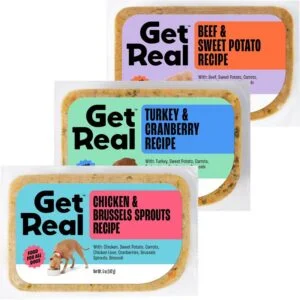
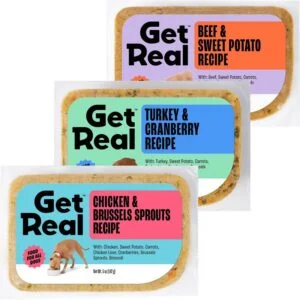
Get Real Sampler Pack, Beef, Chicken & Turkey Gently Cooked Fresh Dog Food, 6 pack bundle (2 of each recipe). The sampler contains two packs each of the beef, chicken and turkey recipes, so owners can see which one their dog prefers.
| Delivery model | Food type | Storage and portioning | Flexibility | Typical delivery speed |
|---|---|---|---|---|
| Fresh-cooked subscription | Cooked fresh meals | Refrigerate packs in use and freeze the rest; portions are planned for the dog | Plan, timing or recipes may be adjustable | Scheduled recurring shipments |
| Frozen fresh | Gently cooked, then frozen | Store in the freezer and thaw in the fridge; packs are pre-portioned | May allow changes, pauses, skipped orders or cancellation | Ships in an insulated box with dry ice |
| Shelf-stable autoship | Kibble and canned food | Store unopened food in the pantry; measure portions yourself | Adjust frequency or skip an order | Recurring shipments on your chosen schedule |
| Same-day local delivery | Products stocked nearby | Depends on the product | Order as needed without a recurring plan | Often within hours where available |
Cold storage and portioning are the clearest tradeoffs. Cooked food generally arrives in ready-to-serve packs but needs fridge or freezer room. Kibble can stay in the pantry before opening, but the owner measures each meal. With pre-portioned plans, shipment timing needs to keep pace with how quickly the dog eats.
The food’s nutritional adequacy matters more than its delivery format. Each model can carry a complete and balanced food. Check the label and confirm it suits your dog’s life stage rather than assuming that fresh, frozen or shelf-stable describes nutritional quality.
Fresh cooked meals on a subscription
Fresh cooked subscription services usually begin with an online questionnaire about a dog’s age, weight, breed and activity. The company uses those details to suggest portions and a meal plan, then sends cooked food in individual packs on a repeating schedule. The Farmer’s Dog, Ollie and Nom Nom are well-known examples that sell directly to owners.
The common appeal is routine: meal portions are planned in advance, and the next shipment is scheduled without a new order each time. Owners who want cooked food but don’t want to plan each meal from scratch may find that convenient. Many services also let customers adjust recipes, delivery timing or plan details through an account.
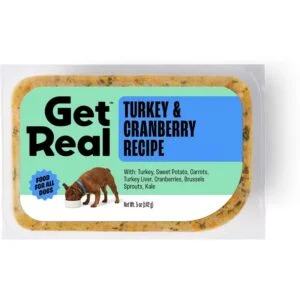
Get Real Turkey & Cranberry Recipe. This frozen gently cooked poultry recipe is an example of a fresh-style food ordered through Chewy.
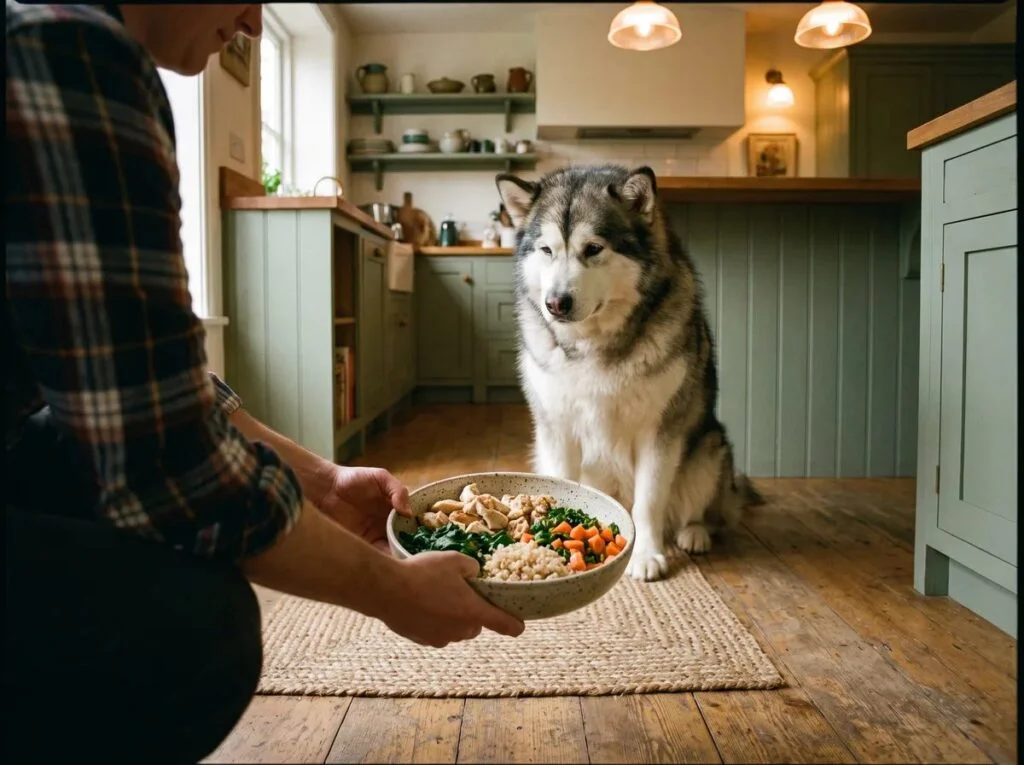
The practical cost of that routine is cold storage and close attention to use-by guidance. Packs in use need refrigerator space, while additional meals may need to be frozen. Fresh food can have a limited usable period once opened, so the plan and delivery rhythm should match the amount the dog eats. If the dog eats less than expected, an easy-to-change schedule helps prevent a surplus.
Freshpet is another name owners may recognize from refrigerated grocery cases. It also describes Freshpet Delivery as customized meal plans sent to the home. The company says its recipes are steam-cooked and kept fresh through refrigeration rather than artificial preservatives. Delivery areas, recipes and plans differ by company and may change, so check current details with the provider. For any full meal, look for a complete and balanced statement on the food label.
Frozen fresh food and the Get Real example
Frozen fresh delivery follows a similar cooking-and-shipping model, but the food remains frozen until the owner is ready to thaw a pack. The freezer becomes the main storage point. That takes planning on delivery day, yet it gives owners control over when they move each portion to the refrigerator.
Get Real, launched by Chewy in September 2025, is gently cooked and then frozen. Its recipes use human-grade ingredients and contain 10 ingredients or fewer, plus vitamins and minerals. The three recipes are Chicken & Brussels Sprouts, Beef & Sweet Potato, and Turkey & Cranberry. The company says each meets AAFCO nutrient profiles for all life stages, including growth of large-size dogs expected to weigh 70 pounds or more as adults. The food can be served as a full meal, a topper or a kibble mixer.
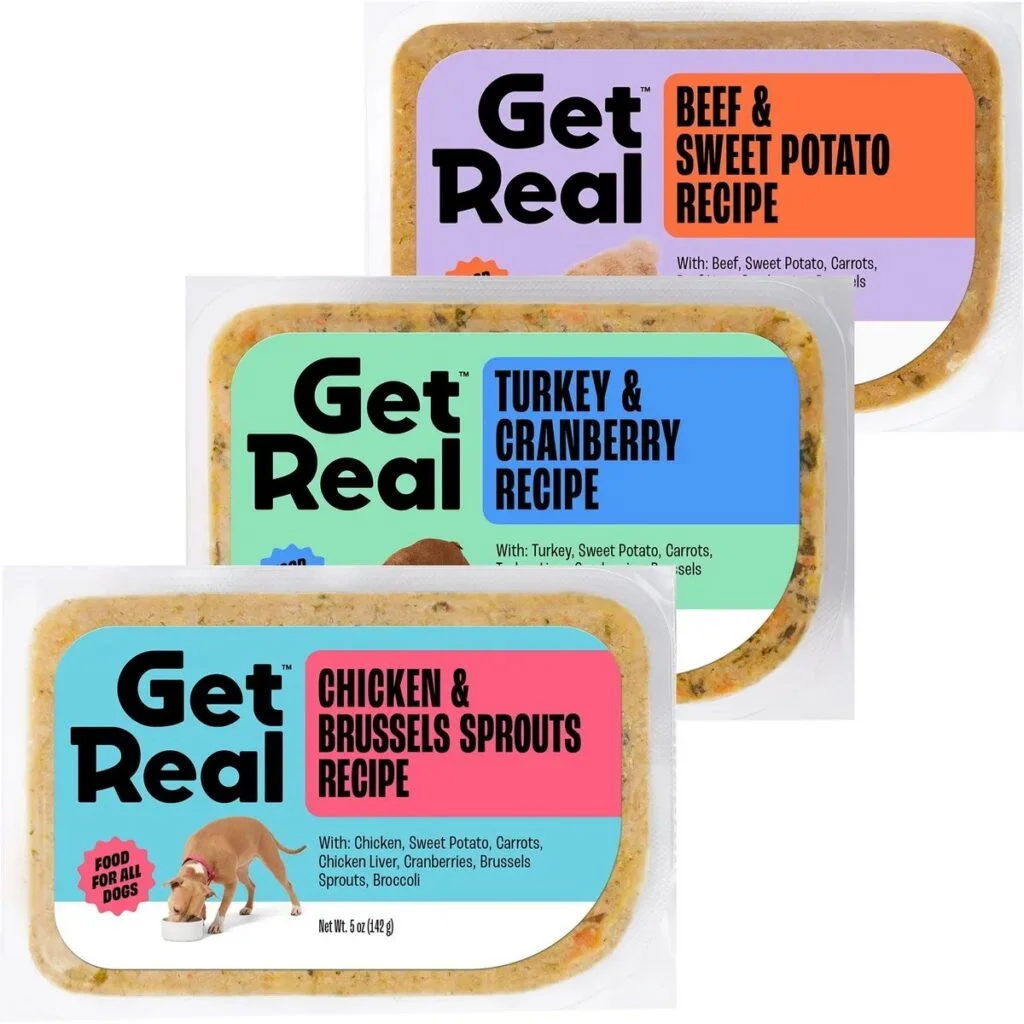
Get Real is sold in pre-portioned 5-ounce, 12-ounce and 24-ounce packs. The 5-ounce size is intended as a mixer or topper. Orders ship in an insulated box with dry ice. Chewy says the box stays cold for up to eight hours after delivery, depending on the weather. Move packs to the freezer promptly. To serve, thaw them in the refrigerator for 12 to 24 hours; the 24-ounce pack may need 35 to 48 hours. Use thawed food within three to five days.
Get Real is available through Chewy in select markets. Ordering food and other pet supplies through one account may suit owners who already shop there and want fewer separate orders to manage. The sampler pack offers two packs of each recipe, letting owners introduce the options before choosing a regular plan.
Customers choose recipes and delivery frequency, and can change, pause, skip or cancel through their account. Chewy’s full-meal plan uses a dog’s weight, breed, age and activity level to determine portions. Its second shipment is scheduled an extra week later to allow for a gradual transition. For guidance on whether to order a topper or a full meal, see Vetstreet’s topper vs full meal guide.
For owners considering the chicken recipe, Chewy’s published guaranteed analysis lists a minimum of 10 percent protein and 8.5 percent fat. Those figures are specific to that recipe. The Get Real Chicken & Brussels Sprouts Recipe is described as complete and balanced for all life stages.
Get Real Chicken & Brussels Sprouts Recipe. This gently cooked recipe ships frozen and can be ordered with other Chewy supplies.
Refrigerated and frozen fresh food have different storage routines. Vetstreet’s guide to refrigerated vs frozen fresh dog food explains the differences in keeping, thawing and serving each type.
Kibble and canned food on autoship
Online pet retailers, grocery chains and some food makers sell kibble and canned food for recurring delivery. Autoship is a common option for households that want a familiar product to arrive at predictable intervals. Unopened shelf-stable food can go straight to a cool, dry pantry, which makes this the least demanding model for cold storage.
Owners can often select from a wide range of brands, package sizes and delivery intervals. Set the schedule to match how quickly the household uses a bag or case, then adjust it when that changes. Chewy Autoship, for example, lets customers set a schedule, change it, skip a shipment or cancel.
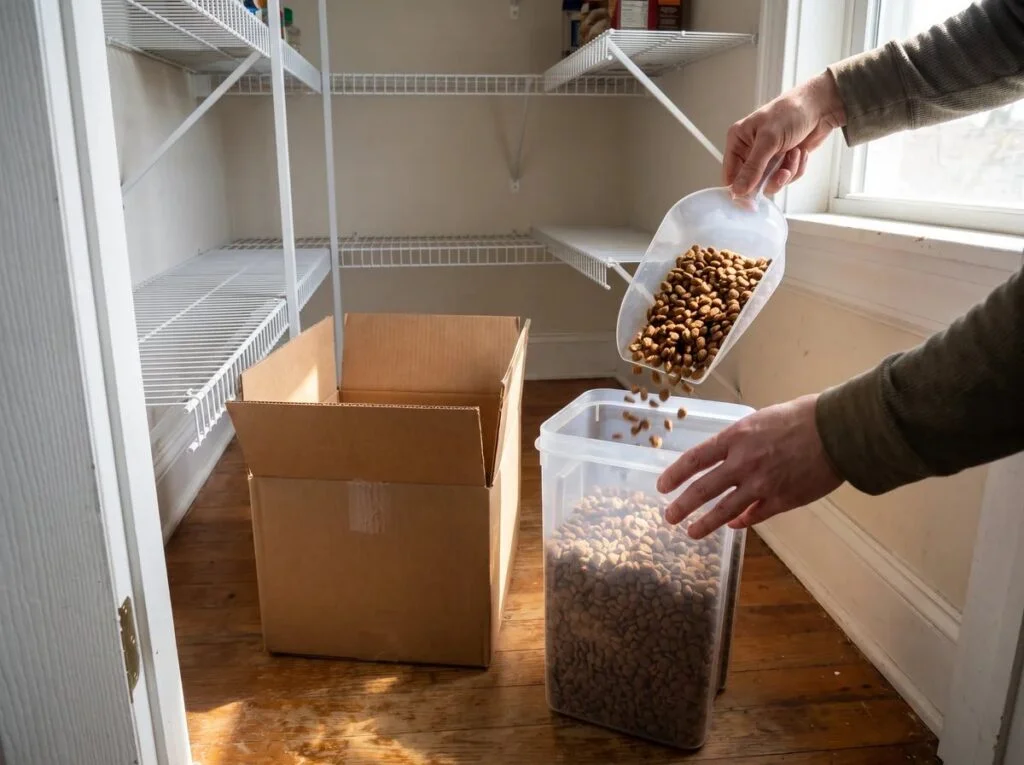
The owner handles portioning. Follow the feeding guide on the label and consider the dog’s body condition when deciding how much to serve. A kitchen scale or marked measuring cup can make daily portions more consistent. Store kibble in its original bag, ideally inside a sealed container in a cool, dry place. Cover opened cans and refrigerate them.
Some owners combine a shelf-stable base diet with a small amount of fresh food. Get Real’s 5-ounce pack is intended for mixing into or serving on top of another food. The Get Real Beef & Sweet Potato Recipe is one option for that use. Its ingredient list begins with beef, sweet potato, carrots and beef liver.
Get Real Beef & Sweet Potato Recipe. This gently cooked recipe is described as a mixer that can be served over kibble.
Same-day delivery and nearby stores
DoorDash and Instacart can deliver pet food in many areas by bringing products from nearby pet shops, grocers or larger retailers. What’s available depends on the store, address and time of day, so check the app before relying on a particular product. Some pet retailers also provide same-day delivery or curbside pickup.
This option is most useful when a planned shipment is delayed or food runs low unexpectedly. It gives owners a way to get a locally stocked item quickly, but selection varies and may not include the exact food a dog eats. A courier trip also isn’t designed to keep frozen food at freezer temperature, so same-day service is less suited to relying on frozen meals.
Keep the exact product name and package size handy when ordering. Check whether the service lets you decline substitutions for pet food, and place an order before the final portion is gone. If same-day orders have become a regular part of the routine, a recurring delivery schedule may make restocking easier to plan.
A practical checklist for comparing providers
Prices can change, but the questions that shape an everyday routine tend to stay the same:
- Food type: Choose among fresh cooked, frozen fresh, shelf-stable or a combination.
- Nutritional adequacy: Check the AAFCO adequacy statement and confirm the food is complete and balanced for your dog’s life stage. AAFCO’s consumer guide explains how to read the statement.
- Ingredients: Read the list so you can identify ingredients your dog doesn’t tolerate.
- Portions: Find out whether meals arrive portioned or you’ll measure them at home.
- Plan controls: Check whether you can change recipes, adjust timing, pause, skip or cancel.
- Storage: Match the shipment size and frequency to your pantry, fridge and freezer capacity.
- Ordering: Consider how many accounts you’ll need to manage for food and supplies.
The FDA explains that food labeled complete and balanced for a life stage is intended to be fed as the sole diet. That makes the adequacy statement a useful check when choosing food for a full meal. Topper products have a different role, so confirm how the maker intends a particular recipe to be served.
For a transition to Get Real, Chewy recommends increasing the amount of new food gradually over seven to 10 days, or 10 to 14 days for dogs with sensitive stomachs. When a dog develops persistent digestive symptoms or other concerning changes during a food transition, contact a veterinarian for guidance.
Why subscription controls matter
Food use can change with a dog’s growth, activity, appetite, travel or time in boarding. A delivery schedule that can’t be adjusted may leave the owner with extra food or too little for the next meal. Before signing up, check how to skip one shipment, change the delivery date, switch recipes and cancel. Some companies make these changes available online; others may require a call or a change to the entire schedule.
Get Real lets customers change, pause, skip or cancel their plan, and Chewy offers phone and chat support at all hours. More generally, flexible controls are useful while a dog tries a new recipe: an owner can observe how the dog eats and adjust the next order. Decide whether the food will be a topper or a full meal before setting quantities and frequency. A topper plan uses less food, and a smaller initial order can be easier to store while you find the right rhythm.
Simple reminders can make recurring food deliveries easier to manage. Check freezer and pantry space before a shipment, revisit the schedule when portions or weight change, and pause a delivery ahead of travel if the food won’t be used. For frozen food, ordering frequency should leave room to store the whole shipment and thaw packs in time.
Packaging, thawing and storage
Fresh and frozen meals often arrive in insulated packaging; frozen shipments may include dry ice. Dry ice is frozen carbon dioxide and is much colder than ordinary ice. Handle it with gloves or a towel, keep it away from children and pets, and let remaining pieces turn to gas in a ventilated area. Don’t touch it with bare skin or seal it in an airtight container.
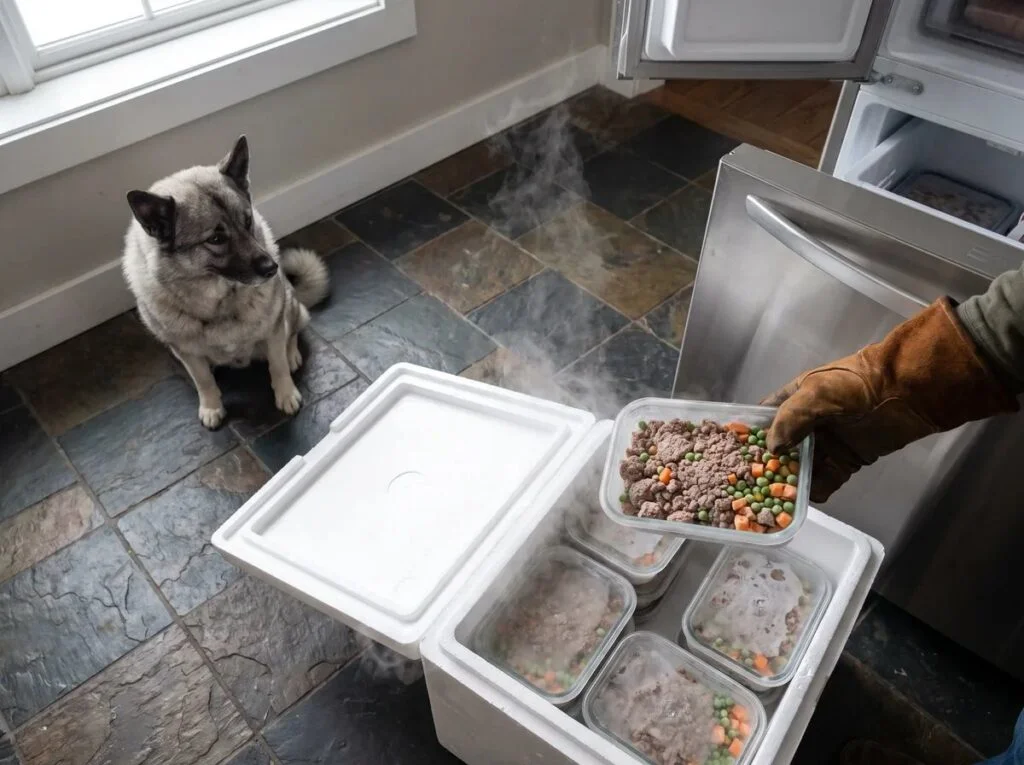
Clear freezer space before delivery, move frozen packs inside promptly, and handle dry ice with gloves in a well-ventilated area away from pets and children.
For Get Real, Chewy says the box stays cold for up to eight hours after delivery, depending on the weather. Bring the delivery inside the same day and unpack it promptly. Put frozen packs in the freezer as soon as possible. The source advises that food still at or below 40°F after thawing may be refrozen or refrigerated; food left at room temperature for more than two hours, or food that smells off, should be discarded.
Clear room for the full delivery before it arrives. A full-meal plan for a large dog may use far more freezer space than a small topper order. A dedicated shelf or bin helps keep packs visible and makes it easier to use older food first. Move a pack to the refrigerator in time for the next meal, keep thawed food visible and use it within the stated three-to-five-day window.
Pantry deliveries call for a different routine. Keep dry food in its original bag, inside a sealed container if possible, and store it in a cool, dry place. Refrigerate opened cans with their contents covered. Storage is part of the choice: consider the space available before selecting a model and shipment size.
For more comparisons, Petful discusses dog food subscription services, and WebVet describes what Get Real dog food costs per day.
Dog food delivery questions
Can dog food be ordered for delivery?
Yes. Fresh and frozen food companies deliver through recurring plans, online pet shops offer autoship for shelf-stable food, and same-day services bring locally stocked products. Choose based on the food your dog eats and the storage space you have.
Does Chewy deliver dog food?
Yes. Chewy delivers kibble, canned food and other pet supplies, and Autoship lets customers schedule repeat orders. Get Real is also delivered through Chewy in select markets in insulated boxes with dry ice.
Can raw dog food be delivered?
Raw food delivery is available, and raw food is typically shipped frozen. Raw diets need different handling and food-safety practices from cooked food. Talk with your veterinarian before changing to a raw diet, and follow the provider’s thawing and hygiene instructions carefully.
What does a dog food subscription include?
It’s a recurring food delivery on a schedule selected by the customer. Useful plan controls include changing the timing or recipes, skipping an order, pausing deliveries and canceling when needed.
Is fresh food delivery a good fit?
It can suit owners who value pre-portioned meals and a planned routine, and who have enough refrigerator or freezer space. Weigh that convenience against cold storage, thawing and the need to keep deliveries aligned with what the dog eats. A food choice should also fit the dog’s nutritional needs and life stage.
The most workable delivery plan is the one that keeps the right food available without making storage or scheduling a daily strain. Check the label, plan the space and choose a schedule you can adjust as your dog’s needs change.
The post Dog Food Delivery Companies Compared: Fresh, Frozen, and Shelf-Stable Options appeared first on Vetstreet.
===DONE===

