Sample No. 0153
Dog Glaucoma: Warning Signs, Causes and Veterinary Care
Glaucoma can cause severe pain and vision loss in dogs. Learn the warning signs and why prompt veterinary assessment matters.
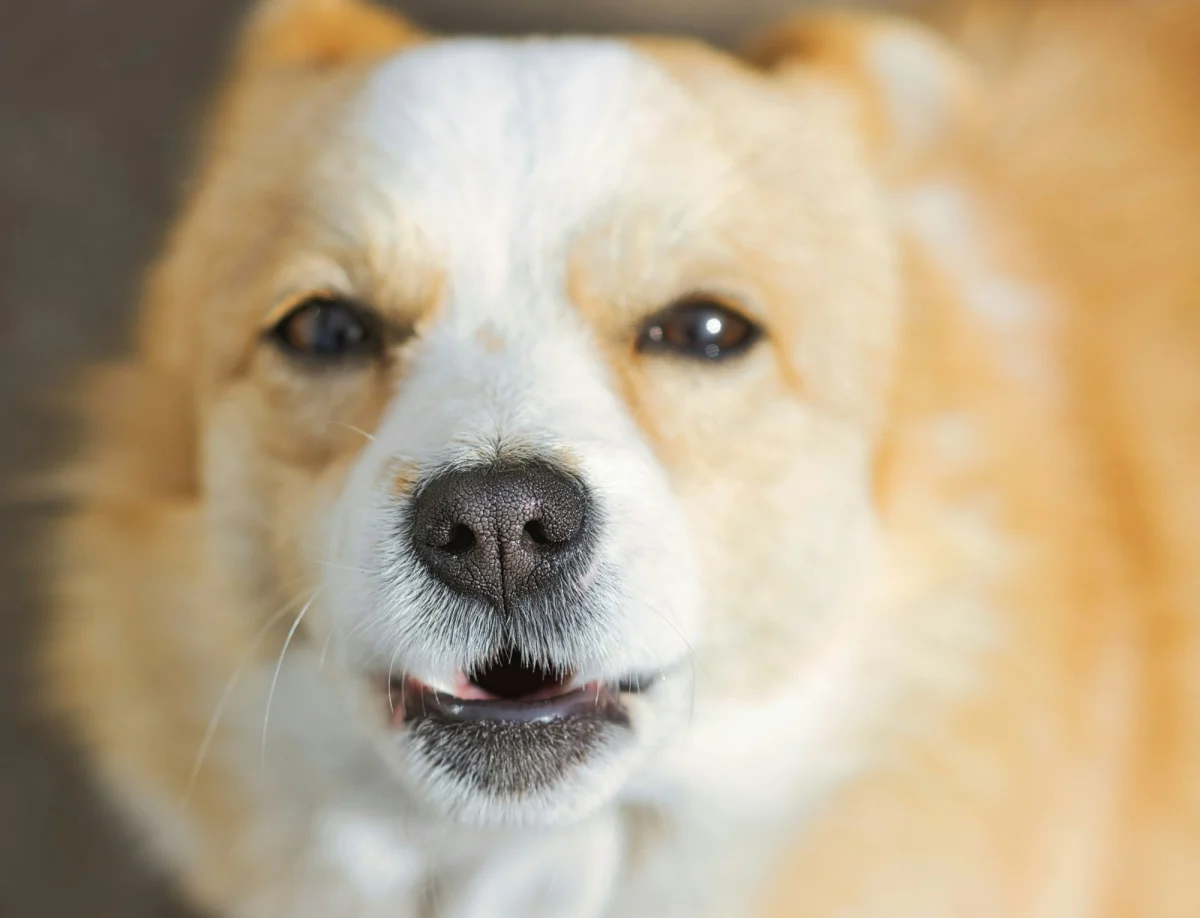

Glaucoma can threaten a dog’s comfort and sight, and early changes may be easy to miss. A dog that starts navigating cautiously, especially in dim light, or bumps into things more often should be assessed by a veterinarian. Redness, cloudiness, squinting, or a swollen-looking eye call for prompt attention. If you’re concerned about a change in your dog’s eyes, contact a veterinarian for guidance rather than waiting to see whether it passes.
What pressure inside the eye can do
The eye continually makes and drains aqueous humor, a clear fluid. Glaucoma develops when fluid doesn’t drain adequately and pressure inside the eye rises. That pressure can interfere with blood supply and damage the optic nerve and other sensitive structures. A veterinarian quoted by dvm360 compares the process to a sink whose drain is clogged: fluid backs up when it cannot flow out normally.
Glaucoma is a group of conditions rather than a single cause of eye pressure. The distinction between primary and secondary glaucoma helps explain why a dog may be at risk, but a veterinarian must assess the individual eye to identify what is happening.
Inherited risk and other possible causes
Primary glaucoma is associated with inherited differences in eye anatomy that can interfere with drainage. The source identifies Cocker Spaniels, Bullmastiffs, Chow Chows, and Beagles among breeds that may be affected, and notes that some studies report a high occurrence in Cocker Spaniels. Research on breed risk can help owners know what to watch for; it can’t predict with certainty whether a particular dog will develop the condition.
Secondary glaucoma follows another problem that changes fluid flow, injures eye structures, or causes inflammation. Potential causes described in veterinary research include lens luxation, in which the lens shifts out of position; eye trauma; uveitis, or inflammation inside the eye; and diseases that damage blood vessels. Cataracts and cataract surgery are also mentioned as possible risk factors in some cases. The source further notes that steroid medications can be associated with raised eye pressure. Owners should discuss medication concerns with the prescribing veterinarian and shouldn’t stop or change a treatment without veterinary direction.
Because several different problems can affect the eye, a cloudy appearance or redness alone can’t establish that a dog has glaucoma. An examination is needed to distinguish among possible causes and determine how urgently care is needed.
Subtle changes can precede obvious distress
Early signs may look like small shifts in how a dog gets around. A dog might bump into walls occasionally, hesitate in low light, or approach stairs more cautiously. These behaviors have many possible explanations, but a new or recurring change in vision or navigation deserves veterinary attention.
More apparent signs can include eye redness, tearing, swelling, cloudiness, repeated squinting, or keeping the eye shut. The original source links to information about red eyes, tearing, swelling, squinting, and cloudy eyes. A dog may also struggle with stairs or show signs of discomfort such as whining, low energy, or reduced interest in food. These signs are not specific to glaucoma, but when they accompany an eye change, they strengthen the case for prompt professional assessment.
Glaucoma can be painful, and vision may already be affected by the time signs become easy to spot. Treating sudden or worsening eye symptoms as urgent gives the veterinarian an opportunity to assess the eye and discuss options without avoidable delay.
Glaucoma and cataracts are different conditions
Both conditions can change how an eye looks, but they affect different structures. Glaucoma involves elevated pressure inside the eye and may damage the optic nerve. A cataract is clouding of the lens. The source describes glaucoma as often painful, while cataracts may develop without pain; appearance alone, however, can’t reliably tell an owner which condition is present.
A bulging or red eye can occur with glaucoma, while cataracts may look like a milky film over the lens. These descriptions are reasons to seek an examination, not a way to diagnose a dog at home. Any new cloudiness or visible change should be discussed with a veterinarian.
Treatment focuses on comfort and preserving sight
Veterinary care aims to reduce pain and eye pressure and, where possible, limit further damage. The source describes eye drops and oral medicines as options a veterinarian may use to address pressure, fluid buildup, or inflammation. The appropriate plan depends on the cause and severity, so owners should follow the veterinarian’s instructions and arrange recommended follow-up visits.
Some advanced cases may call for procedures such as laser surgery or a drainage implant. When an eye has reached an end stage and remains painful, removal of the eye or placement of an internal prosthesis may be considered to improve comfort. Those decisions belong in a discussion between the veterinary team and the owner, with the dog’s pain and quality of life at the center.
Vision loss remains a serious concern. The source cites a report that many affected dogs may lose sight, and notes that eyesight can worsen even after surgery. A social media account is not a substitute for veterinary evidence, so owners should ask their veterinarian what the findings mean for their dog’s specific condition and outlook.
Ongoing observation and practical next steps
After treatment, follow-up examinations help the veterinary team monitor eye pressure, comfort, and any changes in vision. At home, owners can note when symptoms occur and whether they’re changing. A short record of squinting, eye rubbing, navigation difficulties, or appetite and energy changes can help make follow-up conversations more specific. A camera or phone can capture an episode that doesn’t happen during the appointment; the source mentions the Petcube App as one way to record behavior during recovery.
There’s no reliable way to prevent inherited glaucoma, and secondary cases depend on the underlying cause. Owners can still act on what they can observe: seek care when eye changes appear, keep scheduled rechecks, and contact the veterinary team if symptoms worsen. For a dog with a painful or changing eye, timely assessment is the most useful next step.


