Sample No. 0129
Toxic Foods for Cats: What to Keep Away and What to Do After an Exposure
Onions, chocolate, grapes, alcohol and other foods can seriously harm cats. Learn what to avoid, warning signs and the steps to take after an exposure.
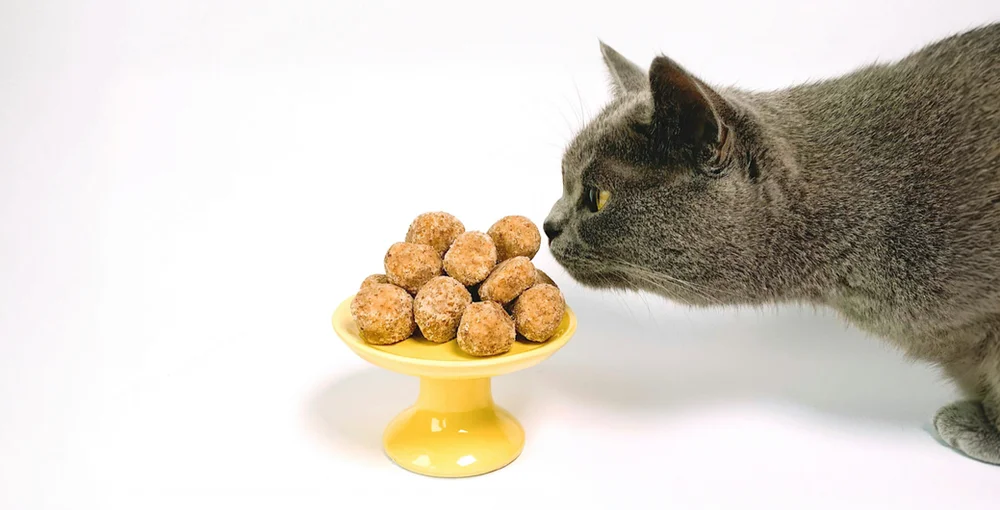
Cats process food differently from people, so a bite that seems harmless to a person can be dangerous for a cat. Their obligate-carnivore biology and differences in liver metabolism mean some food compounds can build up to toxic levels. Knowing which foods pose the greatest risk—and acting promptly if a cat gets into one—can help protect their health.

A cat’s main diet should be complete and balanced cat food. Cornell feline health experts’ feeding guidance allows for an occasional small piece of cooked meat as a treat. Rice and bread aren’t necessary, and treats should stay below about 10% of a cat’s daily calories. For routine feeding, follow a complete and balanced diet, as described by the AAFCO.
Foods that can cause serious harm
Keep these foods out of your cat’s reach. Some can cause serious effects even in small amounts; don’t wait for symptoms before asking for veterinary advice.
- Onions, garlic, chives and leeks: These alliums can damage red blood cells and cause anemia. They’re risky fresh, cooked or powdered, including when hidden in gravy, sauces or baby food.
- Chocolate and caffeine: Both contain methylxanthines, stimulants cats can’t readily metabolize. Exposure can lead to vomiting, tremors and seizures. Darker chocolate poses greater danger, but milk chocolate isn’t safe to share either.
- Grapes and raisins: Even a small amount may cause acute kidney failure. Raisins can be tucked into baked goods, so check ingredients and treat any known ingestion as urgent.
- Alcohol and raw yeast dough: Alcohol depresses the nervous system. Raw dough adds another hazard: as it ferments, it produces alcohol and expands in the stomach.
- Xylitol: This sweetener can be found in some gums, mints and peanut butters. Poisoning is more commonly reported in dogs, but cats shouldn’t be given products containing xylitol. Check labels, including for peanut butter.
Other foods are unsafe for different reasons. Raw meat, eggs and fish can carry bacteria such as E. coli and Salmonella. Raw egg whites interfere with biotin absorption, while regularly eating raw fish can deplete vitamin B1. Milk and other dairy products often cause vomiting or diarrhea in adult cats, which are commonly lactose intolerant; see more about cats and cheese.
Cooked bones can splinter and injure the digestive tract. Fatty trimmings may contribute to pancreatitis. Salty foods—including chips, cured meats and seasoned leftovers—can cause excessive thirst, vomiting and, in serious cases, sodium poisoning. These foods may not all act as poisons, but they’re poor choices for a cat’s treat.

Download and print the food-safety reference to keep it close at hand.
Watch for changes, but don’t wait for them
Signs of poisoning may appear within minutes or take days. Possible warning signs include vomiting or diarrhea, weakness, unusual tiredness, pale gums, drooling, pawing at the mouth, a racing heart, rapid breathing, tremors, stumbling or seizures. The absence of symptoms doesn’t mean an exposure is safe: some toxins can cause harm before a cat looks unwell.
For a quick guide, the Merck Veterinary Manual’s food hazards guide describes alliums, chocolate and caffeine, grapes and raisins, and alcohol or raw dough as severe hazards. It rates xylitol as serious and raw animal products as moderate. Dairy, bones and fatty scraps are listed as mild to moderate hazards, with concerns ranging from digestive upset to injury or pancreatitis. These categories aren’t a reason to delay a call; the specific food, amount and cat all matter.
What to do if your cat eats a risky food
- Move your cat away from the food and remove what remains so there can be no further eating.
- Note the details: identify the food or product, estimate how much was eaten and record when it happened. Keep packaging or an ingredient label if available.
- Call for professional guidance promptly. Contact your veterinarian, ASPCA Animal Poison Control at 888-426-4435, or the Pet Poison Helpline at 855-764-7661. Both poison helplines are available 24/7 and charge a small fee.
- Don’t try home treatment or induce vomiting unless a veterinary professional directs you to. Bringing a substance back up can create additional danger, depending on what the cat swallowed.
- Follow the instructions you receive and go to an emergency clinic if advised.
Have the key details ready when you call. A professional can use them to advise on the next step, including whether the cat needs immediate clinic care. For more reference material, bookmark the ASPCA’s foods-to-avoid list and the Pet Poison Helpline’s list of common pet poisons.

Make accidental access less likely
- Store risky foods in closed cabinets. Cats can jump onto counters and other high surfaces.
- Read ingredient labels for onion and garlic powder in sauces, broths and baby food, and for xylitol in gum or some peanut butters.
- Ask guests not to feed table scraps, and use a covered trash can.
These habits can reduce opportunities for a curious cat to sample something unsafe. It’s also sensible to check whether plants in the home pose a risk: common houseplants can be poisonous to cats. Food is only one possible source of accidental exposure.
Common questions about cats and food
Which foods are among the most dangerous?
Onions and garlic, chocolate and caffeine, grapes and raisins, alcohol and xylitol-containing products can cause serious harm. Treat a known exposure as urgent and contact a veterinarian or poison helpline rather than trying to judge the risk at home.
Can cats eat scrambled eggs?
Plain eggs that are fully cooked can be offered occasionally, without butter, milk, onion or seasoning. Raw eggs are different: they can carry Salmonella, and raw whites interfere with biotin absorption. More guidance is available on serving eggs to cats.
What if my cat seems fine after eating something risky?
Call anyway. Signs may be delayed, and early professional advice is safer than waiting to see whether your cat becomes unwell. Keep the food details and timing close at hand, and follow the guidance you receive.
Keeping a short list of hazards and emergency contacts within reach makes it easier to act calmly. If you suspect your cat has eaten a toxic food, prompt veterinary advice is the next step.


