Sample No. 0128
Foods Dogs Should Avoid and What to Do After a Possible Poisoning
Chocolate, grapes, xylitol and other common foods can seriously harm dogs. Learn what to keep away and how to respond to a suspected ingestion.
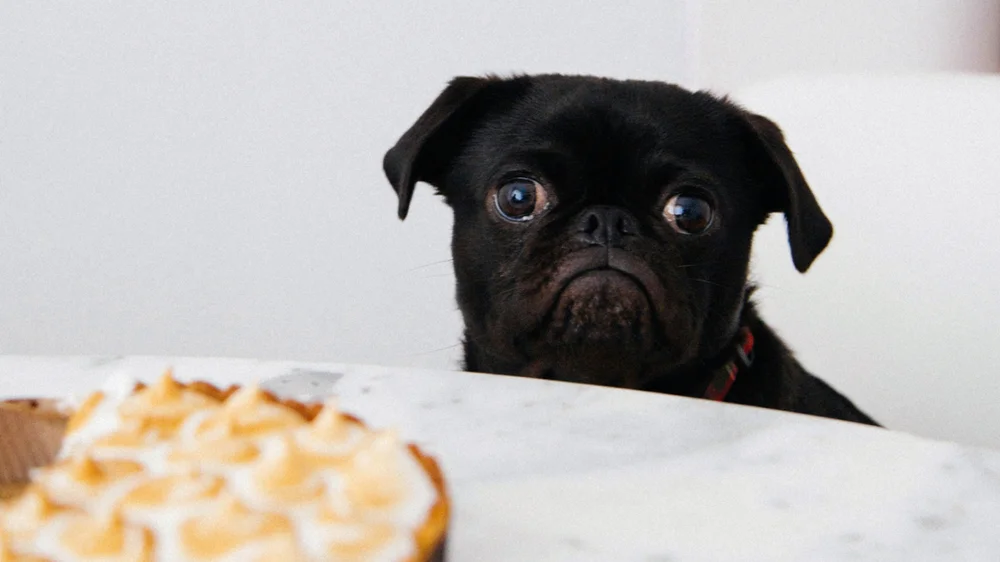
A quick grab from a counter or an unattended snack can expose a dog to foods that are dangerous in surprisingly small amounts. The safest response to a suspected poisoning is prompt professional guidance—not waiting for symptoms or trying a home remedy. Keep your veterinarian’s number and these 24-hour poison resources handy: ASPCA Animal Poison Control at 888-426-4435 and the Pet Poison Helpline at 855-764-7661. A fee may apply.

Chocolate, grapes and raisins, onions and garlic, xylitol, macadamia nuts, and alcohol are among the most concerning food hazards. The risk depends on the substance, amount eaten, and the dog’s size, so a professional should assess each exposure.
Six foods that deserve particular caution
Chocolate
Chocolate contains theobromine and caffeine, stimulants that can affect a dog’s heart and nervous system. Darker chocolate poses greater danger, but milk chocolate can also make a small dog ill. If your dog eats any chocolate, call your veterinarian or a poison helpline. Be ready to share your dog’s weight, the type of chocolate, and an estimate of how much was eaten. Learn more about why chocolate is toxic to dogs.
Grapes and raisins
Even a few grapes or raisins may cause kidney failure, and the amount that creates risk varies between dogs. Treat any ingestion as urgent rather than trying to judge safety by the number eaten. These foods can be easy for a dog to snatch, particularly in a busy household. See guidance on grapes and raisins.

Onions, garlic and related plants
Onions, garlic, leeks, chives, and shallots can damage red blood cells and lead to anemia. Cooking doesn’t make them safe, and powdered forms count too. Garlic is especially potent, so take care with seasoned dishes and scraps. More details are available on onions and other alliums and garlic.
Xylitol
This sweetener can cause a sharp drop in blood sugar and may also damage the liver. It appears in sugar-free gum and candy, toothpaste, some nut butters, condiments, chewable vitamins, and medications. Labels may list it as xylite, birch sugar, or wood sugar. A single stick of sugar-free gum can poison a small dog.
Check the ingredients whenever you buy a new jar of peanut butter, since recipes can change. Xylitol isn’t intentionally included in major commercially available peanut butter brands, but some smaller or natural products may contain it. For more information, consult Cornell’s review of xylitol toxicity and the warning about xylitol in sugar-free products.

Macadamia nuts
Even a few macadamias may cause weakness, tremors, vomiting, or fever, sometimes within 12 hours. Keep nuts away from your dog and contact a professional if any are eaten. Read more about macadamia nuts and other nuts.
Alcohol
Dogs are more sensitive to alcohol than people. Small amounts can cause vomiting and disorientation, as well as dangerous drops in blood sugar and body temperature. Keep drinks and foods containing alcohol out of reach.
Other foods and hazards to keep away
Some additional items can cause serious problems, even if they’re less often associated with fatal poisoning:
- Avocado: Persin may cause vomiting and diarrhea, while the pit can block the intestinal tract. Read about avocados and dogs.
- Coffee, tea, and energy drinks: These contain stimulants also found in chocolate.
- Cooked bones: They can splinter and potentially pierce the digestive tract.
- Fatty scraps and fried foods: These can contribute to pancreatitis. Rich leftovers and accessible rubbish can make food-heavy gatherings a higher-risk time.
- Salty snacks: Excess salt can cause sodium poisoning. See information on salt and the AVMA’s household hazard guide.
- Moldy food: Mold toxins can cause tremors and seizures, so keep spoiled food away from curious dogs.
- Raw yeast dough: Keep it away from dogs, along with alcohol and sugar-free products.
Whether a food is safe can also depend on its ingredients and preparation. For more on mushrooms, ham, cherries, pumpkin pie, ice cream, bread, pickles, tomatoes, walnuts, and peaches, check with your veterinarian or consult a reliable resource before sharing.
Warning signs vary—and may take time to appear
Vomiting and diarrhea can follow many types of food poisoning, but signs differ according to the toxin. Restlessness, a racing heart, panting, or tremors may point to chocolate or caffeine exposure. Staggering, collapse, or seizures within an hour may occur with xylitol or alcohol. Weakness, pale gums, or red-brown urine can appear one to five days after eating onions, garlic, or chives. Reduced or absent urination within 24–48 hours may follow grapes or raisins; macadamias may cause hind-leg weakness, tremors, or fever.
These patterns are not a way to confirm what your dog ate or rule out poisoning. Contact a veterinarian or poison professional as soon as you suspect an exposure, even if your dog appears well.
What to do after a suspected ingestion
- Move your dog away from the food. Note what was eaten, roughly how much, and when.
- Don’t induce vomiting unless a professional instructs you to. Bringing a substance back up can cause further harm in some cases.
- Call promptly. Contact your veterinarian, ASPCA Animal Poison Control at 888-426-4435, or the Pet Poison Helpline at 855-764-7661. Both services are available around the clock; a fee may apply. Find the ASPCA poison resource or the Pet Poison Helpline.
- Keep the packaging or a sample of the food to help identify its ingredients.
- Follow the instructions you receive. Early advice can help professionals decide what care is needed.
Safer sharing, in modest portions
Some plain, unseasoned foods can be offered as occasional treats, provided treats stay below 10% of a dog’s daily calories. Options listed in the source include lean cooked chicken, turkey, or beef; carrots; green beans; cucumber; apple slices without seeds or core; blueberries; seedless watermelon; plain cooked rice; pumpkin; and peanut butter without xylitol. Ask your veterinarian before adding other treats, such as sweet potatoes, broccoli, cauliflower, strawberries, spinach, cranberries, cantaloupe, bananas, or peas.
Keep the highest-risk foods stored securely, read labels for xylitol, and save poison-help numbers in your phone. A quick call is safer than waiting to see whether symptoms develop.


