Sample No. 0105
Sloths, Rainforest Ecology and the Forest Connections They Need
Sloths support a small community of organisms, but habitat loss and broken canopy routes put their lives at risk.
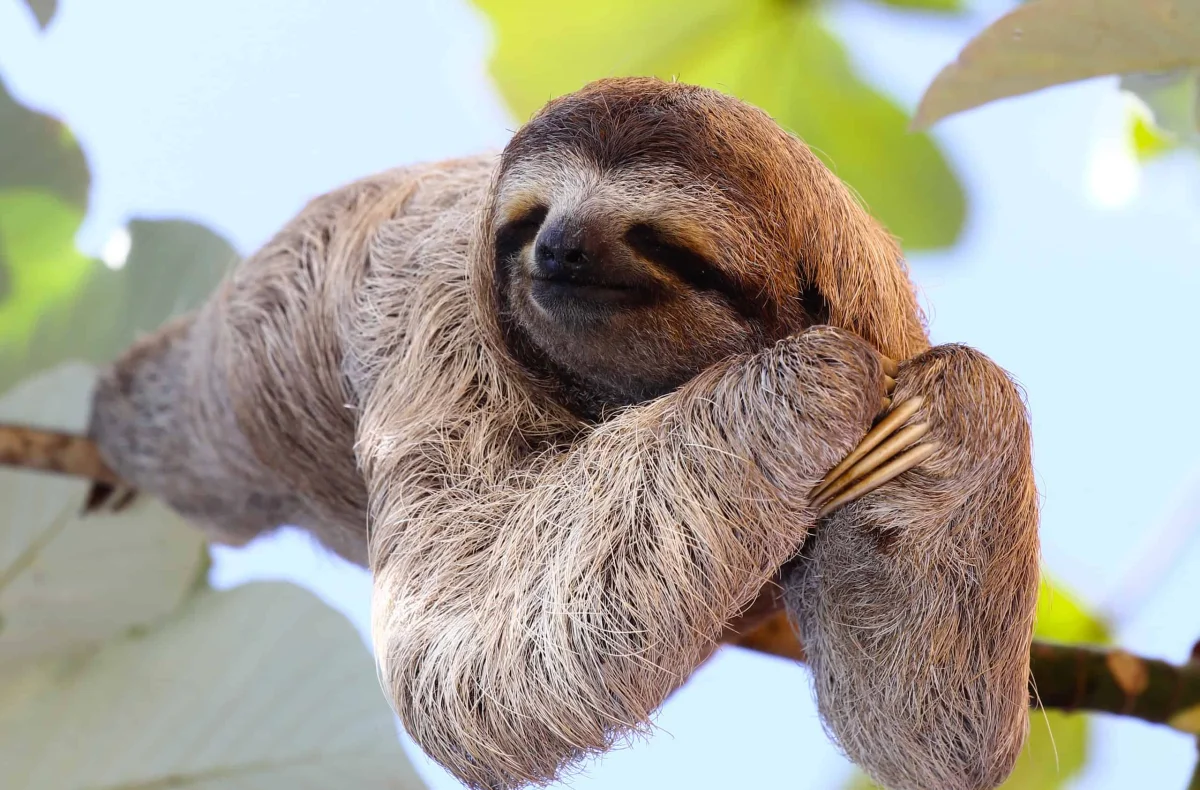
Sloths are more than slow-moving residents of rainforest canopies: their bodies host a small community of organisms, and their survival depends on connected forests. Their specialized way of life helps explain why habitat loss is so disruptive—and why rehabilitation alone can’t replace the conditions they need in the wild.
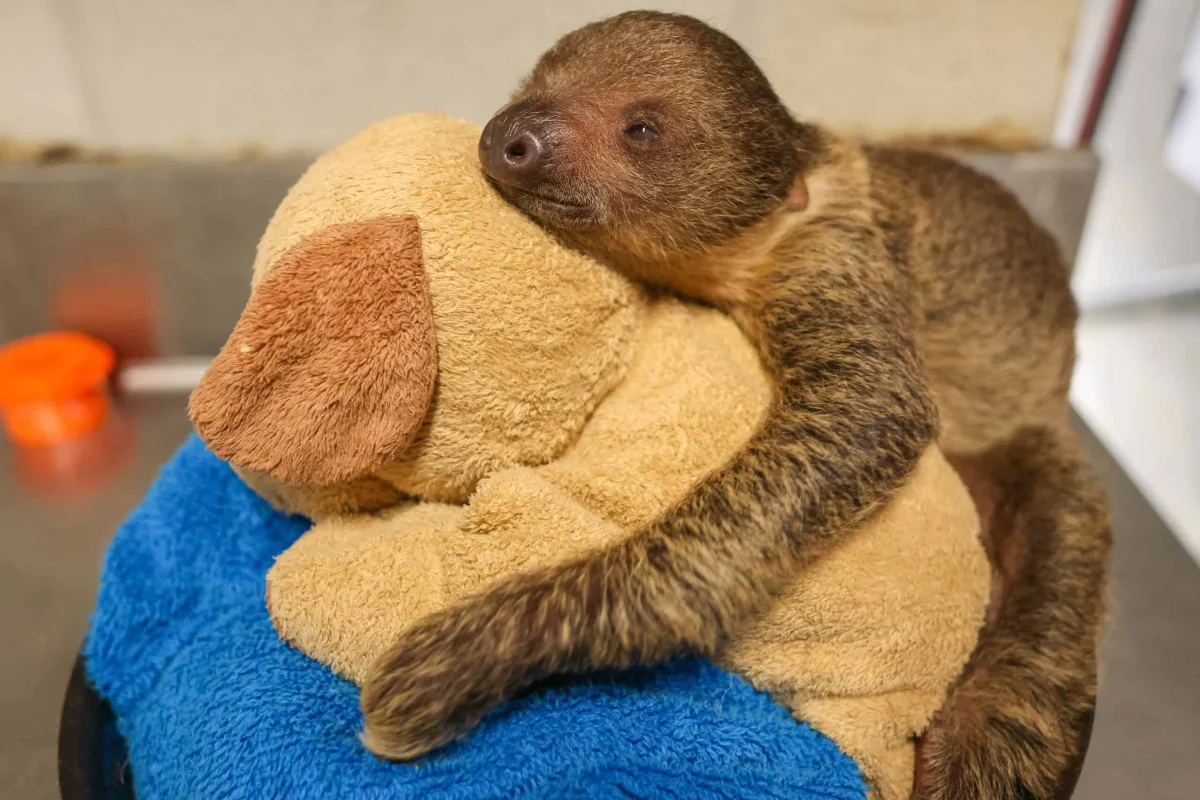
International Sloth Day falls on October 20, 2026. The occasion offers a chance to look beyond sloths’ familiar appearance and consider the ecology behind their unhurried movements, the species’ differences, and the pressures facing wild populations.
A slow pace built around a low-energy diet
Sloths mainly eat leaves and other plant material. Leaves are plentiful in tropical forests, but they’re fibrous and provide relatively little usable energy. A slow metabolism helps sloths meet this dietary challenge: the Smithsonian’s National Zoo reports that a two-toed sloth’s metabolic rate is about 40 to 45 percent of what would be expected for an animal of its body weight.
That energy-saving strategy means a sloth doesn’t need to forage constantly or move quickly through the canopy. Its slow movement isn’t laziness; it’s part of a specialized survival pattern. Camouflage and life among the trees help sloths avoid threats while spending little energy. They may be vulnerable to predators, but their way of life doesn’t require racing across the forest floor.
Calling sloths “climate warriors” overstates what the source establishes. Their significance is better understood through the ecological relationships they support and their dependence on healthy rainforest. They’re not a substitute for protecting forests; their needs make forest protection easier to see.
Two-toed and three-toed sloths differ
The familiar labels refer to the animals’ front limbs, not a simple count of claws on every foot. Three-toed sloths have three clawed toes on all four feet. Two-toed sloths have two prominent claws on their front feet and three toes on their rear feet. The groups also differ in appearance, behavior and diet.
Linnaeus’s two-toed sloth occurs across parts of northern South America and spends most of its life high in tropical forest canopies. The three-toed group includes brown-throated, pale-throated, maned, pygmy three-toed and southern maned sloths. These distinctions matter when considering sloths’ needs: not every species has the same relationship with its habitat or food sources.
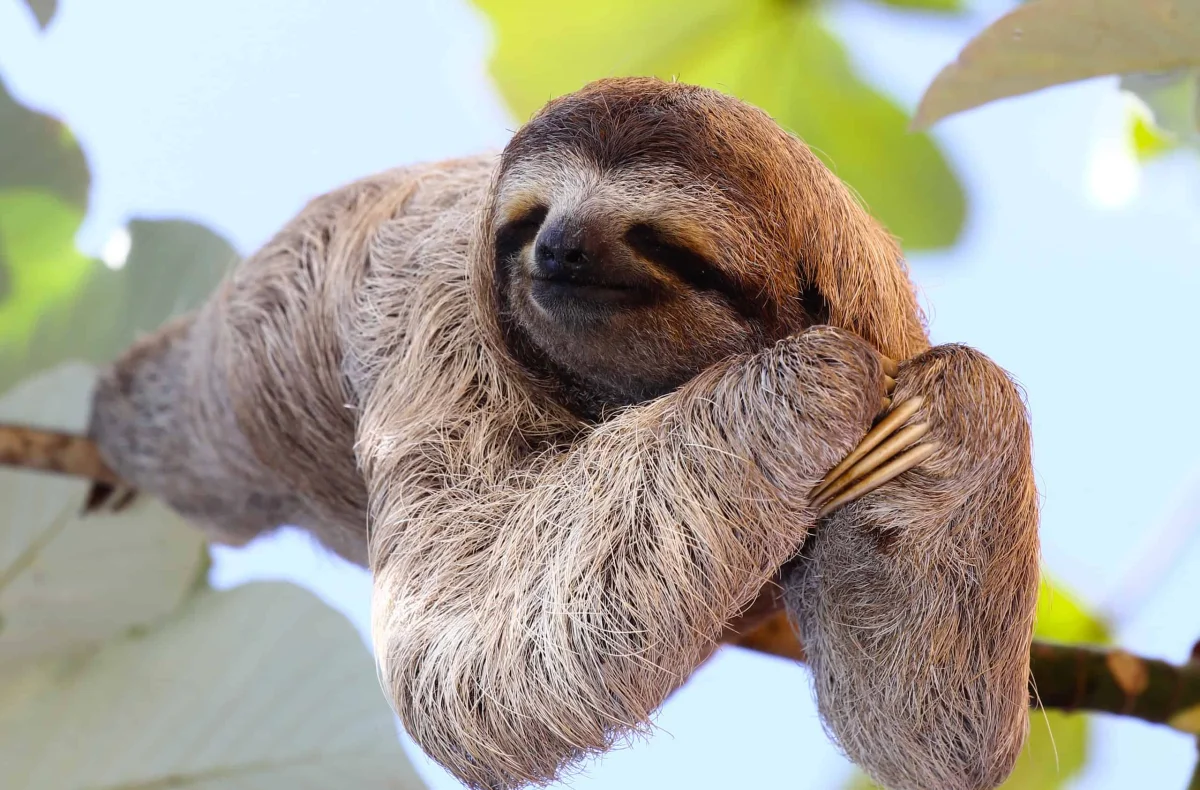
Sloths may look alike at a glance, but the number of clawed digits on their front limbs distinguishes the two-toed and three-toed groups.
©Janossy Gergely/Shutterstock.com
Fur that supports a miniature community
A sloth’s shaggy coat can host algae, moths and other small organisms. Some hairs have grooves that hold moisture, creating conditions in which algae can grow. That growth may tint the fur green, helping the sloth blend with leaves and branches.
The relationship between three-toed sloths, moths and algae is particularly intriguing. Sloths descend from the canopy to defecate on the ground. Researchers believe this behavior helps moths reproduce: moths can use sloth dung during part of their life cycle, then adult moths return to the sloth’s fur.
The returning moths may contribute nutrients that support algae growth. Research has also found that three-toed sloths can eat algae from their fur, potentially gaining extra nutrients. The details of this connection show how an animal can carry a small, interconnected community—not simply serve as a backdrop for other rainforest life.
Forest fragmentation can sever essential routes
Habitat loss is a major threat, but a forest doesn’t have to disappear entirely for sloths to be affected. When roads, buildings, agriculture or other development divide rainforest into isolated patches, the canopy routes sloths use to travel between trees can be broken. A sloth may then have to descend to the ground or cross infrastructure it would otherwise avoid.
Roads and power lines pose hazards, as do dog attacks, wildlife trade and inappropriate tourist interactions. Habitat fragmentation and loss are among the threats identified by the Sloth Conservation Foundation. Drought and changes in vegetation also raise concerns for some sloths, particularly when they depend on certain forest conditions or food plants. Repeated drought linked to climate change could threaten three-toed sloths if trees lose their leaves again and again.
The practical conservation challenge is therefore larger than keeping individual animals alive. Sloths need forests that provide food, shelter and connected canopy routes. Protecting the places that allow them to move naturally is central to their long-term welfare.
Rehabilitation must prepare sloths for life beyond care
Wildlife rehabilitation centers can help orphaned young and adults injured by vehicles, power infrastructure, dogs or other human-related hazards. The Sloth Sanctuary of Costa Rica became a rescue center in 1997. Its work includes rescue, rehabilitation, research, release when possible and education about rainforest conservation.
The Jaguar Rescue Center in Costa Rica also cares for injured, orphaned and sick sloths and other wildlife. Its work includes veterinary care, rehabilitation and release; animals unable to return safely to the wild may receive permanent care at the sanctuary.
But recovery isn’t just a matter of healing an injury. Young sloths typically learn from their mothers which vegetation to eat and how to move through their surroundings. Orphaned infants may miss those lessons, making release more difficult. Effective rehabilitation aims to build the skills an animal needs to survive independently, while avoiding habituation to people.
International Sloth Day can draw attention to these connected needs: the animal, the organisms living in its fur and the forest canopy that sustains its life. For sloths, a safe future depends not only on rescue, but on keeping rainforest habitat connected and suitable for wild behavior.


