Sample No. 0079
Choosing a Probiotic Powder for Your Dog: Ingredients, Serving Sizes and Daily Routines
Compare probiotic powders by purpose, ingredients and serving directions. Learn how to match a formula and mealtime routine to your dog.
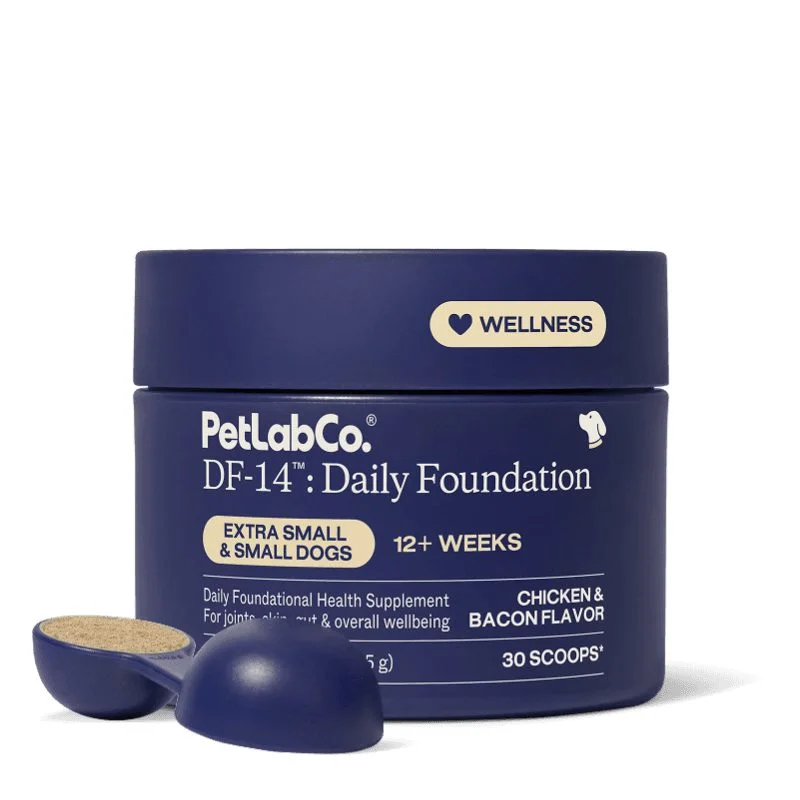
Choosing a probiotic powder for a dog takes more than comparing the CFU number on the label. The formula’s purpose, listed organisms, other ingredients and serving directions all matter. So does a simple question: will your dog reliably eat the food carrying the powder?
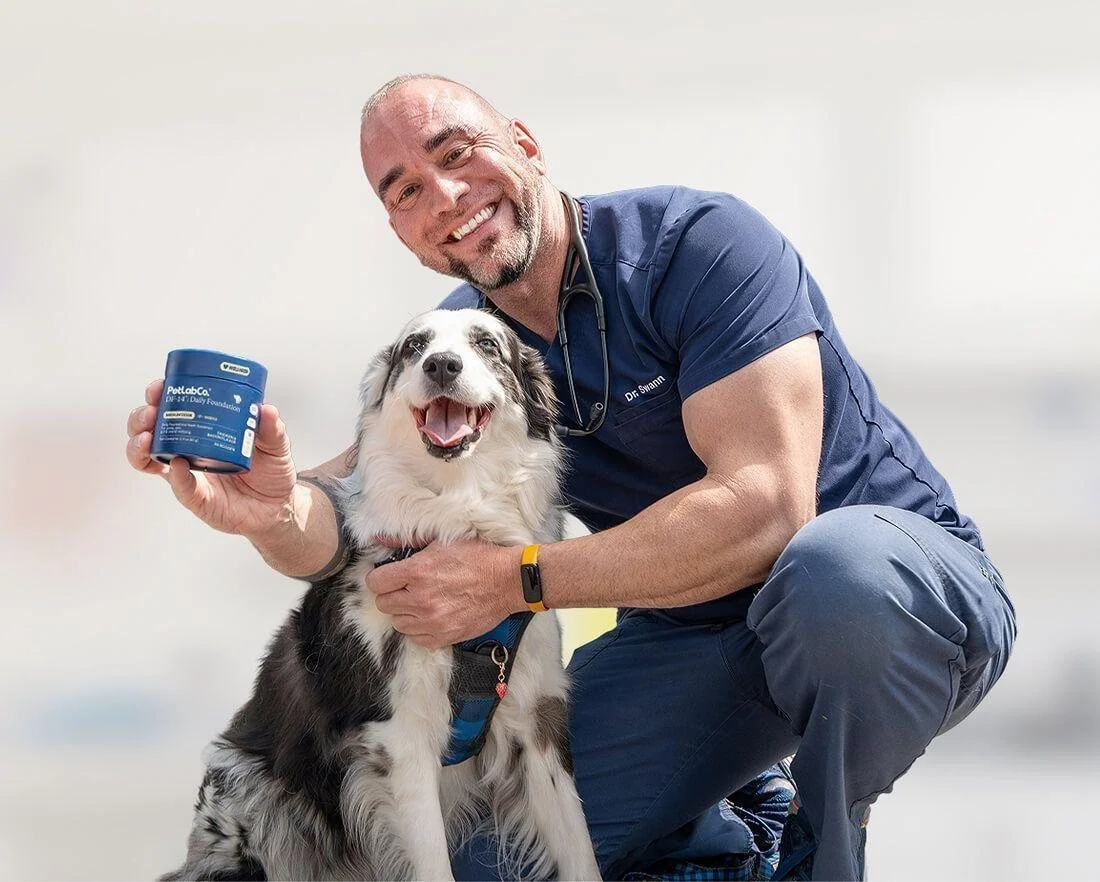
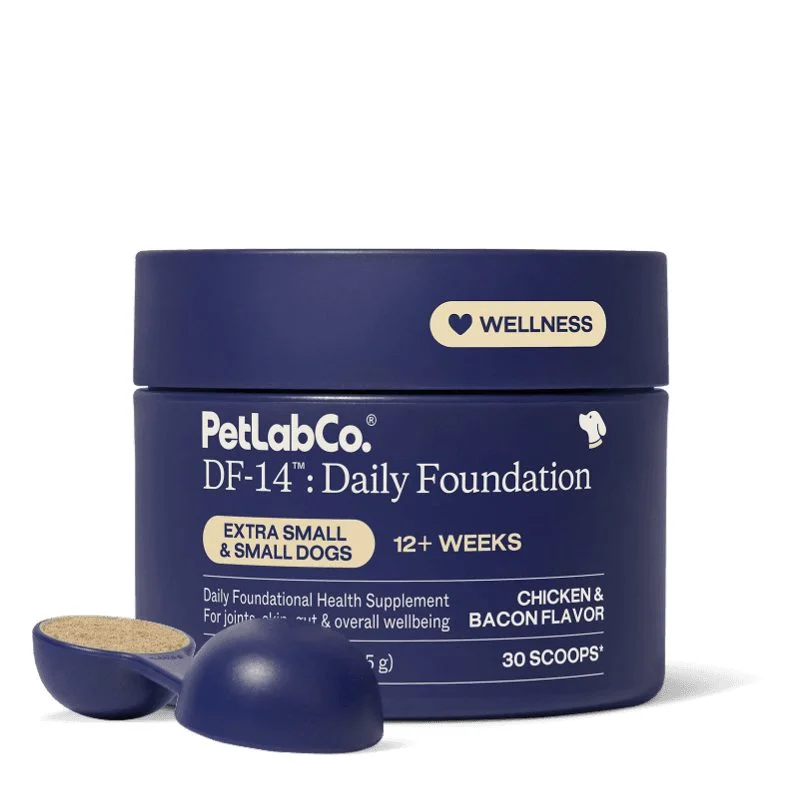
One option in this category is PetLabCo.® DF-14 Daily Foundation, a multifunctional daily powder that includes probiotics alongside ingredients intended for broader support. Other products, such as Native Pet Probiotic and Zesty Paws Probiotic Powder for Dogs, focus on digestive support. These products serve different purposes, so a single ranking cannot tell every owner which one fits best.
This guide compares the products’ listed ingredients and directions, explains how to assess a powder routine, and outlines when to talk with your veterinarian. The product details below come from manufacturers’ product pages; none of the powders was tested hands-on.
Compare the formulas and directions
| Product | Purpose | CFU per serving | Listed organisms | Other listed ingredients | Age guidance | Serving directions |
|---|---|---|---|---|---|---|
| PetLabCo.® DF-14 Daily Foundation | Multifunctional daily powder with probiotic support | 14.5 million to 100 million, depending on tub and scoop | Bacillus subtilis, Bifidobacterium animalis subsp. lactis, Saccharomyces boulardii | Krill, glucosamine, chondroitin, taurine, L-carnitine, astragalus, sodium hexametaphosphate, postbiotic yeast, FOS, cranberry, lactoferrin, vitamins C and E, beta-carotene | 12 weeks and older | Once daily at mealtime: Small tub, little scoop under 4 lb; Small tub, big scoop 4–24.9 lb; Medium tub, one scoop 25–75 lb; Large tub, one scoop over 75 lb |
| Native Pet Probiotic | Gut-focused probiotic and prebiotic powder | 6 billion per scoop | Bacillus coagulans, Enterococcus faecium, Bifidobacterium animalis, Bifidobacterium bifidum | Organic inulin from Jerusalem artichoke and organic pumpkin seed; dehydrated beef broth base | Over 3 months | One scoop, about 4 g or half a tablespoon, per 50 lb body weight daily |
| Zesty Paws Probiotic Powder for Dogs | Gut-focused powder in single-serve sachets | 800 million per serving | Bacillus subtilis DE111, Saccharomyces boulardii | Inulin, flaxseed, pumpkin powder; pumpkin flavor | Not stated on the product page; marketed for adult and senior dogs | Thirty sachets per box; the product page does not state weight-based serving directions |
CFU means colony-forming units, a count of viable microorganisms. The numbers in the table describe the labeled servings. They do not show, by themselves, which product will work best for a particular dog. The organisms, formulation, relevant evidence and intended use all need consideration.
What the featured powder is designed to do
PetLabCo.® DF-14 Daily Foundation is a multifunctional powder, not a gut-only product. Its probiotic blend contains Bacillus subtilis, Bifidobacterium animalis subsp. lactis and Saccharomyces boulardii. Depending on the tub and scoop, the label lists 14.5 million to 100 million CFU per serving.
The formula also includes ingredients with other nutritional roles: krill, glucosamine, chondroitin, taurine, L-carnitine, astragalus, sodium hexametaphosphate, a postbiotic yeast blend, FOS, cranberry, lactoferrin, vitamins C and E, and beta-carotene. FOS is a prebiotic ingredient, distinct from the live organisms in the probiotic blend. This broader ingredient list is part of the product’s purpose and should be considered alongside anything else the dog eats.
That scope may suit an owner looking for a daily powder that combines probiotic support with other ingredients. It doesn’t make DF-14 interchangeable with a gut-focused product selected by a veterinarian for a particular situation. If a veterinarian has recommended a specific formulation, ask before substituting a different supplement just because it also contains probiotics.
The product has a chicken-and-bacon flavor and includes animal-derived ingredients. The label lists krill, crawfish-derived glucosamine, bovine chondroitin, lactoferrin and hydrolyzed chicken liver flavor. These details may matter if your dog has dietary restrictions or follows a feeding plan that requires close ingredient control.
Before adding DF-14 to a routine that already includes a joint supplement or multivitamin, show your veterinarian the full label. The goal is to understand the combined daily ingredients and decide whether the new product serves a clear purpose. Several products with overlapping ingredients can make a routine harder to assess.
Match the tub and scoop to your dog
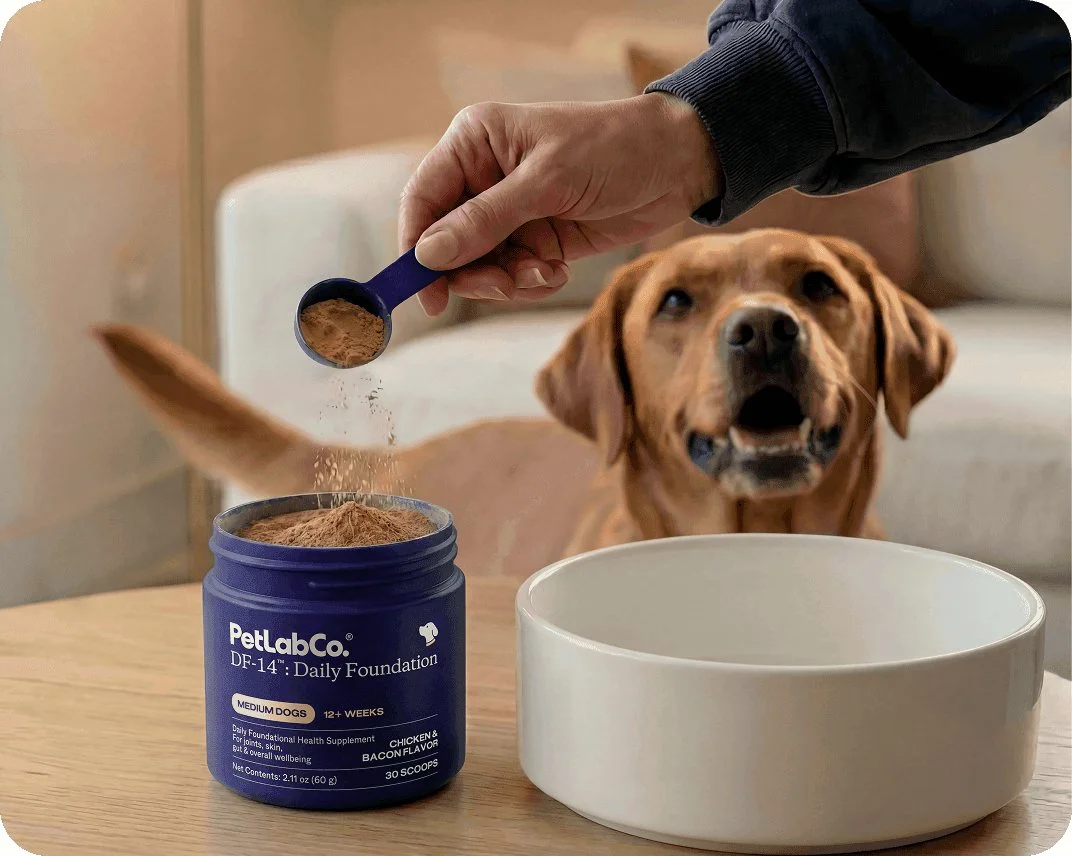
DF-14’s directions call for once-daily use at mealtime. The serving depends on the dog’s weight and the size of the tub. Each tub has its own scoop, and the Small tub includes a little scoop for dogs under 4 lb. Follow the directions on the product in hand rather than estimating with a kitchen spoon.
| Dog’s weight | Daily serving | Powder per serving | Probiotic blend per serving |
|---|---|---|---|
| Under 4 lb | Small tub, one little scoop | 0.75 g | 14.5 million CFU |
| 4–24.9 lb | Small tub, one big scoop | 1.5 g | 29 million CFU |
| 25–75 lb | Medium tub, one scoop | 2 g | 66 million CFU |
| Over 75 lb | Large tub, one scoop | 3 g | 100 million CFU |
These amounts describe DF-14’s labeled servings; they aren’t a general dosing guide for probiotics. Products with different organisms and formulations can have different serving directions. A larger CFU number alone doesn’t establish that a product is more suitable or more effective.
Keep the scoop with its original tub, especially if there are dogs of different sizes in the home. Using the correct tub and scoop helps connect the measured amount to the dog’s weight. If you can’t confirm which scoop or serving applies, check the current label or ask the manufacturer before giving the product.
How to compare probiotic powders
Start with the reason you’re considering a supplement. A veterinarian may recommend a gut-focused formula for a particular circumstance. An owner may be weighing a broader daily supplement that includes probiotics among several ingredients. Those are different goals, even if both products come in powder form.
Then examine what the label says. Which organisms are listed? Does it name a strain, or only a species? What other active ingredients and flavor sources are included? What age guidance and weight-based directions does the manufacturer provide? Answering those questions gives you a more useful comparison than choosing the longest ingredient list or highest CFU count.
The evidence also needs to match the product closely. Research may involve a particular strain and amount, while a product label lists only a species. A study on one named strain doesn’t automatically show that every product containing the same species has the same effects. Ask your veterinarian how closely the available research applies to the formula you’re considering.
Cornell’s overview of probiotics discusses why the particular organisms and product matter when considering potential support for intestinal health. Powder is a delivery format; it doesn’t, on its own, show that a product is more effective than a chew or capsule.
Compare servings, not package size
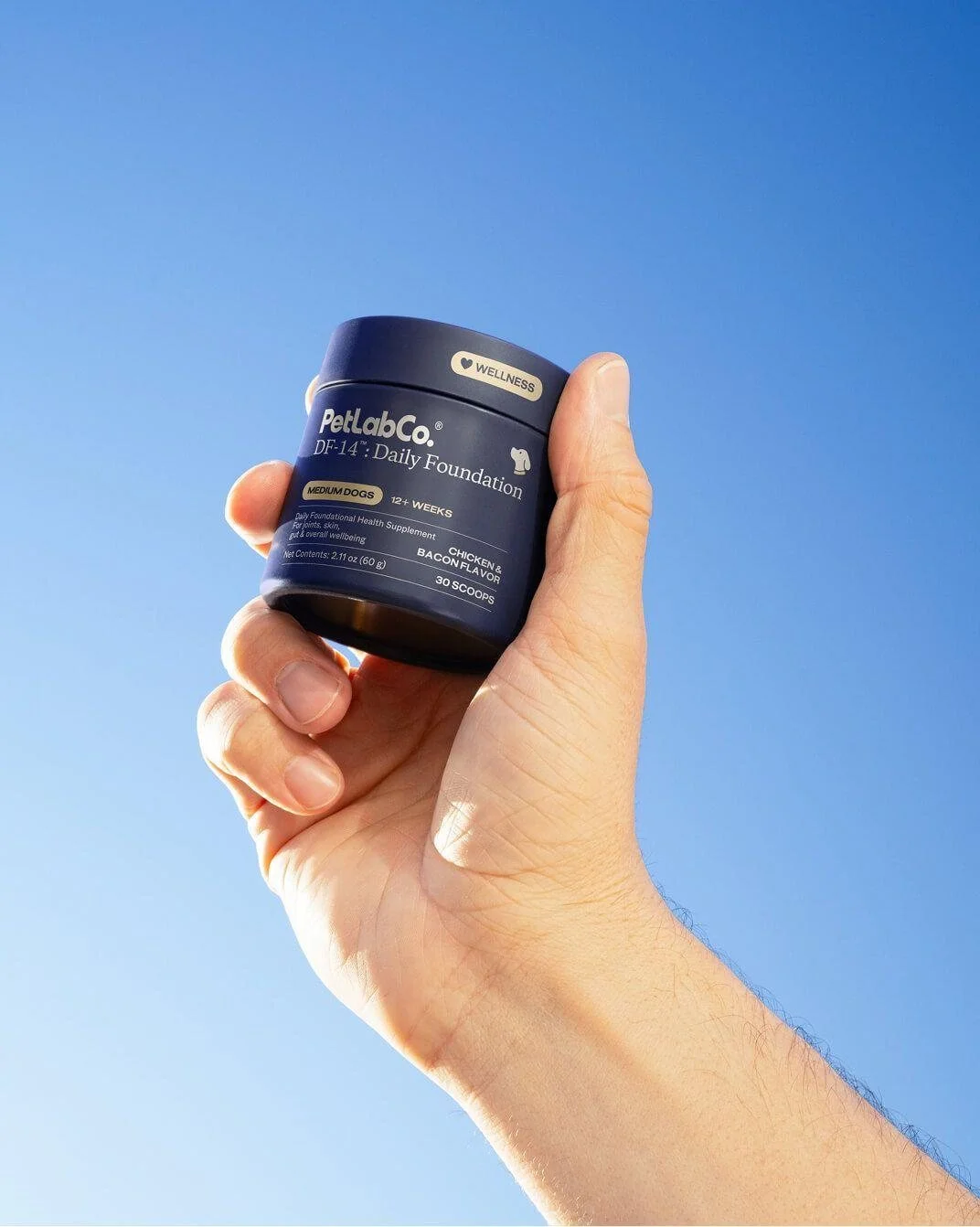
For a practical cost comparison, use the labeled daily serving rather than the size of the tub alone. A tub may contain a different amount per scoop depending on its size and intended weight range. The same principle applies when comparing soft chews: use the correct number of chews per day for the dog.
- Confirm the exact product name and current label.
- Check the dog’s weight range and the matching scoop or chew count.
- Read the full ingredient list, including flavor sources.
- Consider whether your dog reliably eats meals or accepts a separate chew.
A powder can be convenient when the dog eats predictably and the person preparing the meal can measure the serving. If your dog often leaves food or eats at irregular times, it may be difficult to know how much supplement was consumed. Talk with your veterinarian about whether another administration plan or format would be easier to manage.
Serving powder with food
For DF-14, the directions say to mix the correct serving with wet food or moistened kibble once daily at mealtime. Choose a meal you can observe, incorporate the powder as directed, and check whether the dog finishes the portion carrying it. The scoop measures what goes into the bowl; watching the meal tells you whether the dog ate it.
- Check the dog’s current weight range and the matching tub.
- Measure the serving with that product’s scoop.
- Mix it into food following the label.
- Observe the meal and note substantial leftovers.
If food is left behind, don’t guess how much powder the dog ate and add another scoop to make up the difference. The powder may not be evenly distributed through the remaining food, so a second serving could make the total uncertain. Ask your veterinarian or the manufacturer how to handle repeated unfinished meals.
If more than one pet eats in the same area, keep bowls separate during the meal so the measured serving goes to the intended dog. A simple note of the product name, start date, labeled serving and whether the meal was finished can help you describe the routine if questions arise.
When practical and consistent with veterinary advice, avoid changing several parts of the feeding routine at once. If food, treats, portion sizes and supplements all change together, it can be difficult to tell what may relate to a change in appetite or stool. A brief record of what changed and when gives you and your veterinarian clearer information.
Store and identify the product
Follow the container’s storage directions. The guidance for DF-14 is to keep it cool and dry, reseal it and protect it from direct sunlight. Keep the powder in its labeled container so the product name and directions remain available. Store it where pets and children can’t reach it.
Read the label again when opening a replacement tub, since directions or product details may change. Don’t rely on a scoop from another container or on a serving you remember from a previous package. The instructions on the specific product in hand should guide the routine.
Because DF-14 includes ingredients beyond its probiotic blend, owners may find it useful to compare its full formula with other supplements already in the dog’s routine. See WebVet’s guide to multivitamins for dogs and, for older dogs, WebVet’s guide to senior dog vitamins.
Powder or soft chew?
Choose a format based on the dog’s routine after you and your veterinarian have agreed on a suitable purpose and formula. Powder connects the serving to a meal. A soft chew can be offered as a separate portion, which may make it easier to see whether the dog consumed it. Neither format suits every dog or household.
A powder may be practical for a dog who eats a predictable meal from their own bowl. The person preparing the food can measure the serving and observe whether it’s finished. A soft chew may be easier to track when a dog accepts it readily but leaves food behind. In either case, follow that product’s own age, ingredient and weight-based directions.
Changing formats can also change the formula. DF-14 is a multifunctional powder with ingredients beyond its probiotic blend, while a gut-focused chew may have a narrower purpose. Compare the full labels with your veterinarian before switching, and avoid automatically giving both products together to retain every ingredient from the earlier routine.
For more on probiotic formats and product choices, see AKC’s probiotic guidance and WebVet’s guide to probiotics for dogs.
What research can and can’t tell you
DF-14 lists Saccharomyces boulardii, a yeast used in some probiotic research. A small canine study published in 2018 examined this organism as an addition to standard treatment in dogs with chronic enteropathy. It wasn’t a trial of DF-14, and its small study population limits how widely its findings can be applied.
The presence of an ingredient is a reason to look closely at the formula, not a basis for claiming that the product treats a disease. Results from a different product, strain or study population don’t establish the effects of this powder. The exact formulation, animals studied and measured outcomes all matter when weighing evidence.
For a dog who finishes a supplemented meal, powder may be a straightforward way to give the labeled serving. If your dog is more likely to eat a suitable chew, that format may be easier to observe. This is a practical difference in administration; it doesn’t show that one format is inherently more potent.
Puppies, food restrictions and other supplements
Check age guidance before choosing a product. DF-14’s directions specify dogs 12 weeks and older. Native Pet’s product page allows use for dogs over 3 months. Zesty Paws’ product page doesn’t state a minimum age and describes the product for adult and senior dogs. For a younger puppy, ask a veterinarian instead of estimating a smaller serving.
If a puppy has digestive signs, seek veterinary guidance about the cause rather than waiting through an informal supplement trial. The same principle applies to adult dogs with new or persistent symptoms. A supplement should fit into a care plan, not delay an assessment when one is needed.
Food restrictions also deserve careful attention. A multifunctional powder contains more than its probiotic blend, and flavor ingredients count as part of the dog’s diet. During a veterinarian-directed food trial, ask before adding a new powder, chew or flavored supplement. Even a small daily addition may affect how closely the plan is followed.
Review the full label with your veterinarian if your dog takes medicines or other supplements. DF-14’s label says that it may delay absorption of drugs given at the same time. Ask whether timing matters for your dog’s actual medicines; don’t apply a generic spacing rule without checking. The product label also says safe use in pregnant or breeding animals hasn’t been proven, so discuss those circumstances before use.
What to watch after starting a powder
Changes such as gas or altered stool after starting a supplement are worth noting and discussing. They don’t prove that the powder caused the change, and they shouldn’t automatically be dismissed as expected. Tell your veterinarian what the dog ate, when the change started, and whether food, medicines or other routines changed too.
- Follow the product label’s instruction to stop and consult a veterinarian if the dog’s condition worsens or doesn’t improve.
- Contact a veterinarian about repeated vomiting, blood in the stool, poor appetite or marked lethargy.
- If the dog eats too much powder, keep the container available so the veterinary team can review its ingredients.
- Don’t give extra powder to compensate for uncertain intake or slow progress.
A daily supplement can’t replace suitable food, access to water or veterinary assessment when a dog is unwell. If the dog’s health, diet or medicines change, revisit whether the same product and routine still make sense.
Frequently asked questions
What is the best probiotic powder for dogs?
The right choice depends on the dog’s needs and the product’s full formula. A gut-focused powder and a multifunctional powder serve different purposes, so popularity or a high CFU count can’t identify the best fit for every dog. DF-14 is the featured multifunctional option here. Review its other ingredients and serving directions with your veterinarian, especially if your dog already has a supplement or medical plan.
Can I give a probiotic powder every day?
Some products are intended for daily use. DF-14’s directions call for once-daily use at mealtime, with the serving matched to the dog’s weight and tub size. Daily use isn’t automatically necessary for every dog. Follow the product label and veterinary guidance, and reassess if your dog’s health, diet, medicines or eating habits change.
Which probiotics do veterinarians recommend?
Recommendations depend on the dog and the purpose of supplementation. Ask your veterinarian which product or organisms they recommend, how to give the serving, and what you should watch for. Bring the actual label so you can discuss the entire formula, including ingredients beyond the probiotic blend.
Do digestive signs mean my dog needs probiotics?
No single sign proves that a dog needs a probiotic. Gas, loose stool and appetite changes can have several causes. Tell your veterinarian when the change began, what your dog eats and takes, and whether you’ve noticed any other signs. That information can help determine whether a supplement or another part of care is appropriate.
What can I use instead of probiotics?
The answer depends on why you’re considering them. A dog eating an appropriate complete diet may not need an additional supplement. A dog with symptoms may need veterinary assessment or another care plan. Don’t assume that household fermented foods or human supplements are suitable substitutes for a canine product; ask what best fits your dog.
Choose a routine you can follow
PetLabCo.® offers several types of daily supplements; our PetLabCo.® product guide provides broader brand context. This powder comparison centers on the practical choice: whether the product’s purpose, complete ingredient list, serving directions and format fit your dog.
For owners considering a multifunctional powder with probiotic support, DF-14 Daily Foundation is one product to review with a veterinarian. Check the full formula, use the correct tub and scoop, and make sure the dog eats the supplemented food. Those everyday details are a better basis for a choice than a universal ranking.
PetLabCo.® products aren’t intended to diagnose, treat, cure or prevent any disease. Consult your veterinarian before starting a new supplement routine.
The original post, Best Probiotic Powders for Dogs, appeared on Vetstreet.


