Sample No. 0003
Help Dogs Handle Unexpected Sounds With Well-Timed Treats
Pairing a frightening sound with special food can help change a dog’s response. Preparation, timing and veterinary support matter.
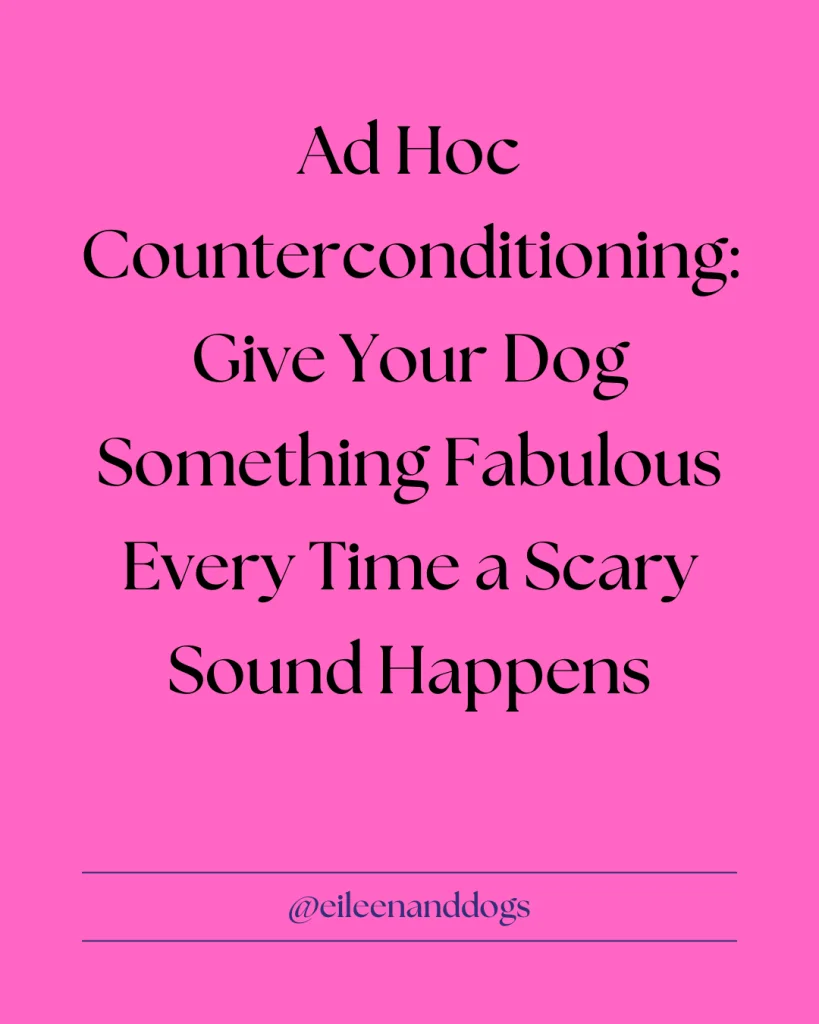
When a dog hears a frightening sound, a special treat delivered right afterward can help build a more positive association. This approach, called ad hoc counterconditioning, is useful when sounds happen unpredictably and can’t be introduced in carefully controlled steps. The treat should follow the sound, and the dog shouldn’t have to sit, look at you or perform another behavior to receive it.
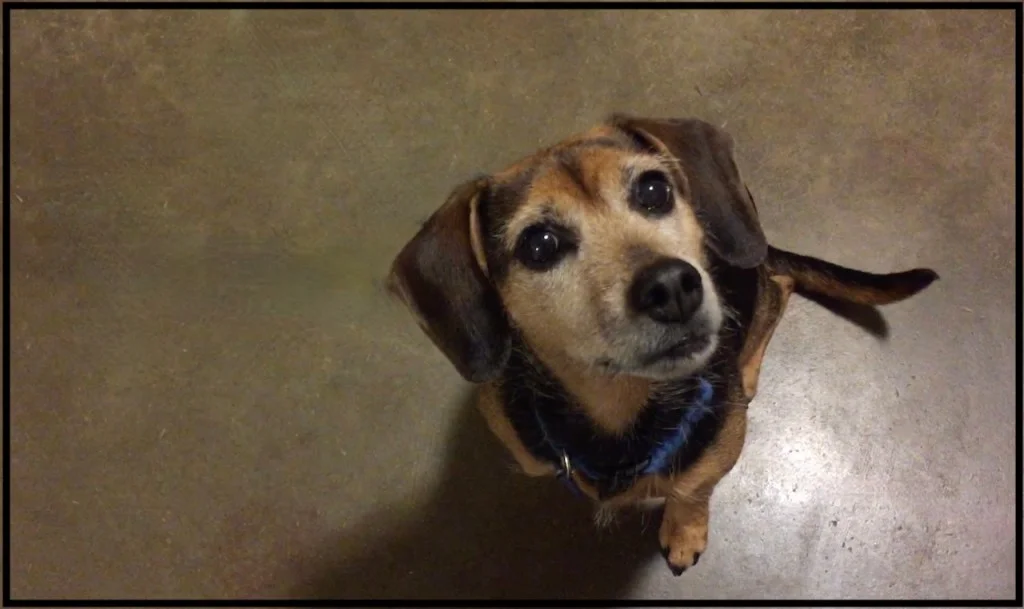
That simple sequence takes preparation. You’ll need food your dog enjoys, accessible supplies around the home and a plan for longer sound events. A dog who can’t eat when frightened may need help from a veterinarian and a qualified trainer.
Pair the sound with something the dog loves
In planned desensitization and counterconditioning, a trainer usually starts with a low-intensity version of a trigger and gradually increases its strength while pairing it with something pleasant. Ad hoc counterconditioning skips those graduated exposures. It’s used when a sound is difficult to recreate, has no manageable low-intensity version or happens too often to keep the dog from hearing it.
The pairing is straightforward: first the sound occurs, then food or play follows. The dog isn’t asked to do anything. That order helps the sound predict something enjoyable. If the sound lasts several seconds, continue feeding or playing for at least as long as it lasts when practical.
Sounds are a common reason to use this method because they can be hard to block and arrive without warning. A review by Dr. Stephanie Riemer, whose research focuses on dogs’ fear of fireworks, identified ad hoc counterconditioning, medication and relaxation training as the most effective interventions discussed for fireworks fears. In Riemer’s survey, 71% of respondents said ad hoc counterconditioning helped. These findings support considering the method as one part of a broader plan. The author also describes using it to help a dog named Summer who reacted to thunderstorms.
Choose food you can keep ready
Counterconditioning works best when the reward is especially appealing to the dog. In practice, keeping a highly perishable or messy favorite food close at hand all day may not be realistic. A useful “noise treat” is one the dog values and you can store safely where it’s easy to reach.
Possible options that may keep at room temperature for a few days include dehydrated lamb or beef lung, some freeze-dried foods, some oven-baked dry dog foods, commercial baked treats and some meat-free home-baked treats. Storage life varies, so check the product and replace food before it spoils. Freeze-dried raw food and home-baked treats need particular attention. For a dog who rarely hears a trigger, a single-serving container of cat food might be convenient, though it won’t suit most everyday situations.

Use the special food whenever you can. If a sound catches you without it, offer another suitable treat you have available. A missed ideal reward doesn’t mean you have to abandon the pairing.
Set up treat stations in advance
Place small supplies around the home wherever your dog might hear a trigger, and consider an outdoor spot if your dog spends time in the yard. Choose containers that won’t break, close securely and are easy for you to open. Keep them out of the dog’s reach so the food stays available for the sound pairing.
Before relying on the setup, practise the movements while your dog is elsewhere. Walk to each container from different parts of the room, open it and pretend to give a treat. This helps you catch awkward placements or lids that are difficult to manage when a sound actually occurs. Don’t rehearse the treat delivery with your dog: the goal is for this food to appear after the trigger.
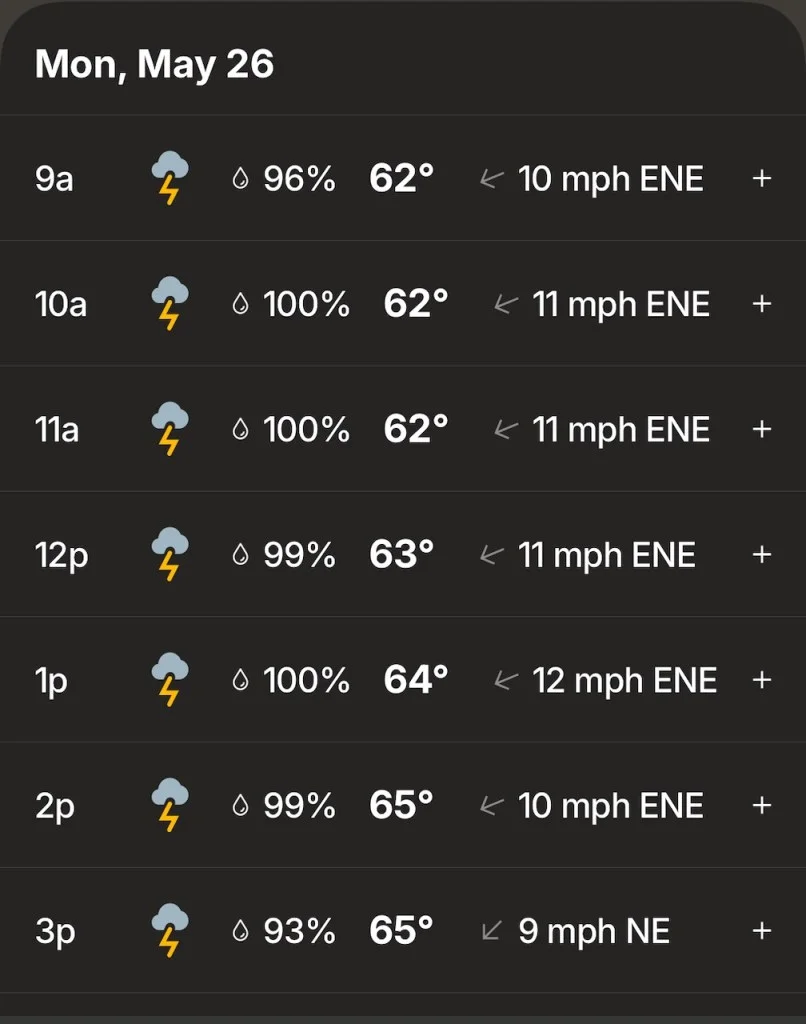
Put out the containers during a quiet period, well before a sound is expected. At first, your dog may notice and become excited by the smell. Given time, that scent can become ordinary background information; the sound, rather than the container being moved, should come before the food. Set a reminder to refresh supplies on a regular schedule, especially foods with shorter storage lives.
Plan for storms and fireworks
When a sound event is predictable, you may not need treat caches. Prepare a generous supply of high-value food a day or two ahead. The example in the source is roasted chicken breast, chosen because the author’s dogs enjoy it and it is relatively low in calories.
Keep the timing clear: wait for the first boom, then bring out the food. Setting it out just before the event could teach the dog that the food predicts the noise. One preparation option described in the source is to put out a bowl of chicken several times over a few days without letting the dogs eat it. This can help weaken the connection between seeing the food and expecting the event. Even with that preparation, avoid bringing the food out immediately before the sounds begin.
Keep the pairing clear during long events
For an unexpected sound, let it happen before offering the special food. Replenish treat supplies during quieter periods, rather than just before a forecast event, so refilling doesn’t become a cue for the noise. It also helps to reserve the chosen food for sound events. Carrying it in a pocket can make it tempting to use for ordinary training, which may blur its purpose.
Some trainers feed for longer after each trigger, turning the reward into a small, enjoyable event. That can make the positive part of the pairing more substantial. But a long storm with repeated thunder can leave a dog full. The author describes giving a treat after each boom during a storm that lasted for hours, and notes that dogs may become satiated. Aim to make each sound predict something the dog likes while taking the dog’s appetite and the length of the event into account.
Don’t ask for a sit, a down or eye contact before giving the food. This method relies on pairing the sound with a pleasant outcome, not on getting a behavior from a frightened dog.
Know when to seek extra help
A dog may be too frightened to eat. If this happens and doesn’t improve, contact a qualified, reward-based trainer who specializes in fear-related behavior. A veterinarian should be the first point of help for sound reactivity or sound phobia. Veterinary support can address the fear and check for pain, which is common among dogs with sound phobia. Medication may be one option for some dogs, as the research review notes; a veterinarian can assess what’s appropriate for an individual dog.
Ad hoc counterconditioning may look spontaneous to the dog: a sound happens and something wonderful appears. For the person, though, useful preparation means choosing food, placing supplies, practising access and keeping the timing consistent. Those small routines make it easier to respond calmly when a sound catches you by surprise.
Further reading
- Riemer, S. (2020). “Effectiveness of treatments for firework fears in dogs.” Journal of Veterinary Behavior, 37, 61–70.
- Dogs Don’t Have to Be Afraid of Fireworks, by Zazie Todd.
- Survey Shows Which Treatments Are Effective for Fireworks Fears in Dogs, by Zazie Todd.
- What Happened to Summer’s Thunderstorm Fear?
- How to Soundproof a Dog Crate


