Sample No. 0222
Euthanasia in Exotic Pets: Species-Specific Challenges for Veterinary Teams
Fish, reptiles, birds and small mammals need species-aware euthanasia plans, careful confirmation of death and responsible handling of remains.
Euthanasia in exotic animals calls for species-specific planning and patient monitoring. A heartbeat may persist after brain function has ceased, while respiratory arrest can be hard to identify in animals that tolerate low oxygen or hold their breath. For veterinary teams, the aim remains the same across species: minimize pain, anxiety and distress, bring about unconsciousness promptly, and confirm death using signs suited to that animal.
Fish, reptiles, birds and small mammals differ in anatomy, metabolism and response to oxygen deprivation. These differences affect which routes and methods are suitable, how long the process may take, and how clinicians assess its completion. The 2020 AVMA Guidelines for the Euthanasia of Animals classify methods as acceptable, acceptable with conditions, or unacceptable for different groups. The findings and examples below are intended for veterinary professionals; protocols and drug choices require clinical judgment and should follow current species-specific guidance.
Fish: a heartbeat may not tell the whole story
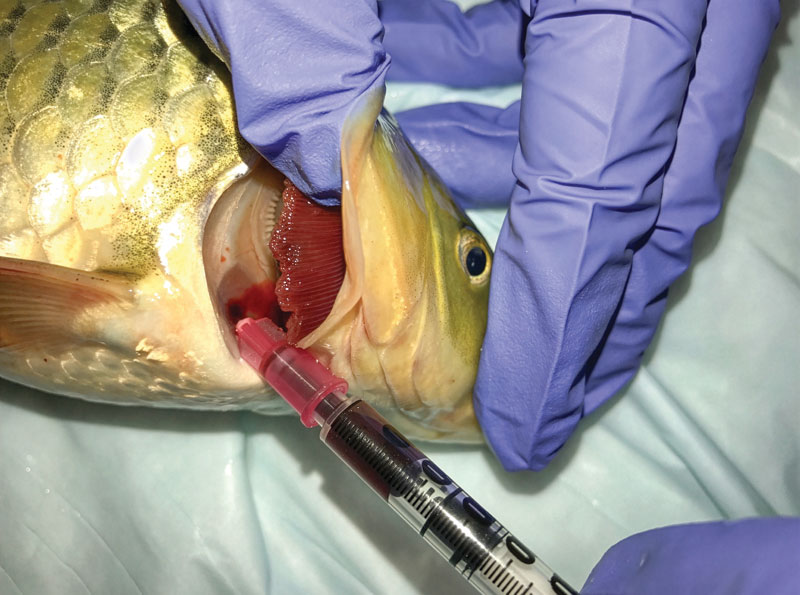
Fish can retain cardiac activity after brain death or removal of the heart from the body. In decapitated goldfish, the heart may continue beating for as long as four hours. A heartbeat alone therefore cannot establish that a fish remains conscious or that euthanasia is incomplete. Clinicians must consider the full sequence of signs and the method used.
Hypothermia and removing a fish from water until it dries out are classified as unacceptable approaches in the AVMA guidance. Research also shows why a familiar anesthetic agent may not be reliable as a sole method across fish species. In one study, prolonged immersion of adult goldfish in buffered tricaine methanesulfonate, or MS-222, at 1,000 mg/L resulted in death in only seven percent of the fish. Goldfish tolerate low oxygen particularly well, which may help explain the poor result.
A separate study found that the same concentration was effective in juvenile goldfish. Research on juvenile red head Tapajos eartheaters compared prolonged immersion in MS-222 or clove oil with continuous topical delivery of those agents over the gills. Immersion produced a statistically faster average time to cardiac arrest than topical delivery. The different findings across studies underline that results for one species or life stage should not be assumed to apply to another.
The article describes a two-stage approach for companion fish: first induce general anesthesia, then use a secondary method. Veterinary teams may consult the current guidance and literature when choosing an appropriate plan for an individual patient. The important practical point is that anesthesia by immersion alone may not reliably cause death in every species, and cardiac activity needs to be interpreted in context.
Reptiles: slow physiology complicates confirmation
Many reptiles tolerate oxygen deprivation, have slow metabolisms and can be difficult to access intravenously. As a result, euthanasia may take hours in some species. A reptile’s heart can continue beating after removal from the body, so cardiac activity does not by itself indicate that the animal remains conscious.
Heart rate can be difficult to hear through scales or, in turtles, through the shell. Doppler or standard ultrasound is more useful for checking cardiac activity. Because many reptile species have slow heart rates, the source recommends listening with Doppler for at least one to two minutes, particularly when an animal is heavily sedated. EEG assessment is limited: the article reports that these devices are not widely available for reptile patients and that published normal values were unavailable for reptile species at the time of writing.
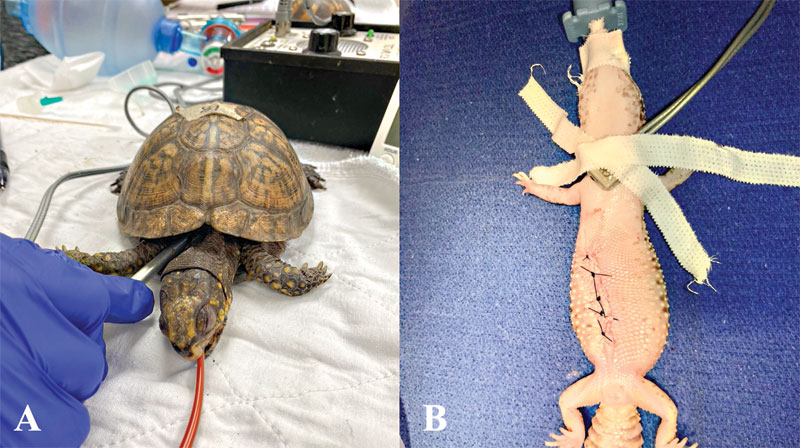
Injectable agents, given intravenously or, when the animal is unresponsive to stimuli, intracardially, are listed as acceptable methods. Intracoelomic administration is also listed as acceptable. Inhalant anesthetics are acceptable with conditions for certain species, including snakes and some lizards. They may be less effective as the sole means of euthanasia in reptiles that hold their breath, redirect blood flow through cardiac shunts, or tolerate low oxygen. Hypothermia alone is listed as unacceptable.
A study in adult leopard geckos compared several injectable agents and routes after sedation. Cardiac arrest occurred immediately with the intracardiac agents studied. With intracoelomic administration, it took 30 to 35 minutes. The slower route also came with concerning effects: some geckos developed redness at the injection site or an intermittent arched posture. Six of nine animals given intracardiac potassium chloride had severe muscle spasms and could right themselves after cardiac arrest. Six of nine animals given intracardiac lidocaine showed a return of breathing and heartbeat five to six hours later. The study’s authors did not recommend those potassium chloride or lidocaine protocols for geckos.
Researchers have also examined administration through the mouth or cloaca, with mixed results. In red-eared sliders, cloacal delivery of pentobarbital leaked substantially in 75 percent of the turtles, requiring a rescue intravenous injection. Breathing stopped at about 15 minutes, but cardiac arrest took an average of 18 hours, with a range of six to 26 hours. Oral delivery was recommended in that study, though cardiac arrest was still prolonged.
A study of bearded dragons used two oral doses of pentobarbital and phenytoin. Leakage occurred, and four lizards showed abnormal behavior after the first dose, which the researchers considered could be associated with pain. Average time to cardiac arrest was six hours. In research on feral green iguanas, every animal receiving either of the studied transmucosal doses required an additional intravenous dose. Taken together, these findings caution against assuming that a non-injection route will provide a predictable or prompt result.
Birds: reduce distress before administration
The AVMA bird guidance covers pet, aviary, falconry, racing, research and zoo birds; poultry are addressed separately. For non-poultry birds, intravenous barbiturate injection is an acceptable method. The source recommends deep sedation or general anesthesia before euthanasia solution is administered to a pet bird, to reduce the chance of fear or distress and to support humane handling.
Commonly used veins include the right jugular, medial metatarsal and ulnar veins. In very small birds, the jugular may be the only vein large enough for injection. Placing an intravenous catheter can be difficult and often requires heavy sedation or general anesthesia, so clinicians may administer the injection directly into the vessel.
If intravenous access is not feasible, intracardiac, intracoelomic or intraosseous administration may be considered only in an anesthetized or unconscious bird. The injection must avoid air sacs and bones that contain air, including the femur and humerus. Thoracic compression in a conscious bird is classified as unacceptable. Studies of oral transmucosal administration in wild birds and chickens have reported varying results, so those findings do not support treating the route as interchangeable with established methods.
Small mammals: prey species need calm handling
Methods for rabbits, ferrets and rodents share similarities with those used for dogs and cats. Intraperitoneal administration is an accepted option for many rodent species, but the source’s clinical experience indicates that cardiac arrest may take longer with this route than with intravenous or intracardiac administration.
Rabbits and rodents are prey animals, so the article recommends heavy sedation or general anesthesia before euthanasia solution is given. Intravenous access may be difficult, especially in an animal with poor circulation. In an unconscious patient, an intracardiac route may be considered when intravenous access is not possible.
Intrarenal administration has also been described for rabbits and is considered acceptable in unconscious animals. In a study comparing the route with intravenous injection, cardiac arrest occurred more quickly with intravenous administration. At the intrarenal amount evaluated, 30 percent of rabbits needed an additional intravenous pentobarbital dose. These results highlight the need to consider the likelihood of delayed or incomplete effect when selecting a route.
Plan the process and the aftercare
Example protocols in the source combine sedation or anesthesia with a subsequent euthanasia method for fish, reptiles, pet birds, rabbits and rodents. They are examples rather than universal directions: the author emphasizes that no single approach or drug amount suits every patient. The appropriate plan depends on species, size, health status, handling needs and available monitoring. For owners, the practical step is to discuss these factors with a veterinarian experienced in the relevant species and ask how distress will be minimized and death confirmed.
After euthanasia, remains also require thoughtful handling. Pentobarbital can poison wildlife that scavenges an animal’s body, including bald eagles. Cremation or incineration is described as ideal where available. If remains are returned to an owner for burial, the care team should explain the risks to scavengers and discuss suitable disposal options for the area. The source recommends documenting that discussion on the euthanasia consent form.
Across these species, a humane plan depends on matching the method to the animal and allowing enough time to assess its effects. A quiet handling plan, suitable anesthesia, species-aware monitoring and clear aftercare guidance help protect both the patient’s welfare and the animals that may encounter its remains.


