Sample No. 0204
Coral Reef Assessment Finds 122 Ecosystems at Critical Risk by 2075
A global assessment finds heat stress and other pressures threaten nearly every reef studied, with lasting consequences for marine life and coastal communities.
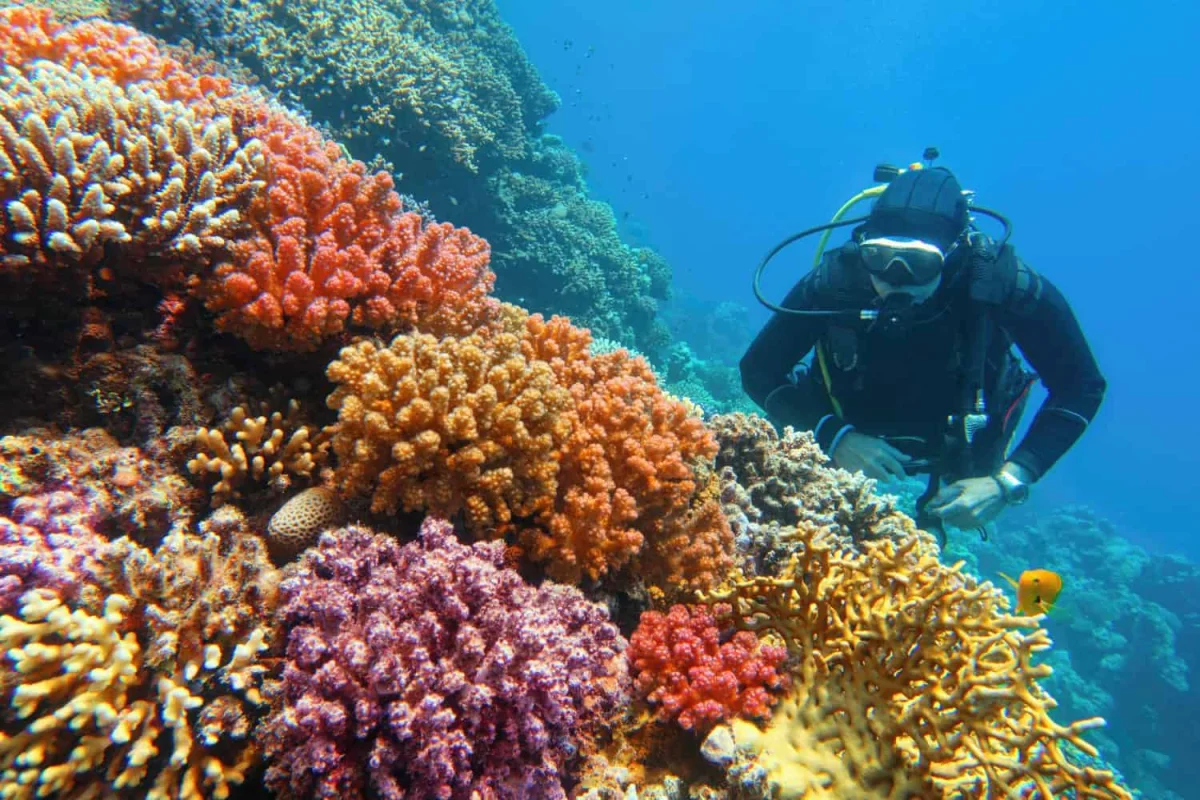
Nearly every shallow-water coral reef ecosystem included in a new global assessment faces an extremely high risk of collapse by 2075. The findings point to a narrow but meaningful window for action: reefs are under pressure from warming seas, while local stressors can make it harder for them to recover.
The assessment, the first global review of coral reefs under the IUCN Red List of Ecosystems, examined reefs across 127 tropical and subtropical eco-regions. Researchers assessed more than 72,000 square miles of warm, shallow-water reef. Of the systems reviewed, 122 were classed as Critically Endangered, a category indicating an extremely high risk of ecosystem collapse. That represents 96% of the assessed reefs.
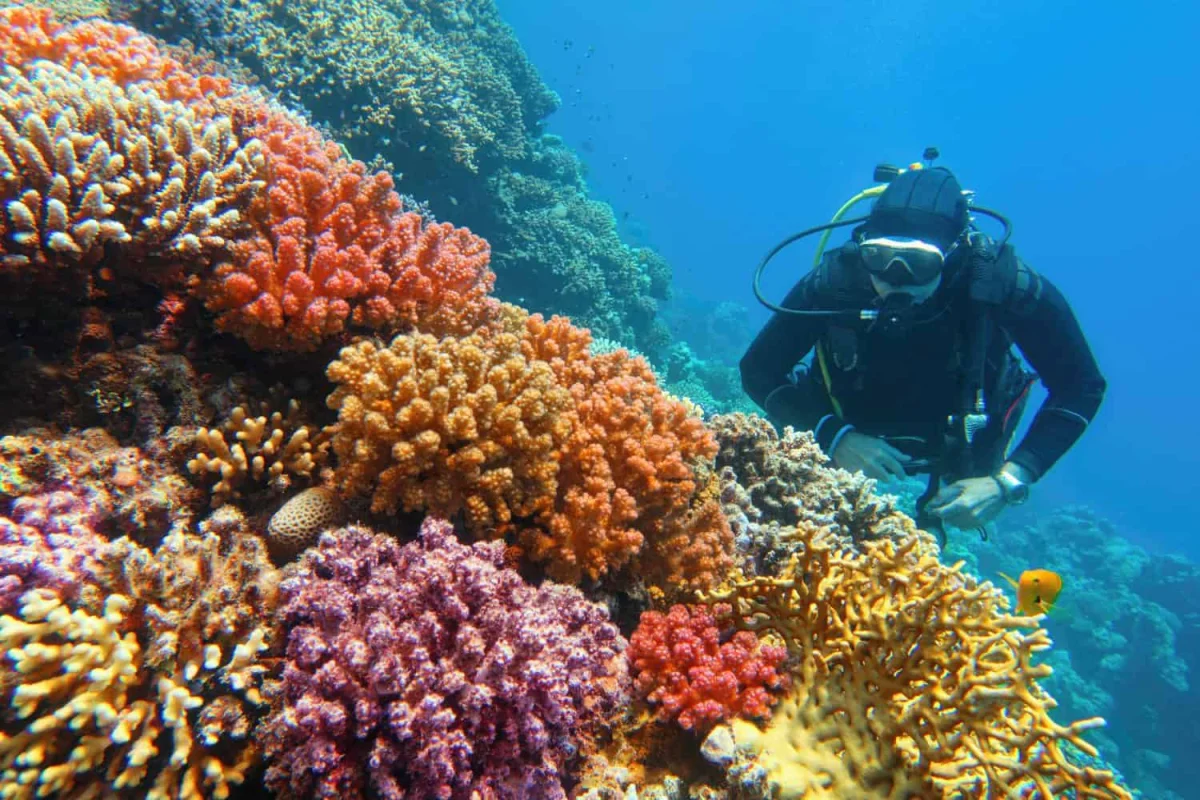
The assessment found that 122 reef ecosystems face an extremely high risk of collapse.
©Tunatura/Shutterstock.com
The assessment drew on historical observations, current reef conditions and projections of future ocean warming. Of the five ecosystems that were not classified as Critically Endangered, one—the Western Galápagos Islands reef—had already collapsed following the 1982–83 El Niño event. The remaining four lacked enough information for researchers to determine their risk.
What reef collapse means
A reef is considered collapsed when it loses the features that define it as a coral reef. Hard corals can become scarce, with algae, rubble and sponges taking their place. Because reef-building corals provide structure and habitat, their loss changes which organisms can live there and how they interact.
The effects spread through the food web, from small invertebrates to reef fish and larger open-ocean predators. Reefs also give many marine species food, shelter and breeding grounds. As IUCN Director General Dr. Grethel Aguilar said, reef decline threatens coastal communities as well as marine life, affecting livelihoods and activities such as fishing, aquaculture and tourism.
Heat stress is the leading pressure
Marine heatwaves pose the greatest threat identified in the assessment. Heat stress already affects 77% of reef ecosystems, and 95% of the ecosystems classed as Critically Endangered face this pressure.
When seawater stays warmer than usual, corals become stressed and can lose the algae they rely on for food. This can cause coral bleaching, in which the coral turns white. Bleaching does not always mean the coral will die immediately. But the longer extreme heat lasts, the greater the risk that corals will fail to survive.

Extended periods of unusually warm water can stress corals and trigger bleaching.
©Ed Connor/Shutterstock.com
A global bleaching event occurred in 2024 amid record ocean heat linked to human-caused climate change. Marcos Valderrábano, an IUCN programme manager for the Red List of Ecosystems, said reefs as they exist today formed during a relatively stable climate over the past 5,000 to 7,000 years. He described recurring heatwaves as a growing challenge because bleaching can happen faster than reefs can recover or adapt.
Local pressures can weaken recovery
Warming is not the only factor degrading reefs. Overfishing threatens 63% of reef ecosystems, according to the assessment. In areas including East Asia, the Western Indian Ocean, the Caribbean and Brazil, fishing pressure on parrotfish and grouper is a significant current concern.
These fish play different roles in reef communities: some eat algae, while others are predators. Removing them can disrupt food webs and upset the balance between corals and competing algae. That disruption may also leave reefs less able to recover after heat stress. Other pressures identified in the assessment include coastal development, pollution, overtourism, industrial activity, aquaculture, stronger storms, freshwater flooding and outbreaks of crown-of-thorns starfish.
Communities depend on healthy reefs
Coral reefs support food and income for hundreds of millions of people, and they can reduce flood risks for coastal areas. Reef tourism is estimated to generate $36 billion each year, while one study associated 70 million annual trips with coral reefs.
The protective value is also substantial. In the United States, reefs help protect more than 18,000 people and more than $1.8 billion in annual hazard risk, according to the Reef Resilience Network.

Reefs can help protect coastal communities while supporting fishing and tourism.
©PTAP Aerial/Shutterstock.com
Fishing, dive operations and tourism all depend on functioning reef ecosystems. When reefs lose their structure and ecological roles, the effects reach the people and businesses connected to them. The ecological and human consequences are linked: keeping reefs resilient supports marine diversity and coastal livelihoods together.
Monitoring can guide conservation
More than 250 coral reef experts contributed to the assessment, which combines decades of reef monitoring and degradation records with satellite data on sea-surface temperatures. Those sources help establish a baseline for tracking change and evaluating whether conservation work is helping.
Daniela Picco, executive director of the MSC Foundation, which funded the assessment, described the coming 50 years as a critical period for conservation. She emphasized continued monitoring, dependable data and regular reassessments as tools for guiding future work.
Aguilar said reefs still have a chance to recover, while stressing the need to limit ocean warming, reduce emissions, strengthen protection and restoration, and support coastal ecosystems and the communities that depend on them. The assessment makes the scale of risk clearer; sustained observation and action will show whether reefs can retain the conditions that allow them to support marine life.


