Sample No. 0202
Grain-Inclusive Dog Food: Fresh and Dry Options Compared
Compare four grain-inclusive foods by life stage, calories, storage and serving size to find a routine that fits your dog.
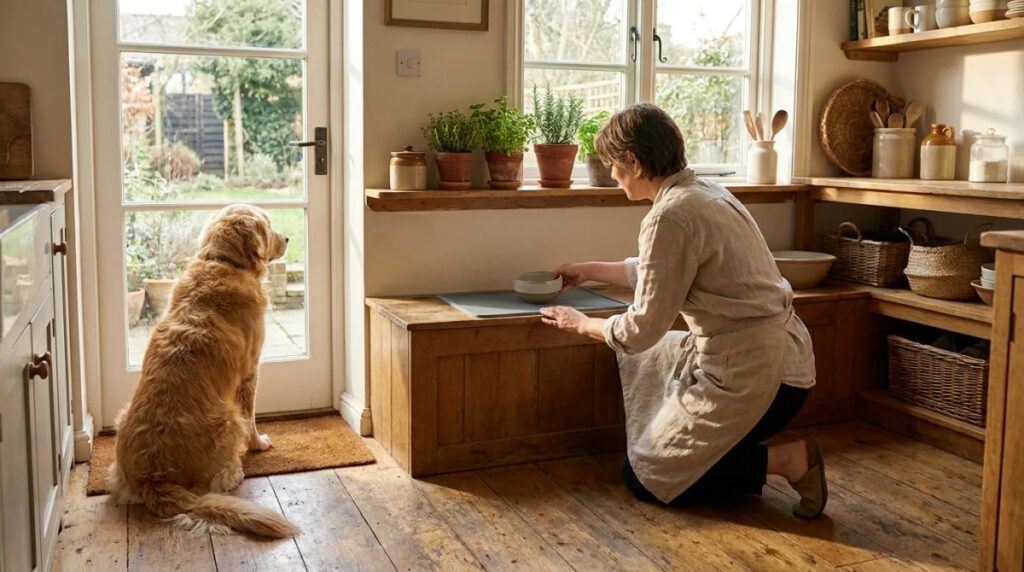
The useful question when choosing grain-inclusive dog food is whether the exact recipe suits your dog and your household. A grain list can identify ingredients such as rice, oats or millet, but it can’t tell you whether a food meets your dog’s life-stage needs, how much to serve or how to store it.
This comparison covers two fresh meals from JustFoodForDogs and two dry recipes from ORIJEN and ACANA. The main differences are nutritional adequacy, energy density, portion size and storage. These details come from product information and feeding calculations; the foods weren’t tested in a feeding trial for this comparison.
For an informed choice, check the exact recipe’s nutritional adequacy statement, calorie information and ingredient list. Then consider whether its storage and serving routine is manageable. A suitable complete food is one that fits the dog’s needs and can be fed consistently.
Four recipes, four practical comparisons
The table summarizes the current recipes discussed here. Product lines can include foods with different life-stage designations, so check the label for the precise recipe you’re considering.
| Recipe | Format | Named grains | Nutritional adequacy | Calories per kilogram | Storage consideration |
|---|---|---|---|---|---|
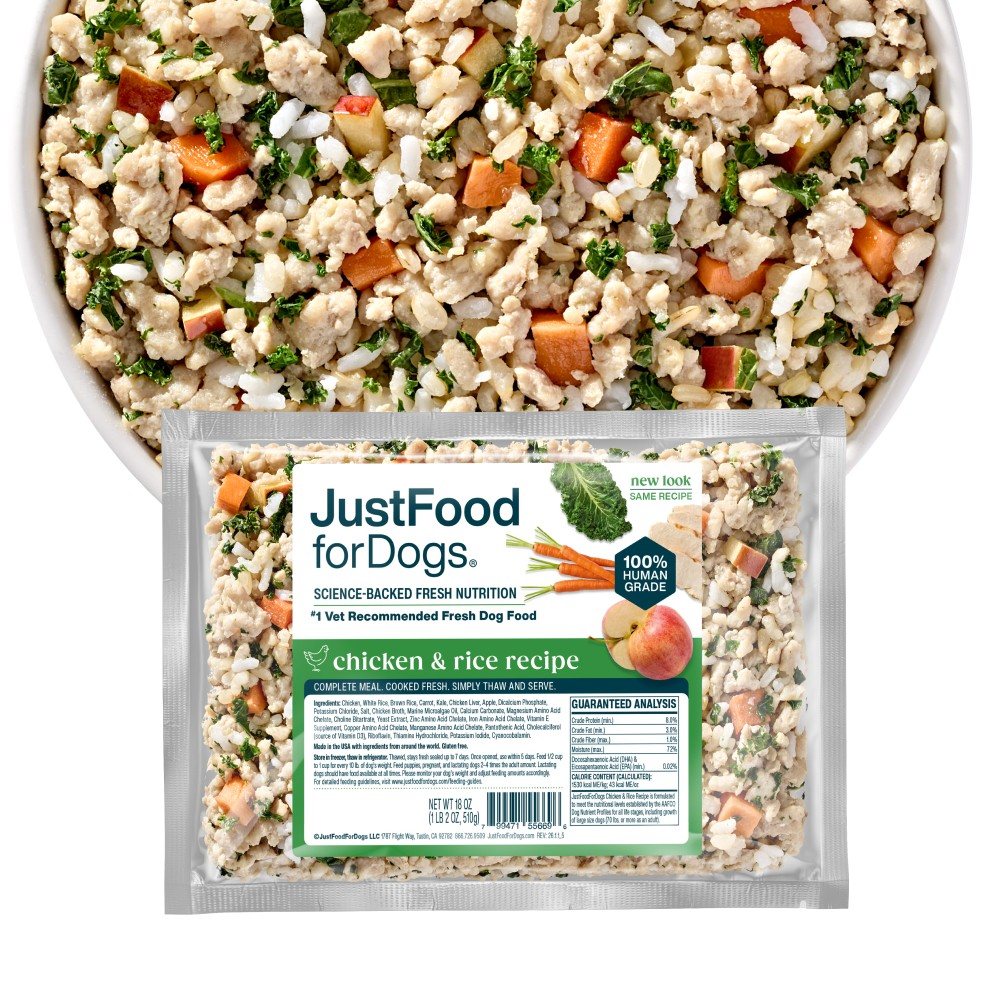
| JustFoodForDogs Chicken & Rice | Fresh Frozen | Long-grain white rice and long-grain brown rice | All life stages, including growth of large dogs expected to reach 70 pounds or more | 1,530 | Frozen storage, then refrigeration after thawing |
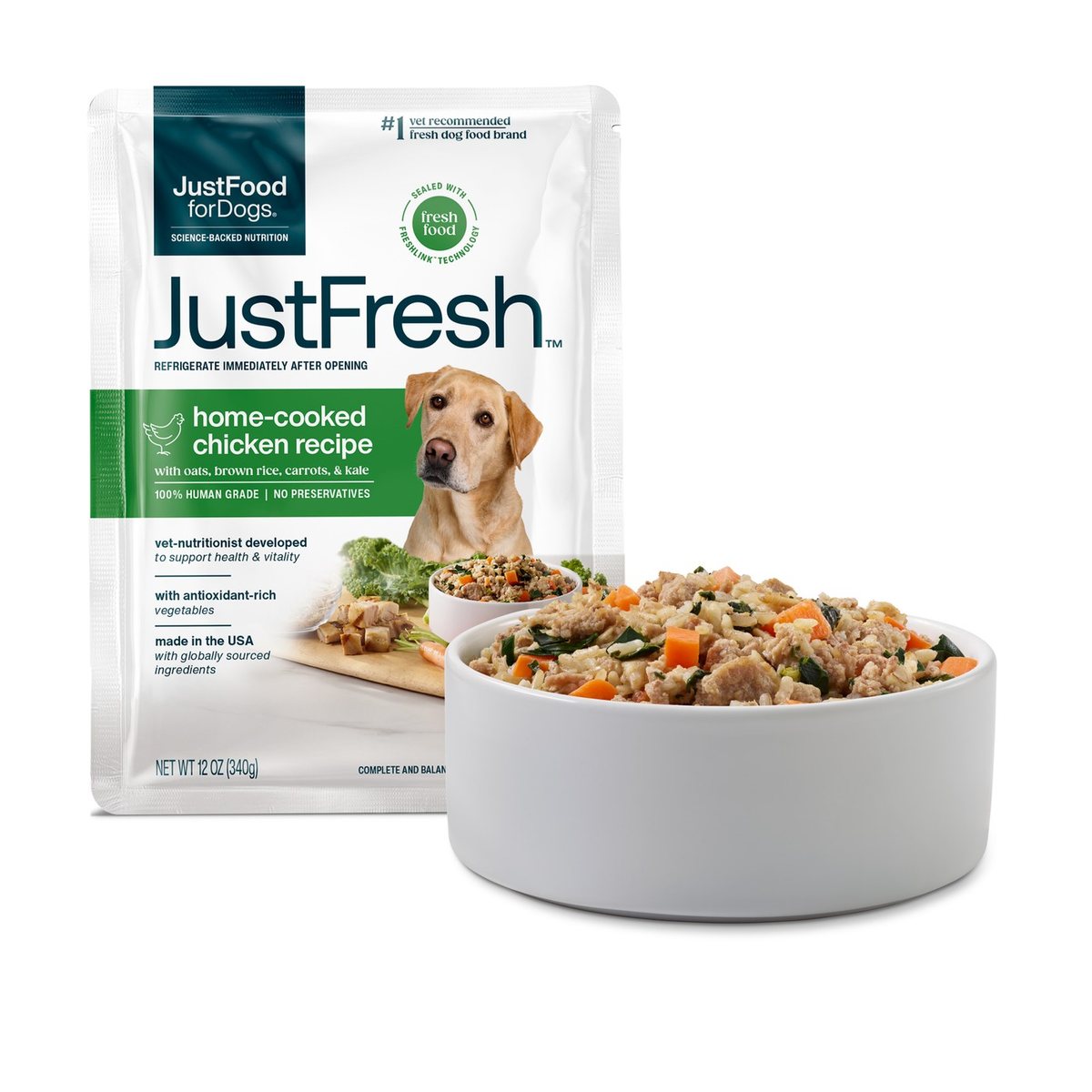
| JustFoodForDogs JustFresh Home-Cooked Chicken | Shelf-stable before opening | Oats and long-grain brown rice | Adult maintenance | 1,254 | Refrigerate after opening and use within 3 days |
| ORIJEN Amazing Grains Original | Dry | Oat groats, millet and whole oats | All life stages, including growth of large dogs expected to reach 70 pounds or more | 3,920 | Follow the package’s storage directions |
| ACANA Wholesome Grains Free-Run Poultry & Grains Recipe | Dry | Oat groats, whole sorghum, whole millet and whole oats | All life stages, including growth of large dogs expected to reach 70 pounds or more | 3,370 | Follow the package’s storage directions |
The calorie values describe the foods as sold. Fresh foods contain more moisture, so they provide fewer calories per gram than the dry recipes here. That affects how much food supplies the same calories; it doesn’t establish that one format is nutritionally better.
Before comparing products, decide what you need the new food to do. Maybe you want a fresh texture, a pantry-stable unopened meal, or a dry ration that’s easy to carry and measure. A clear goal helps keep the comparison focused. If your dog has a veterinary feeding plan, ingredient restriction or supervised food trial, use that plan to guide selection.
Fresh meals: storage and life stage matter
The two JustFoodForDogs recipes show why the word “fresh” doesn’t describe one storage routine. Chicken & Rice is frozen before thawing. JustFresh Home-Cooked Chicken is shelf-stable while unopened, then needs refrigeration after opening. Neither is a canned food.
If you’re specifically seeking canned dog food with grains, check the canned recipe’s own nutritional adequacy statement, calories, ingredients and storage instructions. Moist texture and grain ingredients don’t make different formats interchangeable.
JustFoodForDogs Chicken & Rice
Useful fit: A fresh-frozen grain-inclusive meal whose stated adequacy covers growth and adult feeding.
The recipe contains long-grain white rice and long-grain brown rice alongside chicken and other ingredients. Its current adequacy statement says it’s formulated to meet AAFCO nutrient profiles for all life stages, including growth of large dogs expected to reach 70 pounds or more as adults.
That statement is a key difference from the adult-maintenance JustFresh recipe. Two foods from the same company can have different life-stage suitability. If you’re feeding a growing dog, read the exact package rather than relying on the shared brand or chicken ingredient.
Chicken & Rice provides 1,530 calories per kilogram, or 1.53 calories per gram. The label also gives an approximate value of 43 calories per ounce. Use a consistent unit when working out portions: measuring in grams is easiest if you have a kitchen scale.
- Grains: Long-grain white rice and long-grain brown rice.
- Format: Fresh Frozen.
- Life stage: All life stages, including growth of large dogs.
- Energy density: 1.53 calories per gram.
- Routine: Freezer storage, refrigerator thawing and attention to the opened-food directions.
Plan around how quickly your household uses a package. Estimate the daily portion, compare it with the package size, and make sure you have room to thaw and refrigerate the food. A recipe that suits a dog still has to fit the way the household prepares meals.
The JustFoodForDogs FAQ gives non-fish Fresh Frozen meals up to seven refrigerated days sealed in the original package after thawing and five days after opening. It gives Fresh Frozen food a freezer period of up to 18 months. Follow the package directions and keep track of when you thaw and open a package.
JustFoodForDogs JustFresh Home-Cooked Chicken
Useful fit: A grain-inclusive adult-maintenance meal that can be stored unopened according to its shelf-stable directions.
JustFresh Home-Cooked Chicken contains oats and long-grain brown rice. Its current nutritional adequacy statement is for adult maintenance. It shouldn’t be chosen as a growing puppy’s complete diet simply because another chicken recipe from the same brand is suitable for growth.
The food provides 1,254 calories per kilogram, or 1.254 calories per gram. Its label lists approximately 36 calories per ounce. Because it’s less calorie-dense than Chicken & Rice, an equal-calorie portion weighs more. This is a serving calculation, not a prediction of which texture a dog will prefer.
- Grains: Oats and long-grain brown rice.
- Format: Shelf-stable before opening.
- Life stage: Adult maintenance.
- Energy density: 1.254 calories per gram.
- Routine: Pantry storage before opening, then refrigeration and use within three days.
The manufacturer gives unopened JustFresh a shelf life of up to two years from manufacture. The date on the package matters: this is not necessarily two years from the day you buy it. After opening, refrigerate the food and use it within three days.
Match storage to the product. Chicken & Rice requires frozen storage before thawing. JustFresh can be stored unopened according to its shelf-stable directions. Both need appropriate handling after opening.
Unopened pantry storage may suit households with limited freezer space or people who want a reserve meal that doesn’t need thawing before opening. Once opened, however, the short refrigerated window still matters. Compare the package size with your dog’s daily portion before buying.
Changing between the two recipes means changing more than storage. Each has its own calorie density and adequacy statement. Recalculate the serving rather than carrying over the same weight from one food to the other.
Dry recipes: measure the food you have
Dry food has a different handling routine, but it still needs to meet the dog’s life-stage needs and fit the feeding plan. A cup of one recipe won’t necessarily provide the same calories as a cup of another. The two dry foods below have different grain combinations and energy densities, although both current U.S. adequacy statements cover all life stages, including growth of large dogs.
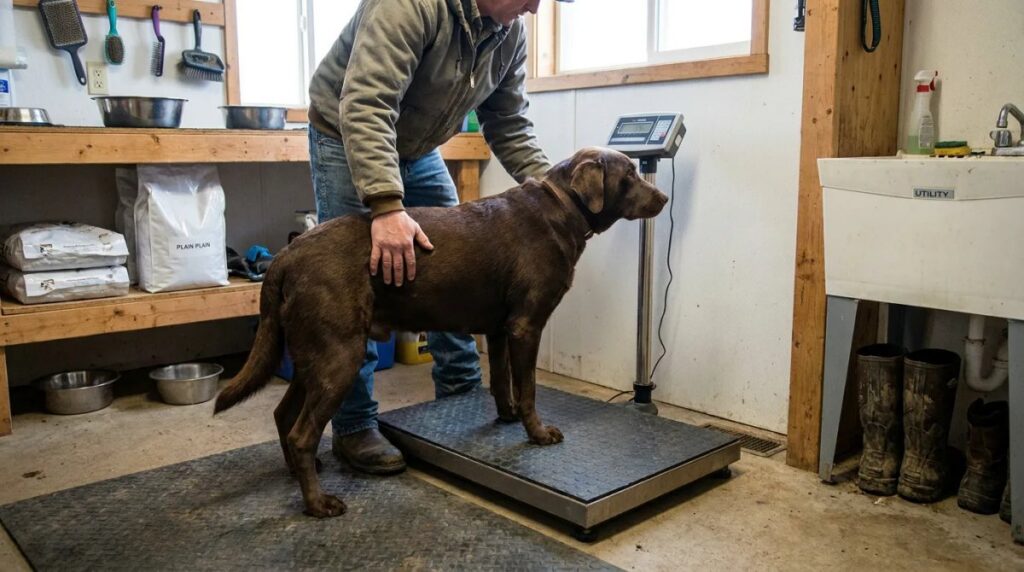
Dry food can be convenient to measure for travel, rewards or a pet sitter. That convenience doesn’t remove the need to follow the package’s storage guidance. It also doesn’t make a cup a reliable substitute for weighing when you’re switching recipes or managing portions closely.
ORIJEN Amazing Grains Original
Useful fit: An energy-dense dry recipe for households prepared to measure portions carefully.
The U.S. recipe includes oat groats, millet and whole oats. Its adequacy statement covers all life stages, including growth of large dogs expected to reach 70 pounds or more as adults.
ORIJEN lists 3,920 calories per kilogram and 490 calories per cup, equivalent to 3.92 calories per gram. A comparatively small weight therefore supplies the same calories as a larger weight of either fresh food in this comparison.
- Grains: Oat groats, millet and whole oats.
- Format: Dry.
- Life stage: All life stages, including growth of large dogs.
- Energy density: 3.92 calories per gram.
- Listed cup value: 490 calories.
The guaranteed analysis lists minimum crude protein of 38% and minimum crude fat of 18%, with maximum crude fiber of 4% and maximum moisture of 12%. These are label guarantees, not a laboratory measurement of the portion served in a bowl.
Don’t compare the dry food’s protein percentage directly with a fresh food’s as-fed percentage and treat the higher number as proof of better nutrition. Moisture differs between these formats. Adjusting percentages for moisture still wouldn’t establish protein quality, digestibility or suitability for an individual dog.
For an accurate routine, convert the dog’s food allowance into grams and write the amount down if several people feed the dog. ORIJEN’s cup calorie figure belongs to that recipe’s stated measure. An eight-ounce measuring cup describes volume; it doesn’t mean the kibble inside weighs eight ounces. A scale helps avoid that mix-up.
ACANA Wholesome Grains Free-Run Poultry & Grains Recipe
Useful fit: A dry option with a different grain mix and lower calorie density than ORIJEN Amazing Grains Original.
The exact current U.S. product name is ACANA Wholesome Grains Free-Run Poultry & Grains Recipe. Its named grains are oat groats, whole sorghum, whole millet and whole oats. Check the full product name and current label; similarly named recipes in other markets may differ.
The adequacy statement covers all life stages, including growth of large dogs expected to reach 70 pounds or more as adults. The recipe provides 3,370 calories per kilogram, or 3.37 calories per gram, and lists 371 calories per cup.
- Grains: Oat groats, whole sorghum, whole millet and whole oats.
- Format: Dry.
- Life stage: All life stages, including growth of large dogs.
- Energy density: 3.37 calories per gram.
- Listed cup value: 371 calories.
The guaranteed analysis lists minimum crude protein of 27% and minimum crude fat of 17%, with maximum crude fiber of 6% and maximum moisture of 12%. These figures describe the manufacturer’s guarantees; they don’t provide a measured carbohydrate value, digestibility result or forecast of how an individual dog will respond.
The difference between the two dry recipes shows why the format alone can’t guide serving size. Both include grains and have the same broad life-stage designation, yet they supply different calories per gram and per cup. Use the calorie information for the exact recipe when changing foods.
The poultry in the ACANA product name also matters if your dog has an ingredient restriction. Grain-inclusive doesn’t mean poultry-free. Read the complete ingredient list and seek the manufacturer information your veterinary team requires.
Use guaranteed analysis as label information
Guaranteed analysis can help you read a package, but it isn’t a complete scoring system. Fresh and dry foods have different moisture levels, and protein and fat are typically listed as minimums while moisture and fiber are listed as maximums.
Tufts’ explanation of guaranteed analysis describes these limits. A dry-matter calculation can account for water when comparing percentages, but calculations based on label guarantees are estimates, not measured analyses.
Keep the adequacy statement, calorie density and nutrient percentages in their proper roles. The adequacy statement tells you which life stages the food is intended to support. Calories per gram help calculate a portion. Neither requires declaring a recipe superior because one percentage is higher.
Compare portions by calories, not scoops
A scoop measures volume; a gram measures weight. Neither unit tells you how many calories are in a portion without the recipe’s energy density. For a useful comparison, start with an appropriate daily calorie allowance and calculate the amount of each food that supplies the calories assigned to it.
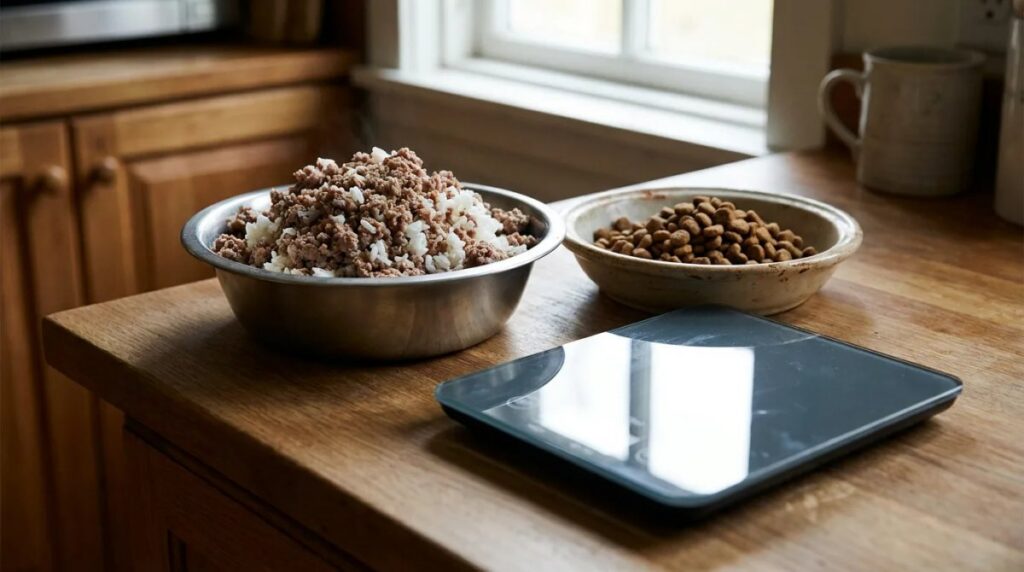
A calorie allowance may come from a veterinary plan or an estimate adjusted in response to the dog’s weight trend and body condition. The example below compares serving weights; it doesn’t establish how many calories a particular dog should eat.
- Calories per gram = calories per kilogram ÷ 1,000.
- Grams to serve = calories allocated to the food ÷ calories per gram.
- For equal meals, divide the daily amount by the number of meals.
- If meals differ in size, calculate each planned portion instead of adding food without adjusting the daily total.
Example: the same 400 calories in four formats
Suppose 400 calories are assigned to one recipe. This is only an arithmetic example, not a feeding recommendation. For Chicken & Rice, divide 400 by 1.53 to get approximately 261 grams. For JustFresh Chicken, divide 400 by 1.254 to get about 319 grams.
For ORIJEN, 400 divided by 3.92 gives approximately 102 grams. For ACANA, 400 divided by 3.37 gives approximately 119 grams. The dry-food portions weigh less because these recipes provide more calories per gram than the fresh foods.
| Recipe | Calories per gram | Approximate weight for 400 calories | Storage format |
|---|---|---|---|
| JustFoodForDogs Chicken & Rice | 1.53 | 261 g | Fresh Frozen, then refrigerated after thawing |
| JustFoodForDogs JustFresh Home-Cooked Chicken | 1.254 | 319 g | Shelf-stable unopened; refrigerate after opening |
| ORIJEN Amazing Grains Original | 3.92 | 102 g | Dry; follow the package directions |
| ACANA Wholesome Grains Free-Run Poultry & Grains Recipe | 3.37 | 119 g | Dry; follow the package directions |
Rounding is fine for a general comparison. If you’re following a medical feeding plan, use the precision and adjustments your veterinary team specifies. The larger-looking fresh portion and smaller dry portion in the table supply the same example calories; appearance alone doesn’t show which food a dog will find more satisfying.
Include treats and other extras
Calories from treats, toppers and table food count toward the daily plan. The AAHA nutrition guidelines identify excessive extras as a nutritional risk. A common limit is no more than 10% of daily calories from noncomplete extras combined.
That’s one shared allowance for all extras, not a separate allowance for each type. Some dogs need a stricter plan. A dog on a supervised elimination diet, for example, may need to avoid ingredients even when a treat fits within a calorie limit.
- List the extras the dog receives.
- Check their calorie information where available.
- Subtract those calories before calculating the complete-food portion.
- Keep a household record if more than one person gives rewards.
- Revisit the plan when the type or amount of extras changes.
When appropriate for the dog and the training routine, part of the measured complete-food ration can be set aside for rewards. Dry food may be easier to carry; fresh food needs appropriate handling. In either case, the rewards should come from the planned daily amount.
Work out the daily cost you’ll actually pay
The package price alone doesn’t tell you the daily cost of feeding a food. A heavier package with more moisture may contain fewer calories per pound than a lighter dry-food package. Use the price and package size you intend to buy, along with the exact recipe’s calorie information.
- Package calories = package weight in grams × calories per gram.
- Cost per calorie = package price ÷ package calories.
- Daily food cost = cost per calorie × daily calories assigned to that food.
- Expected feeding days = package calories ÷ daily calories assigned to that food.
| Worksheet input | What to enter |
|---|---|
| Recipe and package | Full product name and package size |
| Price | The amount for the buying arrangement you plan to use |
| Package weight | Net food weight converted to grams |
| Calories per gram | The value for the current recipe |
| Package calories | Weight in grams multiplied by calories per gram |
| Daily allocation | The calories assigned to this food |
| Calculated daily cost | Price divided by package calories, multiplied by daily allocation |
Current prices weren’t verified for this comparison, so it doesn’t rank the products from least to most expensive. A one-time discount and a recurring price answer different budgeting questions; include delivery costs and taxes if they affect your purchase.
For example, a hypothetical package costing $24 and containing 4,800 calories would cost half a cent per calorie. At 400 calories per day, the calculated cost would be $2 per day. These numbers demonstrate the calculation and don’t describe any recipe in this guide.
Storage affects how much of a package you can use. If an opened fresh package can’t be finished within its directions, the practical cost of the food eaten may exceed the simple calculation. For a small dog, check projected feeding days against the opened-food limit before buying a large package. For dry food, follow the manufacturer’s storage and freshness advice.
- Does the exact recipe suit the dog?
- Can the household measure the planned portion?
- Can unopened food be stored as directed?
- Can an opened package be used within its instructions?
- Does the recurring daily cost fit the budget?
- Can you obtain the exact product reliably?
Grains don’t determine whether a food fits
A grain-inclusive food can be a suitable choice when the complete recipe meets the dog’s needs. Grains are part of a formulation: their presence doesn’t automatically make a food healthy, and their absence doesn’t automatically make it better.
Compare exact recipes by nutritional adequacy, life stage, calories, ingredient suitability and practical handling. The grain-free dog food explainer covers the related question. A front-label category can’t answer every question about a food.
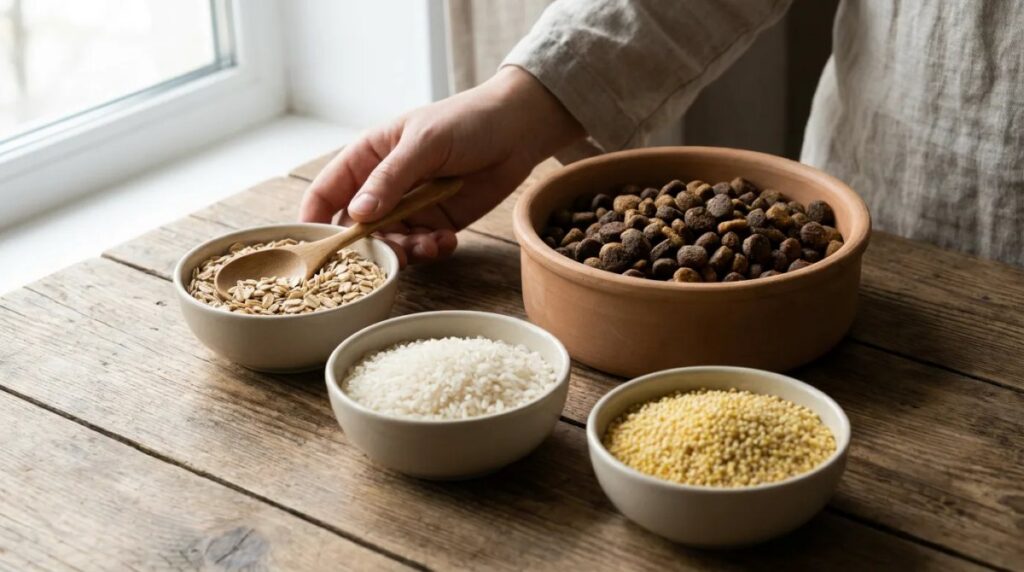
If your dog is doing well on an appropriate complete diet, the presence of grains alone doesn’t establish a reason to switch. If you’re considering a change, identify the goal. A need for pantry storage, a growth-stage requirement and a suspected food reaction call for different considerations.
Ingredient lists can help identify rice, oats, poultry or a specific ingredient to avoid. They can’t, by themselves, tell you how digestible a finished recipe is, whether a given portion will maintain your dog’s condition, or whether a brand is the best choice for every dog. Likewise, several familiar grains don’t prove that a complete recipe is better.
The four foods here are examples for comparing fresh and dry routines. They aren’t presented as treatment for disease or as evidence that every dog should eat grains. If a medical concern is driving a change, work with your veterinarian and assess the outcome against the reason for the change.
Choose for life stage, size and individual needs
Growth status and the exact nutritional adequacy statement matter more than a general preference for grains. The amount served and the practicality of a package vary among small, large and older dogs, but size or age alone doesn’t determine the right recipe.
For puppies, check the growth statement
A puppy’s complete diet should be appropriate for growth. An adult-maintenance food isn’t a suitable substitute just because it has a fresh texture or shares a main ingredient with a growth-appropriate recipe.
Among these four foods, Chicken & Rice and both dry recipes have current adequacy statements covering all life stages, including growth of large dogs expected to reach 70 pounds or more. JustFresh Home-Cooked Chicken is for adult maintenance. Large-dog puppy owners should pay attention to the wording about growth of large dogs and confirm that the exact recipe is appropriate.
- Consider the puppy’s expected adult size.
- Read the adequacy statement on the exact package.
- Use a growth feeding plan and reassess intake as the puppy grows.
- Keep extras from displacing the complete growth diet.
Don’t try to make an unsuitable main diet appropriate by adding a supplement without professional guidance. The package’s life-stage statement is a better starting point than a brand or ingredient shared with another food.
For small dogs, plan the portion and package
A small dog may need a smaller daily portion, but that doesn’t automatically mean fresh food or a recipe labeled for small breeds is required. Consider whether your dog can comfortably manage the food and whether you can measure the daily amount accurately.
Lower-calorie-per-gram foods require a greater weight to supply the same calories. For a dog eating a modest amount each day, check whether you can use an opened fresh package within its refrigerated window. Clear written portions can also help a household keep treats and meals accounted for.
For large adults, calculate an individual amount
A statement that a recipe supports growth of large dogs doesn’t mean all large adult dogs should eat the same amount. Calorie needs vary by dog, and the portion needs to reflect the individual feeding plan.
Use the exact recipe’s calorie information and a consistent measuring method. An imprecise scoop used at several meals can make portion differences add up. The WSAVA body-condition chart describes how to assess features including the ribs, waist and abdominal tuck. Weight trends and a veterinary assessment add useful context; package feeding directions aren’t permanent rules for every dog.
For older dogs, look at the individual
Age by itself doesn’t determine whether a dog needs fewer calories, a different texture or a medical diet. Appetite, muscle condition, mobility and health can all affect an older dog’s feeding needs.
If a senior dog starts eating less or struggles with food, seek a reason instead of assuming that a softer meal will resolve it. When discussing a change, bring the current package details and a record of what the dog actually eats. That gives your veterinary team more useful information than a question about grains alone.
For ingredient restrictions, check the full formula
Finding a grain-inclusive food and finding a chicken-free or poultry-free food are separate tasks. Don’t assume any of these four recipes meets a specific exclusion. Read the complete current ingredient list, and ask your veterinarian what manufacturer information is needed if the restriction is part of a supervised food trial.
Keep track of the ingredient being avoided, the reason for the restriction, the full proposed recipe name and the current ingredient list. This helps prevent a well-intentioned switch from changing several things at once without a clear way to assess the result.
Questions about grain-inclusive dog food
Why do some veterinarians have concerns about grain-free foods?
Concern has included investigation of non-hereditary dilated cardiomyopathy, or DCM, and possible connections with some diets. The FDA’s DCM questions and answers describe uncertainty and potentially interacting factors, with reports involving both grain-free and grain-containing foods. The grain label alone can’t establish whether a specific food is appropriate. Discuss the exact recipe and your dog’s history with your veterinarian; choosing a grain-inclusive food isn’t a guaranteed way to prevent a health problem.
What is the healthiest grain for dogs?
There isn’t one grain that is healthiest regardless of the complete recipe and the dog eating it. Rice, oats and millet appear in different formulated foods. Compare the whole food rather than ranking grains as standalone ingredients. If an ingredient must be restricted, follow the individual feeding plan.
Why do some owners avoid grains?
Reasons may include preference, marketing or a veterinary recommendation. Those reasons aren’t interchangeable. A specific ingredient restriction should guide selection; a general belief that all grains are unsuitable doesn’t establish that a particular complete food is wrong for a dog. If you suspect a food-related problem, keep a record and seek veterinary assessment before repeatedly removing broad ingredient categories.
Can I combine fresh food and dry food?
Combining foods may suit some dogs if both recipes are appropriate for the dog’s life stage and feeding plan. Assign calories to each food rather than adding a full serving of fresh food to a full dry ration. Calculate each portion using that recipe’s own calorie density and follow the storage directions for perishable food. If your dog has a prescribed diet or is taking part in a supervised food trial, ask the veterinary team before combining foods.
Does grain-inclusive mean a recipe is chicken-free?
No. A grain claim describes one ingredient category; it doesn’t identify every animal ingredient in the food. If chicken or all poultry must be excluded, check the full current formula and get any manufacturer information your veterinarian needs. A general grain-inclusive recipe isn’t a substitute for a prescribed elimination diet.
For everyday selection, bring the details together: the exact recipe, its life-stage statement, a measured calorie portion and a storage routine your household can follow. That’s a more reliable way to choose among grain-inclusive foods than judging a meal by the grains listed on the label.


