Sample No. 0017
UC Davis Restarts Small Animal Rotating Internship for 2027–28
UC Davis is offering five internship positions in 2027–28, with supervised rotations across small animal specialties and varied clinical settings.
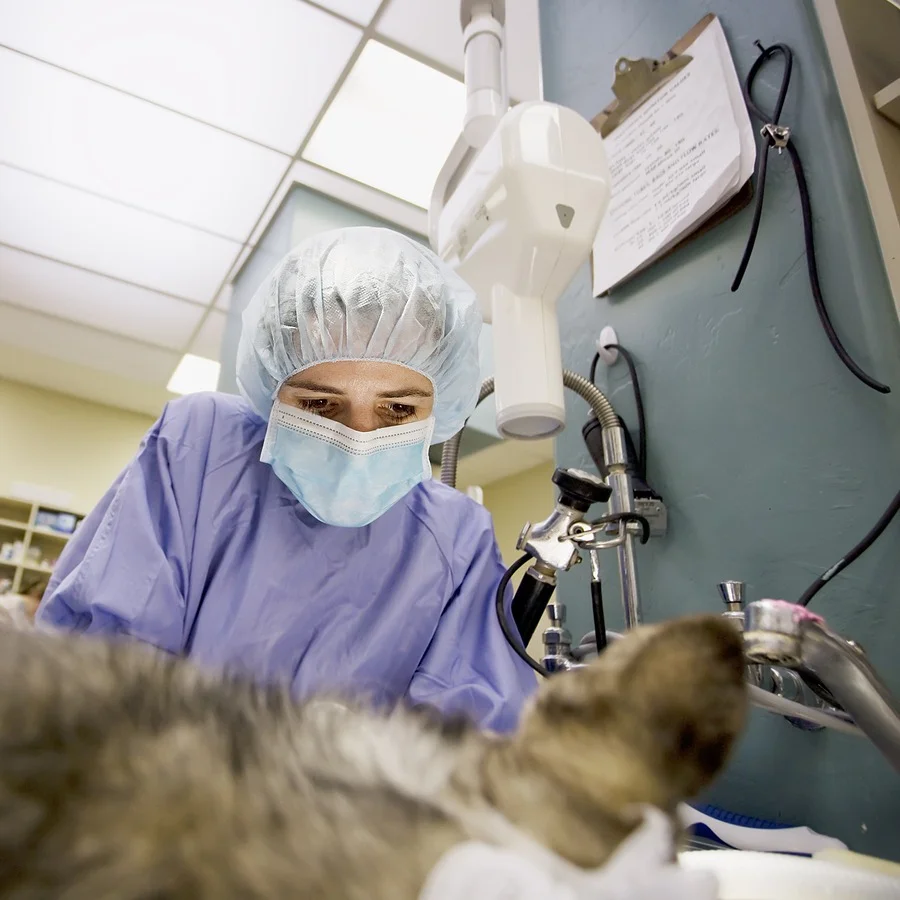
Veterinarians entering small animal practice often need experience across several types of cases before choosing a specialty or setting. UC Davis is bringing back its one-year Small Animal Rotating Internship for the 2027–28 academic year, offering five positions with supervised clinical work across a wide range of disciplines. The program is returning after more than 45 years.
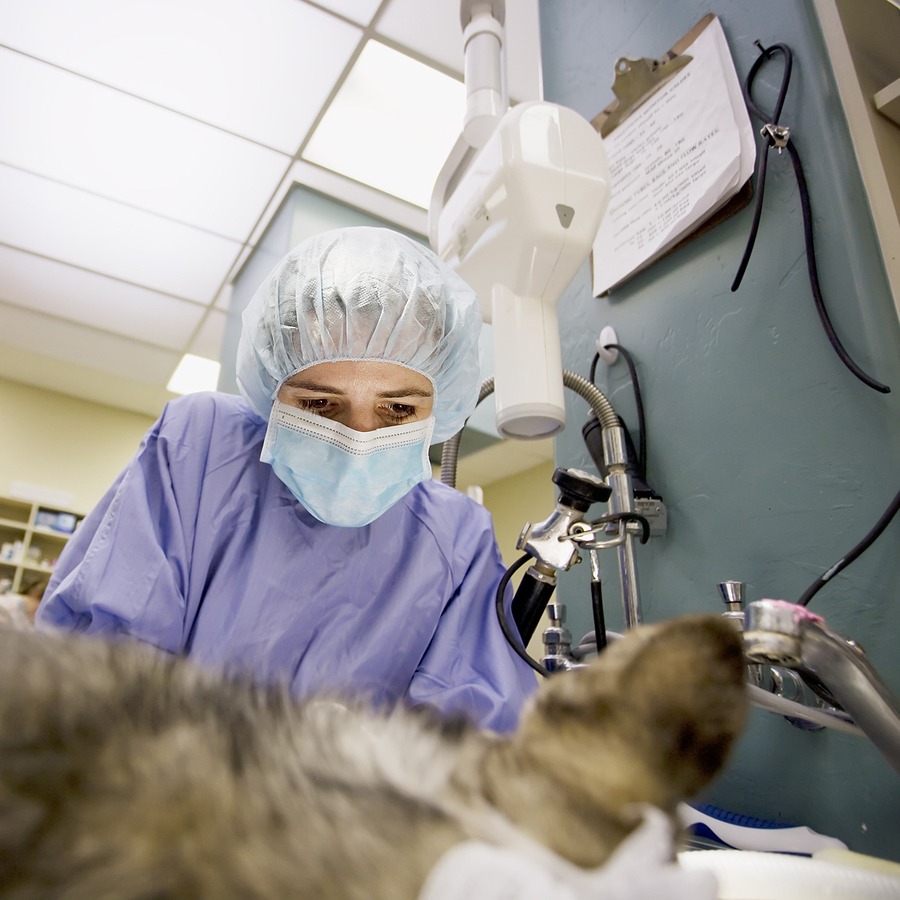
The rotation structure is the central feature. Interns move through core services including internal medicine, soft tissue surgery, emergency and critical care, cardiology, oncology, neurology, anesthesia, diagnostic imaging and clinical pathology. That range gives participants exposure to problems that call for different kinds of assessment and care, from urgent cases to specialty referrals and diagnostic work.
Electives may broaden that experience further. Potential options include exotics, orthopedic surgery, dermatology, ophthalmology, primary care, pathology, radiation oncology, nutrition and behavior. Research opportunities may also be available. The specific elective mix can help interns explore interests while building a wider view of small animal care.
Learning through supervised patient care
UC Davis says interns will work with emergency, first-opinion, referral and specialty cases under supervision. The work is hands-on, with responsibility increasing as interns demonstrate greater competency. They care for patients alongside specialists and residents, while developing clinical judgment, communication and teaching skills.
That gradual increase in responsibility matters in a training year. A clinician must do more than recognize a condition or choose a next step: they need to gather relevant information, explain options clearly and coordinate care with colleagues. Exposure to different services can help interns see how those decisions vary with a patient’s needs and the setting in which care is provided.
Emergency and critical care experience sits alongside rotations such as imaging, anesthesia and pathology. This mix can show interns how different clinical roles contribute to patient care. A diagnostic image, for example, is one part of a larger process that includes evaluating the patient and communicating findings. The internship’s stated emphasis on supervised experience gives participants a setting to build those skills while working with more experienced clinicians.
Several possible directions after the internship
The program is intended to prepare graduates for more than one career path. UC Davis lists residency training, specialty or referral practice, emergency medicine, academic careers and general practice among the possible next steps. The variety of core rotations and potential electives may help interns assess which areas fit their interests and goals, although the source does not specify that any particular career outcome is guaranteed.
For veterinarians considering advanced training, time across multiple services can provide useful context for deciding whether to pursue a residency. Others may use the experience to prepare for work in emergency care, a referral setting or general practice. The broad scope also makes communication and teaching relevant parts of the year, alongside clinical work.
For pet owners, the program’s details offer a look at how veterinary clinicians can develop experience across specialties before or while pursuing a focused career. Interns provide care with supervision, and their responsibilities grow with demonstrated competency. The source describes work with a range of case types, but does not provide details about particular patients, the number of rotations, the length of each rotation or how applicants are assessed.
Application timing
Applications for the 2027–28 academic year are open through January 4, 2027, through the Veterinary Intern and Resident Matching Program. The five available positions make this a defined cohort, while the yearlong format provides time for experience across the listed services. Veterinarians interested in applying can find program information on the UC Davis Small Animal Rotating Internship webpage.
The program’s return creates a structured route for early career veterinarians to gain supervised experience across small animal care. Its breadth is the practical point: interns can build clinical judgment while seeing how varied services contribute to patient care, then use that experience as they choose a next step.


