Sample No. 0135
Halloween Pet Safety: Protect Dogs and Cats From Candy, Costumes and Doorway Stress
Keep treats and risky decorations out of reach, choose comfort over costumes, and give pets a calm place away from the busy front door.
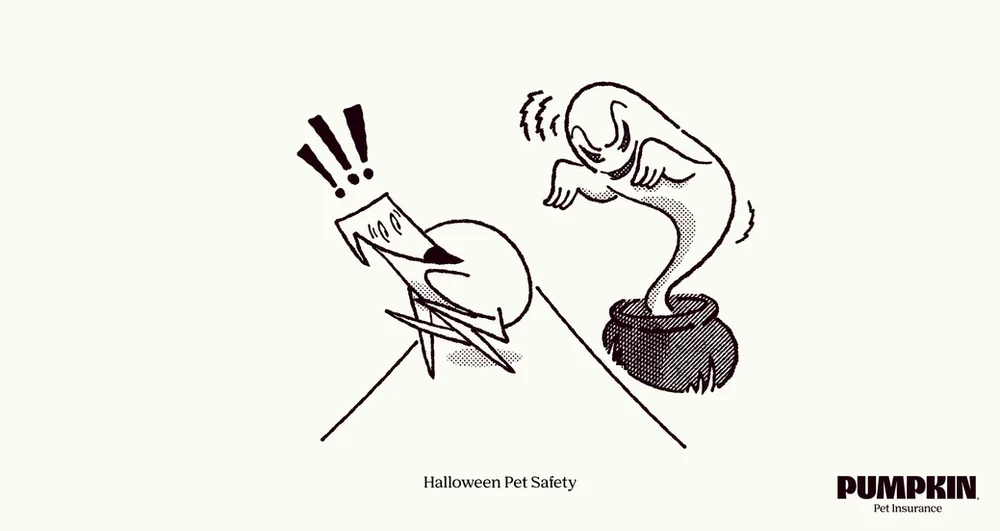
Halloween safety comes down to managing access: pets need to be kept away from tempting food, chewable decorations, uncomfortable outfits and the repeated opening of the front door. A little preparation can prevent a frightening night from becoming an urgent veterinary visit.
October was Pumpkin’s busiest claims month in 2025, with more than 21,000 claims submitted. The company reported average claim amounts for chocolate-related illness of $1,126.24 for dogs and $579.69 for cats. Those figures reflect its claims data and aren’t a prediction of any individual pet’s costs, but they underline why candy deserves special attention. Dogs may eat a large amount quickly; cats can also be harmed by even a small taste.

Put candy and wrappers out of reach
Chocolate is toxic to dogs and cats. Dark and baking chocolate contain more theobromine, which pets don’t process well, so they pose particular concern. Sugar-free sweets and gum containing xylitol can cause a rapid, dangerous drop in blood sugar in dogs, even in small amounts. Raisins can also cause kidney failure in dogs.
Wrappers matter, too. Foil and cellophane can cause an intestinal blockage if swallowed, while hard candy can be a choking hazard. Cats may be less inclined than dogs to seek out chocolate, but they’re still at risk from chocolate, xylitol and wrappers.
Keep bowls, trick-or-treat bags and discarded wrappers where pets can’t reach them. Ask children and guests not to share sweets, however persuasive a pet’s begging may be. If you suspect your pet has eaten candy or a wrapper, contact a veterinarian or a poison guidance service promptly.

Let your pet set the costume limit
A costume is optional; comfort isn’t. Try it on before Halloween and watch your pet’s response. Pinned-back ears, a tucked tail, repeated licking or attempts to back out can signal distress. If your pet seems uncomfortable, remove the outfit. A simple bandana or collar accessory may be a gentler way to mark the occasion.
Any outfit should allow free movement, breathing, hearing and vision. Avoid small pieces that can be chewed off and swallowed, as well as loose parts that could snag on furniture or paws. Choose something that can be removed quickly, and stay with your pet whenever they’re dressed.
Make decorations safer to explore
Flickering lights and dangling objects can draw curious paws and mouths. A candle inside a pumpkin can burn a tail or be knocked over by a cat. Glow sticks and glow jewelry contain a bitter liquid that can cause drooling and irritation if bitten; cats may be especially tempted to chew them. Fake cobwebs, string lights and small ornaments can create choking or entanglement hazards.
Choose battery-operated flameless candles, and place decorations out of jumping and pawing range. Paper chains or fabric bunting can replace glow sticks. Check seasonal plants and floral arrangements before bringing them within reach, since some can be toxic if chewed.
Give indoor cats a secure room away from the entryway and household traffic throughout the holiday. The source also points to added concerns for black cats, who may be targeted by pranks or superstition around Halloween. Keeping cats indoors and settled in a separate room reduces their exposure to open doors and visitors.
Prepare for the doorbell and the noise
Frequent visitors, costumes and unfamiliar sounds can unsettle pets and create opportunities for an escape. Before trick-or-treaters arrive, set up a quiet room away from the entrance with familiar bedding and water. A food puzzle toy may help occupy a pet who enjoys using one.
Check that your pet’s collar and identification tag are in place, and make sure the contact details linked to their microchip are current. Pets that already find noise or unfamiliar people difficult may need extra space and a quieter routine. Settle them before the doorbell begins, rather than waiting until they’re already distressed.
Know what to do if something goes wrong
Vomiting, diarrhea, drooling, unusual tiredness, agitation, tremors or a racing heart can be signs that a pet has eaten or chewed something harmful. Contact your regular veterinarian or the nearest emergency animal hospital. For suspected poisoning, the article lists ASPCA Animal Poison Control and the Pet Poison Helpline, which is available 24/7.
Keep your pet’s weight and the product packaging handy when you call; those details can help the veterinary team assess the situation. Don’t try to make your pet vomit unless a veterinary professional instructs you to.

The practical plan is simple: secure sweets, keep decorations and wrappers out of reach, skip any costume that causes discomfort, and give pets a calm place away from the door. Those routines help dogs and cats spend the holiday safely, with room to retreat when the house gets busy.
Common questions
Which Halloween treats are most concerning?
Chocolate, especially dark or baking chocolate; sweets and gum with xylitol; and raisins are hazards. Wrappers can cause blockages, too.
What if my pet bites a glow stick?
The liquid can cause drooling and irritation. Keep the product away from pets, and contact a veterinarian for guidance if your pet chews one open or shows concerning signs.
Does my pet need a costume?
No. Dress your pet only if they’re comfortable, and remove the outfit if they show stress. Make sure it doesn’t interfere with movement, breathing, hearing or vision, and supervise them while they wear it.


