Sample No. 0131
Family-Friendly Dog Breeds: Matching a Dog’s Needs to Your Kids
Explore 15 breeds often suited to family life, with practical notes on energy, size and care to help you find a good fit.

A breed’s reputation can help narrow a family’s search, but it can’t guarantee how any individual dog will behave with children. The better match is the dog whose energy, size and care needs fit the household—and whose interactions with children are calm, respectful and supervised.

Dogs can be affectionate companions and playmates, and sharing care can help children practise patience and responsibility. Adults remain responsible for the dog’s daily needs, however, and children need guidance on treating animals gently. Before choosing a breed, consider who will exercise and groom the dog, how much time the family has, and whether the dog’s play style suits the children’s ages.

Start with the family’s routine
Think beyond size or a breed’s general temperament. Some dogs need sustained daily activity and training; others are more comfortable with moderate exercise and quiet time. A small dog may be easier to accommodate in an apartment, but young children still need to learn how to handle a smaller animal carefully. Large, affectionate dogs can also accidentally knock over a small child during play.

Care demands matter, too. A dog’s exercise and grooming needs should fit the adults’ schedules, not depend on a child following through alone. The breed descriptions below offer useful starting points, not promises: individual dogs vary, and a prospective family should consider the particular dog’s temperament and history.

Fifteen breeds to consider
Beagle
Beagles are often easygoing, playful companions, with a history of working in packs. They do need regular exercise, and their hound howl can make them a vocal presence at home. Families should be ready for both the activity and the sound.
Bernese Mountain Dog
Despite their substantial size, Bernese Mountain Dogs are known for a gentle, affectionate manner with children. Bred as farm working dogs in Switzerland, they’re described as reliable, intelligent and loyal. Their exercise needs are moderate, making walks and outdoor outings a natural fit, but families should account for the space a large dog needs.

Bichon Frise
The Bichon Frise is a small, playful and curious dog that can adapt well to apartment living and busy family routines. The breed is often described as hypoallergenic, but that doesn’t mean a dog is guaranteed not to trigger allergies. Families with allergy concerns can spend time around an individual dog before making a decision.
Border Collie
Intelligent, loyal and energetic, Border Collies are a strong possibility for active households that can offer daily exercise and training. As herding dogs, they tend to thrive when given a purpose. Their substantial activity and engagement needs may suit families with older children who can join in, while adults remain responsible for consistent training and care.

Boston Terrier
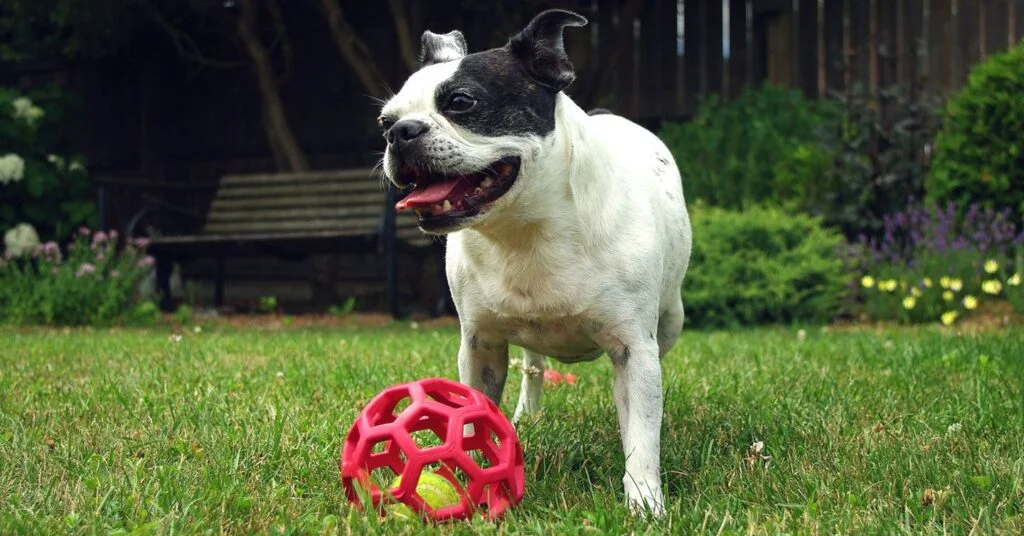
Boston Terriers are small, affectionate and lively, with a playful streak that can appeal to children of different ages. They’re often considered relatively low-maintenance and can suit city or apartment life. Exercise needs differ between dogs, so families should plan to meet the needs of their own pet rather than assume every Boston Terrier is content with little activity.
Boxer
Boxers are affectionate, smart and energetic, and their enthusiasm can make them engaging playmates. They need plenty of exercise. A Boxer’s exuberant play may be overwhelming for very young children, so families should consider the children’s size and comfort as well as the dog’s energy.

Bull Terrier
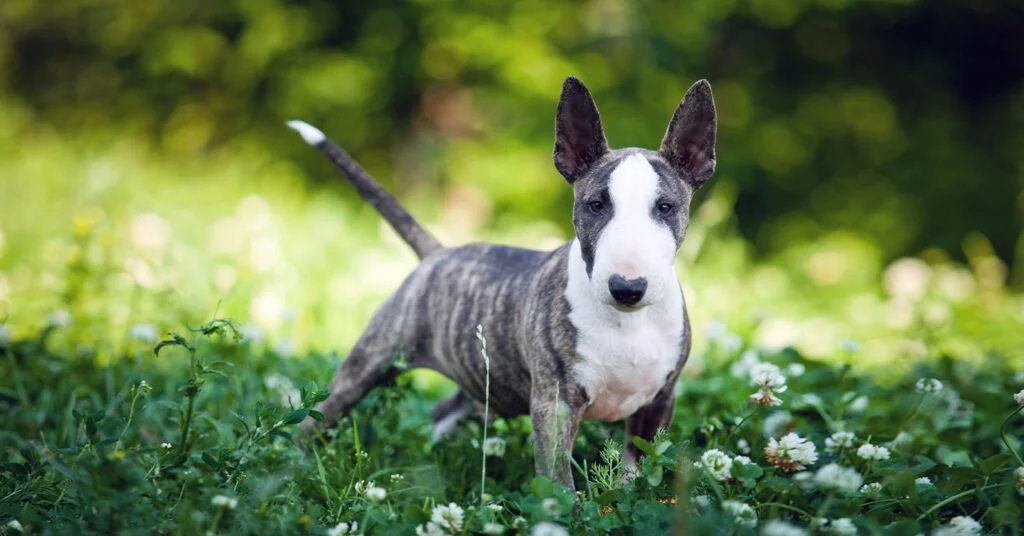
Playful, funny and sometimes mischievous, Bull Terriers bring plenty of personality to family life. They benefit from training and regular time with their people, along with daily exercise at a moderate level. They may be a better fit for families with older children who can take part in structured activities.
Bulldog
Bulldogs are generally calm and friendly, with moderate exercise needs and a reputation for being adaptable to city or suburban homes. They’re not usually suited to very hot climates, and rough play may not be their preference. Families with older children may find their quieter style a more comfortable match.

Cavalier King Charles Spaniel
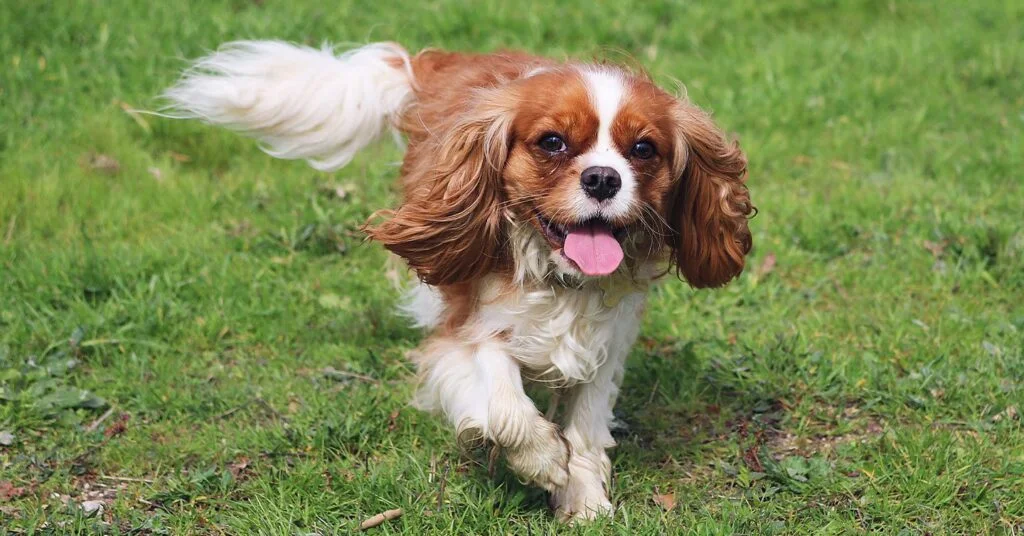
Cavaliers are gentle, affectionate and small, yet often energetic enough to enjoy play. They were bred as lap dogs and are known for liking close company and cuddles. Their adaptability can suit a range of homes, including city settings, and their gentle manner may work well with children when interactions are handled kindly.

Cocker Spaniel
Happy and intelligent, Cocker Spaniels often enjoy walks, outdoor play and activities shared with family members. They need regular exercise and tend to prefer company while getting it. Their people-pleasing nature can make training more approachable for a new dog-owning household, though adults should lead the process.

Collie
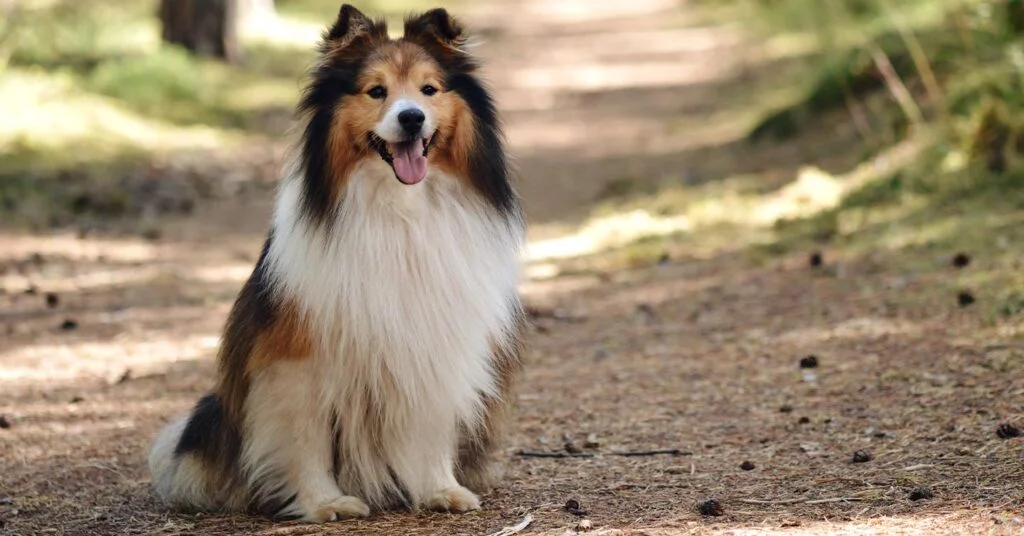
Collies are often associated with affection for children, alongside intelligence, friendliness and athleticism. Their herding background means they need regular exercise, and they may enjoy active play outdoors with the family. A home that can provide room for movement and consistent daily activity is likely to suit them better than a sedentary routine.

Golden Retriever
Golden Retrievers are widely regarded as friendly, devoted family companions, and are often described as gentle with children. They need daily exercise and can join in a variety of outdoor activities. Their activity needs are an important part of the match: a family should be prepared to make exercise part of the regular routine.
Labrador Retriever
Labradors are known for being friendly, adaptable and loyal. They’re often comfortable around children of different ages, other dogs and other pets. Their high exercise needs can make them enthusiastic companions for active families, but that energy also calls for time, training and thoughtful supervision around small children.
Newfoundland
Newfoundlands are large dogs with a reputation for being sweet, patient and gentle. Their size means they’re generally not a practical choice for apartment living, even though their exercise needs are moderate. Families should also be prepared for drooling and ensure they have enough room to accommodate a very large companion.
Pug
Pugs are small, sociable dogs with a playful, mischievous character. Compared with some of the more energetic breeds on this list, they may suit families looking for a less active companion, though they still need regular exercise. Many also enjoy relaxing and cuddling with family members at home.
Make the match a family decision
These breed profiles can help families identify what to ask and assess, but no list can determine which dog will suit a particular home. Look closely at the dog in front of you, consider the household’s daily routine, and make sure adults can meet the animal’s needs for exercise, training and care. Set clear expectations for children, give the dog space to rest, and supervise interactions—especially with younger kids.
The strongest match isn’t simply the breed a child finds appealing. It’s a dog whose needs the household can meet and whose individual temperament fits the family’s everyday life.


