Sample No. 0012
2026 Unusual Pet Ingestion X-ray Contest Recognizes Veterinary Teams
The 2026 X-ray contest celebrates surprising ingestion cases and the veterinary teams whose careful work supports their patients.
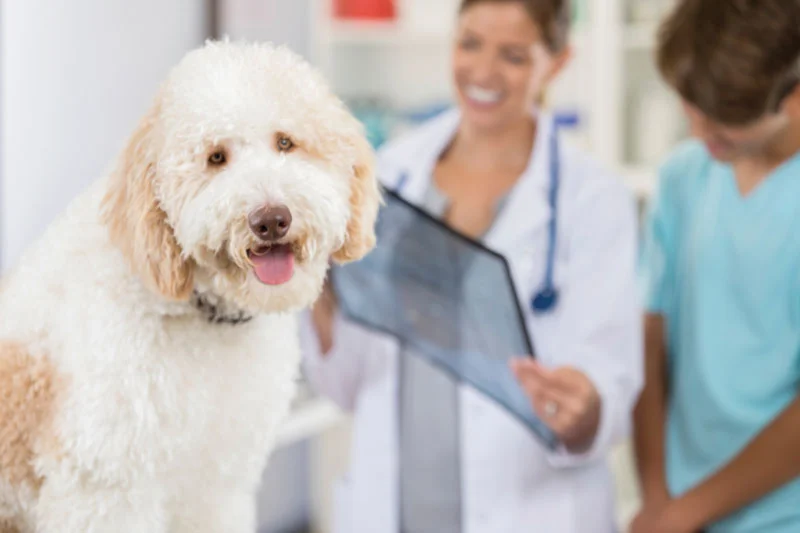
Unusual ingestion cases can still surprise veterinary teams, even after 20 years of the They Ate What?! X-ray contest. The 2026 results carry a familiar message: a patient’s unexpected appetite may make for a memorable radiograph, but the care that follows is the story that matters most. Each case calls for clinical judgment, collaboration and attention to the animal in front of the team.
The contest highlights patients with unusual tastes and seemingly insatiable appetites, alongside owners startled by what their animals have eaten. Those moments can be stressful for everyone involved. For veterinary professionals, they also call for a measured response: gather the relevant history, assess the patient and determine what care is appropriate. The source shares no individual cases or treatment details, so the entries’ specific objects, outcomes and clinical approaches remain unknown.
The work behind the radiograph
An X-ray can make an unexpected ingestion visible, but the image is only one part of a patient’s care. A veterinary team brings together the owner’s observations, the animal’s condition and diagnostic findings to decide what to do next. That work depends on clear communication and a plan suited to the individual patient.
Owners may arrive worried or unsure how their pet got hold of an object. A calm, practical conversation can help the team learn what may have happened and when, while giving the owner a clear sense of the next steps. Teams also have to coordinate their roles as they assess the patient and provide care. These cases are a reminder that a striking image often reflects careful, less visible work: listening, assessing, explaining and following through.
For owners, the useful takeaway is simple: if a pet may have swallowed an unusual object, contact a veterinary professional for guidance. What matters can depend on the animal and the circumstances, and a story about one patient cannot determine what another pet needs. Sharing what you know with the care team, including what may have been swallowed and when, can help them assess the situation. If the animal seems unwell or its condition changes, tell the veterinary team promptly.
Everyday prevention can also reduce opportunities for pets to investigate tempting objects. Keep small household items and belongings that a pet might chew or swallow out of reach, and pay attention to habits that bring an animal into contact with them. Curious behavior and appetites vary between individual pets. If a pet repeatedly seeks out non-food objects, discuss the pattern with a veterinarian; the contest does not provide a cause or a universal solution for that behavior.
Recognition for veterinary teams
The contest’s appeal comes partly from the surprise of each unusual case. Its deeper value, though, lies in recognizing the teams who diagnose, treat and support their patients. The organizers point to inventive approaches, dedicated teamwork and positive outcomes as the work that deserves attention. Those qualities matter in everyday practice, where each patient’s needs shape the response.
The 2026 judging panel brings experience across pain management and physical rehabilitation, veterinary technology, surgery, emergency care, research and animal health consulting. Its members are Robin Downing, DVM, MS, DBe, DAAPM, DACVSMR; Jennifer Serling, CVT, RVT, BVSc, AAS, VTES; Kendra Freeman, DVM, MS, DACVS; Erica Tramuta-Drobnis, VMD, MPH, CPH; and Greg Bishop, DVM. Their varied backgrounds offer a broad professional perspective on the cases submitted.
- Robin Downing, DVM, MS, DBe, DAAPM, DACVSMR, is hospital director of The Downing Center for Animal Pain Management and teaches internationally on pain management and physical rehabilitation.
- Jennifer Serling, CVT, RVT, BVSc, AAS, VTES, serves on the Veterinary Practice News editorial advisory board and directs the Appalachian State University Veterinary Technology Program.
- Kendra Freeman, DVM, MS, DACVS, is an associate surgeon in Albuquerque, New Mexico, and a frequent contributing writer for Veterinary Practice News.
- Erica Tramuta-Drobnis, VMD, MPH, CPH, founded and leads ELTD One Health Consulting, LLC. Her work spans animal health consulting, emergency veterinary care, writing and research.
- Greg Bishop, DVM, is a small-animal veterinarian and part-time veterinary technology instructor in Portland, Oregon. He contributes to the “Client Speak” column and creates the monthly “The Lighter Side” cartoon series.
Readers can browse the contest pages to see this year’s results. Behind each surprising image is a patient whose care depended on a team’s attention and skill—a reminder that curiosity may bring an animal through the clinic door, while thoughtful veterinary care carries the case forward.


